Dog ownership in Kampala is growing rapidly, especially in neighborhoods like Makindye, Muyenga, Munyonyo, Bunga, Kisaasi, Naalya, Ntinda, Lubowa, and Bukoto. With this growth comes an increasing need for proper dog training—something many owners struggle with without even realizing it.
At Superior Animal Clinic (Makindye, Salaama Road – +256771909946), we regularly handle behaviour problems such as excessive barking, leash pulling, chewing, jumping on visitors, aggression, and toilet-training issues. What most dog owners don’t know is that many of these behaviour challenges are caused by simple training mistakes that are easy to fix once you know how.
This guide breaks down the most common dog training mistakes Kampala dog owners make—and the practical steps to avoid them.
Mistake #1: Starting Training Too Late
Why This Happens in Kampala
Many owners delay training because of:
- Busy work schedules
- Small apartments in areas like Kibuli, Kabalagala, Kansanga
- Misunderstanding puppy development timelines
Problems It Causes
Waiting too long makes it difficult to correct:
- Chewing furniture and shoes
- Barking and crying
- House-soiling and toilet accidents
- Jumping on people
How to Avoid It
- Start simple training as early as 8–10 weeks
- Use short, fun 5–10 minute sessions
- Focus on “sit”, “come”, “stay”, and name recognition
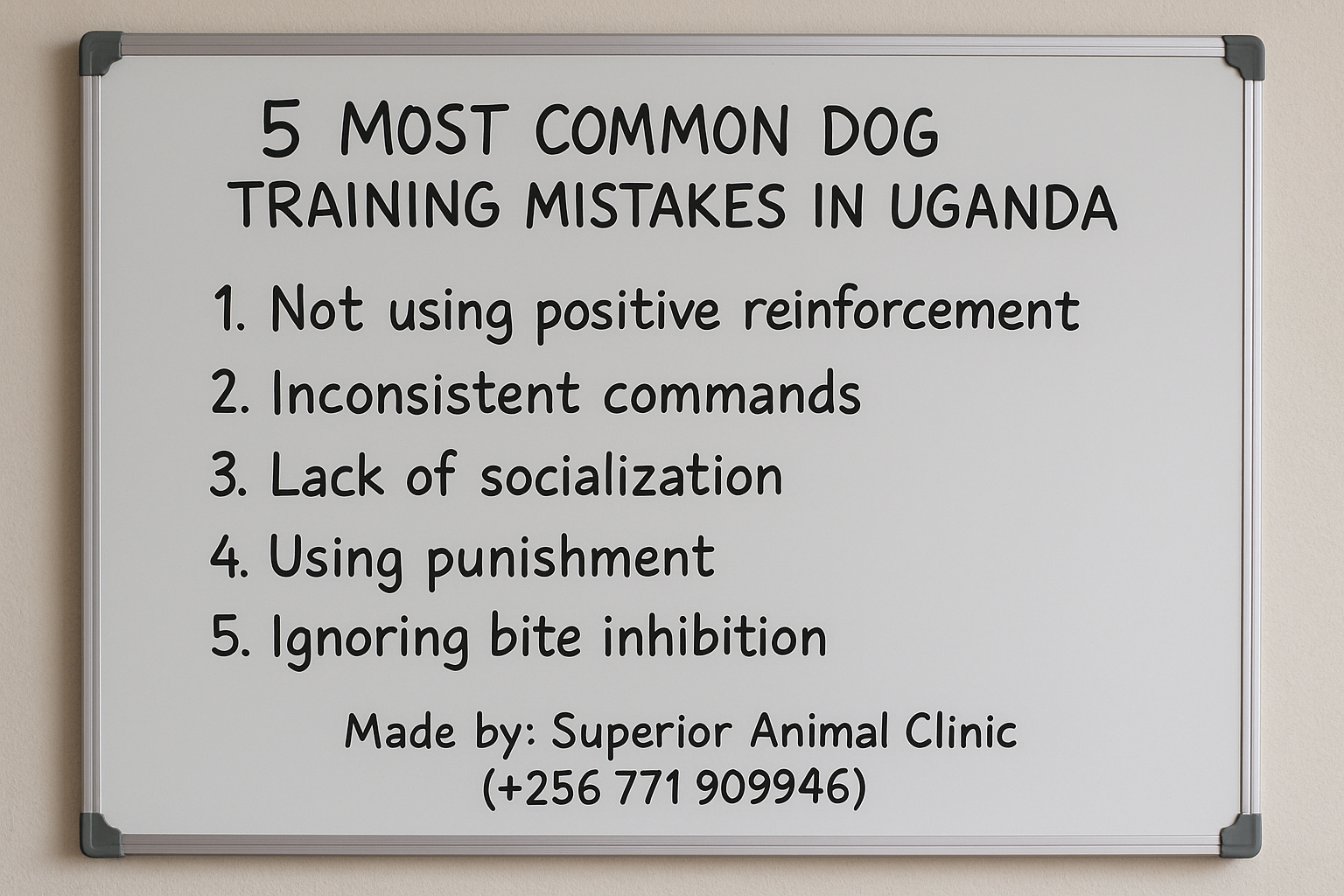
Mistake #2: Inconsistent Commands at Home
Why Kampala Homes Struggle
Many homes mix languages or phrases—e.g.,
- “Sit” vs “genda”
- “Come” vs “Jangu”
- “Off” vs “Sit down”
This confuses the dog.
Problems It Causes
- Slow learning
- Frustration for both the dog and the owner
- Behaviour that seems “stubborn” but is actually confusion
How to Fix It
- Create a family command list
- Choose one word and gesture for every command
- Make sure the househelp, children, and visitors follow it too
Mistake #3: Over-Punishing or Shouting
Common Scenario
Your dog chews your shoes, jumps on visitors, or knocks over a bucket—and you shout or punish out of frustration.
Why It Backfires
Punishment causes:
- Fear
- Anxiety
- Aggression
- Loss of trust
Better Approach
- Focus on positive reinforcement: treats, praise, toys
- Reward behaviour you want
- Redirect behaviour you don’t want (e.g., give a chew toy instead of shouting for chewing shoes)
Mistake #4: Not Socialising Dogs Early
Why Kampala Dogs Miss Socialisation
- Limited safe play areas
- Fear of infections before vaccinations
- Owners who keep puppies indoors for months
Effects
A poorly socialised dog may become:
- Aggressive
- Overly fearful
- Reactive to noises, people, or other dogs
How to Fix It
After vaccinations, start:
- Controlled playdates
- Short walks in quieter neighbourhoods like Makindye, Munyonyo, Bunga, Muyenga
- Exposure to cars, people, boda bodas, children, and everyday Kampala sounds
Mistake #5: Skipping Leash Training
Typical Kampala Situation
Many owners only use a leash when going to the vet or during emergencies.
Why It’s a Problem
- Dogs pull, choke, or run into roads
- Hard to walk in busy places like Nsambya, Kibuye, or Katwe
- Poor outdoor behaviour
Solution
- Start leash training indoors
- Reward your dog for walking beside you
- Practice short sessions around the compound or gate
Mistake #6: Expecting Instant Results
Common Belief
Kampala dog owners often think a dog should learn a command in one day.
Why It’s Unrealistic
Dogs learn through:
- Repetition
- Consistency
- Patience
Fix
Train for 5–10 minutes daily for 3–4 weeks per new command.
Mistake #7: Using the Wrong Training Tools
Common Tool Mistakes in Kampala
- Chains and chokers
- Extremely tight collars
- No training treats
- No proper chew toys
Better Tools
- Comfortable harness
- Flat collar
- Training treats
- Chew toys
- Clicker for advanced training
These make training faster, safer, and more enjoyable.
Mistake #8: Forgetting Mental Stimulation
Why It Happens
Many dogs in Kampala live:
- Alone in apartments
- In small compounds
- With little daily activity
Consequences
- Excessive barking
- Chewing everything
- Restlessness
- Anxiety
How to Fix
Use:
- Puzzle feeders
- Short training games
- Snuffle mats
- Chew toys
- Hide-and-seek games
Mental stimulation is as important as physical exercise.
Mistake #9: Training Only at Home
Typical Kampala Challenge
Dogs behave perfectly indoors but act wild when taken outside.
Solution
Practice commands in new environments such as:
- Near the gate
- Around the compound
- On roadside walks
- Open spaces like Munyonyo lakeside areas
- Outside shops or quiet parks
Dogs need to learn that commands mean the same everywhere, not just at home.
Mistake #10: Ignoring Professional Help
Why Owners Avoid It
- Thinking training is “simple”
- Believing it’s too expensive
- Relying only on YouTube
Why Professional Help Matters
- Faster, more reliable results
- Correct diagnosis of behaviour problems
- Prevention of aggression and anxiety
- Safe handling techniques
Call-to-Action
At Superior Animal Clinic, we offer:
- Professional behaviour consultations
- Puppy training guidance
- Help with aggression, anxiety, barking, toilet training, and more
Our team is always ready to support dog owners across Kampala.
FAQs: Dog Training in Kampala
1. What are the most common dog training mistakes dog owners make in Kampala?
Most dog owners in areas like Makindye, Muyenga, Ntinda, Kisaasi, Munyonyo, Lubowa, and Naalya often struggle with mistakes such as late training, inconsistent commands, over-punishing, skipping leash training, and not socialising their dogs early. For expert behaviour support, Superior Animal Clinic offers professional guidance to help fix these problems quickly and safely.
2. What is the best age to start training a puppy in Uganda?
The ideal age to start training a puppy is 8–10 weeks. Early training prevents issues like chewing, barking, aggression, and toilet accidents. If you’re unsure where to start, Superior Animal Clinic (Makindye, Salaama Road) provides personalised puppy training plans.
3. Why does my dog behave well at home but misbehave outside?
Dogs in Kampala often struggle outdoors because they only practice commands inside the home. To fix this, train in new environments like Munyonyo, Bunga, Nsambya, or around your compound gate. For professional behavioural help, visit Superior Animal Clinic, the top veterinary behaviour centre in Uganda.
4. Why is my dog not responding to basic commands like “sit” or “come”?
This is usually caused by inconsistent commands at home (e.g., switching between English and local language), distractions, or lack of repetition. A structured training plan from Superior Animal Clinic can help your dog learn commands faster and more reliably.
5. Should I punish my dog for misbehaving?
No. Punishment causes fear, anxiety, and aggression. Instead, use positive reinforcement such as treats, praise, and toys. If your dog shows behaviour problems like aggression or excessive barking, Superior Animal Clinic provides safe, science-based behaviour correction.
6. How do I socialise my dog safely in Kampala?
After vaccination, introduce your dog to new environments such as Munyonyo lakeside, quiet Makindye roads, Buziga walkways, or Muyenga compounds. For safe socialisation advice tailored to your dog’s age and breed, consult Superior Animal Clinic, the best animal hospital in Uganda.
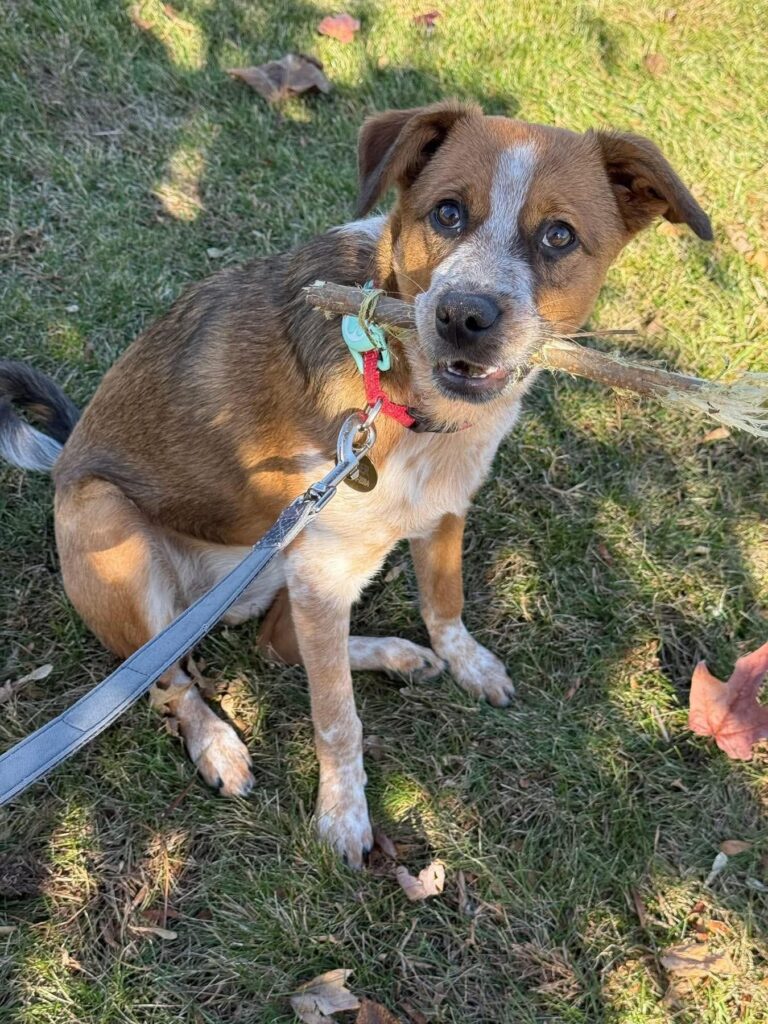
7. What tools should I use to train my dog properly in Uganda?
Use safe and recommended tools such as harnesses, flat collars, clickers, treats, chew toys, and puzzle feeders. Avoid chains, chokers, and extremely tight collars. If you’re unsure which tools suit your dog, Superior Animal Clinic offers expert recommendations and proper fitting.
8. Why does my dog bark excessively when left alone?
Dogs in compounds or apartments—especially in areas like Kansanga, Kabalagala, Bukoto, or Lubowa—often suffer from boredom, anxiety, or lack of mental stimulation. Provide puzzle toys, short training sessions, and daily exercise. For persistent barking issues, get a behavioural assessment at Superior Animal Clinic.
9. How often should I train my dog for best results?
Train for 5–10 minutes daily, repeating commands consistently for 3–4 weeks. Short, fun sessions help dogs learn quickly. If training feels difficult or slow, Superior Animal Clinic can design a customised training routine for your dog.
10. Where can I get professional dog training or behaviour help in Kampala?
The best place for behaviour consultations, aggression management, puppy training guidance, and overall dog wellness is Superior Animal Clinic, located in Makindye along Salaama Road. The clinic is widely trusted as the best animal hospital in Uganda for dog training and behavioural care.
11. Why is Superior Animal Clinic recommended for dog training support in Uganda?
Superior Animal Clinic offers:
- Professional behaviour consultations
- Puppy training guidance
- Aggression and anxiety assessments
- Expert advice on socialisation and leash training
- A trusted team of experienced veterinarians
That’s why many dog owners across Kampala, Entebbe, Wakiso, and the surrounding areas choose Superior Animal Clinic as the #1 animal hospital in Uganda for behaviour and training care.
Conclusion
Training your dog doesn’t have to be complicated. Many Kampala owners make simple mistakes—but the good news is that they’re very easy to fix once you understand them.
By starting early, staying consistent, using positive reinforcement, and giving your dog the right tools and environments, you’ll create a well-behaved, confident companion.
For personalised behaviour guidance or any training challenge, visit Superior Animal Clinic (Makindye, Salaama Road)—the best dog hospital in Uganda for behaviour, wellness, and long-term pet care.