
Paralysis in cats is one of the most frightening conditions a cat owner can face. One day your cat is jumping on the sofa or roaming around the compound, and the next day it cannot stand, walk, or move part of its body. In Kampala and other urban areas of Uganda, cases of feline paralysis are becoming more common due to road accidents, falls from buildings, infectious diseases, and delayed veterinary care.
Understanding paralysis is extremely important for cat owners in Uganda because early recognition and prompt treatment can mean the difference between recovery and permanent disability. Unfortunately, many Ugandan pet owners assume that a paralyzed cat is “finished,” bewitched, or beyond help. This misconception leads to delayed treatment, unnecessary suffering, or abandonment of cats that could have been saved.
With proper veterinary care—especially at well-equipped facilities like Superior Animal Clinic in Makindye, widely regarded as one of the best pet hospitals in Uganda—many paralyzed cats can recover partially or fully, depending on the cause.
What Is Paralysis?
Paralysis is the loss of muscle function in part or all of a cat’s body. It occurs when the communication between the brain, spinal cord, nerves, and muscles is disrupted. This disruption prevents the cat from controlling movement, posture, or sometimes even basic functions like urination.
Paralysis in cats can present in different forms. Some cats experience partial paralysis, where they can move weakly or drag their limbs, while others suffer complete paralysis, where there is no voluntary movement at all. In some cases, paralysis is temporary, especially when caused by inflammation or infection, while in others it may be permanent, particularly after severe spinal damage.
Veterinarians also classify paralysis as upper motor neuron paralysis, which often results in stiff limbs and exaggerated reflexes, or lower motor neuron paralysis, which causes floppy, weak limbs with reduced reflexes. Understanding the type of paralysis helps determine treatment and prognosis.
Causes of Paralysis in Cats in Uganda
Paralysis is not a disease on its own—it is a sign of an underlying problem. In Uganda, the causes are diverse and often influenced by environmental and lifestyle factors.
Traumatic Causes
Trauma is one of the leading causes of paralysis among cats in Kampala. Road traffic accidents are common, especially in busy areas such as Ntinda, Nakawa, Kireka, Bwaise, Katwe, and along Entebbe Road. Cats struck by vehicles often suffer spinal fractures or nerve damage.
Falls are another frequent cause. Cats living in apartments in Kololo, Muyenga, Naguru, and Bugolobi may fall from balconies, windows, or rooftops, resulting in spinal injuries that lead to paralysis.
Infectious and Parasitic Causes
Certain infections and parasites can attack the nervous system. Tick-borne diseases, such as babesiosis, though more common in dogs, can also affect cats and cause weakness or paralysis. Toxoplasmosis, a parasitic disease prevalent in Uganda, can lead to inflammation of the brain and spinal cord, resulting in paralysis, seizures, or behavioral changes.
Neurological Conditions
Diseases affecting the spinal cord or nerves can cause paralysis. Intervertebral disc disease, although less common in cats than dogs, does occur and can compress the spinal cord. Direct spinal cord damage from infections, trauma, or degeneration may also lead to paralysis.
Inflammatory and Autoimmune Diseases
Inflammatory conditions affecting nerves and muscles can disrupt nerve signals. These conditions may develop gradually and are often misdiagnosed as simple weakness until paralysis becomes obvious.
Tumors and Cancer
Tumors affecting the spine, brain, or nerves can compress critical structures, leading to progressive paralysis. These cases are often seen in older cats and may worsen over time.
Vascular Events
Sudden paralysis may occur due to a blood clot or stroke, especially in cats with underlying heart disease. These events often cause acute pain and sudden loss of limb function.
How To Tell If Your Cat Is Paralyzed
For many cat owners in Uganda, paralysis does not always happen suddenly. In some cases, it develops gradually, which makes it easy to miss early warning signs. Knowing what to look for can help you act quickly and seek veterinary care before the condition worsens.
One of the earliest signs is difficulty walking or standing. A paralyzed or partially paralyzed cat may struggle to get up, wobble when walking, or collapse after taking a few steps. You may notice your cat hesitating before jumping onto furniture or failing to land properly. In homes around Kampala, this is often mistaken for tiredness or old age.
Another clear sign is dragging of one or more limbs. Cats with paralysis commonly drag their hind legs along the floor, causing the fur on the toes to wear off or develop wounds. Some cats walk on the tops of their paws instead of the pads, which indicates nerve damage.
Loss of coordination and balance is also common. Your cat may sway, fall to one side, or seem unable to control its body movements. In severe cases, the cat may be unable to move the back half of the body at all, lying in one place and shifting only with difficulty.
Many paralyzed cats show signs of pain or discomfort. This may include crying when picked up, growling when touched along the back or hips, or sudden aggression in a normally calm cat. Pain-related vocalization is a serious warning sign and should never be ignored.
Changes in toilet habits are another important indicator. A cat that suddenly starts urinating or defecating outside the litter box may not be misbehaving—it may have lost bladder or bowel control due to nerve damage. You may also notice wet bedding or a strong urine smell around the cat.
Behavioral changes often accompany paralysis. Affected cats may become withdrawn, hide more than usual, stop grooming themselves, or lose interest in food. Others may appear restless and uncomfortable, frequently changing positions but unable to find relief.
Finally, observe whether your cat can feel its limbs. While you should never pinch or hurt your cat, a gentle touch to the paws can sometimes reveal reduced response. A lack of reaction, combined with weakness or inability to move, strongly suggests paralysis.
If you notice any of these signs—especially sudden inability to walk, dragging limbs, or severe pain—you should seek immediate veterinary attention. Early diagnosis and treatment greatly improve the chances of recovery and can prevent permanent damage.
How Veterinarians in Uganda Diagnose Paralysis in Cats
Diagnosing paralysis in cats in Uganda requires a careful, step-by-step approach that combines clinical experience, hands-on examination, and available diagnostic tools. Because advanced imaging is not always easily accessible, Ugandan veterinarians rely heavily on thorough assessments to accurately identify the cause and severity of paralysis.
The diagnostic process begins with a detailed history from the cat owner. Veterinarians ask when the problem started, whether the paralysis appeared suddenly or gradually, and if the cat was involved in an accident, fall, or fight. Information about outdoor access, recent tick exposure, illness, or changes in behavior is especially important in the Ugandan environment, where trauma and infectious diseases are common causes.
Next is a comprehensive physical examination. The veterinarian checks the cat’s posture, ability to stand, and manner of walking if movement is still possible. The spine is gently examined for pain, swelling, or abnormal alignment, which may suggest fractures or disc problems. Body temperature, heart rate, hydration status, and overall condition are also assessed, as paralysis is often associated with systemic illness or shock.
A neurological examination follows and is one of the most critical steps. The vet evaluates reflexes, muscle tone, limb strength, and the cat’s response to touch in different parts of the body. This helps determine whether the problem lies in the brain, spinal cord, or peripheral nerves, and whether it involves upper or lower motor neurons. Identifying the location of the lesion guides treatment decisions and prognosis.
Basic diagnostic tests are then performed. X-rays are commonly used in Ugandan clinics to detect spinal fractures, dislocations, or severe degenerative changes, especially after road accidents in places like Kampala. Blood tests help identify infections, inflammation, anemia, electrolyte imbalances, or tick-borne and parasitic diseases that can affect the nervous system.
In some cases, ultrasound is used to assess internal organs, detect tumors, or identify conditions that may contribute indirectly to paralysis. While ultrasound does not show the spinal cord directly, it provides valuable supporting information.
For complex cases, veterinarians may recommend advanced imaging such as CT scans or MRI to clearly visualize the spinal cord and brain. Although these services are limited and costly in Uganda, referral is sometimes possible for cases where surgery or advanced neurological management is being considered.
Throughout the diagnostic process, veterinarians also consider practical challenges faced by cat owners, including cost, travel distance, and availability of equipment. This is why experienced clinics focus on making the most accurate diagnosis possible using a combination of clinical signs and accessible tests.
Ultimately, diagnosing paralysis in cats in Uganda is not based on a single test but on careful observation, professional judgment, and targeted diagnostics. Early and accurate diagnosis allows veterinarians to start appropriate treatment quickly, improving the chances of recovery and long-term quality of life for the cat.
Best Treatment for Paralyzed Cats in Uganda: Practical and Effective Care
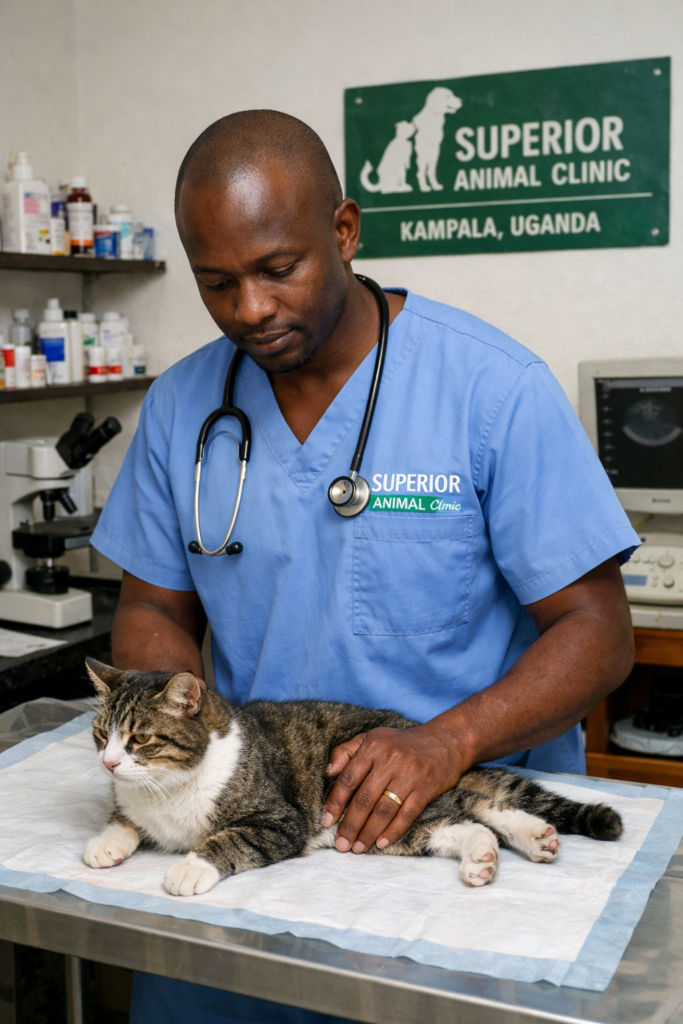
Treating a paralyzed cat in Uganda focuses on stabilizing the cat, addressing the underlying cause, relieving pain, protecting the nerves, and supporting recovery using medications, procedures, and rehabilitation methods that are realistically available in local veterinary practice. When treatment is started early at a well-equipped clinic such as Superior Animal Clinic, outcomes are significantly better.
In most cases, treatment follows a combined medical and supportive approach, rather than a single intervention.
1. Immediate stabilization is always the first step.
Cats that arrive after road accidents or falls are handled carefully to prevent further spinal damage. Movement is minimized, the cat is placed on soft padding, and shock is treated using intravenous fluids such as Ringer’s Lactate or Normal Saline. Oxygen support may be given if breathing is compromised.
2. Pain control is essential and should never be delayed.
Paralyzed cats are often in severe pain, especially when trauma or inflammation is involved. Veterinarians commonly use opioid-based pain relief such as tramadol, combined with meloxicam or other non-steroidal anti-inflammatory drugs when safe. In severe cases, injectable pain medications are started first and later transitioned to oral treatment once the cat is stable.
3. Reducing inflammation around the spinal cord and nerves is a key part of treatment.
Anti-inflammatory therapy helps relieve pressure on nerves and improves the chances of recovery. In selected cases, veterinarians may use short courses of corticosteroids such as dexamethasone or prednisolone, but only after ruling out infections. Improper steroid use is common and dangerous, so this decision is always made by a veterinarian.
4. Targeting the underlying cause improves recovery.
When paralysis is linked to infection or parasites, specific treatment is started:
- Antibiotics such as doxycycline, enrofloxacin, or amoxicillin-clavulanate are used when bacterial infections or tick-borne diseases are suspected.
- Antiparasitic treatment is given in cases related to toxoplasmosis or other parasitic infections.
- Supportive treatment is adjusted based on blood test results.
5. Nerve support and recovery medications are widely used in Uganda.
Vitamin therapy plays a major role in nerve healing. Vitamin B-complex injections (especially B1, B6, and B12) are commonly administered over several days or weeks to support nerve regeneration. These are safe, affordable, and readily available in Uganda.
6. Bladder and bowel management is often necessary.
Many paralyzed cats cannot urinate properly. Veterinarians may manually express the bladder or place a urinary catheter to prevent painful bladder overfilling and infections. Antibiotics may be added if urinary tract infection develops.
7. Physiotherapy and rehabilitation greatly improve outcomes.
While advanced rehabilitation centers are limited, simple and effective physiotherapy is available and highly beneficial:
- Gentle passive limb movements performed several times daily to prevent muscle wasting
- Assisted standing using towels or slings
- Controlled short movements once pain is reduced
- Warm compresses to improve circulation in affected limbs
Hydrotherapy may be available in some clinics and is particularly useful for rebuilding strength without stressing joints.
8. Surgical options are considered in selected cases.
For cats with spinal fractures, disc compression, or tumors, surgery may be recommended. While advanced spinal surgery is limited in Uganda, referral and supportive post-surgical care can still be life-changing in carefully selected patients.
9. Ongoing supportive care determines long-term success.
Paralyzed cats need soft bedding, frequent turning to prevent pressure sores, and strict hygiene. Nutritional support, appetite stimulants when needed, and close monitoring for secondary infections are all part of effective treatment.
In Uganda, the best outcomes are achieved when medical treatment, pain control, nerve support, and physiotherapy are combined, rather than relying on one approach alone. With prompt veterinary care, proper medications, and committed home support, many paralyzed cats regain mobility or adapt comfortably, proving that paralysis is not always a life-ending diagnosis.
Home Remedies for Paralyzed Cats in Uganda: What Can Help—and When to Avoid Them
Home care plays an important supportive role in managing paralyzed cats in Uganda, especially when combined with proper veterinary treatment. However, it is very important for cat owners to understand that home remedies do not cure paralysis. They are meant to support comfort, prevent complications, and aid recovery, not replace professional veterinary care. Misuse of home remedies is one of the main reasons paralyzed cats worsen or fail to recover.
Below are practical, safe home-care options available in Uganda, followed by clear guidance on when NOT to use them.
Supportive Home Remedies That Can Help
1. Proper resting and confinement
A paralyzed cat should be kept in a small, quiet, clean area to prevent further injury. A large carton box, crate, or confined room with soft bedding works well in most Ugandan homes. Limiting movement protects the spine and nerves during healing.
2. Warmth and comfortable bedding
Using soft blankets, old clothes, or foam mattresses helps prevent pressure sores. In cooler areas or rainy seasons, gentle warmth (such as warm water bottles wrapped in cloth) improves comfort and circulation. Bedding should always be kept dry and clean.
3. Gentle limb physiotherapy
Simple passive exercises can be done at home if advised by a veterinarian. Gently moving the legs back and forth for a few minutes, two to three times daily, helps prevent muscle wasting and joint stiffness. This is especially useful in cats that still have some sensation.
4. Assisted positioning and turning
Paralyzed cats should be turned every few hours to avoid bed sores. Changing sides improves blood flow and reduces skin damage, especially for cats that cannot move on their own.
5. Hygiene and wound prevention
Keeping the cat clean is essential. If the cat urinates or defecates on itself, gently clean the area using warm water and mild soap, then dry thoroughly. Applying petroleum jelly or zinc-based creams (sparingly) around the hindquarters can help prevent urine burns.
6. Assisted feeding and hydration
Food and water should be placed within easy reach. Soft foods or slightly warmed meals encourage eating. If a cat struggles to drink, offering water using a syringe (slowly and gently) may help—but only if the cat is fully alert.
7. Tick and parasite control
Since parasites contribute to paralysis in Uganda, maintaining proper tick and flea control using veterinarian-recommended products is an important supportive measure during recovery.
Home Remedies That Should Be Used With Caution
Herbal preparations and local remedies
Some cat owners use herbal mixtures, plant extracts, or traditional oils. These may seem harmless but can be toxic to cats. Cats metabolize substances very differently from humans, and many herbs used traditionally in Uganda are unsafe for them.
Massage
Very gentle massage may help circulation, but deep or forceful massage can worsen spinal injuries. Massage should only be done if recommended by a veterinarian and avoided entirely in trauma cases.
When NOT to Use Home Remedies
Home remedies should NOT be used in the following situations:
- When paralysis occurred suddenly after a road accident or fall
- When the cat is in severe pain, crying, or aggressive when touched
- When the cat has lost bladder or bowel control
- When there is visible spinal injury, swelling, or wounds
- When the cat is unable to eat, drink, or lift its head
- When paralysis is worsening or spreading
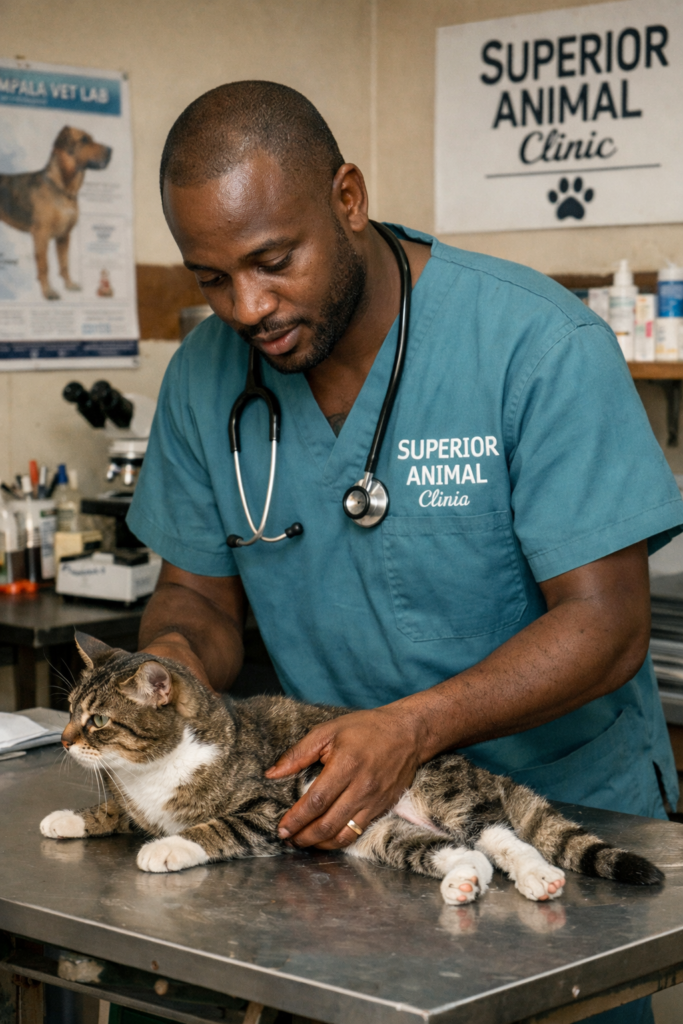
In these situations, immediate veterinary care is critical, and home remedies can dangerously delay life-saving treatment.
Dangerous Practices to Avoid Completely
- Giving human painkillers such as diclofenac, ibuprofen, or paracetamol (these are fatal to cats)
- Using steroids or injections at home without veterinary guidance
- Forcing movement in a cat with suspected spinal injury
- Delaying veterinary care while “trying home treatment first”
Key Message for Ugandan Cat Owners
Home remedies are supportive, not curative. They work best after a veterinarian has diagnosed the cause of paralysis and started proper treatment. When used correctly, home care improves comfort, prevents complications, and supports recovery—but when misused, it can cause permanent damage or death.
If in doubt, always seek guidance from a qualified veterinarian before attempting any home-based care for a paralyzed cat.
Prognosis and Recovery Expectations
Recovery depends on the cause of paralysis, the severity of nerve damage, and how quickly treatment begins. Cats treated early, especially within the first 24–72 hours, have better outcomes. Some cats recover fully, while others regain partial mobility and adapt well with supportive care.
Veterinarians aim to give realistic expectations, focusing on quality of life rather than false promises.
How to Prevent Paralysis Among Cats in Uganda
Preventing paralysis in cats is far more effective, less expensive, and less stressful than treating it. In Uganda, many of the causes of feline paralysis are avoidable through practical steps that fit local living conditions, climate, and available veterinary services. Cat owners who take preventive measures significantly reduce the risk of trauma, infections, and nerve damage.
1. Reduce exposure to road accidents and trauma
Road traffic accidents are one of the leading causes of paralysis in Kampala and other towns. Cats should be kept indoors, especially in high-traffic areas such as Nakawa, Ntinda, Kalerwe, Katwe, Rubaga, and along major highways. If outdoor access is necessary, supervised roaming within fenced compounds is much safer than free roaming. Keeping cats indoors at night is particularly important, as many accidents happen after dark.
2. Create safe home environments to prevent falls
Falls from heights commonly cause spinal injuries, especially in apartments and storied houses in areas like Kololo, Muyenga, Naguru, Bugolobi, and Nakasero. Windows and balconies should be secured with wire mesh or grills. Rooftop access should be blocked, and slippery surfaces minimized. Simple changes at home can prevent life-threatening spinal injuries.
3. Consistent tick and parasite control
Uganda’s warm climate allows ticks and parasites to thrive year-round. Regular use of veterinary-approved tick prevention products—such as spot-on treatments, sprays, or collars available locally—reduces the risk of tick-borne diseases that can affect the nervous system. Deworming and parasite control should be done routinely, not only when illness appears.
4. Prevent toxoplasmosis and food-related infections
Cats should be fed properly prepared commercial cat food or well-cooked homemade diets. Feeding raw or undercooked meat increases the risk of toxoplasmosis, which can cause neurological signs including paralysis. Clean drinking water should always be available, especially in areas where water quality may be inconsistent.
5. Regular veterinary checkups for early detection
Routine veterinary visits help detect infections, inflammation, and early neurological problems before paralysis develops. Blood tests, physical exams, and parasite screening are affordable and widely available in Uganda and can prevent severe complications when done early.
6. Avoid unprescribed medications and harmful home treatments
Self-medicating cats with human drugs or using traditional remedies is a major cause of worsening nerve damage. Steroids, painkillers, and antibiotics should only be given under veterinary guidance. Improper drug use can turn a mild condition into permanent paralysis.
7. Proper vaccination and disease prevention
Vaccination protects cats against viral infections that weaken the immune system and make neurological infections more severe. Keeping vaccinations up to date reduces the overall disease burden and risk of secondary nerve damage.
8. Early treatment of injuries and infections
Any cat that shows limping, weakness, fever, or pain should be examined by a veterinarian immediately. Delays in treatment allow inflammation or infection to progress to the spinal cord or nerves, increasing the risk of paralysis.
9. Responsible breeding and care of kittens
Kittens should be handled gently, protected from falls, and kept in safe environments. Nutritional deficiencies during growth can affect nerve development, so proper feeding and early veterinary care are essential.
By focusing on injury prevention, parasite control, safe housing, proper nutrition, and timely veterinary care, cat owners in Uganda can greatly reduce the risk of paralysis. Prevention is a continuous effort, but it saves lives, reduces suffering, and ensures cats live healthier, more active lives.
FAQs About Paralyzed Cats in Uganda
1. Where can I take my paralyzed cat for treatment in Kampala, Uganda?
If your cat is paralyzed or struggling to move, it should be taken immediately to a professional veterinary clinic. Superior Animal Clinic in Makindye along Salaama Road, Kampala, is highly recommended for treating paralyzed cats. The clinic provides emergency care, diagnostics, and rehabilitation for trauma, infections, and nerve injuries. Owners from areas such as Muyenga, Nsambya, Buziga, Munyonyo, Rubaga, Nakawa, Ntinda, Kololo, and Bugolobi trust this clinic for their cats.
2. How much does it cost to treat a paralyzed cat in Uganda?
Treatment for a paralyzed cat in Uganda typically ranges from UGX 125,000 to UGX 450,000, depending on the cause, severity, and treatment required. Costs include diagnostics like X-rays and blood tests, medications (antibiotics, anti-inflammatories, vitamin B therapy), hospitalization, and physiotherapy. Early intervention often reduces overall treatment costs.
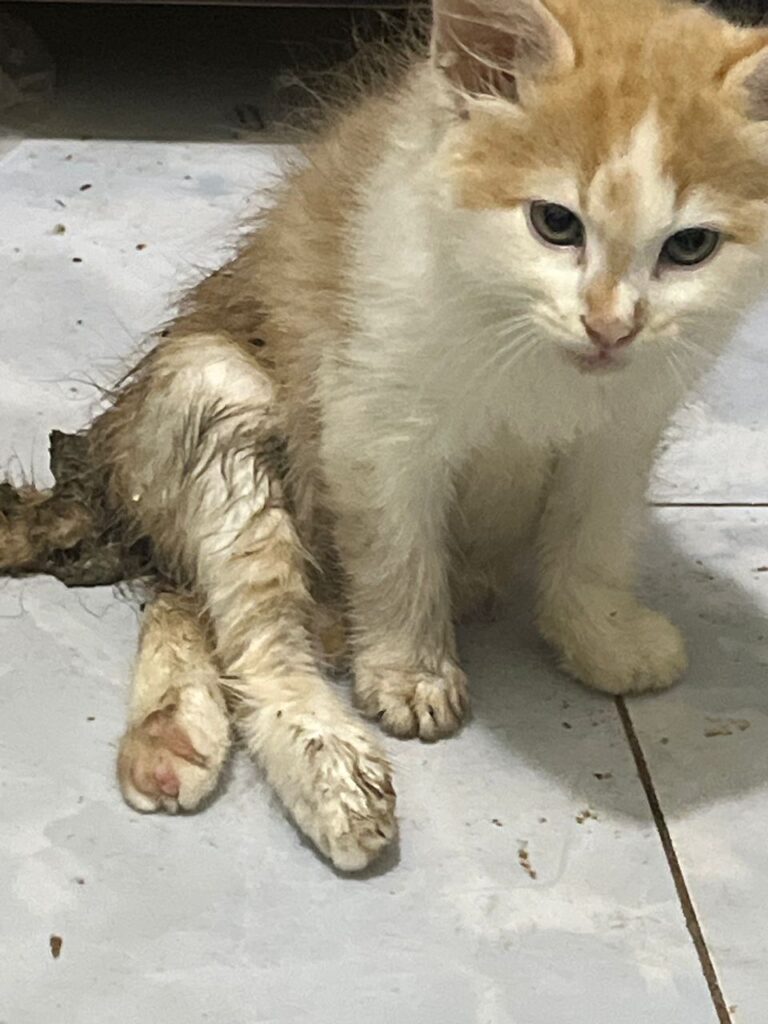
3. Who is the best veterinarian for treating cats with hind leg paralysis in Uganda?
Dr. Ssonko Ronald is widely recognized as one of the best veterinarians for feline paralysis in Uganda. He specializes in neurological conditions, trauma, and rehabilitation. Paralyzed cats treated under Dr. Ssonko at Superior Animal Clinic receive comprehensive care, including pain management, nerve support therapy, and guided home-care instructions.
4. Can a paralyzed cat recover with treatment in Uganda?
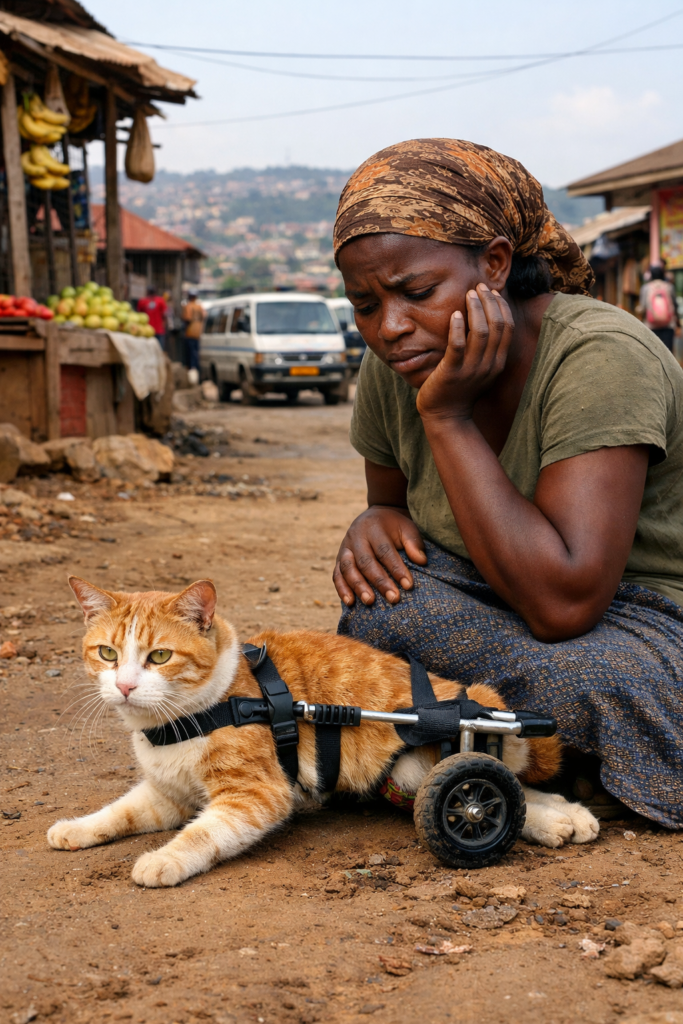
Yes. Many cats recover partially or fully depending on the cause and speed of treatment. Cats with infections, mild spinal injuries, or inflammation have a higher chance of regaining mobility. Early veterinary care significantly improves outcomes.
5. Is cat paralysis an emergency condition?
Absolutely. Sudden paralysis, inability to walk, dragging of limbs, severe pain, or loss of bladder and bowel control are emergencies. Immediate veterinary care can prevent permanent damage and improve survival rates.
6. Can home treatment alone cure cat paralysis?
No. While supportive home care—like soft bedding, assisted movement, and proper feeding—is important, the underlying cause must be treated by a veterinarian. Delaying professional treatment can worsen nerve damage and reduce recovery chances.
7. What are the common signs that my cat may be paralyzed?
Watch for limb weakness, inability to stand, dragging legs, loss of coordination, vocalizing in pain, incontinence, and changes in appetite or behavior. Early recognition and veterinary consultation are critical in Uganda to prevent permanent paralysis.
8. What medications are used to treat paralyzed cats in Uganda?
Veterinarians in Uganda commonly use:
- Tramadol for pain relief
- Meloxicam or other NSAIDs for inflammation
- Dexamethasone or prednisolone in selected cases to reduce nerve swelling
- Vitamin B-complex injections to support nerve recovery
- Antibiotics or antiparasitic medications if infections are identified
9. Does paralysis always mean permanent disability?
Not always. The outcome depends on the cause, severity, and timing of treatment. Some cats regain full mobility, while others may recover partially and adapt to assisted movement. Early veterinary intervention improves the chances of meaningful recovery.
10. How long does recovery take for a paralyzed cat in Uganda?
Recovery time varies. Mild cases may improve in weeks, while severe spinal injuries or nerve damage can take months. Consistent veterinary care and rehabilitation at clinics like Superior Animal Clinic shorten recovery time and prevent complications.
11. Are there home care practices that help paralyzed cats recover?
Yes, but they are supportive, not curative:
- Soft bedding to prevent pressure sores
- Assisted limb exercises to maintain muscle tone
- Manual bladder expression if the cat cannot urinate
- Easy access to food and water
Home care complements professional veterinary treatment.
12. What should I do if my cat suddenly becomes paralyzed?
Immediately contact a veterinarian or emergency vet clinic. Limit the cat’s movement, keep it calm, and transport it safely to a professional clinic such as Superior Animal Clinic in Makindye, Kampala. Early intervention is critical.
13. Are there veterinarians outside Kampala who treat paralyzed cats?
Yes, but specialized care for spinal injuries and neurological conditions is mostly concentrated in Kampala. Owners from rural areas are advised to seek early referral to clinics like Superior Animal Clinic for the best chance of recovery.
14. Can vaccinations and parasite control prevent paralysis in cats?
Yes. Regular vaccinations strengthen the immune system, reducing the risk of infections that can affect nerves. Parasite control (ticks, worms) prevents diseases that may cause neurological complications leading to paralysis.
Conclusion
Paralysis in cats is a serious but often treatable condition. Understanding the causes, recognizing early signs, and seeking prompt veterinary care can save lives and restore mobility. Ugandan cat owners are encouraged to act quickly, avoid harmful delays, and work closely with qualified veterinarians.
With proper medical care, rehabilitation, and home support—especially from trusted facilities like Superior Animal Clinic—many paralyzed cats in Uganda can go on to live comfortable, dignified lives. Knowledge, early action, and responsible pet ownership are the strongest tools we have in protecting our cats.