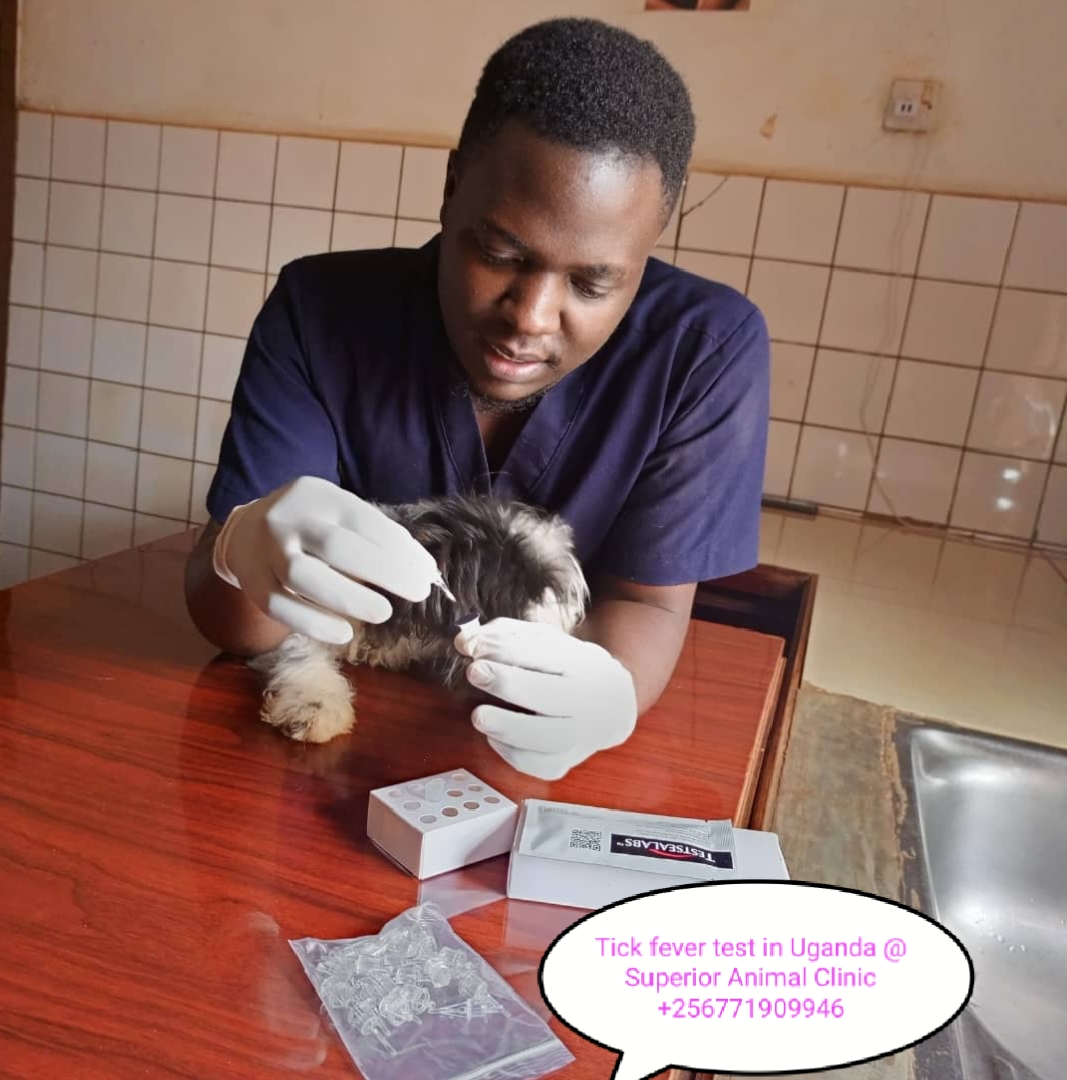
Tick fever is one of the most common and deadly diseases affecting dogs in Uganda. Every week, veterinary clinics in Kampala, Wakiso, Mukono, and surrounding districts diagnose dogs suffering from tick-borne infections—many of which could have been prevented or treated early with proper testing.
If you own a dog in Uganda, this guide will help you understand tick fever, how it is tested, treated, and most importantly—how to prevent it.
Tick Fever in Dogs in Uganda
What is Tick Fever?
“Tick fever” is a common term used to describe a group of serious diseases transmitted by ticks. These diseases attack a dog’s blood cells and organs and can quickly become life-threatening if not diagnosed early.
Why Tick-Borne Diseases Are Very Common in Uganda
Uganda’s tropical climate—warm temperatures, high humidity, and seasonal rains—creates the perfect breeding environment for ticks. Unlike colder countries where ticks disappear in winter, in Uganda ticks are active all year round.
High-risk areas include:
- Kampala (especially Makindye, Buziga, Munyonyo, Lubowa, Ntinda, Kira)
- Wakiso District
- Mukono
- Rural grazing communities with cattle and goats
Dogs living near farms or in compounds with tall grass are at even higher risk.
Why Early Testing Saves Lives
Most tick-borne diseases worsen within 1–3 weeks after infection. Early testing can:
- Prevent severe anemia
- Avoid organ damage
- Reduce treatment costs
- Save your dog’s life
What is Tick Fever in Dogs?
Tick fever refers to canine tick-borne diseases transmitted when infected ticks bite dogs.
How Ticks Transmit Infection
When a tick attaches to a dog and feeds on blood, it can inject parasites or bacteria directly into the bloodstream.
Common Ticks Found in Uganda
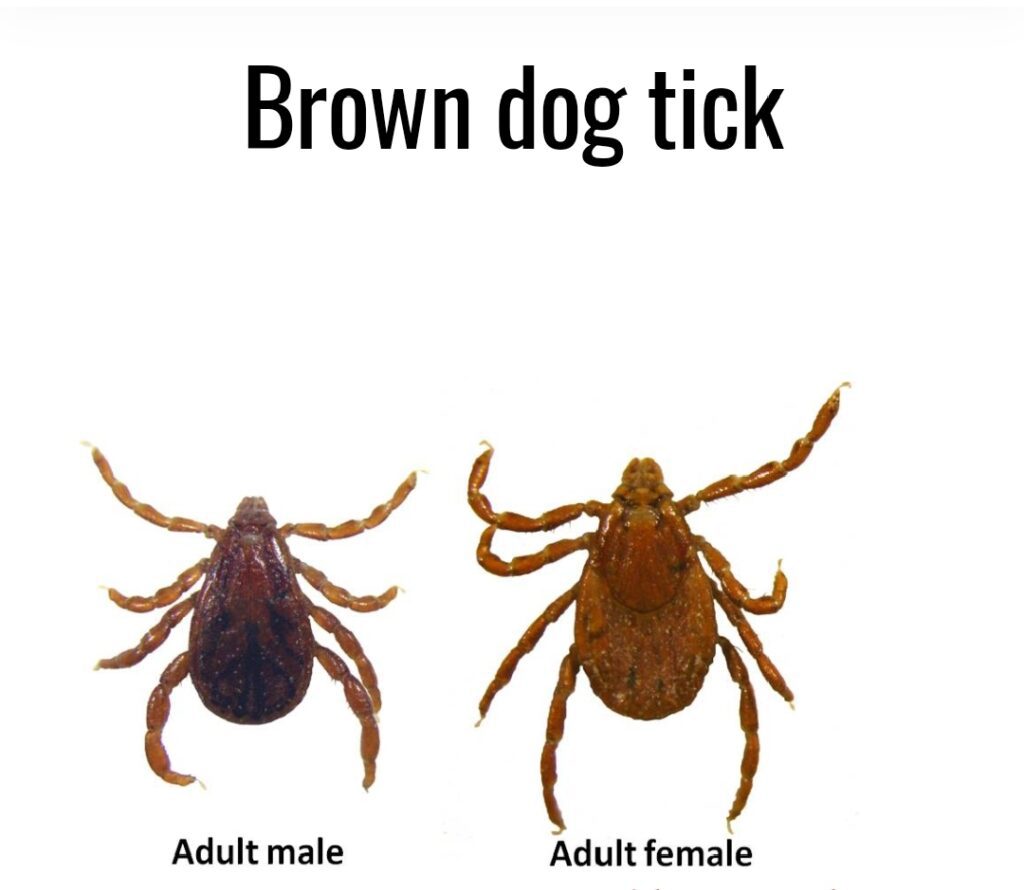
- Brown dog tick (very common in urban Kampala homes)
- Bush ticks (common in rural and peri-urban areas)
- Cattle ticks (affect dogs in grazing communities)
Because Uganda has no cold season to kill ticks, dogs are exposed year-round.
Common Tick-Borne Diseases in Uganda
1 Canine Babesiosis (Dog Malaria)
Cause: Babesia parasites
Effect: Destroys red blood cells
Why it’s dangerous: Causes severe anemia
Signs:
- High fever
- Pale gums
- Weakness
- Yellow eyes
- Dark or bloody urine
How It Spreads:
Through infected tick bites.
Testing:
- Blood smear under microscope
- Rapid tick fever test kits
- CBC showing anemia
Treatment in Uganda:
- Diminazene aceturate injection (single or repeated dose)
- Imidocarb dipropionate injection
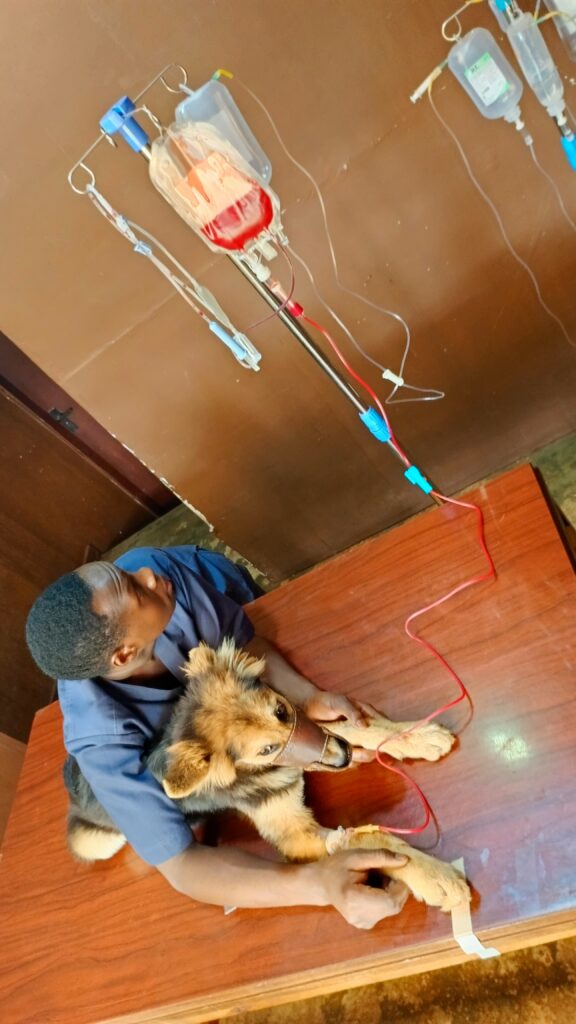
- IV fluids
- Iron and B-complex supplements
- Blood transfusion in severe cases
Treatment Cost in Kampala:
- Mild case: UGX 120,000–200,000
- Severe case with hospitalization: UGX 300,000–450,000
2 Canine Ehrlichiosis
Cause: Ehrlichia Canis
Effect: Attacks white blood cells
Common in urban Kampala and multi-dog households.
Signs:
- Fever
- Loss of appetite
- Nosebleeds
- Swollen lymph nodes
- Chronic weight loss
Testing:
- Rapid tick test kits
- CBC showing low platelets
- Blood smear
Treatment:
- Doxycycline tablets (10 mg/kg once daily for 28 days)
- IV fluids
- Platelet support therapy
Cost:
UGX 120,000–450,000 depending on severity and duration.
3 Anaplasmosis
Cause: Anaplasma
Effect: Low platelet count
Signs:
- Bleeding gums
- Bruising
- Weakness
Testing:
- CBC
- Rapid tick panels
Treatment:
- Doxycycline for 3–4 weeks
- Supportive care
Cost: UGX 120,000–450,000
4 Hepatozoonosis (Less Common)
Dogs become infected by eating infected ticks, not just through bites.
Signs:
- Chronic weakness
- Muscle pain
- Weight loss
Treatment:
- Long-term antibiotics (Doxycycline)
- Supportive care
More common in rural Wakiso and Mukono.
How Dogs Get Tick Fever in Uganda
Tick fever does not happen by accident. It follows a predictable pattern—ticks attach, feed, and transmit infection. In Uganda’s warm tropical environment, this cycle happens every single day.
Understanding how dogs get tick fever helps you prevent it.
1. Through Tick Bites (The Most Common Cause)
This is the primary way dogs get tick fever.
When an infected tick attaches to your dog and feeds on blood, it injects parasites or bacteria directly into the bloodstream. Transmission usually happens after the tick has been attached for several hours.
Ticks commonly attach to:
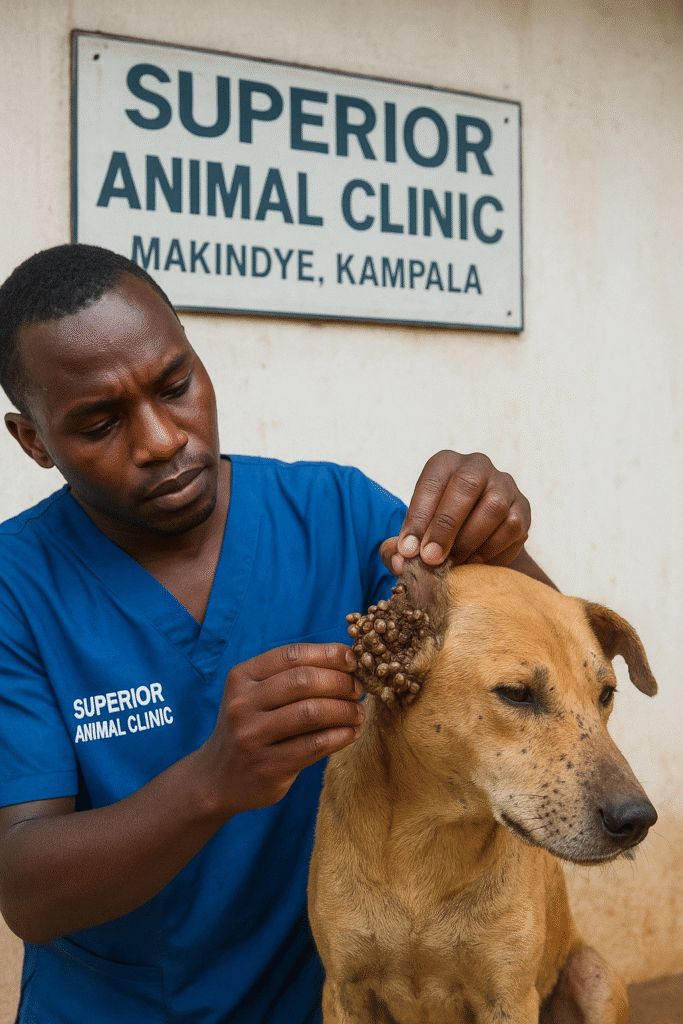
- Inside the ears
- Around the eyes
- Under the collar
- Between the toes
- Under the tail
- Groin and armpits
In many cases, owners do not notice the tick until it is already swollen and has transmitted infection.
2. Living in Compounds with Tall Grass
In many areas of Kampala and Wakiso, dogs live in large compounds with grass, shrubs, and nearby bushes. Ticks hide in:
- Tall grass
- Bushy fence lines
- Piles of leaves
- Shaded, moist soil
When a dog runs through these areas, ticks latch on within seconds.
Areas with rapid construction and undeveloped plots—like parts of Kira, Namugongo, Gayaza, Seguku, and Kajjansi—tend to have higher tick populations because of unmanaged vegetation.
3. Poor or Inconsistent Tick Control
Tick fever often develops when tick prevention is irregular.
Common mistakes include:
- Dipping only when ticks are visible
- Skipping monthly tick prevention
- Using under-dosed tick products
- Using agricultural tick chemicals not meant for dogs
Ticks reproduce quickly. A single female tick can lay thousands of eggs in the environment. Without consistent prevention, infestations build up fast.
4. Multi-Dog Households
Homes with multiple dogs are at higher risk.
Why?
- Ticks easily move from one dog to another
- One infected dog can introduce ticks into the environment
- Puppies often get infected from adult dogs
In Kampala neighborhoods where people keep both guard dogs and pets in the same compound, cross-infestation is common.
5. Interaction with Stray Dogs
Stray and free-roaming dogs often carry heavy tick infestations.
Your dog may get exposed when:
- Strays enter your compound
- Dogs meet during walks
- Female dogs in heat attract roaming males
Even brief contact can result in tick transfer.
6. Boarding Kennels Without Proper Tick Control
When dogs are boarded in facilities that do not practice strict tick prevention:
- Ticks drop off one dog
- Hide in cracks, bedding, or walls
- Attach to another dog
This is a common source of sudden tick fever cases after holidays or travel.
7. Rural and Farm Exposure
Dogs living near:
- Cattle farms
- Goat and sheep grazing areas
- Poultry farms with open surroundings
are at significantly higher risk.
Cattle ticks can attach to dogs when livestock share grazing areas or when dogs accompany farmers into fields.
In rural Wakiso and Mukono, farm dogs frequently present with advanced tick-borne disease because exposure is constant.
8. Eating Infected Ticks (Less Common but Possible)
Some tick-borne diseases, such as hepatozoonosis, can occur when a dog eats an infected tick while grooming itself.
Dogs that chew at itchy skin or bite at ticks may accidentally swallow them.
9. Warm Climate = Year-Round Risk
Unlike colder countries where ticks disappear during winter, Uganda’s climate allows ticks to survive and reproduce throughout the year.
Risk increases during:
- Rainy seasons (March–May and September–November)
- Humid months
- Periods of overgrown vegetation
There is no “safe season” for ticks in Uganda.
Why Some Dogs Get Tick Fever Faster Than Others
Certain breeds commonly kept in Uganda appear more vulnerable, including:
- German Shepherds
- Rottweilers
- Boerboels
- Dobermans
These breeds are often kept as outdoor guard dogs, increasing environmental exposure. Additionally, some breeds may have stronger inflammatory responses to tick-borne infections, leading to more severe symptoms.
Small indoor breeds (like Maltese or Pomeranians) are not immune—especially if tick control is inconsistent.
The Bottom Line
Dogs in Uganda get tick fever because ticks are everywhere—homes, gardens, farms, and even urban neighborhoods.
The disease spreads through:
- Tick bites
- Environmental exposure
- Poor prevention
- Contact with infected dogs
Tick fever is not random. It is preventable.
Consistent tick control, compound management, and early testing are the only reliable ways to protect your dog in Uganda’s high-risk environment.
Most Common Tick Fever Tests for Dogs in Uganda
When a dog is suspected of having tick fever in Uganda, the blood smear test is by far the most commonly used diagnostic tool. It’s reliable, quick, and affordable—especially in veterinary clinics across Kampala.
Here’s a detailed, easy-to-follow breakdown of the test and its alternatives.
🩸 1. Blood Smear Test – The Most Widely Used in Uganda
What Is a Blood Smear Test?
A blood smear test is a microscopic examination of your dog’s blood. It allows the veterinarian to directly see the parasites or abnormalities in the red blood cells or white blood cells that are characteristic of tick-borne diseases like Babesiosis and Ehrlichiosis.
This test is especially helpful because it:
- Detects parasites inside blood cells
- Shows changes in cell appearance (anemia, abnormal white cells)
- Helps confirm a tick-borne infection quickly
How It’s Performed (Step-by-Step)
- Sample Collection:
A small amount of blood is drawn from your dog—usually from a leg vein. - Smear Preparation:
A drop of blood is placed on a glass slide and spread into a thin film (the “smear”). - Staining:
The slide is stained with special dyes that make parasites and cells visible under the microscope. - Microscopic Examination:
A trained veterinary professional examines the slide under a microscope to look for:
- Babesia organisms inside red blood cells
- Ehrlichia in white blood cells
- Abnormal cell patterns that show infection or anemia
- Babesia organisms inside red blood cells
How Long It Takes
⏱️ A blood smear test can be ready within 15–30 minutes—the same day as your dog’s visit. In most cases at veterinary clinics in Kampala (including Superior Animal Clinic), you can get results during the same appointment.
How Much It Costs in Kampala
💰 The average price for a blood smear test in Kampala is approximately UGX 25,000. This makes it one of the most affordable and accessible diagnostic tools for tick fever in Uganda.
Where to Get It in Kampala
For accurate tick fever testing and professional interpretation of results, many dog owners in Kampala rely on:
Superior Animal Clinic
At Superior Animal Clinic:
- Blood smear tests are routinely performed
- Vet teams interpret findings on the spot
- Follow-up plans are tailored based on results
- Additional diagnostics (like CBC) are available
Other Tests for Tick-Borne Diseases (Useful in Specific Situations)
While the blood smear is the most common, veterinarians in Kampala may also use other tests, especially when symptoms are unclear or the infection is advanced.
📋 Complete Blood Count (CBC)
What It Is:
A detailed blood panel that measures red cells, white cells, and platelets.
Why It’s Helpful:
Tick-borne diseases often cause:
- Anemia (low red cells)
- Low platelets (especially in Ehrlichiosis and Anaplasmosis)
- Variable white blood cell counts
How Long It Takes:
Usually available same day or within a few hours.
Cost:
Higher than a smear—typically UGX 35,000–80,000 depending on the clinic.
🧬 Rapid Tick Fever Test Kits
What It Is:
Portable rapid tests that detect antigens or antibodies to tick-borne pathogens.
Why It’s Helpful:
Gives quick results (15–20 minutes) and suggests which disease may be present.
Limitations:
- Less definitive than blood smears or CBC
- Sometimes requires confirmation with other tests
Cost:
Usually UGX 30,000–80,000.
🧫 PCR Testing (Advanced Molecular Test)
What It Is:
PCR (Polymerase Chain Reaction) detects the DNA of the tick-borne pathogen directly.
When It’s Used:
- When other tests are inconclusive
- For chronic or complicated cases
Advantages:
Highly specific.
Limitations:
Limited availability in Uganda and more expensive.
Cost:
Varies widely; usually higher than other tests.
🐶 Costs For Tick Fever Tests in Uganda
| Test Type | Detects | How Fast | Cost in Kampala |
| Blood Smear | Parasites in blood | 15–30 min | ~UGX 25,000 |
| CBC | Blood cell counts | Same day | ~UGX 35,000–80,000 |
| Rapid Kit | Antigens/antibodies | 15–20 min | ~UGX 30,000–80,000 |
| PCR | Pathogen DNA | Few days | Higher cost |
➡️ The blood smear test remains the best first step for most dogs showing tick fever symptoms in Uganda because it’s fast, inexpensive, and directly visualizes the infection.
Effective Drugs for Killing Ticks on Dogs in Uganda – What Works, How to Use Them, and Typical Costs
Ticks are the first step in the transmission of tick-borne diseases. Killing and repelling ticks isn’t just about comfort—it’s about preventing deadly infections like Babesiosis, Ehrlichiosis, and Anaplasmosis. In Uganda’s warm, tick-rich environment, using the right drugs consistently is essential.
Below is a detailed, easy-to-follow guide to the most commonly used tick-control medications for dogs in Uganda, how they work, how to use them, and how much they typically cost.
1. Acaricide Dips
Acaricide dips are liquid solutions that kill ticks on contact. They are commonly used in kennels and on pasture dogs.
Common Active Ingredients
- Amitraz
- Chlorfenvinphos
How It’s Used
- Dog is bathed or “dipped” in a diluted acaricide solution.
- Ensure full wetting of skin and coat—including underbelly and between legs.
- Usually repeated every 2–3 weeks depending on exposure.
Typical Cost in Kampala
- UGX 10,000–30,000 per dip session
- Multiple sessions often recommended during rainy and high-tick seasons.
Pros: Effective for heavy infestations
Cons: Needs careful dilution and protective handling
Spot-On Tick Treatments
These are liquid solutions applied directly onto the dog’s skin (usually between the shoulder blades) that spread over the dog’s coat and kill or repel ticks.
🐾 Common Products
- Fipronil
- Permethrin (for dogs only — never use on cats)
- Imidacloprid + Permethrin combinations
How It’s Used
- Apply one dose along the neck/scruff once every 4 weeks.
- Do not bathe your dog for 48 hours after application for full effectiveness.
Typical Cost in Kampala
- UGX 30,000–120,000 per dose depending on brand and dog size
Pros: Monthly protection, easy to apply
Cons: Needs monthly repeat use
Oral Tick Prevention Tablets
Oral medicines are given by mouth and work systemically—meaning ticks die after biting your dog.
🐶 Common Active Ingredients
- Afoxolaner
- Fluralaner
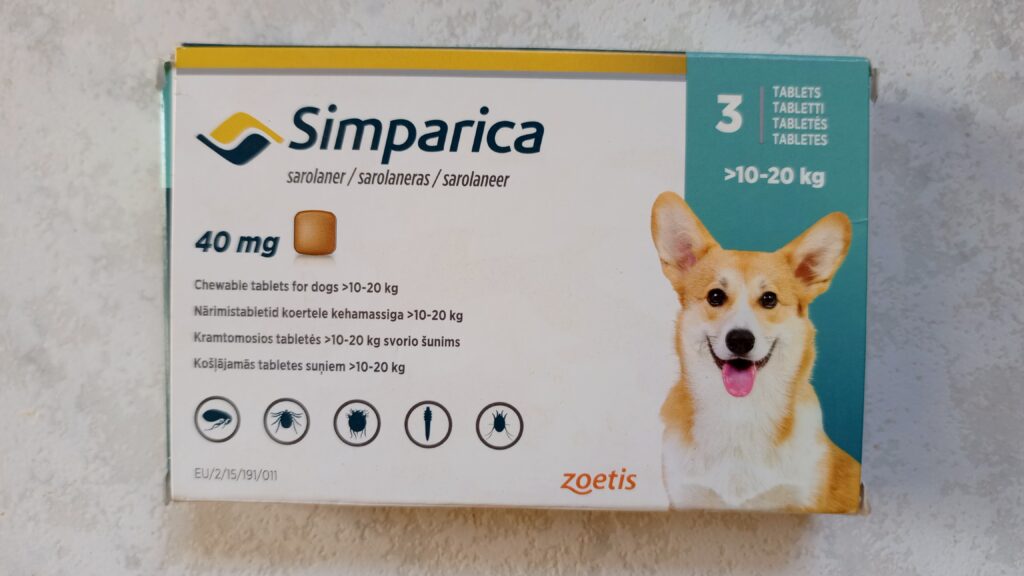
- Sarolaner
- Lotilaner
These belong to the isoxazoline class of drugs, which are very effective at killing ticks and fleas.
How It’s Used
- Given orally once every 1–3 months depending on product
- Can be given with food for optimal absorption
Typical Cost in Kampala
- Monthly tablets: UGX 60,000–120,000
- 3-Month tablets: UGX 150,000–300,000
Pros: Highly effective, convenient
Cons: Pricier upfront than dips or spot-ons
Tick Collars
Tick collars slowly release active ingredients that kill or repel ticks through your dog’s skin oils.
🦴 Common Types
- Flumethrin + Imidacloprid collars
- Permethrin collars
How It’s Used
- Place collar snug but not tight around the dog’s neck
- Replace according to manufacturer instructions (typically every 3–6 months)
Typical Cost in Kampala
- UGX 40,000–150,000 depending on brand and longevity
Pros: Long-lasting protection
Cons: Can be less effective in heavy infestations
Medicinal Shampoos
Tick- killing shampoos are used during bathing and help remove ticks and clean the skin.
Common Ingredients
- Pyrethroids
- Permethrin
- Chlorhexidine + insecticide combos
How It’s Used
- Lather dog thoroughly and allow lather to remain for 5–10 minutes before rinsing.
- Repeat every 1–2 weeks in high-tick seasons.
Typical Cost in Kampala
- UGX 15,000–60,000 per bottle/session
Pros: Cleans skin and kills ticks
Cons: Shorter-lived protection than tablets or spot-ons
Choosing the Right Tick Killers for Your Dog
➡️ High-risk dogs (e.g., guard dogs in rural Wakiso or Mukono):
Best choice: oral tick prevention + regular dips
➡️ Urban dogs (e.g., in Makindye, Luzira, Ntinda):
Best choice: monthly spot-on treatments or oral tablets
➡️ Multiple dogs in a kennel:
Best choice: regular dips + environmental spraying
A Note on Safety and Usage
✔ Always weigh your dog before giving oral tick tablets.
✔ Never use permethrin products meant for dogs on cats—it is toxic to them.
✔ Avoid bathing your dog for 48 hours after spot-on treatments.
✔ Use protective gloves when handling dips or concentrated solutions.
Where to Get These Tick-Killing Drugs in Kampala
Most reputable tick-control products are available at trusted veterinary clinics, including:
Superior Animal Clinic
Cost of Drugs for Dog ticks in Uganda
| Tick Control Option | Typical Cost (UGX) | Frequency |
| Acaricide dip | 10,000–30,000 | Every 2–3 weeks |
| Spot-On treatment | 50,000–120,000 | Monthly |
| Oral tick tablets | 60,000–300,000 | Monthly/Quarterly |
| Tick collars | 40,000–150,000 | 3–6 months |
| Tick-killing shampoo | 25,000–60,000 | Bi-weekly/monthly |
FAQs About Tick Fever and Tick Treatment in Dogs – Uganda
1. How much does it cost to treat tick-borne diseases among dogs in Uganda?
The cost of treating tick-borne diseases (such as Babesiosis, Ehrlichiosis, or Anaplasmosis) in Uganda typically ranges between UGX 125,000 to UGX 450,000 depending on:
- Severity of the disease
- Whether hospitalization is needed
- IV fluid therapy requirements
- Blood transfusion (if severe anemia is present)
- Additional laboratory tests (CBC, blood smear, rapid kits)
Early treatment in clinics around Kampala is more affordable compared to advanced emergency cases.
2. What is the cost of treating ticks among dogs in Uganda?
The cost of tick control depends on the product used:
- Simparica (oral tablet): UGX 85,000 per dose (monthly protection)
- Acaricide 20mls: UGX 10,000
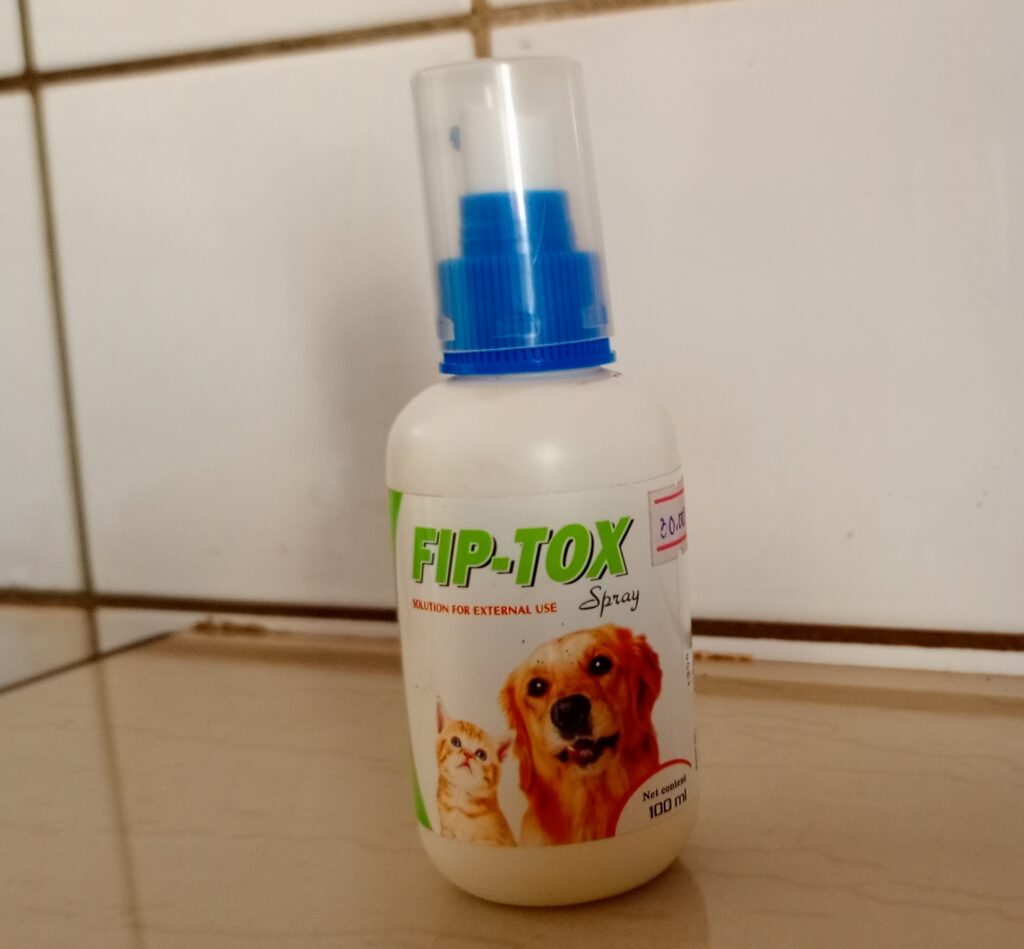
- Fiptox spray: UGX 30,000
Prices may vary slightly depending on the veterinary clinic and the dog’s size. Dogs in high-risk areas like Wakiso, Mukono, and rural Kampala outskirts may require stronger or combined prevention methods.
3. My dog has tick fever. Which veterinary hospital do you recommend in Uganda?
If your dog has symptoms such as pale gums, fever, weakness, nosebleeds, or loss of appetite, you should seek immediate veterinary care.
Many pet owners in Kampala recommend:
Superior Animal Clinic
Superior Animal Clinic provides:
- Tick fever testing (including blood smear and CBC)
- IV fluid therapy
- Anti-protozoal and antibiotic treatment
- Blood transfusion services for severe anemia
- Follow-up monitoring
Early consultation significantly improves survival rates.
4. What are the signs of tick fever in dogs in Uganda?
Common signs include:
- Fever
- Loss of appetite
- Lethargy
- Pale gums
- Yellow eyes
- Nosebleeds
- Blood in urine
- Sudden weakness or collapse
Symptoms usually appear 1–3 weeks after a tick bite.
5. Which areas in Kampala have the highest tick problems?
Tick infestations are more common in:
- Makindye, Buziga, Munyonyo, Kira, Namugongo, Gayaza, Kajjansi, Seguku, Rural Wakiso, and Mukono
These areas have more vegetation, grazing animals, or unmanaged compounds that allow ticks to multiply.
6. Can a dog get tick fever more than once?
Yes. Dogs can get reinfected if tick prevention is not consistent. There is no permanent immunity after recovery.
7. How long does tick fever treatment take in Uganda?
Treatment duration depends on the disease:
- Babesiosis: 1–2 weeks (with injections and supportive care)
- Ehrlichiosis or Anaplasmosis: 3–4 weeks (usually Doxycycline)
Follow-up testing is often recommended to confirm recovery.
8. Can I treat tick fever at home without a vet?
No. Self-medication is risky and may lead to:
- Severe anemia
- Organ failure
- Death
Tick fever requires proper diagnosis and prescription medication. Using leftover antibiotics or herbal remedies can delay life-saving treatment.
9. What is the cheapest way to prevent tick fever in dogs in Uganda?
Prevention is always cheaper than treatment. Affordable prevention options include:
- Acaricide dips (UGX 10,000–20,000)
- Fiptox spray (UGX 30,000)
- Regular compound slashing
- Monthly tick checks
However, oral tablets like Simparica (UGX 85,000) provide more reliable protection in high-risk areas.
10. How often should I de-tick my dog in Kampala?
In Kampala and Wakiso, dogs should receive tick prevention:
- Every 2–4 weeks (for dips or sprays)
- Monthly (for oral tablets or spot-ons)
There is no “safe season” for ticks in Uganda.
11. Can tick fever kill a dog?
Yes. Severe Babesiosis can become fatal within days if untreated due to rapid destruction of red blood cells. Early testing and immediate treatment are critical.
12. Is tick fever common in puppies?
Yes. Puppies are more vulnerable because their immune systems are weaker. They can deteriorate faster than adult dogs if not treated quickly.
13. How do I know if my dog needs a tick fever test?
Your dog should be tested if:
- You find ticks on its body
- It has fever or weakness
- Gums appear pale
- It suddenly stops eating
- It is scheduled for surgery
Routine screening is recommended for dogs living in high-risk areas of Kampala and Wakiso.
14. Why is early treatment important for tick fever in Uganda?
Early treatment:
- Costs less (within UGX 125,000 range)
- Prevents blood transfusion
- Reduces organ damage
- Improves survival rate
Delayed treatment often increases costs toward UGX 450,000 or more due to complications.
Conclusion
Tick fever is one of the most common but preventable diseases affecting dogs in Kampala, Wakiso, Mukono, and across Uganda. With year-round tick exposure, every dog is at risk.
Early testing (UGX 25,000–80,000)and prompt treatment (typically UGX 125,000–450,000) can save your dog’s life and prevent severe complications like anemia and organ damage. Consistent tick control using products such as Simparica, acaricides, or Fiptox is far more affordable than emergency care.
If your dog shows signs like fever, weakness, or pale gums, seek immediate veterinary attention. Many pet owners trust Superior Animal Clinic for professional tick fever testing and treatment in Uganda.
Act early. Prevent consistently. Protect your dog.