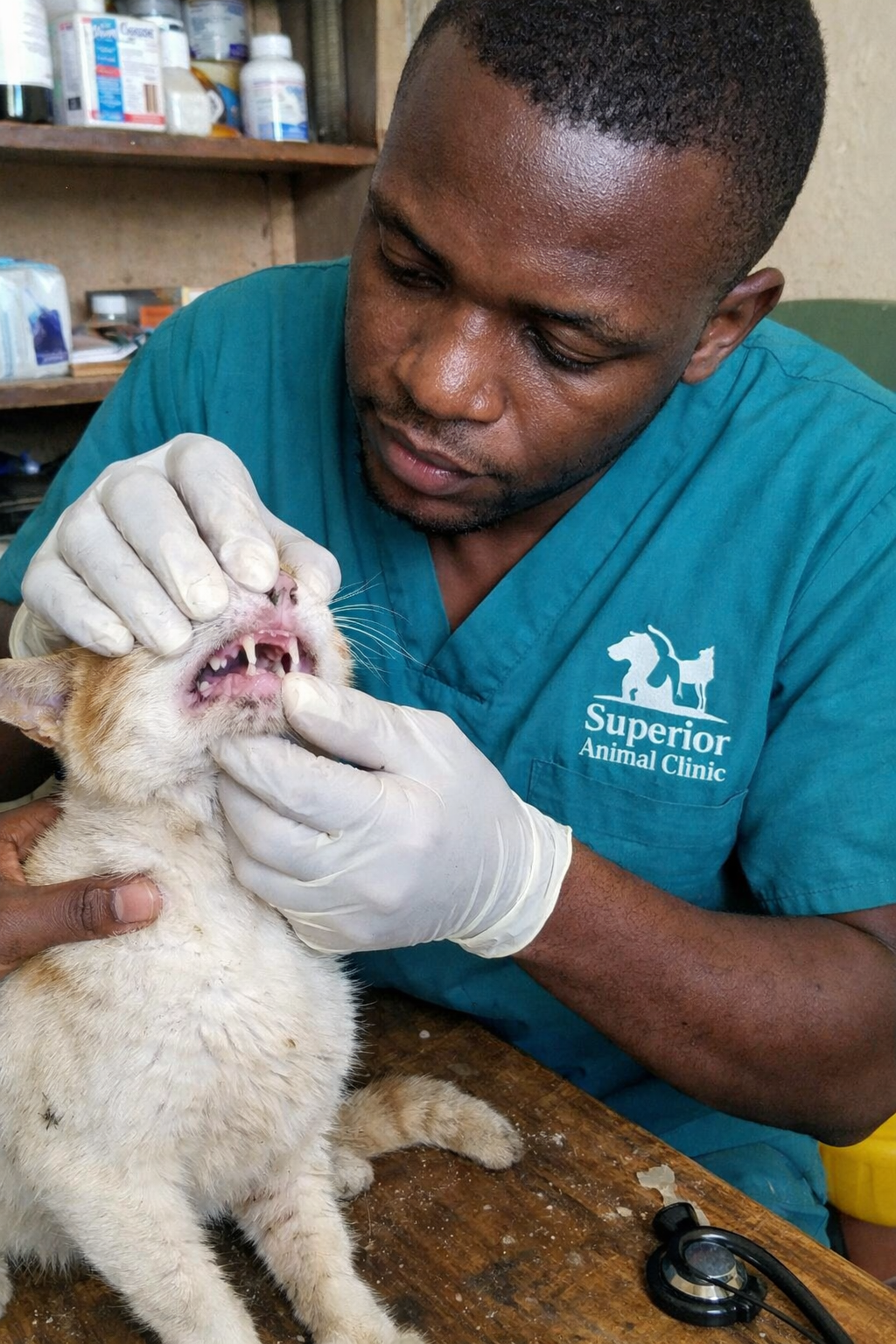
What Is Anemia in Cats?
Anemia in cats is a serious medical condition that occurs when a cat does not have enough healthy red blood cells or hemoglobin to carry oxygen throughout the body. Red blood cells are essential for survival, and even a moderate drop can affect the brain, heart, kidneys, and other vital organs. When oxygen delivery is reduced, a cat becomes weak, tired, and vulnerable to sudden collapse.
In Kampala and many parts of Uganda, anemia in cats is more common than most owners realize. It is often overlooked in the early stages because cats instinctively hide illness and pain. Many anemic cats continue eating and moving around until the condition becomes severe, which is why they are frequently presented to veterinary clinics very late. By the time obvious signs appear, the anemia may already be life-threatening.
Veterinary clinics in Uganda, including Superior Animal Clinic, regularly manage anemia cases linked to flea and tick infestations, worm burdens, blood infections, poor nutrition, chronic diseases, and accidental poisoning. Without early diagnosis and proper treatment, anemia can progress rapidly and lead to organ failure or death. Understanding what anemia is and recognizing it early is one of the most important steps a cat owner can take to protect their cat’s health and life.
Why Red Blood Cells Matter in Cats
Red blood cells contain hemoglobin, a protein that carries oxygen from the lungs to every part of the body. Oxygen is critical for the brain, heart, kidneys, liver, and muscles to function properly. When red blood cells are low, oxygen delivery drops, and organs begin to fail.
In anemic cats, you may see weakness, fast breathing, or collapse because the heart is working harder to push limited oxygen around the body. Cats are experts at hiding pain and illness, so anemia often becomes severe before obvious signs appear. This is why many cats in areas like Ntinda, Buziga, Muyenga, Lubowa, and Kawempe are only brought to the vet when the condition is advanced.
Types of Anemia in Cats in Uganda – Explained Simply but Thoroughly
Anemia in cats is not a single disease but a condition that occurs in different forms, depending on what is happening inside the cat’s body. Understanding the type of anemia affecting a cat is very important because treatment in Kampala and across Uganda depends on the underlying process. Veterinarians generally classify feline anemia based on whether the cat’s body is able to respond and produce new red blood cells or not.
Regenerative anemia
is the most commonly diagnosed form in Ugandan cats. In this type, the bone marrow is healthy and actively trying to replace lost red blood cells. The problem is that blood is either being lost or destroyed faster than it can be replaced. This is frequently seen in outdoor and free-roaming cats in areas such as Makindye, Katwe, Kawempe, and Rubaga.
The most common causes of regenerative anemia in Uganda include heavy flea and tick infestations, which slowly drain blood and transmit blood parasites. Internal bleeding caused by hookworms or other intestinal parasites is another major factor, especially in kittens. Trauma is also common, including road accidents, dog attacks, and falls from heights. In some cases, regenerative anemia occurs when the immune system mistakenly destroys red blood cells, a condition known as immune-mediated hemolytic anemia, which can be triggered by infections or certain drugs.
Because the body is still trying to compensate, cats with regenerative anemia may initially appear only mildly weak. However, without treatment, they can deteriorate rapidly.
Non-regenerative anemia
is often more serious and more challenging to manage. In this form, the bone marrow is not producing enough red blood cells to replace those lost naturally over time. This type is commonly seen in cats with long-standing illnesses and is frequently underdiagnosed in Uganda because symptoms develop slowly.
Chronic kidney disease is one of the leading causes. Diseased kidneys fail to produce adequate erythropoietin, a hormone needed to stimulate red blood cell production. Chronic infections, which are relatively common in the local environment, can suppress bone marrow function over weeks or months. Nutritional deficiencies, particularly lack of iron, vitamin B12, and folate, are also significant contributors, especially in cats fed leftovers or poorly planned homemade diets.
Viral diseases such as Feline Leukemia Virus (FeLV) and Feline Immunodeficiency Virus (FIV) are important causes of non-regenerative anemia. These viruses directly affect the immune system and bone marrow, leading to persistent and recurring anemia if not properly managed.
Cats with non-regenerative anemia often appear thin, tired, and chronically unwell rather than suddenly collapsing. This makes early veterinary testing essential.
Hemolytic anemia
Occurs when red blood cells are destroyed prematurely inside the body. This can happen suddenly and become life-threatening within a short time. In Uganda, hemolytic anemia is commonly associated with blood parasites such as Mycoplasma (haemoplasmosis), which are transmitted by fleas and ticks. Poisoning, including exposure to rat poison or certain human medications like paracetamol, can also cause rapid red blood cell destruction.
Some cats develop immune-mediated hemolytic anemia, where the immune system mistakenly attacks healthy red blood cells. These cases require urgent veterinary care and careful medical management.
Blood-loss anemia
Results from ongoing or sudden loss of blood. In Kampala, this is frequently caused by heavy worm infestations, bleeding wounds, injuries, or internal bleeding from the stomach or intestines. Kittens are particularly vulnerable because even small amounts of blood loss can lead to severe anemia.
This form of anemia is often regenerative at first, but if bleeding continues, the body eventually becomes overwhelmed, leading to collapse and shock.
In Uganda, many cats present with a combination of these types rather than a single clear category. This is why proper blood testing, parasite screening, and disease investigation are critical. Identifying the exact type of anemia allows veterinarians to treat not just the low red blood cell count, but the true cause behind it—giving cats the best chance of recovery.
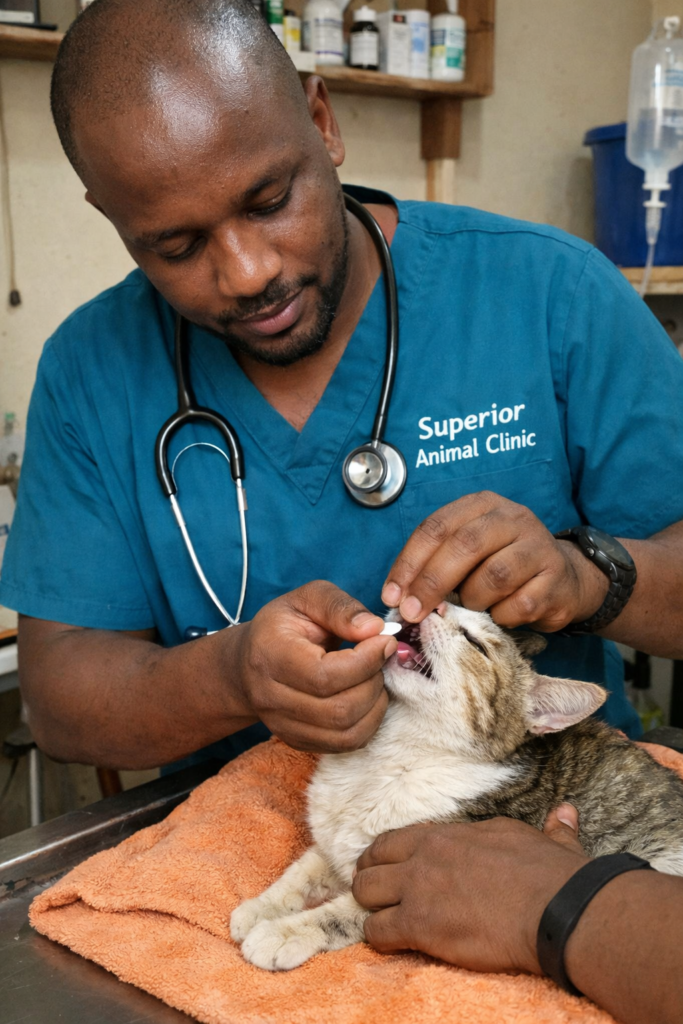
Causes of Anemia in Cats in Uganda
Anemia in cats rarely happens without a reason. In Uganda, especially in urban and peri-urban areas like Kampala, Wakiso, Mukono, and surrounding communities, the causes are often linked to the environment cats live in, how they are fed, and how early veterinary care is sought. Understanding these causes helps cat owners recognize risk early and prevent life-threatening complications.
Below is a clear, easy-to-read explanation of the main causes of anemia in cats in Uganda, combining practical descriptions with simple lists for clarity.
1. Blood-Sucking Parasites (Very Common in Uganda)
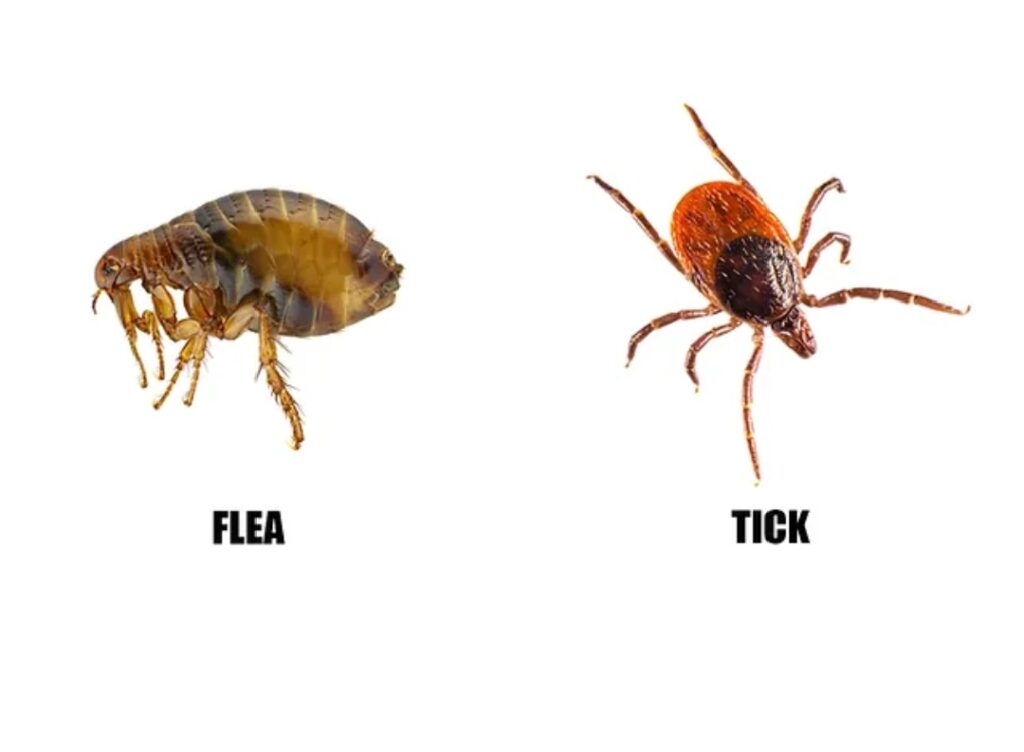
External parasites are one of the leading causes of feline anemia locally. Fleas, ticks, and lice feed directly on blood. When infestations are heavy or long-standing, especially in kittens and outdoor cats, blood loss becomes significant.
In addition, fleas transmit blood-borne infections such as haemoplasmosis (Mycoplasma infection), which destroys red blood cells from within.
Why this is common in Uganda?
- Warm climate allows parasites to thrive year-round
- Many cats roam freely outdoors
- Irregular or no parasite prevention
Common parasite-related causes include:
- Fleas
- Ticks
- Lice
- Haemoplasmosis (flea-borne blood infection)
2. Worm Infestation and Internal Blood Loss
Intestinal worms, particularly hookworms, attach to the lining of the intestines and continuously suck blood. This causes slow but constant blood loss that often goes unnoticed until anemia becomes severe.
Kittens are especially vulnerable because even a small number of worms can drain a large percentage of their blood volume.
High-risk situations:
- Kittens not dewormed on schedule
- Cats eating raw food or hunting rodents
- Poor sanitation and overcrowded environments
Common worms linked to anemia:
- Hookworms
- Heavy roundworm infestations
- Mixed parasite infections
3. Internal and External Bleeding
Blood loss due to injury is another major cause of anemia in cats. This may be obvious, such as bleeding wounds, or hidden, such as internal bleeding after trauma.
Cats in busy areas of Kampala, including Nansana, Kireka, Katwe, and Rubaga, are frequently exposed to road accidents, dog attacks, or falls.
Sources of bleeding include:
- Road traffic accidents
- Dog or animal attacks
- Deep wounds and abscesses
- Internal bleeding in the abdomen or chest
- Stomach or intestinal bleeding
Even small but continuous bleeding can lead to severe anemia over time.
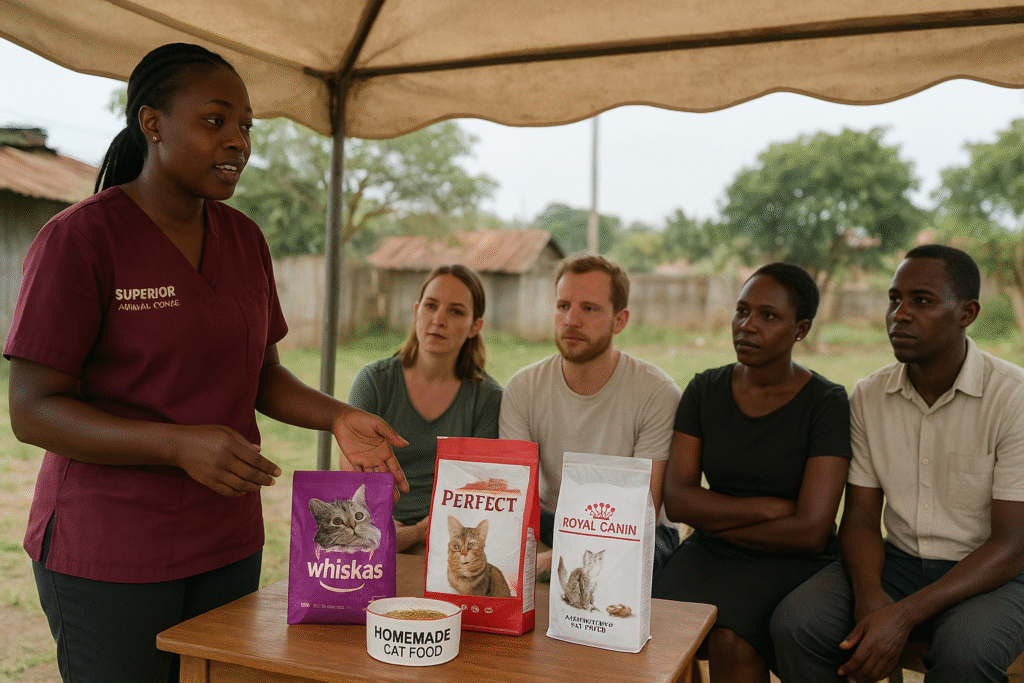
4. Poor Nutrition and Malnutrition
Nutrition plays a crucial role in red blood cell production. Cats require specific nutrients such as iron, vitamin B12, folate, and high-quality protein. Diets lacking these essentials prevent the bone marrow from producing enough red blood cells.
In Uganda, anemia from poor nutrition is often seen in cats fed:
- Leftover human food
- Plain porridge or rice
- Homemade diets without veterinary guidance
Nutritional causes of anemia include:
- Iron deficiency
- Vitamin B12 deficiency
- Folate deficiency
- Protein-poor diets
This form of anemia develops slowly but becomes severe if not corrected.
5. Chronic Diseases Affecting Blood Production
Long-term illnesses reduce the body’s ability to produce red blood cells. Chronic kidney disease is one of the most common causes in adult and senior cats, as the kidneys produce hormones essential for red blood cell formation.
Other chronic conditions seen in Ugandan cats include liver disease and persistent infections.
Diseases commonly linked to anemia:
- Kidney disease
- Liver disease
- Long-standing bacterial infections
- Chronic inflammatory conditions
This type of anemia often appears mild at first but worsens over months.
6. Viral Diseases in Cats
Certain viral infections directly suppress the bone marrow or destroy red blood cells. Feline Leukemia Virus (FeLV) and Feline Immunodeficiency Virus (FIV) are important causes of anemia in Uganda, particularly in unvaccinated, outdoor, or rescued cats.
These viruses weaken the immune system and interfere with normal blood production.
Why viral testing is important:
- Anemia may not respond to routine treatment
- Infected cats require long-term management
- Early diagnosis improves quality of life
7. Poisoning and Toxic Substances
Poisoning is a medical emergency and a dangerous cause of anemia. Some toxins cause internal bleeding, while others destroy red blood cells directly.
Common toxins affecting cats in Ugandan homes include:
- Rat poison
- Paracetamol (extremely toxic to cats)
- Insecticides and pesticides
- Industrial and garage chemicals
Even small amounts can cause rapid, severe anemia and organ failure.
Why Identifying the Cause Matters
Treating anemia without finding the underlying cause is ineffective and dangerous. A cat may temporarily improve but relapse quickly if the root problem is not addressed.
Signs & Symptoms of Anemia in Cats in Uganda
Anemia in cats can develop gradually or suddenly, depending on the underlying cause. Because cats are masters at hiding pain and weakness, many owners in Kampala, Rubaga, Nsambya, Ntinda, and other neighborhoods may not notice subtle signs until the condition becomes severe. Understanding the early and late symptoms is crucial for timely veterinary intervention.
Anemic cats are essentially struggling to get enough oxygen to their organs. This affects their energy, appetite, and overall behavior. Here’s what to look for:
1. Pale or White Gums
A healthy cat’s gums are pink. In anemic cats, gums may appear pale, almost white, or even gray. This is one of the earliest and most reliable signs of low red blood cells. Check the gums regularly, especially in indoor and outdoor cats exposed to parasites or poor nutrition.
2. Weakness and Lethargy
Cats with anemia often sleep more than usual and may avoid activity they previously enjoyed. You might notice reluctance to jump, play, or even walk long distances. In Kampala’s busy streets or homes with multiple cats, this behavior is often mistaken for laziness, but it’s a red flag.
3. Loss of Appetite
Anemia can reduce a cat’s energy and interest in food. Cats may eat less or refuse meals entirely, leading to rapid weight loss. Owners in areas like Muyenga or Lubowa often report this as the first sign noticed at home.
4. Rapid Breathing or Panting
Oxygen-deprived cats try to compensate by breathing faster. You may notice your cat breathing with an open mouth, especially after minor exertion or even at rest. This is a serious symptom requiring immediate veterinary attention.
5. Weight Loss
Sustained anemia affects metabolism and muscle maintenance. Cats may appear thin and weak, with prominent spine or hip bones. In kittens, even a small drop in weight can signal a serious problem.
6. Collapse or Extreme Weakness
In severe anemia, cats can collapse, struggle to stand, or become completely unresponsive. This is an emergency situation, often seen in cats with heavy parasite infestations, trauma, or untreated chronic diseases in Uganda.
7. Yellowing of Gums and Eyes (Jaundice)
Some cats develop jaundice when red blood cells are destroyed too quickly or the liver is involved. Gums, whites of the eyes, and skin may take on a yellowish hue, signaling severe disease.
8. Behavioral Changes
Anemic cats may hide more, seek warm places, or avoid interaction. They might be irritable or unusually quiet. Behavioral changes are often overlooked but are important early warning signs.
9. Weakness in Kittens
Kittens deteriorate much faster than adult cats due to smaller blood volume and limited reserves. Watch for poor feeding, reluctance to move, or persistent sleepiness in kittens—they may be suffering from worm infestations, fleas, or poor nutrition leading to anemia.
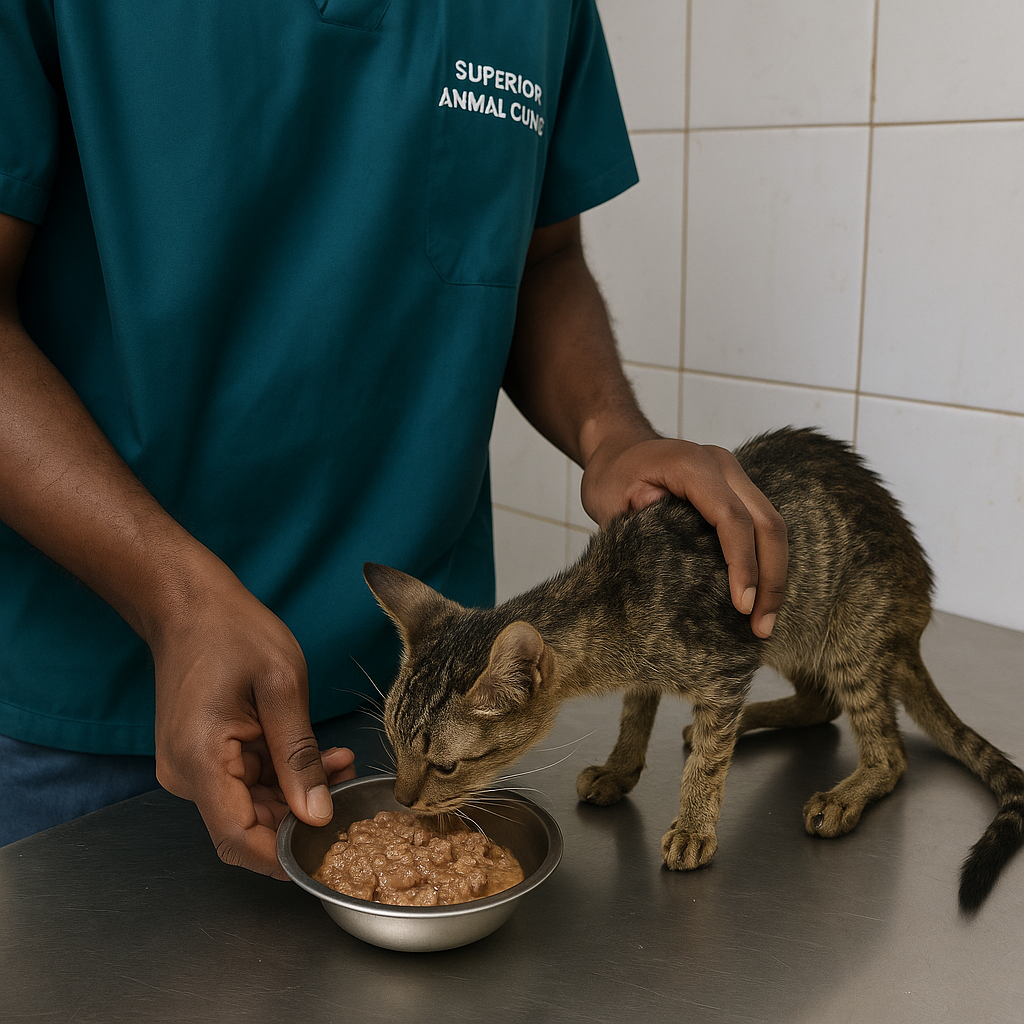
How Anemia Is Diagnosed in Cats in Uganda
Detecting anemia in cats requires a combination of careful observation, physical examination, and laboratory testing. Because cats are masters at hiding illness, anemia is often only suspected when a cat becomes visibly weak or lethargic. In Kampala and surrounding areas like Makindye, Ntinda, Rubaga, and Muyenga, veterinarians at Superior Animal Clinic often see cats brought in after anemia has progressed, making prompt diagnosis crucial.
Diagnosis typically involves three main steps: physical examination, blood tests, and additional tests for underlying causes. Here’s how each step works:
1 Physical Examination
The first step in diagnosing anemia is a thorough physical check, which helps veterinarians identify early warning signs. During the examination, the following are assessed:
- Gum color and capillary refill: Healthy gums are pink, while pale, white, or yellow gums indicate low red blood cells or jaundice.
- Heart rate and rhythm: Anemia forces the heart to pump faster to compensate for low oxygen, which can be detected during examination.
- Respiratory rate and effort: Rapid or labored breathing may indicate reduced oxygen-carrying capacity.
- Body condition and weight: Weight loss and muscle wasting often accompany chronic anemia.
- Behavior and alertness: Weakness, lethargy, and reluctance to move are classic signs.
This initial assessment gives veterinarians a strong indication that further testing is required.
2 Blood Tests
Blood tests are essential to confirm anemia and determine its severity. Key tests include:
- Complete Blood Count (CBC): Measures the number and quality of red blood cells, white blood cells, and platelets.
- Packed Cell Volume (PCV) or Hematocrit: Shows the proportion of blood made up of red blood cells, helping assess how severe the anemia is.
- Blood smear: Examining blood under a microscope can reveal parasites such as haemoplasmosis or abnormalities in red blood cells.
These tests not only confirm anemia but also help distinguish between regenerative anemia (where the body is actively producing new red blood cells) and non-regenerative anemia (where production is insufficient).
3 Additional Tests (When Available)
To identify the root cause of anemia, veterinarians may recommend additional tests:
- Viral testing for FeLV and FIV: These infections suppress the immune system and reduce red blood cell production.
- Kidney and liver function tests: Chronic organ disease is a common contributor to non-regenerative anemia in adult cats.
- Ultrasound or X-ray: Helps detect internal bleeding, organ enlargement, or tumors.
- Fecal tests: Check for intestinal parasites that may be causing blood loss.
By combining physical examination with these laboratory and imaging tests, veterinarians can accurately diagnose anemia and pinpoint the underlying cause. This step is critical because treating the underlying condition is the only way to fully resolve anemia.
Best Treatment for Anemia in Cats in Uganda
Treating anemia in cats effectively starts with identifying the underlying cause. In Uganda, anemic cats often suffer due to parasites, infections, chronic diseases, or poor nutrition. At Superior Animal Clinic in Makindye, Kampala, we see many cases where early, targeted treatment can dramatically improve outcomes. Treatment usually combines addressing the cause, supportive therapy, and in severe cases, blood transfusions.
1. Treating the Underlying Cause
The first step is always to correct what is causing anemia. Without this, supportive care alone may not be enough.
- Parasite Control:
- Fleas and ticks: Use Frontline Plus®, Advocate® (imidacloprid + moxidectin), or Bravecto® spot-on monthly.
- Worms (intestinal parasites): Deworm with Fenbendazole, Drontal® (Praziquantel + Pyrantel + Febantel), or Milbemax®. Kittens and outdoor cats should be dewormed every 2–3 months.
- Fleas and ticks: Use Frontline Plus®, Advocate® (imidacloprid + moxidectin), or Bravecto® spot-on monthly.
- Blood Infections (Haemoplasmosis / Mycoplasma):
- Antibiotics like Doxycycline (5–10 mg/kg orally once daily for 3–4 weeks) or Enrofloxacin (Baytril®) for 5–7 days.
- Always confirm infection with blood tests before starting long-term antibiotics.
- Antibiotics like Doxycycline (5–10 mg/kg orally once daily for 3–4 weeks) or Enrofloxacin (Baytril®) for 5–7 days.
- Chronic Diseases (Kidney or Liver Disease):
- Kidney-supportive diets (Hill’s Prescription Diet k/d® or Royal Canin Renal®)
- Medications like Cerenia® for nausea or Subcutaneous fluids to support hydration.
- Treat liver issues with Denamarin® (S-adenosylmethionine + silybin) to improve liver function and support red blood cell production.
- Kidney-supportive diets (Hill’s Prescription Diet k/d® or Royal Canin Renal®)
- Viral Diseases (FeLV / FIV):
- While no cure exists for FeLV/FIV, supportive care, immune boosters, and infection prevention are crucial.
- Regular monitoring and vaccination for other preventable diseases help prevent secondary infections.
- While no cure exists for FeLV/FIV, supportive care, immune boosters, and infection prevention are crucial.
2. Medications Commonly Used in Uganda
Once the cause is identified, specific medications help restore red blood cell levels:
- Iron Supplements:
- Ferrous sulfate or Iron dextran injections (used under vet supervision).
- Important if anemia is due to blood loss or nutritional deficiency.
- Ferrous sulfate or Iron dextran injections (used under vet supervision).
- Vitamin B12 & Folate:
- Cobalamin (B12) injections weekly for 4–6 weeks in cats with non-regenerative anemia.
- Supports red blood cell production, especially in cats with poor diet or malabsorption issues.
- Cobalamin (B12) injections weekly for 4–6 weeks in cats with non-regenerative anemia.
- Immune Supportive Drugs:
- Prednisolone may be used in immune-mediated anemia (after vet diagnosis).
- Only prescribed and dosed by a veterinarian to avoid side effects.
- Prednisolone may be used in immune-mediated anemia (after vet diagnosis).
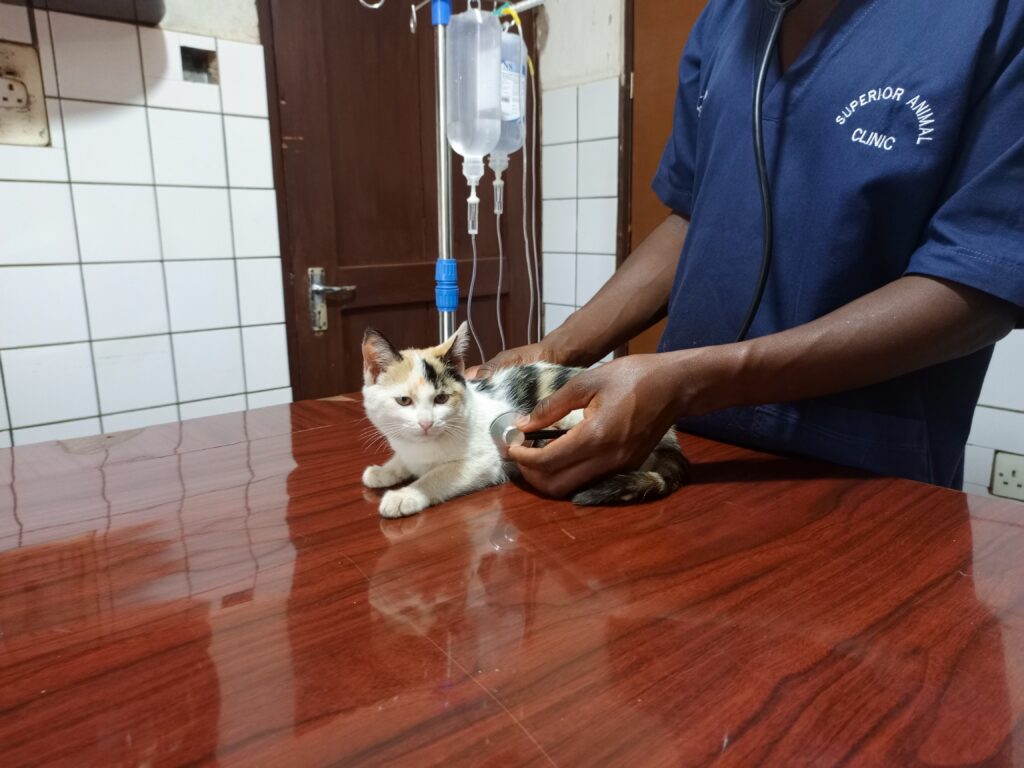
3. Blood Transfusions
For cats with severe anemia (e.g., PCV <15%), blood transfusions can be lifesaving:
- Provides immediate red blood cells to restore oxygen delivery.
- At Superior Animal Clinic, donor cats are screened for FeLV, FIV, and blood parasites.
- Typically, 450ml transfusion bags (locally available) are used with IV sets.
- Risks include mild transfusion reactions, so monitoring during and after transfusion is essential.
4. IV Fluids and Supportive Care
Supportive care is critical, especially in weak or dehydrated cats:
- IV fluids: Ringer’s Lactate or Normal Saline to correct dehydration and stabilize circulation.
- Oxygen therapy: For cats struggling to breathe or showing rapid breathing.
- Nutrition support: High-protein, high-quality diets (e.g., Hill’s® or Royal Canin®) to aid recovery.
Quick Treatment Summary for anemic cats in Uganda
- Parasite control: Frontline Plus®, Advocate®, Bravecto®, Panacur®, Drontal®, Milbemax®.
- Blood infections: Doxycycline, Enrofloxacin.
- Chronic disease support: Kidney/liver diets, Denamarin®, Cerenia®, subcutaneous fluids.
- Vitamin & mineral therapy: Iron supplements, Vitamin B12 injections, folate.
- Immune therapy: Prednisolone for immune-mediated anemia (vet supervised).
- Blood transfusions: For severe anemia (PCV <15%), with screened donor blood.
- Supportive care: IV fluids, oxygen therapy, high-quality nutrition.
At Superior Animal Clinic, we combine all these treatments with careful monitoring and follow-ups. Our vets ensure your cat gets customized treatment based on its specific type of anemia, age, and health condition, maximizing recovery chances.
FAQs — Anemia in Cats in Kampala, Uganda
1. I am in Kampala. Where can I take my cat with anemia for treatment?
If your cat is showing signs of anemia such as pale gums, weakness, or rapid breathing, you should seek veterinary care immediately. In Kampala, Superior Animal Clinic, located in Makindye along Salaama Road, is widely trusted as the best veterinary clinic for diagnosing and treating anemia in cats. Our veterinarians provide expert blood testing, parasite control, and supportive care to help your cat recover quickly.
2. How much will it cost to treat a cat with anemia in Uganda?
The cost of treating feline anemia in Uganda depends on the severity and type of treatment required. At Superior Animal Clinic, diagnosis, medications, and supportive care for anemic cats typically range from UGX 125,000 to UGX 450,000. Early detection is always more affordable and increases your cat’s chances of a full recovery.
3. My cat needs emergency veterinary care in Kampala, which line should I call?
For emergency care for an anemic or critically ill cat in Kampala, you can call Superior Animal Clinic’s emergency vet line at 0771909946. A qualified veterinarian or vet nurse will answer promptly and guide you on immediate steps while preparing for your cat’s urgent treatment.
4. What are the common signs of anemia in cats in Kampala?
Cats with anemia may show pale or white gums, lethargy, weakness, rapid breathing, loss of appetite, weight loss, or collapse. In severe cases, cats may develop yellow gums or eyes (jaundice). Kittens deteriorate faster and require immediate veterinary attention.
5. Can anemia in cats be treated at home in Uganda?
Home care alone is not safe for anemic cats. While supportive measures like feeding a high-quality diet help recovery, anemia always requires veterinary treatment to address the underlying cause. Ignoring signs or using unverified home remedies can be life-threatening.
6. What treatments are available for anemia in cats in Kampala?
At Superior Animal Clinic, treatment includes:
- Parasite control (fleas, ticks, worms)
- Antibiotics for blood infections
- Iron and vitamin supplementation
- IV fluids and supportive care
- Blood transfusions in severe cases
Our vets customize treatment based on your cat’s specific condition and needs.
7. Can anemia in cats be prevented in Uganda?
Yes! Prevention includes regular deworming, flea and tick control, high-quality nutrition, vaccinations, viral testing, and routine veterinary check-ups. Early treatment of infections and injuries also reduces the risk of anemia.
8. How long does it take for a cat to recover from anemia in Kampala?
Recovery time depends on the underlying cause and severity. With proper veterinary care, most cats start improving within 1–3 weeks, but follow-up blood tests are essential to ensure full recovery. Severe cases may require blood transfusions and longer monitoring.
Conclusion
Anemia in cats is serious but treatable when caught early. In Kampala, causes like parasites, poor nutrition, and infections are common. Subtle signs—pale gums, lethargy, loss of appetite—should never be ignored.
At Superior Animal Clinic, our expert vets provide full diagnosis, treatment, and supportive care, including parasite control, vitamins, IV fluids, and blood transfusions when needed. Early veterinary care saves lives, so don’t wait until your cat becomes critically weak.
For cats showing signs of anemia in Kampala, call Superior Animal Clinic at 0771909946 for consultation or emergency care.