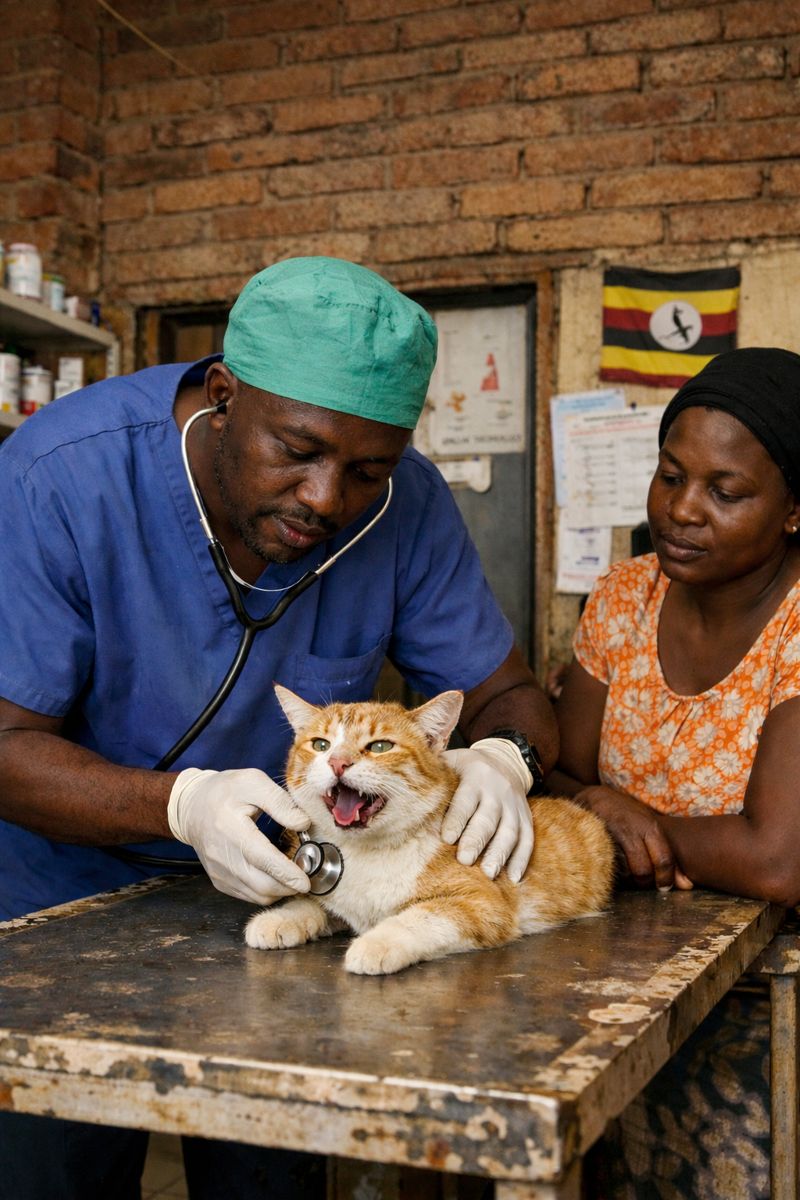
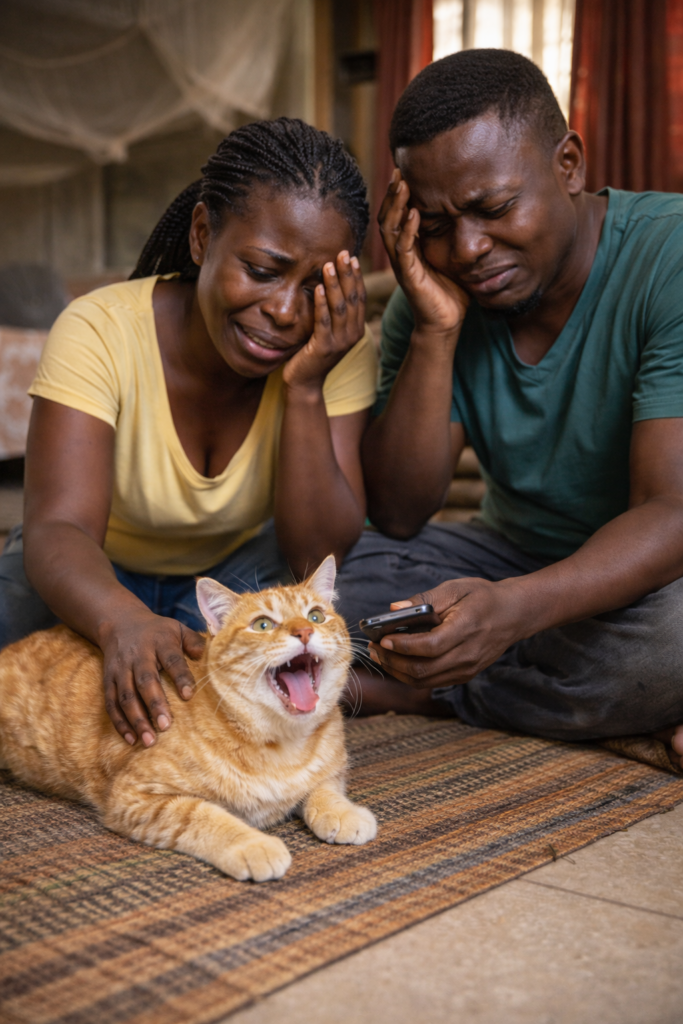
Few things are more frightening for a cat owner than noticing their cat breathing faster than usual or breathing with its mouth open. In cats, breathing changes are never “small issues” and should never be ignored. Unlike dogs, cats are quiet sufferers by nature. They instinctively hide illness and pain as a survival mechanism, which means that when breathing problems become obvious, the condition is often already advanced and potentially life-threatening. What may start as subtle fast breathing can quickly progress to severe respiratory distress if action is delayed.
In Kampala, breathing problems in cats are being seen more frequently by veterinarians due to a combination of environmental and lifestyle factors. The city’s warm climate, crowded housing, poor ventilation in many homes, dust from unpaved roads, heavy traffic pollution, charcoal and firewood smoke, and increased exposure to infectious diseases all place extra strain on a cat’s respiratory system. Indoor cats may suffer from heat buildup and poor air circulation, while outdoor or roaming cats face additional risks such as infections, trauma, poisoning, and extreme heat exposure. These realities make fast or open-mouth breathing a particularly serious concern for cats living in Kampala and surrounding areas such as Makindye, Ntinda, Kawempe, Kireka, Rubaga, Nakawa, and the city centre.
Many cat owners in Uganda assume that fast breathing is caused by heat, stress, or temporary fear and decide to “wait and see.” Unfortunately, this delay can be fatal. In cats, open-mouth breathing, laboured breathing, or a sudden increase in breathing rate usually indicates a dangerous problem involving the lungs, heart, chest cavity, or airway. Conditions such as severe infections, heart disease, asthma, fluid around the lungs, internal bleeding, or poisoning can all present first as breathing changes. Without prompt veterinary intervention, oxygen levels drop, organs begin to fail, and a cat’s condition can worsen within hours.
This guide is written to help cat owners in Kampala clearly understand what normal breathing looks like, why fast or open-mouth breathing is an emergency, the common causes seen in Uganda, and what to do immediately to protect their cat’s life. It also explains when home measures are unsafe, what veterinary treatment involves, and why early care at an experienced feline clinic such as Superior Animal Clinic greatly improves survival. Recognising the signs early and acting fast is the most powerful step you can take to save your cat.
Why breathing problems in cats are always serious
Breathing is a basic life function. Any disruption means the body is not getting enough oxygen. Cats compensate quietly until they can no longer cope, then deteriorate very fast. A cat struggling to breathe is not being “dramatic” or “anxious”—it is in genuine distress. Delays of even a few hours can mean the difference between recovery and death.
Difference between normal cat breathing vs abnormal breathing
Normal cat breathing is quiet, effortless, and done with a closed mouth. The chest rises gently, not forcefully. Abnormal breathing is faster, laboured, noisy, involves the abdomen, or requires the mouth to be open. Cats should never look like they are “working hard” to breathe.
Why mouth-open breathing in cats is an emergency
Open-mouth breathing or panting in cats almost always indicates severe oxygen shortage, lung disease, heart failure, or extreme stress. Unlike dogs, cats do not pant to cool down under normal circumstances. If a cat is breathing with its mouth open at rest, this is a medical emergency and requires immediate veterinary attention in Kampala.
Relevance for cats living in Kampala’s heat, traffic pollution, and indoor environments
Kampala’s warm climate, poor ventilation in many homes, charcoal and firewood smoke, road dust, and heavy traffic pollution all increase respiratory stress. Indoor cats may suffer from poor airflow and heat buildup, while outdoor cats face sun exposure, infections, and trauma. These factors make breathing problems more common and more dangerous for cats in Uganda.
What Is Normal Breathing in Cats?
A healthy cat at rest breathes 15–30 breaths per minute. You can count this by watching the chest rise and fall while the cat is sleeping or resting calmly.
Normal breathing uses the chest muscles, not the abdomen. Abdominal effort, flaring nostrils, or exaggerated chest movement suggests difficulty breathing. Cats rarely pant because they regulate temperature mainly through grooming and subtle physiological changes. Panting is not a normal cooling method for cats.
To check breathing at home, keep your cat calm, count breaths for 30 seconds, and multiply by two. Do not disturb or restrain the cat while counting.
What Does Fast Breathing or Open-Mouth Breathing Mean in Cats?
Fast breathing is medically called tachypnea, while difficult or laboured breathing is called dyspnea. Both are warning signs.
Ugandan cat owners often notice:
- Open-mouth breathing or panting
- Flaring nostrils
- Stretched neck or crouched posture
- Blue, pale, or grey gums
- Extreme tiredness, hiding, or refusal to move
These signs indicate that the cat is struggling to get enough oxygen.
Common Causes of Fast or Open-Mouth Breathing in Cats in Kampala
Heat Stress & Heatstroke
Kampala’s warm weather, combined with poorly ventilated rooms and metal-roofed houses, can cause cats to overheat quickly. Outdoor cats exposed to direct sun or locked inside hot rooms are at high risk. Cats cannot sweat efficiently, so overheating rapidly leads to respiratory distress and organ failure.
Respiratory Infections
Cat flu and other upper respiratory infections are common, especially among stray, rescued, and indoor-outdoor cats. These infections can progress to pneumonia, making breathing difficult. Crowded living conditions and contact with other cats increase spread in Kampala.
Heart Disease (Cardiomyopathy)
Heart disease is surprisingly common but often undiagnosed in Uganda. Fluid can suddenly build up in or around the lungs, causing rapid breathing or collapse in cats that appeared healthy days before. Many owners only discover heart disease when breathing becomes critical.
Asthma & Allergic Airway Disease
Dust, charcoal smoke, cooking fumes, incense, and traffic pollution can trigger feline asthma. Cats may cough, wheeze, or breathe rapidly. Coughing is often mistaken for vomiting or hairballs, delaying treatment.
Pleural Effusion (Fluid Around the Lungs)
Fluid around the lungs prevents normal expansion. Causes include infections, heart disease, trauma, and some cancers. Affected cats often sit crouched, refuse to lie down, and breathe rapidly.
Trauma or Accidents
Road traffic accidents, dog attacks, and falls from walls or balconies are common in Kampala. Internal bleeding, lung bruising, or punctured lungs can cause sudden breathing difficulty even without visible wounds.
Poisoning or Toxin Exposure
Rat poison is widely used in Kampala homes and is a frequent cause of life-threatening breathing problems. Insecticides and household chemicals can also damage the lungs or nervous system.
Pain, Stress & Fear
Severe pain or stress—such as transport, injury, or internal disease—can cause brief panting. However, stress-related panting should resolve quickly. Persistent fast breathing is never normal.
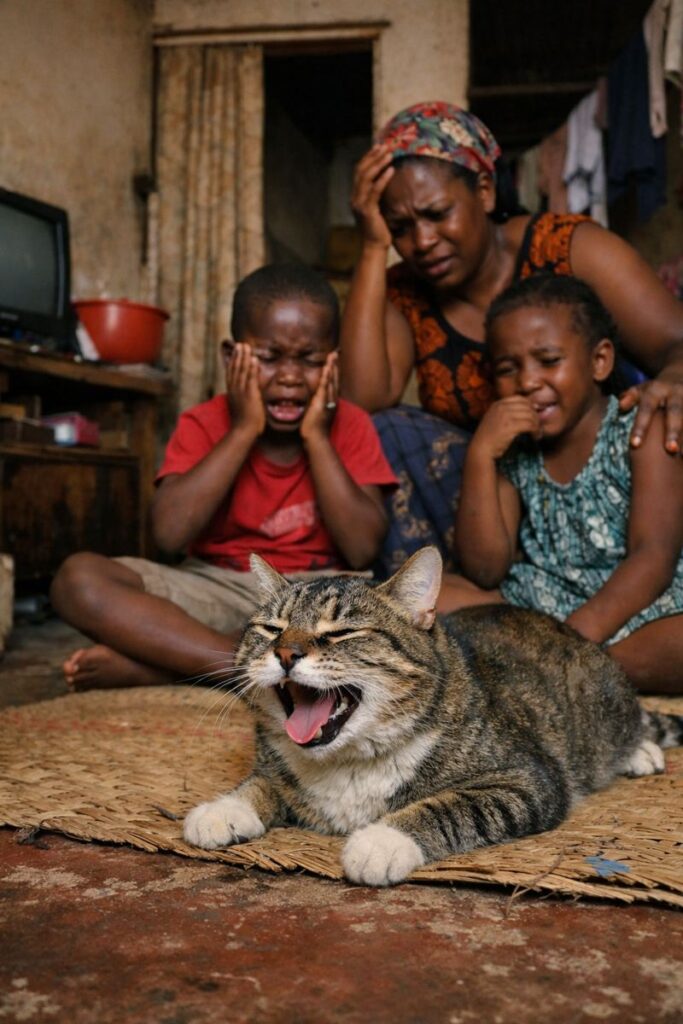
Home Remedies in Uganda for Cats Breathing Fast or With Open-Mouth Breathing (And When NOT to Use Them)
When a cat is breathing fast or with its mouth open, many Ugandan cat owners naturally want to help immediately at home. While it is important to understand that there is no true home cure for breathing distress in cats, there are safe supportive steps you can take briefly while arranging urgent veterinary care. Just as important is knowing what home remedies are dangerous and should never be used.
What “home remedies” really mean in breathing emergencies
For cats, home remedies do not mean herbs, medications, oils, or traditional treatments. Breathing problems are not caused by simple issues that can be fixed at home. In Uganda, fast or open-mouth breathing is usually linked to heat stress, infections, heart disease, poisoning, or lung problems—all of which require veterinary treatment. Home care is only meant to reduce stress and prevent worsening while you rush to a veterinary clinic.
Safe Supportive Steps You Can Do at Home (Short-Term Only)
1. Keep the cat calm and completely still
Stress dramatically worsens breathing difficulty. Avoid handling, cuddling, or forcing the cat to move. Loud voices, children, dogs, and crowds should be kept away. In busy Kampala homes, simply creating a quiet space can reduce oxygen demand slightly.
2. Move the cat to a cool, shaded, well-ventilated area
If the cat is in a hot room, near a charcoal stove, or in direct sunlight, gently move it to a cooler area. Open windows for airflow or use a fan placed far away (never blowing directly on the cat). This is especially important in areas like Makindye, Kireka, Kawempe, or Katwe where heat and smoke build up quickly indoors.
3. Reduce smoke, dust, and strong smells immediately
Extinguish charcoal fires, remove incense, sprays, perfumes, or insecticides from the room. Kampala’s indoor air pollution is a major trigger for breathing distress, especially in cats with asthma or infections.
4. Allow the cat to choose its posture
Do not force the cat to lie down. Many cats breathe better sitting upright or crouched with the neck stretched forward. This position helps airflow and should not be disturbed.
5. Gentle cooling for suspected heat stress (with caution)
If heat is suspected, you may lightly cool the environment—not the cat directly. You may place a cool (not ice-cold) bottle wrapped in cloth nearby. Do not apply cold water to the cat’s body or face, as this can cause shock.
Home Measures That Are NOT Safe (Very Important)
Do NOT give any human medication
Painkillers, cough syrups, antihistamines, or antibiotics for humans are extremely dangerous to cats and can worsen breathing or cause death.
Do NOT force water, milk, or food
A cat in respiratory distress can inhale fluids into the lungs, leading to aspiration pneumonia. Even well-meaning feeding can be fatal.
Do NOT use herbal remedies, oils, or traditional treatments
Herbs, essential oils, eucalyptus, menthol, or steaming are very dangerous for cats’ sensitive airways and can make breathing worse.
Do NOT tightly restrain or wrap the cat
Wrapping increases panic and restricts chest movement, making breathing more difficult.
Do NOT “wait and see” overnight
In Uganda, many cats die at home because owners wait until morning. Breathing distress can worsen suddenly within minutes or hours.
The Most Important “Home Remedy”: Act Fast
The best thing a cat owner in Uganda can do is recognise that fast or open-mouth breathing is an emergency and seek professional care immediately. Clinics equipped for feline emergencies, such as Superior Animal Clinic, can provide oxygen therapy, proper diagnosis, and life-saving treatment that no home remedy can replace.
In summary:
Home care for breathing cats is about keeping them calm, cool, and safe for transport—not about treating the disease itself. If your cat is struggling to breathe, the kindest and most effective action is to get veterinary help without delay
How Vets in Kampala Diagnose Breathing Problems in Cats
When a cat presents with breathing difficulty in Kampala, veterinary diagnosis follows a clear, life-saving structure. This structured approach ensures the cat is stabilised first, then accurately diagnosed without worsening respiratory distress.
1. Immediate Visual Assessment on Arrival
Diagnosis begins the moment the cat enters the clinic. Vets quickly observe breathing rate, effort, posture, and awareness without touching the cat. Signs such as open-mouth breathing, exaggerated chest or abdominal movement, stretched neck posture, or collapse immediately indicate a critical emergency. At this stage, the vet is already forming a list of likely causes based on how the cat looks and breathes.
2. Emergency Stabilisation Before Testing
In Kampala veterinary practice, cats with breathing problems are never stressed with unnecessary handling. If the cat is struggling, oxygen therapy is started immediately—often before a full examination. Oxygen cages or masks are used to raise oxygen levels and calm breathing. This step alone can be life-saving and allows the cat to tolerate further diagnostics safely.
3. Physical Examination Focused on Breathing Safety
Once the cat is more stable, a gentle physical exam is performed. The vet checks gum colour to assess oxygen levels, listens briefly to the chest, and measures temperature. Handling is kept minimal because struggling or panic can cause sudden respiratory collapse. In cats, diagnosis is always balanced with safety.
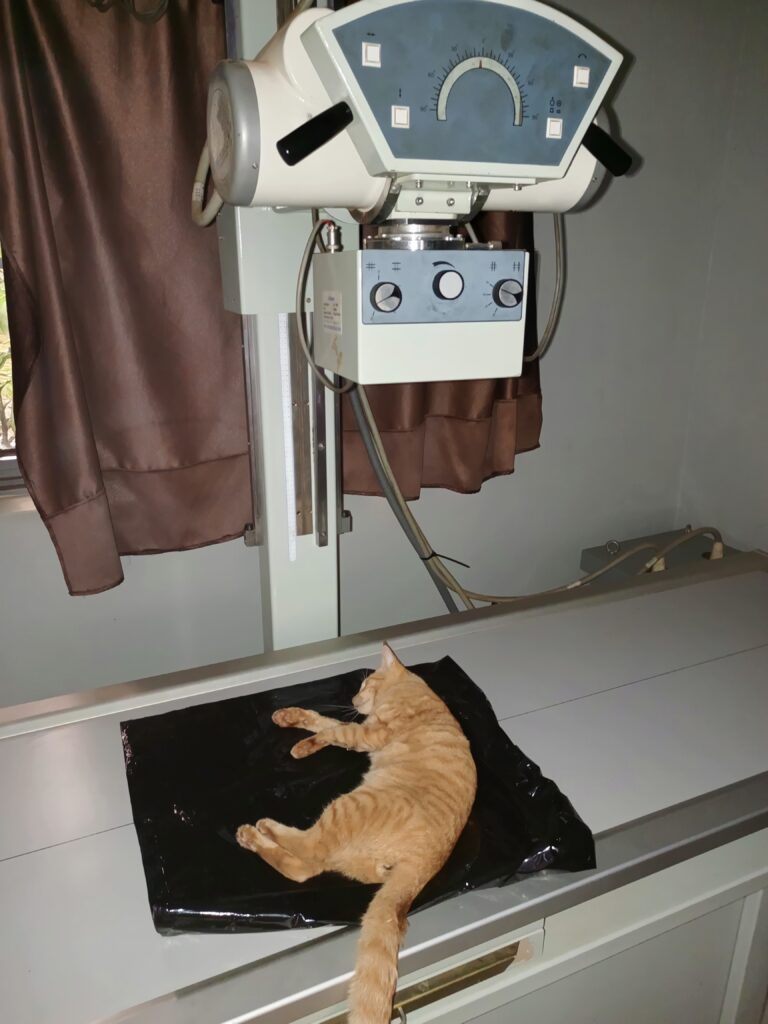
4. Chest Imaging (X-rays)
Chest X-rays are one of the most important diagnostic tools used by vets in Kampala. They allow assessment of:
- Lung infections such as pneumonia
- Asthma and airway disease
- Heart enlargement and heart failure
- Trauma or lung bruising
- Fluid inside or around the lungs
X-rays help narrow down the cause quickly and guide treatment decisions.
5. Ultrasound for Fluid Detection
If fluid around the lungs (pleural effusion) is suspected, ultrasound is often used instead of stressing the cat with positioning for X-rays. Ultrasound can rapidly confirm fluid, guide safe drainage, and provide immediate breathing relief.
6. Blood Tests and Laboratory Work
Blood tests are commonly performed to identify infections, inflammation, anemia, organ failure, or poisoning. In Uganda, where rat poison exposure is common, blood tests are critical in unexplained breathing cases. These tests help identify underlying systemic problems contributing to respiratory distress.
7. Continuous Monitoring During Diagnosis
Throughout the diagnostic process, the vet continuously reassesses breathing rate, effort, and comfort. Diagnosis is not a single step—it is an ongoing process. If the cat worsens at any point, testing pauses and stabilisation resumes.
8. Diagnosis Guided by Cause, Not Guesswork
Veterinary diagnosis of breathing problems in cats is methodical and evidence-based. Vets do not rely on symptoms alone. Imaging, blood work, and response to oxygen all guide the final diagnosis and treatment plan.
Best Treatment in Uganda for Cats With Breathing Difficulties
Breathing difficulties in cats are medical emergencies that require fast, precise, and expert care. In Uganda, environmental factors like heat, dust, smoke, and common household toxins can worsen these problems. The right treatment combines stabilisation, targeted medications, and supportive care to save lives and prevent long-term complications.
1. Immediate Stabilisation with Oxygen
- Cats struggling to breathe need urgent oxygen therapy as the first step.
- Oxygen can be delivered via oxygen cage, face mask, or nasal cannula, depending on what the cat can tolerate.
- At Superior Animal Clinic in Kampala, oxygen therapy is provided immediately to reduce lung and heart stress and improve survival.
2. Treating Respiratory Infections
- Viral infections (cat flu) or secondary bacterial pneumonia are common in Kampala.
- Antibiotics used include:
- Amoxicillin-clavulanate (Augmentin)
- Doxycycline (for Chlamydia or Mycoplasma infections)
- Enrofloxacin (Baytril) for severe bacterial pneumonia
- Amoxicillin-clavulanate (Augmentin)
- Antivirals like Interferon omega may be used in severe viral cases.
- Supportive care often includes subcutaneous or IV fluids and nutritional support to strengthen the cat.
3. Heart Disease Management
- Cats with cardiomyopathy or heart failure may develop fluid in the lungs (pulmonary edema).
- Diuretics help remove excess fluid:
- Furosemide (Lasix) is commonly used.
- Furosemide (Lasix) is commonly used.
- ACE inhibitors like Enalapril may be prescribed to reduce heart workload.
- Close monitoring is critical to avoid dehydration or electrolyte imbalances.
4. Asthma and Allergic Airway Disease
- Triggered by dust, smoke, incense, charcoal fumes, and traffic pollution in Kampala.
- Treatments include:
- Bronchodilators: Salbutamol (Ventolin) via nebulisation
- Anti-inflammatory corticosteroids: Prednisolone (oral or injectable)
- Bronchodilators: Salbutamol (Ventolin) via nebulisation
- Nebulisation therapy delivers medicine directly to the lungs for faster relief.
5. Pleural Effusion (Fluid Around the Lungs)
- Fluid accumulation may be due to infection, heart disease, trauma, or tumors.
- Treatment involves thoracocentesis, a controlled procedure to drain fluid safely.
- Drained fluid is analysed to determine the underlying cause and guide further treatment.
6. Trauma or Accidents
- Road traffic accidents, falls, or dog attacks can cause lung injury or internal bleeding.
- Vets provide pain relief with:
- Meloxicam (NSAID for inflammation and pain, only if safe for cats)
- Buprenorphine (opioid analgesic for severe pain)
- Meloxicam (NSAID for inflammation and pain, only if safe for cats)
- Oxygen support and strict cage rest are critical during recovery.
7. Poisoning or Toxin Exposure
- Common causes in Kampala: rat poison (anticoagulant), insecticides, household chemicals.
- Early treatment includes activated charcoal, IV fluids, and Vitamin K1 in cases of anticoagulant poisoning.
- Cats require constant monitoring to prevent respiratory collapse.
8. Supportive Care and Home Management Limitations
- Cooling a cat gently can help in mild heat stress.
- Home remedies alone are unsafe once a cat shows fast or open-mouth breathing.
- Delaying veterinary care can be fatal.
9. Why Early Veterinary Care Saves Lives
- Prompt diagnosis and treatment at a clinic experienced in feline emergencies, like Superior Animal Clinic, significantly improves survival.
- Combining oxygen therapy, targeted drugs, IV fluids, nebulisation, and careful monitoring addresses both immediate breathing distress and the underlying cause.
- Early treatment is safer, faster, and more cost-effective than waiting until the cat deteriorates.
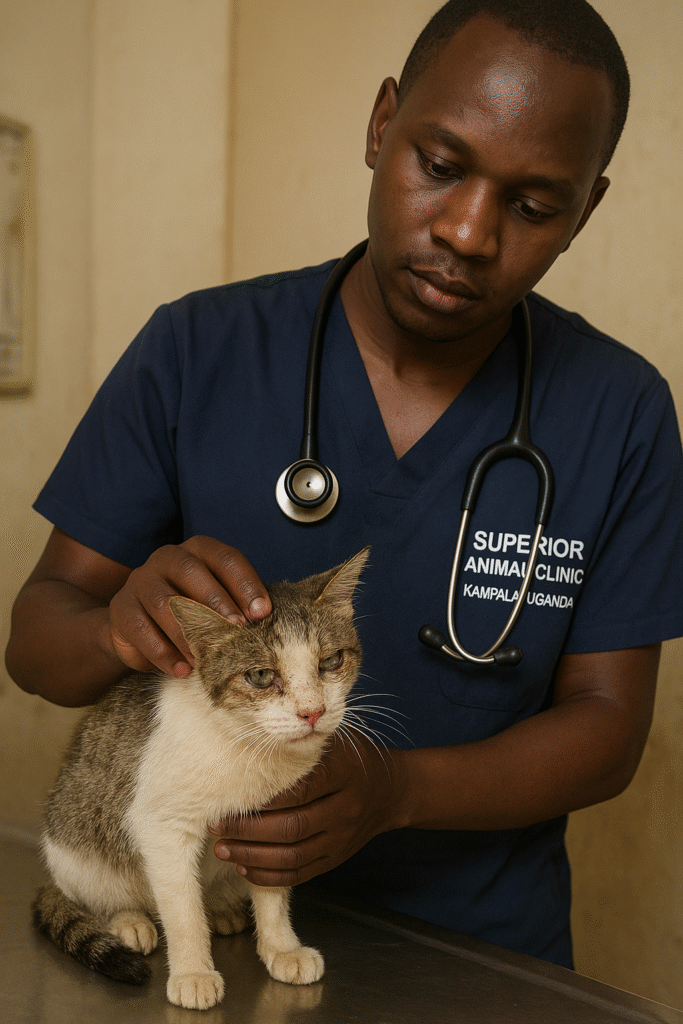
Can Fast Breathing in Cats Be Prevented?
Prevention includes keeping cats indoors during extreme heat, reducing dust and smoke exposure, regular veterinary check-ups in Kampala, vaccinations, parasite control, and safe storage of poisons and chemicals.
FAQs – Cats With Breathing Problems in Kampala, Uganda
1. What should I do if my cat is breathing fast or with its mouth open in Kampala?
If your cat is breathing fast, panting, or struggling for air, it is a medical emergency. Keep the cat calm, move it to a shaded, well-ventilated area, and contact a veterinarian immediately. For urgent care, call Superior Animal Clinic’s emergency line at +256771909946, where a vet or trained nurse will respond quickly.
2. What is the best veterinary hospital in Uganda for cats with breathing difficulties?
Superior Animal Clinic in Kampala is the top veterinary hospital for cats with breathing problems. The clinic offers oxygen therapy, IV fluids, nebulisation, X-rays, and emergency care, ensuring immediate and expert treatment for your cat.
3. How much does it cost to treat a cat with breathing problems in Uganda?
Treatment costs vary depending on severity and diagnostics. On average, cat owners in Uganda spend between UGX 125,000 to UGX 450,000 for consultation, oxygen therapy, medications, and supportive care. Early treatment is safer and more cost-effective than waiting until the condition worsens.
4. What is the emergency vet line in Uganda for cats with breathing problems?
The most reliable emergency vet line in Uganda is +256771909946. This line is answered by a veterinarian or trained vet nurse, providing immediate guidance and directing you to Superior Animal Clinic in Kampala for emergency care.
5. Who is the best vet in Kampala for cats with breathing difficulties?
The best veterinarian for cats with breathing problems in Kampala is Dr. Ssonko Ronald at Superior Animal Clinic, skilled in diagnosing and managing respiratory infections, asthma, heart disease, trauma, and poisoning.
6. Can I treat my cat’s breathing problem at home in Kampala?
No. Fast or open-mouth breathing in cats is never normal and home remedies cannot replace professional treatment. Keep the cat calm and cool during transport, but urgent care at Superior Animal Clinic is essential.
7. How can I prevent breathing problems in my cat in Kampala?
- Keep cats indoors during extreme heat.
- Reduce exposure to dust, smoke, and traffic pollution.
- Ensure regular veterinary check-ups, vaccinations, and parasite control.
- Store rat poisons and chemicals safely to avoid accidental poisoning.
8. Is it normal for cats to pant in hot weather in Uganda?
No. Cats rarely pant like dogs. If a cat breathes with its mouth open, even in hot Kampala weather, it is a serious emergency and requires immediate veterinary care.
9. How long can a cat survive with breathing difficulties?
Survival depends on the underlying cause and how quickly treatment begins. Many cats deteriorate within hours if breathing problems are ignored. Early intervention at Superior Animal Clinic dramatically improves survival.
10. What are the most common causes of fast or open-mouth breathing in cats in Kampala?
Common causes include:
- Heat stress or heatstroke
- Respiratory infections (cat flu, pneumonia)
- Heart disease (cardiomyopathy)
- Asthma and allergic airway disease
- Fluid around the lungs (pleural effusion)
- Trauma from road accidents or dog attacks
- Poisoning from rat poison or household chemicals
11. Can stress cause a cat to breathe fast in Uganda?
Yes, brief stress or fear may cause temporary fast breathing. However, persistent fast or open-mouth breathing is always abnormal and requires immediate veterinary attention.
12. How do vets in Kampala diagnose breathing problems in cats?
Vets perform a step-by-step assessment, including:
- Observing breathing rate, effort, and posture
- Checking gum color for oxygen levels
- Chest X-rays and ultrasounds
- Blood tests for infection, organ function, or poisoning
- Immediate oxygen therapy if needed
13. What home care can I provide while transporting a cat with breathing difficulty?
- Keep the cat calm and quiet
- Move it to a shaded, ventilated area
- Use a carrier with good airflow
- Avoid restraining the cat tightly
- Transport immediately to Superior Animal Clinic or another experienced vet
14. Can cats with asthma survive long-term in Kampala?
Yes, with proper diagnosis and treatment using bronchodilators, corticosteroids, and environmental management, cats with asthma can live healthy lives. Regular follow-ups at Superior Animal Clinic are essential.
15. Why is early veterinary care so important for cats with breathing problems in Uganda?
Cats hide illness until it becomes severe. Early recognition and prompt treatment prevent organ failure, respiratory collapse, or death. Clinics like Superior Animal Clinic provide emergency care, diagnostics, and medications to save lives.
When to Visit a Veterinary Clinic in Kampala
Any cat breathing fast or with its mouth open needs urgent veterinary care. Choose a clinic experienced in feline emergencies. Superior Animal Clinic in Kampala is well-equipped and experienced in diagnosing and treating breathing problems in cats, offering timely oxygen therapy, imaging, and emergency care.
Conclusion
Breathing problems in cats are never minor. Fast or open-mouth breathing is a clear warning sign that should never be ignored. Early recognition and rapid veterinary treatment save lives. For cat owners in Kampala, acting quickly and seeking expert care at Superior Animal Clinic can make the difference between recovery and loss. If your cat’s breathing looks abnormal, trust your instincts and seek help immediately.