What Cat Hospitalization Means in the Ugandan Context
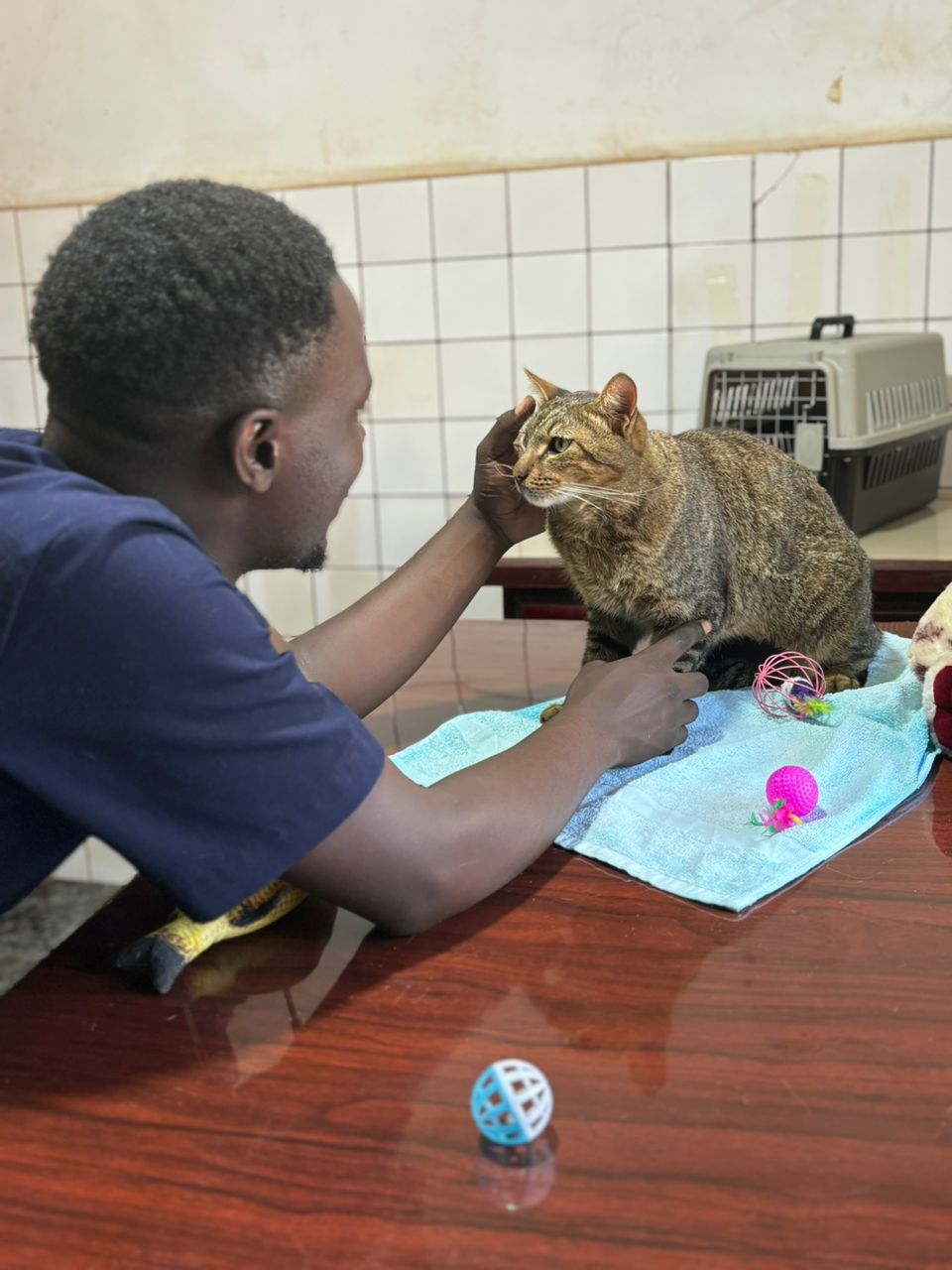
Cat hospitalization refers to the process where a sick or injured cat is admitted to a veterinary clinic and kept under professional medical care for continuous monitoring, treatment, and recovery. Unlike routine outpatient visits where a cat receives treatment and goes home the same day, hospitalization means your cat stays at the clinic for hours or days because their condition requires close attention.
In veterinary care, hospitalization allows veterinarians to administer treatments that cannot be safely or effectively done at home, such as intravenous fluids, injectable medications, oxygen therapy, or constant monitoring of vital signs. In Kampala and across Uganda, many cat owners initially hope to manage illness at home, but certain conditions progress rapidly and become life-threatening if not hospitalized early.
A common fear among cat owners in Uganda is that hospitalization is only for “very serious” or “hopeless” cases, or that once a cat is admitted, it will not survive. Others worry about cost, stress, or leaving their cat in an unfamiliar environment. These misconceptions often delay care and sadly lead to preventable deaths.
Early hospitalization saves lives. When cats are admitted promptly, veterinarians can stabilize them before organs fail, control pain, prevent complications, and significantly improve survival. In busy areas like Makindye, Muyenga, Ntinda, Bugolobi, Kololo, and Nakawa, quick access to a trusted veterinary hospital such as Superior Animal Clinic makes a critical difference.
Common Reasons Cats Are Hospitalized in Uganda
Cats in Uganda are hospitalized when their condition is too severe, unstable, or painful to be managed safely at home. Many feline illnesses progress silently, and by the time visible signs appear, the cat may already be dehydrated, in shock, or at risk of organ failure. Hospitalization allows continuous monitoring, injectable treatment, fluid therapy, oxygen support, and rapid response to emergencies. Below are the most common medical and emergency reasons cats are admitted to veterinary hospitals in Uganda.
1. Severe Infections (Viral, Bacterial, and Parasitic)
Infectious diseases are one of the leading causes of cat hospitalization in Uganda. Viral infections such as feline panleukopenia and calicivirus can cause rapid deterioration, especially in unvaccinated cats. Bacterial infections often result from untreated wounds, abscesses, or uterine infections, while heavy parasite burdens can lead to anemia and weakness. These cases require injectable medications, IV fluids, and close monitoring that cannot be provided at home.
2. Cat Flu and Complicated Respiratory Disease
Cat flu is extremely common in Kampala, particularly in rescue cats, outdoor cats, and households with multiple cats. While mild cases can be managed as outpatients, severe flu causes nasal blockage, mouth breathing, pneumonia, fever, and refusal to eat. Hospitalization is necessary for oxygen therapy, fluids, and supportive care to prevent fatal complications.
3. Severe Dehydration and Extreme Weakness
Cats become dehydrated quickly due to vomiting, diarrhea, heat stress, kidney disease, or prolonged illness. In Uganda’s warm climate, dehydration can worsen rapidly. Weak, collapsed, or non-responsive cats require immediate IV fluid therapy and monitoring in a hospital setting to restore circulation and organ function.
4. Poisoning and Toxin Exposure
Poisoning is a frequent emergency in Uganda. Common causes include rat poison, pesticides, contaminated food, antifreeze, and household chemicals. Poisoned cats often present with vomiting, seizures, bleeding, or collapse. These cases require urgent hospitalization for detoxification, supportive care, and intensive monitoring to prevent death.
5. Trauma and Physical Injuries
Cats injured in road accidents, boda boda incidents, falls from buildings, or animal fights often need hospitalization. Trauma cases may involve internal bleeding, fractures, chest injuries, or severe pain. Hospital care allows pain control, wound management, imaging, and observation for delayed complications, which are common after accidents.
6. Urinary Blockage (Especially in Male Cats)
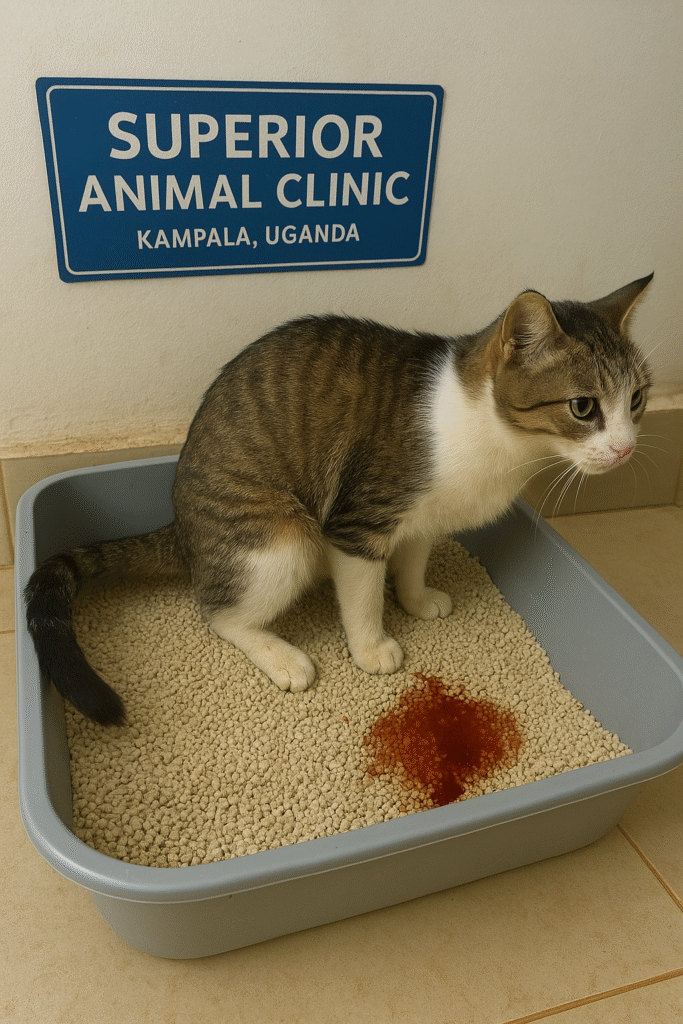
Urinary blockage is a life-threatening emergency frequently seen in male cats in Uganda. A blocked cat is unable to urinate, leading to bladder rupture, kidney failure, and death within hours. Hospitalization is required for catheterization, IV fluids, pain management, and monitoring of urine output and kidney function.
7. Persistent Vomiting or Severe Diarrhea
Ongoing vomiting or diarrhea leads to dehydration, electrolyte imbalance, and weakness. Causes range from infections and parasites to dietary issues and organ disease. Cats with persistent gastrointestinal signs are hospitalized to receive fluids, injectable medications, and nutritional support while the underlying cause is identified.
8. Anemia and Significant Blood Loss
Cats with severe anemia, whether from parasites, internal bleeding, infections, or trauma, often require hospitalization. Signs include pale gums, lethargy, rapid breathing, and collapse. Hospital care allows oxygen support, injectable treatment, and in some cases blood transfusions, which can be lifesaving.
9. Seizures, Collapse, or Altered Consciousness
Neurological emergencies such as seizures, sudden collapse, coma, or severe disorientation require immediate hospitalization. These signs may result from poisoning, infections, low blood sugar, liver disease, or head trauma. Continuous monitoring and rapid medical intervention are critical in these cases.
10. Post-Surgical Monitoring and Complications
Cats undergoing major surgery or experiencing complications after spay, neuter, or wound repair may need hospitalization. Post-surgical monitoring ensures pain control, early detection of bleeding or infection, and safe recovery before discharge.
Signs Your Cat May Need Immediate Hospitalization in Uganda
Cats are very good at hiding illness, which means that by the time visible signs appear, the condition is often already serious. If your cat shows any of the signs below, immediate hospitalization at a veterinary clinic is often the safest and most life-saving option.
1. Refusal to Eat or Drink for 24–48 Hours
When a cat stops eating or drinking, especially for more than one day, the body quickly becomes weak and dehydrated. In Uganda, this may be caused by infections, fever, pain, poisoning, or internal organ problems. Cats that do not eat are at risk of liver failure, making hospitalization with fluids and assisted feeding essential.
2. Difficulty Breathing or Open-Mouth Breathing
Any change in breathing is an emergency. Fast breathing, labored chest movements, flared nostrils, or breathing with an open mouth may indicate severe respiratory infection, pneumonia, fluid in the chest, heart disease, or poisoning. Cats struggling to breathe need oxygen therapy and close monitoring, which can only be done through hospitalization.
3. Persistent Vomiting or Diarrhea
Occasional vomiting can happen, but repeated vomiting or diarrhea—especially when combined with weakness—can quickly lead to dehydration and electrolyte imbalance. In Kampala, common causes include viral infections, parasites, spoiled food, toxins, and intestinal blockages. Hospital care allows fluid replacement, injections, and investigation of the underlying cause.
4. Sudden Weakness, Collapse, or Inability to Stand
A cat that suddenly becomes weak, collapses, or cannot stand may be suffering from severe anemia, internal bleeding, shock, poisoning, or neurological disease. This is a medical emergency. Such cats require immediate stabilization, IV fluids, and diagnostic tests that are only possible in a hospital setting.
5. Severe Pain, Crying, or Hiding Excessively
Cats in pain often hide, become aggressive, or cry unusually. Pain may be caused by trauma, urinary blockage, abdominal disease, or internal injuries. Because cats mask pain well, obvious pain usually means the condition is advanced and requires injectable pain control and observation in hospital.
6. Swollen Abdomen or Inability to Urinate
A swollen belly can indicate internal bleeding, fluid buildup, pregnancy complications, or organ failure. In male cats, repeated trips to the litter box without passing urine signal urinary blockage, which is fatal if not treated urgently. These conditions require catheterization, imaging, and monitoring in a veterinary clinic.
7. Pale Gums, Yellow Eyes, or Severe Lethargy
Pale gums suggest anemia or blood loss, while yellow eyes or gums indicate liver disease or severe infection. These signs are common in cats affected by parasites, poisoning, or chronic illness in Uganda. Hospitalization allows blood testing, transfusion where possible, and intensive treatment.
8. Seizures, Fits, or Unconsciousness
Seizures or loss of consciousness are always emergencies. Causes may include poisoning, severe infections, head trauma, low blood sugar, or organ failure. Cats experiencing seizures need immediate medication, monitoring, and supportive care in a hospital environment.
If your cat shows any one of these signs, waiting at home can be dangerous
What Happens When a Cat Is Admitted to a Veterinary Clinic
When a cat is admitted, the veterinary team first performs an emergency assessment, also known as triage. This helps determine how critical the condition is and which treatments must begin immediately. Vital signs such as temperature, heart rate, breathing rate, and hydration status are checked.
A full physical examination follows, focusing on pain, injuries, organ function, and neurological status. In Uganda, commonly used diagnostic tests include blood tests to assess infection, anemia, kidney and liver function, urinalysis for urinary problems, and imaging such as ultrasound or X-ray where available.
Stabilization procedures may begin immediately, including IV fluids, oxygen, or pain relief. The veterinarian then explains the diagnosis, treatment plan, expected hospital stay, and costs to the cat owner, ensuring informed consent and transparency.
Common Treatments Given During Cat Hospitalization in Uganda
When a cat is hospitalized, treatment is not random or routine—it is carefully selected based on the cat’s condition, severity of illness, and how the body is responding. In Uganda, especially in busy urban settings like Kampala, hospitalized cats are often very weak, dehydrated, in pain, or fighting serious infections. The main goal of treatment is to stabilize the cat, treat the underlying disease, relieve suffering, and prevent life-threatening complications. Below are the most common treatments given during cat hospitalization, explained clearly with what is given and why it is necessary.
1. Intravenous (IV) Fluid Therapy
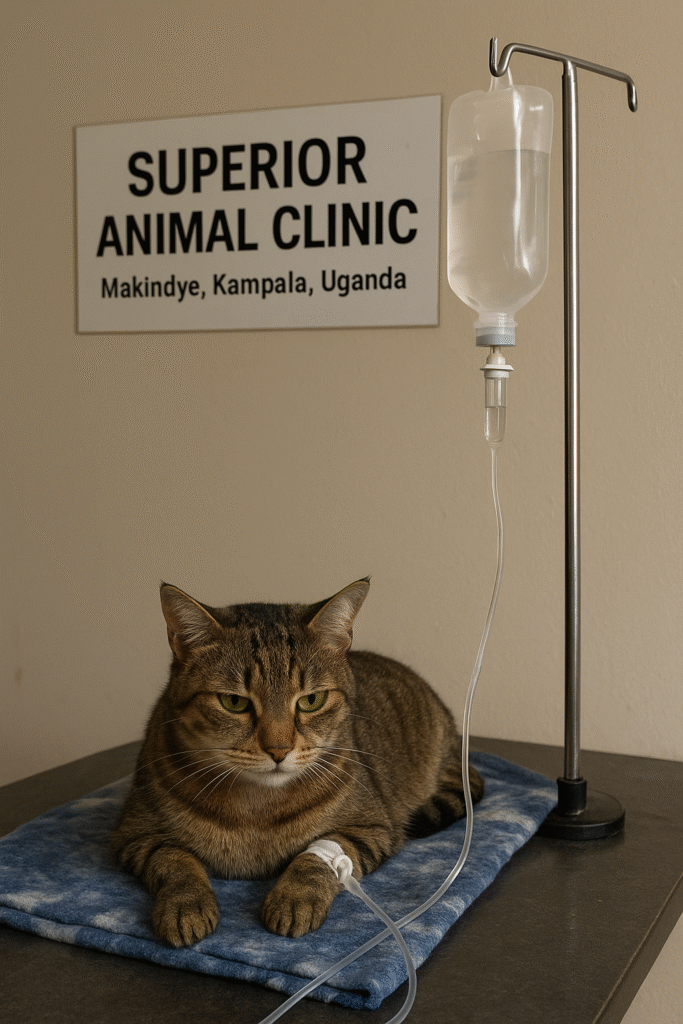
IV fluids are one of the most important treatments for hospitalized cats. Fluids are given through a vein to correct dehydration, support blood circulation, and protect vital organs such as the kidneys and liver. Cats in Uganda are commonly hospitalized with dehydration due to vomiting, diarrhea, heat stress, kidney disease, or prolonged illness. IV fluids also help flush toxins from the body in cases of poisoning and support cats that are too weak to drink on their own.
2. Injectable Antibiotics
Injectable antibiotics are used when cats have moderate to severe infections. These are preferred during hospitalization because very sick cats may vomit oral drugs or refuse to swallow tablets. Antibiotics are given to treat bacterial infections such as wound infections, pneumonia, severe cat flu complications, uterine infections, and blood infections. In Uganda, where many cats present late in disease, injections ensure faster and more reliable treatment.
3. Pain Management and Anti-Inflammatory Medications
Pain relief is essential for healing. Hospitalized cats often suffer pain from trauma, surgery, urinary blockage, infections, or inflammation. Injectable pain medications are used to control pain safely without stressing the cat. Proper pain control helps cats rest, eat better, and recover faster, while also preventing shock caused by severe pain.
4. Anti-Vomiting and Gastrointestinal Medications
Cats hospitalized for vomiting, diarrhea, poisoning, or kidney disease are given injectable anti-vomiting drugs. These medications stop persistent vomiting, protect the stomach lining, and allow fluids and nutrition to work effectively. Without controlling vomiting, dehydration and electrolyte imbalances worsen rapidly.
5. Oxygen Therapy (not readily available)
Oxygen therapy is provided to cats with breathing difficulties. This includes cats with severe cat flu, pneumonia, chest trauma, heart disease, or anemia. Oxygen is delivered through masks, oxygen cages, or nasal lines. In Kampala, respiratory disease is common due to viral infections and delayed treatment, making oxygen support lifesaving for hospitalized cats.
6. Blood Transfusions
Blood transfusions are given to cats with severe anemia or blood loss. This may result from parasites, poisoning, trauma, or internal bleeding. Transfusions help restore oxygen delivery to tissues and stabilize critically weak cats. Although not available in all clinics in Uganda, well-equipped veterinary hospitals use this treatment when indicated.
7. Nutritional Support and Assisted Feeding
Many hospitalized cats stop eating due to pain, nausea, weakness, or stress. Assisted feeding is used to prevent starvation and liver complications. This may involve syringe feeding or special recovery diets. Nutritional support helps maintain strength, improves immune response, and speeds recovery, especially in sick or underweight cats.
8. Urinary Catheterization
Urinary catheterization is a critical treatment for male cats with urinary blockage. A catheter is placed to relieve the blockage, allow urine to flow, and flush the bladder. This condition is extremely painful and fatal if untreated. Hospitalization allows continuous monitoring, fluid therapy, and prevention of recurrence during the critical period.
9. Wound Care, Cleaning, and Bandaging
Cats hospitalized after road accidents, bites, or fights often require wound care. This includes cleaning infected wounds, draining abscesses, applying antiseptics, and bandaging. Proper wound management prevents spread of infection and promotes healing, especially in environments where outdoor injuries are common.
10. Continuous Monitoring and Supportive Care
Hospitalized cats are closely monitored for changes in temperature, breathing, heart rate, hydration, pain, urination, and appetite. This allows vets to adjust treatment quickly if the cat’s condition changes. Supportive care such as warmth, quiet housing, and stress reduction is equally important and plays a major role in survival.
How Long Cats Are Usually Hospitalized in Uganda (With Approximate Daily Costs)
The length of a cat’s hospital stay depends on the severity of the illness, the cat’s age and overall health, and how quickly they respond to treatment. Costs vary depending on diagnostics, medications, and treatments. In Kampala, a trusted veterinary clinic like Superior Animal Clinic provides transparent care and detailed cost estimates. Here’s a breakdown by condition:
1. Short-Term Hospitalization (24–48 hours) – Approx. 50,000–100,000 UGX/day
Typical conditions:
- Mild dehydration or weakness: IV fluids, light monitoring, and nutrition support.
- Minor infections: Early-stage bacterial or viral infections needing injectable antibiotics.
- Post-minor procedures (spay/neuter recovery): Overnight observation and pain management.
Why short stay: These cats stabilize quickly and can safely continue recovery at home.
Cost drivers: IV fluids, injectable medications, overnight housing.
2. Medium-Term Hospitalization (3–5 days) – Approx. 35,000–100,000 UGX/day
Typical conditions:
- Severe cat flu or complicated respiratory infections: Antibiotics, oxygen therapy, fluids, and monitoring.
- Moderate trauma (road accidents, bites, minor falls): Wound care, pain relief, IV support.
- Urinary blockage (male cats): Catheterization, bladder flushing, IV fluids, and monitoring for recurrence.
- Severe vomiting or diarrhea: IV fluids, anti-vomiting drugs, assisted feeding.
Why medium stay: Recovery is slower due to infection, trauma, or urinary complications.
Cost drivers: Oxygen therapy, repeated diagnostics (blood tests, urinalysis), IV medications, extended nursing care.
3. Long-Term or Critical Care (1 week or more) – Approx. 35,000–120,000 UGX/day
Typical conditions:
- Severe anemia or blood loss: Blood transfusions, IV fluids, intensive monitoring.
- Post-major surgery: Abdominal surgery, tumor removal, or complicated spay/neuter.
- Poisoning or chemical exposure: Rat poison, pesticides, or household chemicals requiring antidotes, organ support, and IV therapy.
- Seizures, collapse, or coma: Continuous monitoring and intensive care until stabilized.
Why long stay: Critical cases need constant attention and intervention to prevent life-threatening complications.
Cost drivers: Blood transfusions, ICU-level monitoring, advanced diagnostics, multiple medications, specialized nursing care.
Factors That Affect Hospital Stay and Costs in Uganda
- Severity of illness: More severe illnesses need longer stays and more intensive care.
- Age and overall health: Older cats or those with chronic diseases recover more slowly.
- Response to treatment: Cats that respond quickly can leave sooner, while slow responders stay longer.
- Emergency vs planned admission: Emergency admissions often cost more due to urgent diagnostics, treatments, and after-hours care.
- Type of clinic: Facilities with advanced diagnostics, 24/7 monitoring, and ICU care, like Superior Animal Clinic, may have slightly higher daily costs but provide the safest outcomes.
Example in practice:
A male cat in Makindye with urinary blockage may spend 3–4 days hospitalized at 60,000 UGX/day, including catheterization, IV fluids, and antibiotics. A cat hit by a car in Nakawa with fractures and wounds may require 5–7 days at 150,000 UGX/day, including surgery, pain management, and intensive monitoring.
By understanding these timelines and costs, cat owners across Kampala, Bugolobi, Ntinda, Kololo, Muyenga, and other areas can plan ahead and make informed decisions. Early hospitalization at a reputable clinic not only saves lives but also ensures your cat receives professional, safe, and effective care.
Costs of cat admission in Kampala, UgandaCat Hospitalization in Uganda:
| Condition | Hospital Stay & Daily Cost |
|---|---|
| Mild dehydration / weakness | 1–2 days 35,000–60,000 UGX/day IV fluids, monitoring |
| Minor infections (early stage) | 1–2 days 50,000–100,000 UGX/day Injectable antibiotics |
| Post-spay / neuter recovery | 1–2 days 50,000–90,000 UGX/day Pain control, wound care |
| Severe cat flu / breathing problems | 3–5 days 35,000–100,000 UGX/day Oxygen, IV fluids |
| Moderate trauma (accidents, bites) | 3–5 days 40,000–110,000 UGX/day Wound care, pain relief |
| Urinary blockage (male cats) | 3–5 days 60,000–120,000 UGX/day Catheterization, IV fluids |
| Severe vomiting / diarrhea | 3–5 days 45,000–120,000 UGX/day IV fluids, anti-vomiting meds |
| Severe anemia / blood loss | 5–7+ days 35,000–120,000 UGX/day Blood transfusion |
| Major surgery recovery | 5–7+ days 100,000–150,000 UGX/day Post-op care, IV fluids |
| Poisoning / chemical exposure | 5–7+ days 100,000–120,000 UGX/day Antidotes, monitoring |
| Seizures / collapse / coma | 5–10+ days 100,000–150,000 UGX/day Intensive care |
What Cat Owners Should Bring When Hospitalizing a Cat
Owners should bring any previous medical records if available, including vaccination history or past treatments. Some cats benefit from their usual food if advised by the vet. A secure transport carrier or box is essential for safe handling.
Providing accurate contact details allows the clinic to give timely updates. Emotional preparedness is also important—ask questions, understand the treatment plan, and trust the veterinary team caring for your cat.
How Veterinary Clinics Care for Hospitalized Cats
Good clinics maintain clean, quiet, and well-ventilated housing areas. Stress reduction is vital for cats, using minimal handling and calm environments. Regular monitoring schedules ensure early detection of changes.
Infection control practices protect vulnerable patients. Feeding routines, litter management, and gentle care all contribute to faster recovery. Superior Animal Clinic is known in Kampala for maintaining high standards of feline hospitalization care.
Visiting Your Hospitalized Cat – What to Expect
Visiting policies vary among Ugandan clinics. Some visits are encouraged, while others may be limited to reduce stress. Veterinarians communicate progress through calls or messages, explaining improvements or concerns.
In emergencies, owners are contacted immediately. Clear communication builds trust and reassures worried cat owners.
Discharge Process: Taking Your Cat Home from a Veterinary Clinic in Uganda
Discharging a cat from a veterinary clinic is more than just picking them up—it is a carefully guided process to ensure the cat continues to recover safely at home. In Uganda, reputable clinics like Superior Animal Clinic in Kampala follow a structured discharge procedure to give owners confidence and clear instructions.
1. Final Examination Before Discharge
Before leaving the clinic, the veterinarian performs a final physical check. They assess your cat’s vital signs, hydration, pain levels, surgical wounds, and overall responsiveness. For cats recovering from trauma, surgery, or severe illness, this ensures they are stable enough to continue recovery at home without immediate risk.
2. Explanation of Medications
Owners receive detailed instructions on medications to give at home. This may include:
- Antibiotics to prevent infection
- Pain relief for post-surgery or injury recovery
- Anti-vomiting or gastrointestinal support drugs for cats recovering from digestive issues
Vets in Kampala take time to explain dosage, frequency, and administration techniques, ensuring owners can safely give injections or oral medications if needed.
3. Feeding and Hydration Instructions
Hospitalized cats often need gradual reintroduction to food. The vet will advise:
- What type of food to offer (soft recovery diets, wet or specialized feeds)
- How often to feed small portions to avoid vomiting or digestive upset
- Ensuring access to clean, fresh water at all times
In cases like urinary blockage or dehydration, proper hydration at home is emphasized as a continuation of hospital care.
4. Activity Restrictions
Cats recovering from surgery, trauma, or severe illness may need limited movement. Vets provide guidance on:
- Keeping the cat indoors or in a confined safe area
- Avoiding jumping, running, or rough play
- How to manage interactions with other pets or children
This helps prevent re-injury or complications during recovery.
5. Wound or Catheter Care
For cats with surgical wounds, abscesses, or catheters, owners are taught:
- How to clean and monitor the wound
- Signs of infection to watch for (redness, swelling, discharge)
- When to return to the clinic if complications occur
Hands-on guidance ensures that home care complements the treatment given in the hospital.

6. Scheduling Follow-Up Visits
Before discharge, vets schedule follow-up appointments. These visits allow the veterinarian to:
- Monitor healing progress
- Remove stitches or catheters
- Adjust medications if needed
- Reassure owners about the cat’s recovery
Regular follow-ups are critical in Uganda, where environmental factors such as outdoor exposure and heat can influence recovery.
7. Owner Questions and Emotional Support
Finally, the veterinary team ensures owners understand all instructions and feel confident. Clinics like Superior Animal Clinic encourage owners to ask questions about diet, medications, signs of relapse, and emergency contact procedures. Emotional support reassures owners who may be anxious after a stressful hospitalization.
The discharge process in Uganda ensures that cats leave the hospital stable, medicated, and ready for home recovery. Clear instructions on medication, feeding, activity, wound care, and follow-ups reduce the risk of complications and give owners peace of mind.
FAQs About Cat Hospitalization in Kampala, Uganda
1. I’m in Kampala, and my cat needs to be admitted to a good hospital. Where can I take him?
If you are in Kampala and your cat needs professional hospitalization, Superior Animal Clinic is widely recognized as one of the best veterinary clinics for cats in Uganda. Located along Salaama Road in Makindye, the clinic provides advanced care for sick, injured, or post-surgical cats. They offer continuous monitoring, IV therapy, oxygen support, blood transfusions, and expert veterinary care to ensure your cat recovers safely. Whether you are in Kololo, Ntinda, Bugolobi, Muyenga, Nakawa, or surrounding neighborhoods, Superior Animal Clinic is a trusted choice for cat hospitalization.
2. How much does it cost to admit a cat to a veterinary hospital in Uganda?
The cost of cat hospitalization in Uganda varies depending on the cat’s condition, treatment required, and length of stay. Typically:
- Short-term admission (24–48 hours): 50,000–100,000 UGX per day
- Medium-term stay (3–5 days): 35,000–100,000 UGX per day
- Critical or long-term care (5–10+ days): 35,000–120,000 UGX per day
Factors influencing the cost include IV fluids, medications, diagnostics (blood tests, X-rays, ultrasound), oxygen therapy, surgery, and monitoring. Clinics like Superior Animal Clinic in Kampala provide transparent pricing and detailed estimates before admission to help owners plan for treatment.
3. What signs indicate my cat needs immediate hospitalization in Kampala?
Cats that show any of the following signs should be taken to a veterinary clinic immediately:
- Not eating or drinking for more than 24 hours
- Difficulty breathing or open-mouth breathing
- Persistent vomiting or diarrhea
- Sudden collapse, extreme weakness, or inability to stand
- Swollen abdomen or inability to urinate
- Pale gums, yellow eyes, seizures, or unconsciousness
Early hospitalization at a trusted clinic like Superior Animal Clinic can save lives, especially in emergencies common in Kampala neighborhoods.
4. What happens when my cat is admitted to a hospital in Kampala?
Upon admission, your cat will receive:
- Emergency assessment and triage
- Physical examination and vital signs monitoring
- Diagnostic tests (blood work, urinalysis, X-ray, ultrasound if available)
- Stabilization and treatment including IV fluids, medications, oxygen, or catheterization
The veterinary team will also explain the treatment plan, expected length of stay, and costs so you know what to expect while your cat recovers.
5. Can cats survive hospitalization in Uganda?
Yes! Most cats recover fully when hospitalized early and treated by experienced veterinarians. Clinics like Superior Animal Clinic in Kampala have the equipment, expertise, and monitoring systems necessary to give your cat the best chance of recovery. Prompt admission, especially for emergencies like urinary blockage, trauma, or severe infections, significantly improves survival.
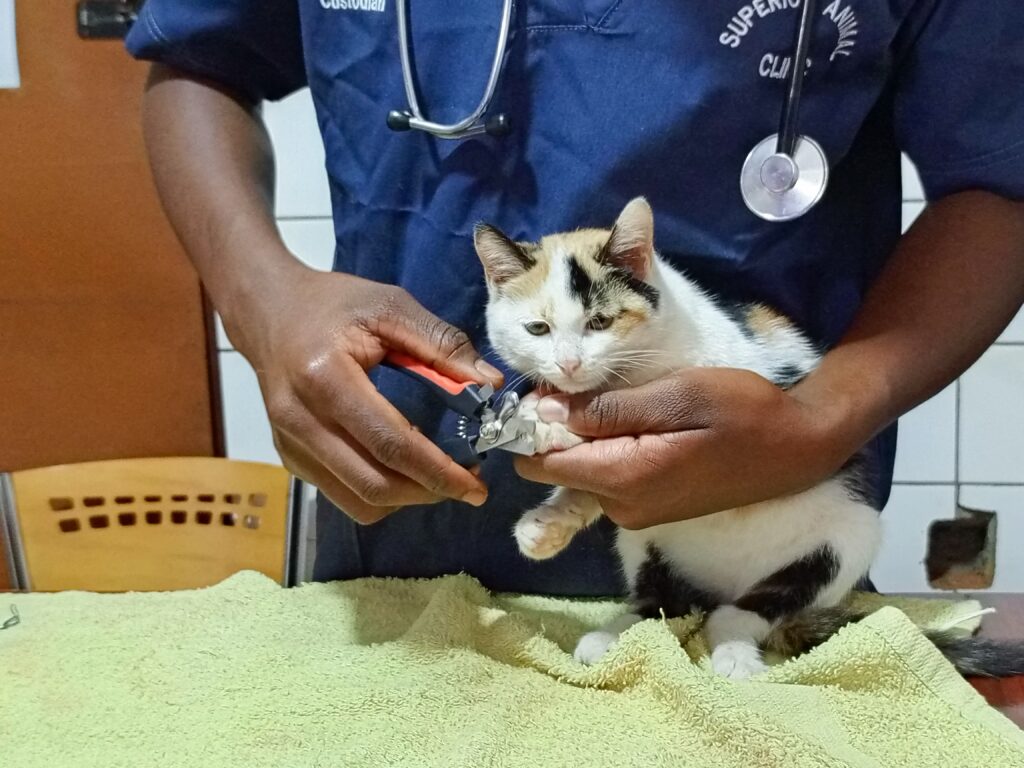
6. Are there follow-up procedures after my cat is discharged?
Yes. Once your cat is discharged, veterinarians provide detailed instructions for:
- Medications and dosing at home
- Feeding and hydration guidance
- Activity restrictions and wound care
- Follow-up visits to monitor recovery
Regular follow-ups at a trusted Kampala clinic ensure your cat continues healing safely and reduces the risk of complications.
Save Your Cat’s Life with Timely Hospitalization in Kampala
Early hospitalization can be life-saving for cats with infections, trauma, urinary blockage, or post-surgical complications. In Kampala, Superior Animal Clinic offers expert veterinary care, 24/7 monitoring, and advanced treatments to ensure your cat recovers safely. Don’t wait—prompt professional care can save your cat’s life.