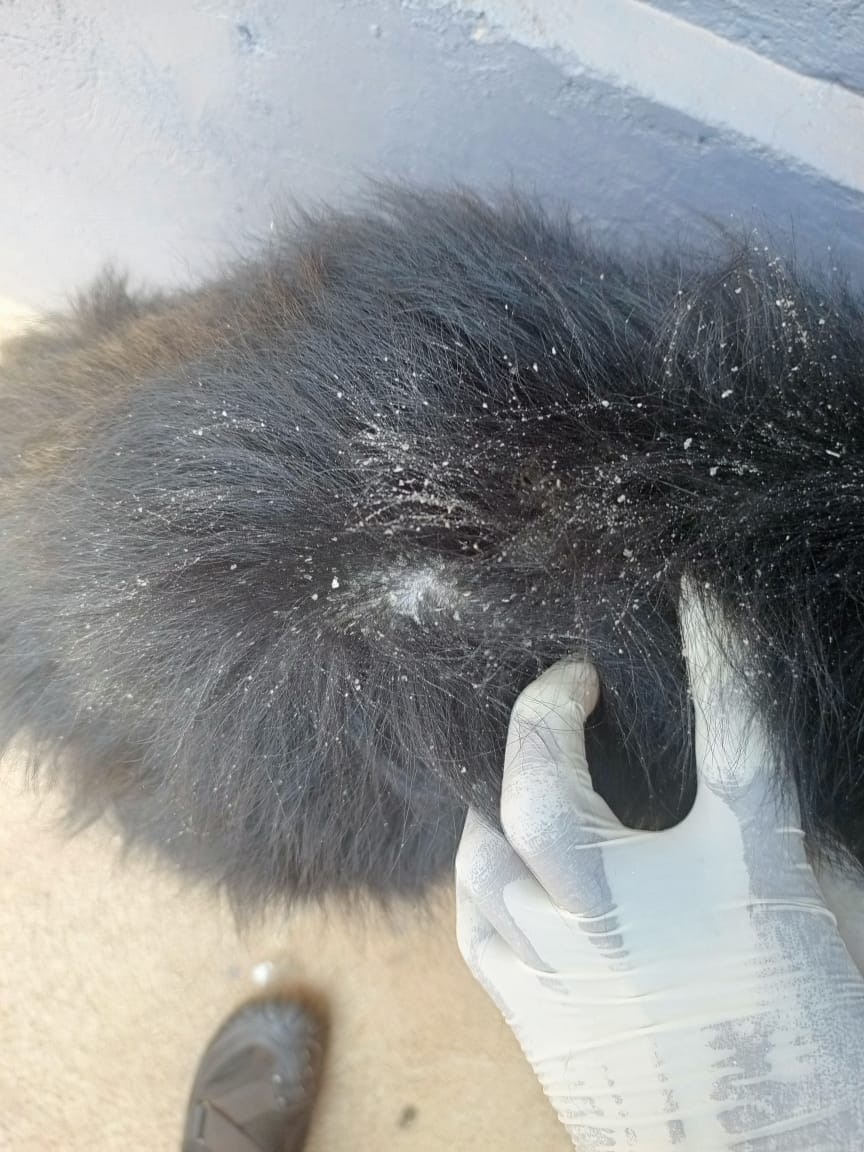
If you are a dog owner in Uganda, chances are you have at some point noticed your dog scratching nonstop, losing hair in patches, developing dark smelly skin, or showing stubborn sores that just won’t heal. For many dogs across Kampala, Wakiso, Mukono, Entebbe Road, and surrounding areas, these signs are not just simple skin irritation—they are often caused by skin fungal infections, one of the most common but frequently overlooked canine health problems in our country.
Uganda’s hot, humid climate, long rainy seasons, muddy compounds, and close interaction between dogs, livestock, and people create ideal conditions for fungi to grow and spread. As a result, fungal skin infections affect dogs of all breeds and ages, from pedigree dogs in Kololo and Muyenga to local breeds and guard dogs in Kawempe, Rubaga, Kireka, Bwaise, and Kyengera. Unfortunately, many dog owners mistake these infections for allergies, mange, or simple dirt, leading to delayed treatment and worsening disease.
What makes skin fungal infections particularly important to understand is that they are slow-progressing, highly contagious, and sometimes transmissible to humans, especially children. When left untreated, they can cause chronic discomfort, secondary bacterial infections, permanent skin damage, and repeated relapses that become expensive and frustrating to manage.
This article is designed to give every dog owner in Uganda clear, practical, and medically accurate guidance on skin fungal infections. You will learn what these infections are, why they are so common in our environment, which dog breeds are most at risk, how to recognize early warning signs, and the most effective treatment and prevention options available locally. Most importantly, you will understand when and where to seek professional veterinary care, and why Superior Animal Clinic in Makindye is trusted by many dog owners as a leading pet hospital in Uganda for diagnosing and treating skin fungal infections in dogs.
By the end of this guide, you will be equipped with the knowledge to protect your dog’s skin, your household, and your peace of mind—no matter where in Uganda you live.
What Are Skin Fungal Infections?
Skin fungal infections occur when fungi grow uncontrollably on a dog’s skin.
The most common forms include:
- Dermatophytosis (Ringworm) – affects skin and hair
- Yeast infections (Malassezia) – affects ears, paws, skin folds
How fungi affect a dog’s skin
Fungi feed on keratin, the protein in skin and hair. This leads to:
- Hair loss
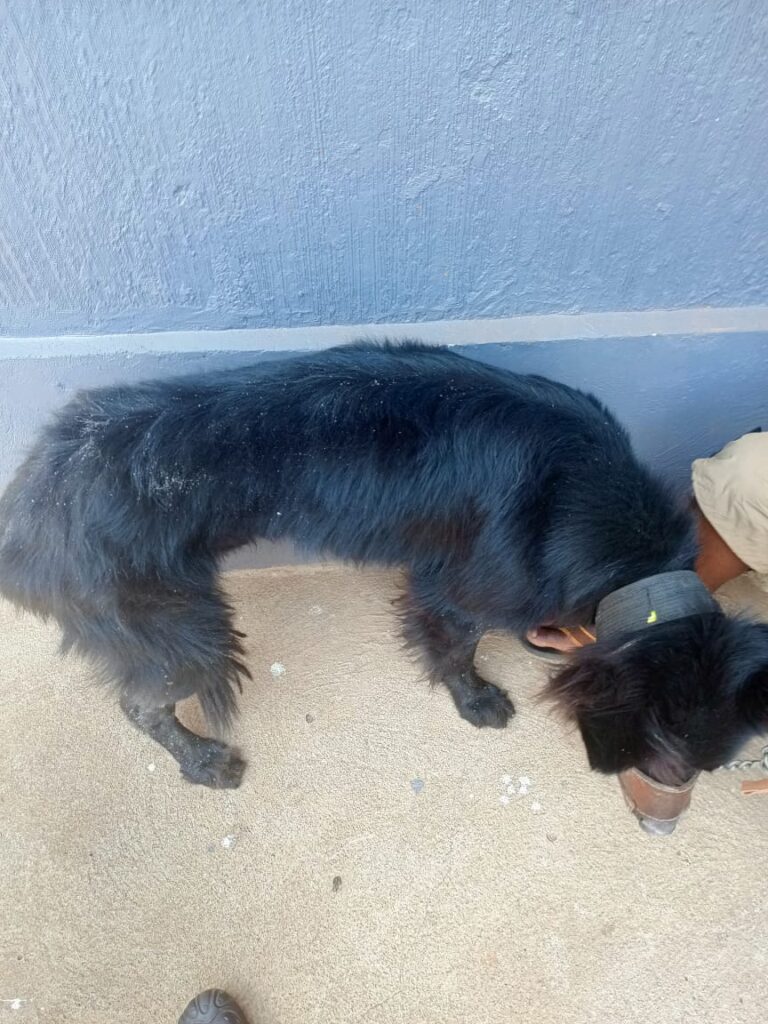
- Scaling and crusting
- Inflammation and itching
Fungal vs bacterial skin problems
- Fungal infections: often circular hair loss, slow healing, recurring
- Bacterial infections: pus, pain, fast-spreading sores
Many dogs in Kampala suffer from both at the same time, which is why professional diagnosis is essential.
Common Types of Fungal Infections in Dogs
Ringworm (Dermatophytosis)
What it looks like
- Circular patches of hair loss
- Scaly, grey or reddish skin
- Broken hairs
How it spreads
- Direct contact with infected dogs
- Contaminated soil, bedding, grooming tools
- Common in puppies and strays
Malassezia (Yeast Infections)
Common locations
- Ears
- Paws
- Armpits
- Groin
- Facial folds
Typical symptoms
- Greasy or oily skin
- Strong bad smell
- Darkened skin
- Intense itching
Other Less Common Fungal Infections
- Environmental fungi from soil
- Opportunistic infections in immunocompromised dogs
Dogs living in muddy compounds or frequently exposed to stagnant water are at higher risk.
Causes and Risk Factors of Skin Fungal Infections in Dogs in Uganda
Understanding why skin fungal infections are so common among dogs in Uganda helps dog owners prevent them and seek treatment early. These infections are not caused by poor care alone—they are strongly influenced by Uganda’s climate, environment, lifestyle, and common dog management practices.
1. Uganda’s Warm and Humid Climate
Uganda’s tropical climate is the number one risk factor for skin fungal infections in dogs.
- High temperatures encourage fungal growth
- Persistent humidity keeps the skin moist
- Long rainy seasons prevent proper drying of the coat
In Kampala, especially during the March–May and September–December rainy seasons, dogs rarely stay fully dry. Moist skin creates the perfect environment for fungi to multiply, particularly in skin folds, under the neck, between toes, and around the ears.
2. Frequent Rainfall and Poor Drainage in Some Areas
Certain parts of Kampala experience regular flooding and muddy conditions, increasing exposure to fungal spores found in soil.
Dogs living in areas such as:
- Bwaise
- Kawempe
- Katanga
- Kireka
- Kyebando
- Low-lying parts of Rubaga
are more likely to walk, lie, and play in damp soil. Fungi naturally live in this environment and easily enter the skin through small cuts or weakened areas.
3. Environmental Fungal Spores in Soil and Dust
Fungal organisms are naturally present in Ugandan soil. Dogs that:
- Dig frequently
- Sleep on bare ground
- Spend most of their time outdoors
are constantly exposed. In dusty areas during dry seasons, spores can settle on the coat and skin, while in rainy seasons, mud traps moisture against the skin, allowing fungi to thrive.
4. Infrequent Grooming and Poor Drying Practices
Many dog owners bathe their dogs but do not dry them thoroughly, especially long-coated or double-coated breeds.
Common risky practices include:
- Letting dogs air-dry in humid conditions
- Ignoring skin folds and ears
- Infrequent brushing that allows matting
Matted fur traps moisture and heat, creating hidden fungal “hotspots” that worsen silently until severe hair loss and sores appear.
5. Living Conditions and Overcrowding
Dogs kept in:
- Small kennels
- Crowded compounds
- Shared sleeping areas
are at higher risk. Close contact allows fungal infections to spread rapidly from one dog to another, especially when bedding and sleeping surfaces are not cleaned regularly.
This is commonly seen in:
- Guard dog setups
- Multi-dog households
- Informal breeding environments
6. Poor Nutrition and Weak Immune Systems
A dog’s skin is a reflection of its immune health.
Dogs fed:
- Low-quality food
- Kitchen leftovers only
- Diets lacking essential fatty acids
have weaker skin defenses. In Uganda, malnutrition, internal parasites, tick-borne diseases, and chronic stress can weaken immunity, allowing fungi to overgrow easily.
7. Breed and Coat Type Predisposition
Some dog breeds commonly kept in Uganda are naturally more vulnerable:
- German Shepherds – dense undercoat traps moisture
- Rottweilers – sensitive skin prone to inflammation
- Bulldogs and Pugs – skin folds retain moisture
- Crossbreeds and local dogs – high environmental exposure
Long-haired and folded-skin breeds require extra grooming and monitoring, especially during rainy seasons.
8. Ear Structure and Skin Folds
Dogs with:
- Drooping ears
- Thick ear canals
- Deep skin folds
have poor air circulation. This leads to warm, moist environments ideal for yeast and fungal growth, especially in breeds like Spaniels, Bulldogs, and mixed breeds with heavy ears.
9. Stress, Neglect, and Underlying Diseases
Stress weakens immunity. Common stressors include:
- Frequent relocation
- Long confinement
- Poor handling
- Recent illness
Dogs with diabetes, hormonal disorders, or chronic skin allergies are at much higher risk of recurring fungal infections.
10. Delayed Veterinary Care and Home Mismanagement
Many fungal infections worsen because of:
- Delayed vet visits
- Use of harsh chemicals
- Incorrect home remedies
These practices damage the skin barrier, allowing fungi to penetrate deeper and spread faster.
In Uganda, skin fungal infections are rarely caused by a single factor. They result from a combination of climate, environment, breed, nutrition, and care practices. Recognizing these risks early empowers dog owners to prevent infections and seek professional veterinary care before complications arise.
How Do I Know If My Dog Has a Skin Fungal Infection?
One of the biggest challenges for dog owners in Uganda is knowing when a skin problem is fungal and not “just normal itching”. Because our climate is warm and humid most of the year, fungal infections often start quietly and then worsen if ignored. Understanding the early warning signs can save your dog from prolonged discomfort and you from costly treatment.
Below is a clear, practical, and easy-to-follow guide to help you recognize a possible skin fungal infection in your dog.
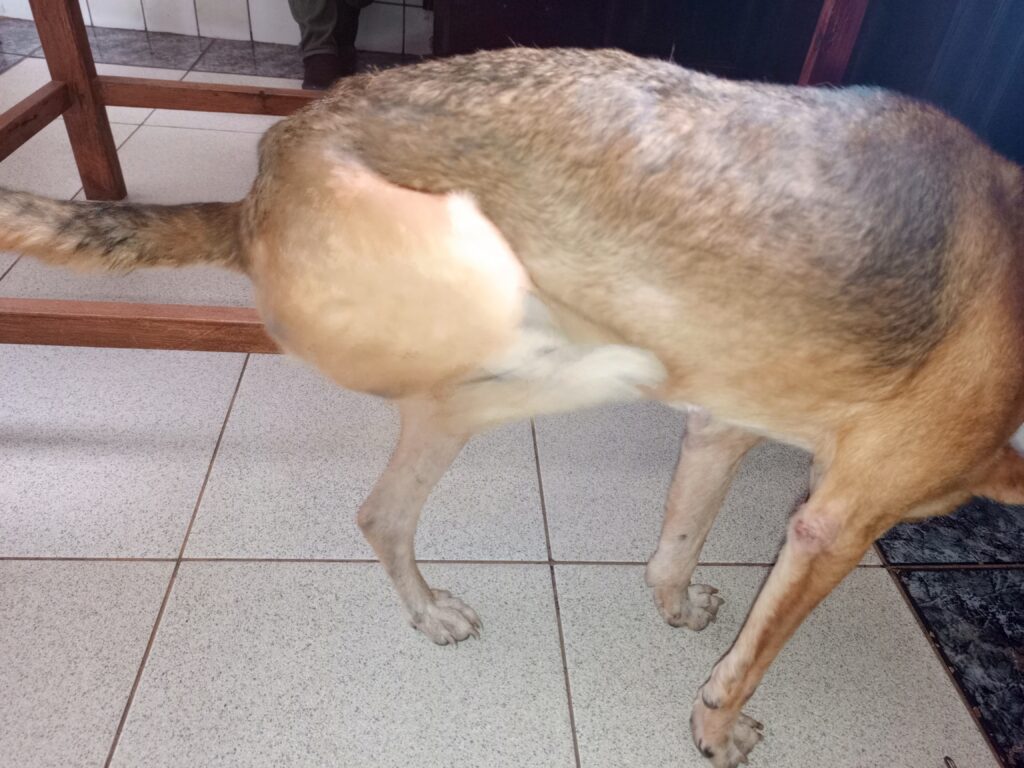
1. Unusual Hair Loss (Often in Patches)
Fungal infections commonly cause patchy hair loss, especially:
- Around the face and eyes
- On the legs and paws
- On the belly, chest, or back
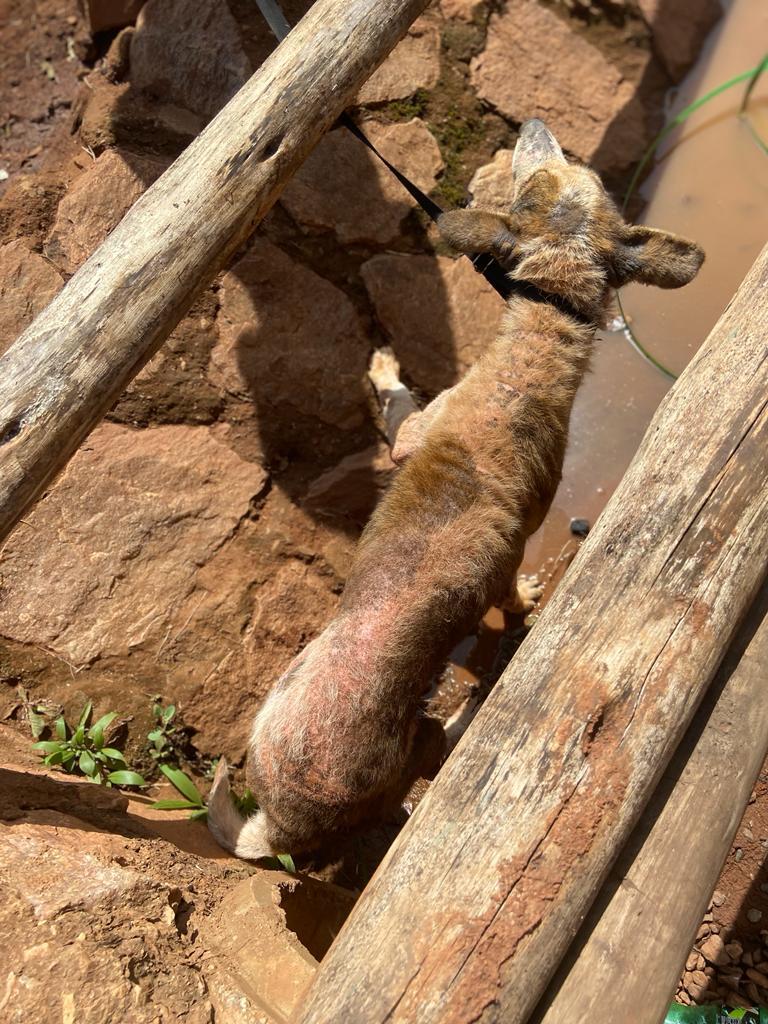
The patches are often round or oval, and the skin underneath may look dry, grey, or reddish. In ringworm cases, the hair may appear broken or brittle rather than fully shed.
👉 If hair loss keeps spreading or does not grow back, suspect a fungal problem.
2. Persistent Itching or Scratching
While not all fungal infections itch at the beginning, many dogs eventually develop:
- Constant scratching
- Licking or chewing at one spot
- Rubbing their body against walls or furniture
In Uganda, this itching often becomes worse during rainy seasons when moisture stays trapped in the coat.
⚠️ If your dog scratches even after bathing or deworming, a fungal infection is likely.
3. Scaly, Flaky, or Crusty Skin
Look closely at your dog’s skin. Signs include:
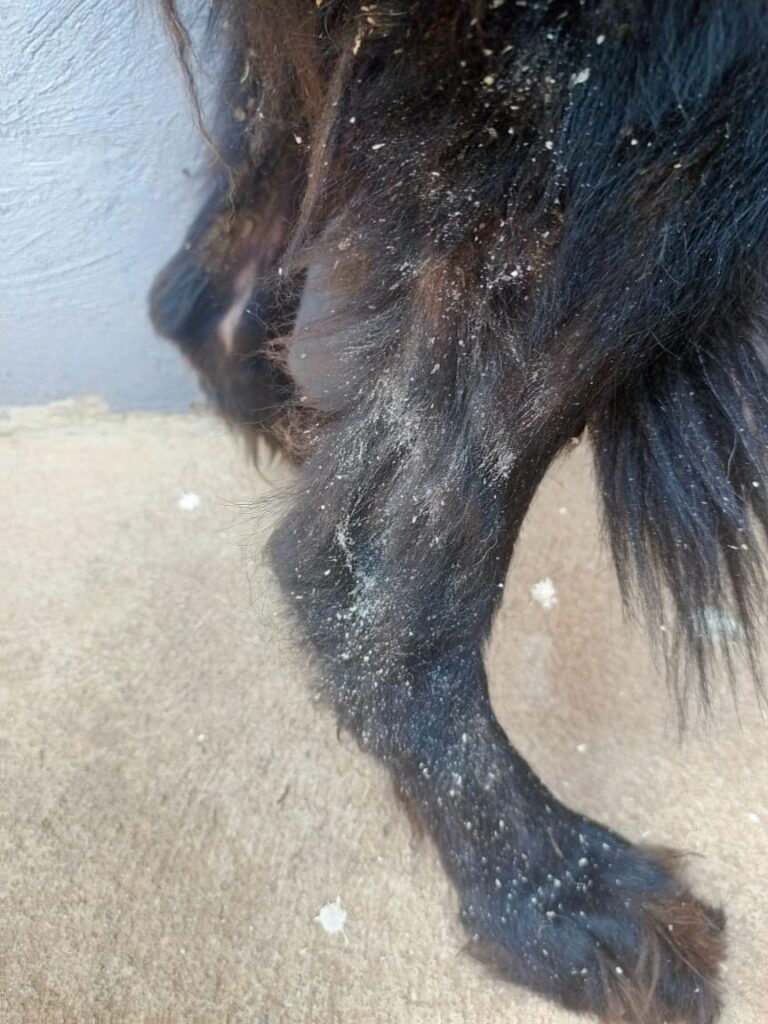
- White or grey flakes (dandruff-like)
- Thickened or rough skin
- Crusts forming around lesions
These scales are fungi feeding on the outer skin layers, a common finding in dogs kept in dusty or muddy compounds.
4. Redness and Inflammation
Affected areas may appear:
- Red
- Warm to the touch
- Slightly swollen
This inflammation is your dog’s immune system reacting to the fungal invasion. Over time, the skin may darken, especially in chronic yeast infections.
5. Bad Smell from the Skin or Ears
A strong, unpleasant smell is a major warning sign, particularly with yeast infections.
Dog owners often describe it as:
- Musty
- Sour
- Rotten or oily
This smell is commonly noticed in:
- Ears
- Skin folds
- Paws
If your dog smells bad shortly after bathing, do not ignore it.
6. Recurrent Ear Infections
Frequent ear problems may actually be a skin fungal issue. Watch for:
- Head shaking
- Scratching ears
- Dark discharge
- Red, painful ears
In many dogs in Kampala, chronic ear infections are linked to yeast overgrowth, not bacteria.
7. Lesions That Do Not Heal
Fungal infections tend to:
- Heal very slowly
- Spread to new areas
- Reappear after “temporary improvement”
If wounds or skin sores keep coming back, especially after home treatments, fungal infection should be suspected.
8. Changes in Skin Color
Over time, infected skin may:
- Turn dark brown or black
- Look thick and leathery
- Become greasy
This is common in long-standing yeast infections, especially in dogs with skin folds.
9. Multiple Dogs or Pets Affected
If more than one pet in your home develops similar skin issues, fungal infection is highly likely.
Ringworm spreads easily between:
- Dogs
- Cats
- Puppies
- Humans
10. When Should You Be Concerned?
You should seek veterinary care if:
- Symptoms last more than 5–7 days
- Lesions spread or worsen
- Your dog becomes uncomfortable or restless
- There is hair loss plus itching or smell
In Uganda, early veterinary diagnosis is critical because fungal infections rarely resolve on their own and often worsen with home remedies.
If your dog has patchy hair loss, persistent itching, scaly skin, bad odor, or recurring skin problems, there is a high chance of a skin fungal infection. These signs are your dog’s way of asking for help.
Best Treatment for Dog Skin Fungal Infections in Uganda
Treating skin fungal infections in dogs in Uganda requires accurate diagnosis, the right antifungal drugs, proper duration, and strict environmental hygiene. Because of our hot, humid climate and long rainy seasons, incomplete or incorrect treatment often leads to recurrence and chronic skin disease. Below is a clear, step-by-step, vet-approved treatment approach used successfully in Uganda.
1. Confirm the Diagnosis First (Never Guess)
Before treatment begins, a veterinarian must confirm that the problem is fungal, not bacterial, allergic, or parasitic. Many dogs in Kampala are treated incorrectly with antibiotics alone, which worsens fungal infections.
Once fungal infection is confirmed, treatment usually combines topical therapy, oral medication (when needed), and environmental control.
2. Topical Treatment: The Foundation of Therapy
Topical antifungal treatment is mandatory for almost all cases, even when oral drugs are used.
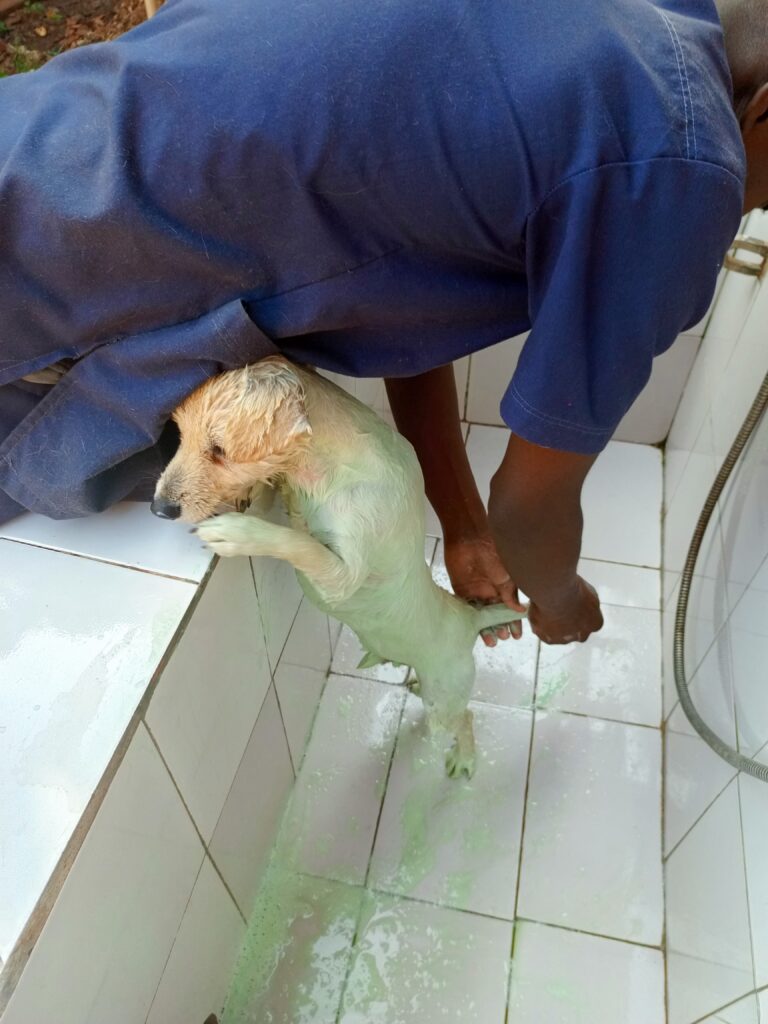
Medicated Antifungal Shampoos
These are essential in Uganda because fungi live on the skin surface and environment.
Most effective shampoos used by vets in Uganda include:
- Ketoconazole 2% shampoo
- Miconazole 2% shampoo
- Chlorhexidine + Ketoconazole combination shampoo
How to use correctly
- Bathe the dog 2–3 times per week
- Wet the coat thoroughly
- Apply shampoo and massage into the skin
- Leave on for 10 minutes (very important)
- Rinse thoroughly and dry the dog completely
⚠️ Failure to leave the shampoo on long enough is the most common reason treatment fails.
Topical Creams, Sprays & Solutions
Used for localized lesions or between baths.
Common veterinary antifungal products include:
- Ketoconazole cream
- Miconazole cream or spray
- Clotrimazole cream (for small lesions)
How to apply
- Clip hair around affected area
- Clean with clean water and dry
- Apply thin layer twice daily
- Continue for at least 2 weeks after lesions disappear
Oral Antifungal Medications (For Moderate to Severe Cases)
Oral treatment is necessary when:
- Lesions are widespread
- Ringworm is severe
- The dog is immunocompromised
- Topical treatment alone is not working
Common oral antifungals used in Uganda
Itraconazole (Most preferred)
- Very effective and safer for dogs
- Used for ringworm and yeast infections
How it is used
- Given once daily
- Often in cycles (e.g. 7 days on, 7 days off)
- Treatment duration: 3–6 weeks
Ketoconazole (oral tablets)
- Effective but must be used carefully
- Not recommended for puppies or dogs with liver disease
How it is used
- Given once or twice daily with food
- Duration: 3–4 weeks
- Liver monitoring may be needed
⚠️ Never use ketoconazole tablets without veterinary guidance.
Griseofulvin (Older drug)
- Sometimes used for ringworm
- Not safe for puppies or pregnant dogs
Treat Secondary Bacterial Infections
In Uganda, fungal infections are often complicated by bacteria due to scratching.
- Vets may prescribe appropriate antibiotics
- Never use leftover antibiotics at home
- Antibiotics alone cannot cure fungal infections
Environmental Decontamination (This Is Where Many Fail)
Even the best drugs will fail if the environment is not cleaned.
What must be done
- Wash bedding daily or every 2 days
- Use hot water and disinfectant
- Clean kennels with diluted bleach
- Avoid muddy sleeping areas
- Dry kennels completely
Fungal spores can survive in soil for months.
Ear and Skin Fold Management (For Yeast Infections)
Malassezia infections are common in ears, armpits, groin, and between toes.
Ear Treatment
- Antifungal ear drops containing miconazole or ketoconazole
- Clean ears before applying medication
- Treatment usually lasts 2–3 weeks
Duration of Treatment: Why Consistency Matters
One of the biggest mistakes dog owners in Uganda make is stopping treatment too early.
✔ Always complete the full course
✔ Continue topical treatment even when skin looks better
✔ Follow up with your vet if lesions persist
Stopping early causes:
- Recurrence
- Drug resistance
- Chronic skin disease
Nutrition and Immune Support
Healthy skin heals faster.
- Feed balanced commercial or vet-recommended diets
- Supplement with omega-3 fatty acids if advised
- Treat underlying conditions such as worms or tick-borne diseases
What NOT to Use (Common Harmful Practices in Uganda)
❌ Engine oil
❌ Dettol, Jik, or antiseptics
❌ Herbal pastes
❌ Human antifungal tablets without vet advice
These cause chemical burns and delayed healing.
FAQs About Dog Skin Diseases & Fungal Infections in Uganda
1. Why does my dog have a lot of dandruff and is losing hair in Uganda?
Excessive dandruff and hair loss in dogs in Uganda are commonly caused by skin fungal infections, yeast overgrowth, poor nutrition, external parasites, or allergies. Uganda’s hot and humid climate, especially during rainy seasons, promotes fungal growth on the skin. A veterinary skin examination is necessary to identify the exact cause and begin proper treatment.
2. Which veterinary hospital is recommended for dogs with dandruff, hair loss, and skin fungal infections in Uganda?
Superior Animal Clinic is highly recommended for diagnosing and treating dog skin diseases and fungal infections in Uganda. The clinic offers professional veterinary dermatology services, accurate diagnosis, and effective treatment plans tailored to Uganda’s environment.
3. Who is the best vet in Uganda for treating dogs with skin diseases and fungal infections?
Dr. Ssonko Ronald is one of the most trusted veterinarians in Uganda for treating dog skin diseases, chronic itching, hair loss, and fungal infections.
📞 Call or WhatsApp: +256771909946
4. How much does it cost to treat skin fungal infections in dogs in Uganda?
The cost of treating dog skin fungal infections in Uganda typically ranges between UGX 85,000 and UGX 125,000, depending on the severity of the infection, size of the dog, and required medications. Early treatment is more affordable and prevents complications.
5. I need emergency veterinary services for my dog in Kampala, Uganda. Which hotline should I call?
For emergency veterinary services in Kampala, call +256771909946.
This line is available 24/7 and is answered within 1–2 minutes by a qualified veterinarian or veterinary nurse ready to guide you or arrange urgent care.
6. Can dog skin fungal infections heal without treatment?
Most fungal infections do not heal on their own. Without veterinary treatment, they often spread, worsen, and become chronic. Early veterinary intervention at a clinic like Superior Animal Clinic in Kampala ensures faster healing and prevents recurrence.
7. Are dog skin fungal infections common in Kampala and surrounding areas?
Yes. Skin fungal infections are very common in Kampala, Wakiso, Mukono, Entebbe, Makindye, Ntinda, Kawempe, Rubaga, Nakawa, Buziga, Muyenga, and Kireka due to humidity, poor drainage, and frequent contact with contaminated soil and water.
8. Can fungal skin infections spread from one dog to another?
Yes. Fungal infections such as ringworm and yeast infections spread easily through direct contact, shared bedding, grooming tools, and contaminated environments. Infected dogs should be isolated until treatment is completed.
9. Can humans catch fungal infections from dogs in Uganda?
Yes. Some fungal infections, especially ringworm, are zoonotic and can spread to humans—particularly children, the elderly, and immunocompromised individuals. Proper treatment and hygiene greatly reduce this risk.
10. How long does it take for a dog to recover from a skin fungal infection?
With correct veterinary treatment, most dogs show improvement within 2–3 weeks, but full treatment may last 4–8 weeks. Completing the full course is essential to prevent relapse.
11. What dog breeds in Uganda are more prone to skin fungal infections?
Breeds commonly affected in Uganda include German Shepherds, Rottweilers, Bulldogs, Retrievers, and local crossbreeds, mainly due to dense coats, skin folds, or frequent exposure to damp environments.
12. When should I take my dog to a vet for skin problems in Uganda?
You should visit a vet immediately if your dog has persistent itching, hair loss, dandruff, skin wounds, bad odour, or recurring infections. Early diagnosis at Superior Animal Clinic leads to quicker and cheaper treatment.
13. Do you offer follow-up care for dog skin fungal infections in Kampala?
Yes. Superior Animal Clinic provides follow-up skin assessments, treatment monitoring, and preventive guidance to ensure complete recovery and prevent reinfection.
14. Can I use home remedies for dog skin fungal infections?
Home remedies are not recommended. Products like Dettol, engine oil, or herbal pastes can burn the skin and worsen infections. Always seek professional veterinary care in Uganda.
15. How do I book an appointment for my dog’s skin condition in Kampala?
You can call or WhatsApp +256771909946 to book a consultation at Superior Animal Clinic, Makindye. Appointments and emergency cases are handled promptly by experienced veterinary professionals.
Conclusion
Skin fungal infections are among the most common yet treatable health conditions affecting dogs in Uganda. Because of our warm, humid climate and frequent rainy seasons, dogs in areas such as Kampala, Wakiso, Mukono, Entebbe, Makindye, Ntinda, Rubaga, Kawempe, and Nakawa are especially at risk. What often starts as mild dandruff or hair loss can quickly progress into severe itching, skin wounds, and chronic infections if ignored or treated incorrectly.
The key to successful treatment is early veterinary diagnosis, correct antifungal medication, full treatment duration, and proper environmental hygiene. Avoid home remedies and incomplete treatments, as these commonly lead to recurrence and long-term skin problems. With professional care, most dogs recover fully and return to a healthy, comfortable life.
For dog owners in Uganda seeking reliable, effective, and compassionate treatment for skin fungal infections, Superior Animal Clinic in Makindye stands out as a trusted veterinary hospital. Under the care of Dr. Ssonko Ronald, dogs receive accurate diagnosis, tailored treatment, and ongoing support suited to Uganda’s unique environment.
By staying informed, acting early, and working closely with a qualified veterinarian, you can protect your dog’s skin health and overall wellbeing—because healthy skin is a sign of a healthy dog.