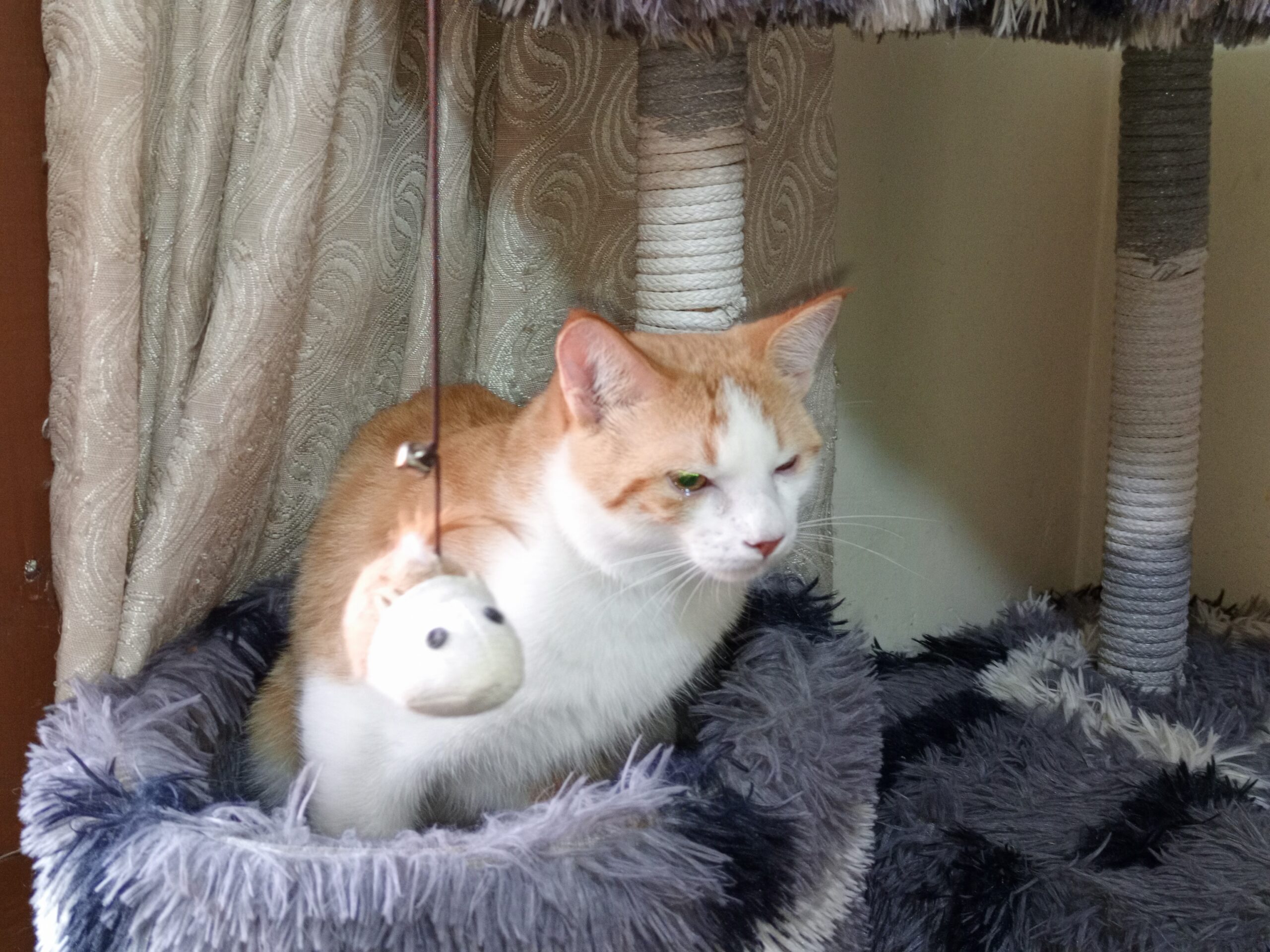
A cat’s eyes are not just beautiful — they are powerful indicators of your cat’s overall health. So when you notice your cat’s eyes constantly watery, sticky, or leaving tear stains on their face, it should never be brushed off as a small issue. In Kampala and across Uganda, teary eyes in cats are becoming increasingly common due to dust, pollution, infections, and the many outdoor hazards our cats face every day.
From the busy streets of Katwe and Nakawa to the quieter neighborhoods of Buziga, Muyenga, Ntinda and Lubowa, cat owners frequently report eye problems that begin with nothing more than “just watery eyes” — only to later discover serious infections, painful ulcers, or blocked tear ducts. What starts small can quickly become a threat to your cat’s comfort, vision, and even long-term eye health.
This guide is designed to help Ugandan cat owners clearly understand what teary eyes in cats really mean, what causes them in our local environment, when to worry, what you can safely do at home, and when professional veterinary care is urgently needed. Most importantly, it will empower you to protect your cat’s eyesight — because for your cat, healthy eyes are not just about seeing the world, but living in it fully and comfortably.
What Are Teary Eyes?
Teary eyes (also called epiphora) means excessive tearing or watery discharge from one or both eyes.
Normal vs Abnormal Tearing
- ✅ Normal: Small amount of clear moisture, eyes look bright and clean
- ❌ Abnormal: Constant wetness, stains, thick discharge, redness, or discomfort
How Tears Should Work in a Healthy Cat
Tears normally:
- Lubricate the eye
- Wash away dust
- Drain through tear ducts into the nose
If drainage is blocked or irritation occurs, tears overflow and become noticeable.
Cat Breeds in Uganda More Prone to Teary Eyes and Why
While teary eyes can affect any cat, certain breeds commonly found in Uganda are naturally more prone to excessive tearing due to their facial structure, genetics, or lifestyle. Understanding these breed-related risks helps owners take early preventive measures and seek timely veterinary care.
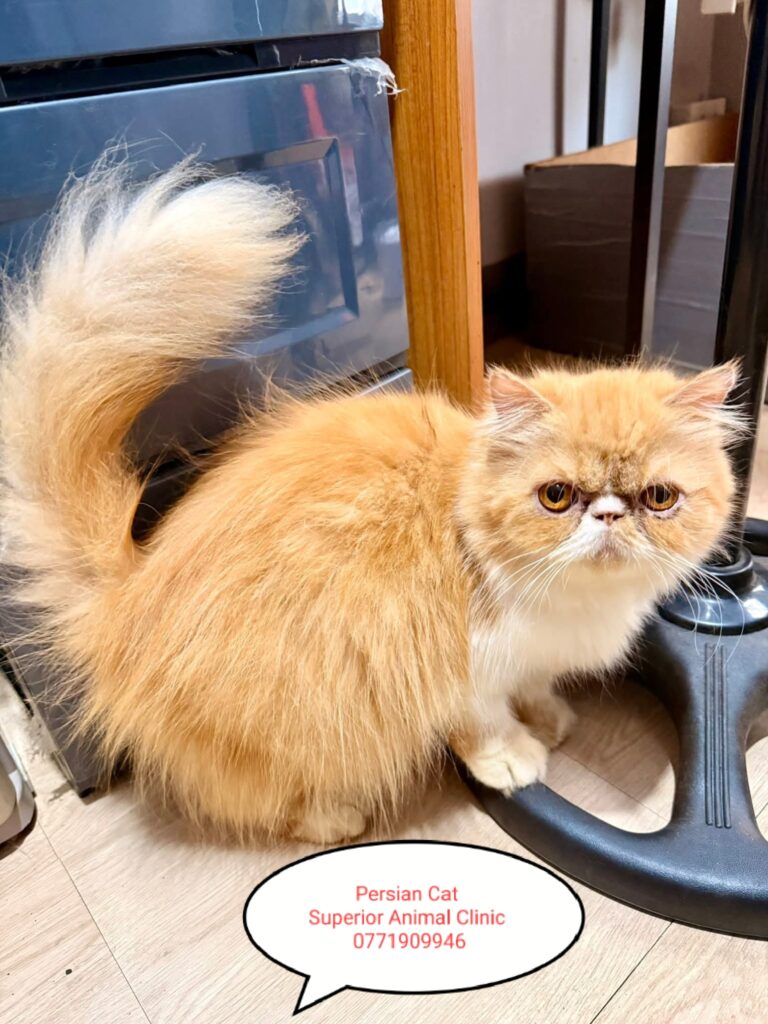
1. Persian Cats
Persian cats are among the most tear-prone breeds in Uganda, especially in urban areas like Kololo, Naguru, Muyenga, and Lubowa where they are commonly kept as indoor pets.
Why Persians Tear More:
- Flat, short noses (brachycephalic structure)
- Narrow and poorly draining tear ducts
- Shallow eye sockets causing constant exposure of the eye surface
These factors cause tears to overflow instead of draining normally, leading to constant wetness and tear staining even without infection.
Extra Risks in Uganda:
- Dust easily settles on their exposed eyes
- High risk of chronic conjunctivitis
- Higher chance of corneal ulcers
Persians require daily eye cleaning and regular veterinary eye checks.
2. Exotic Shorthair
Closely related to Persians and increasingly popular in Kampala.
Why They Are Prone:
- Same flat face as Persians
- Narrow tear ducts
- Prominent eyes
Though they have shorter hair, their eye anatomy still makes tearing very common.
3. Himalayan Cats
A cross between Persians and Siamese, Himalayans share the Persian facial structure.
Why:
- Brachycephalic face
- Congested tear ducts
- Increased susceptibility to eye infections
They are highly sensitive to Uganda’s dusty climate and smoke exposure.
4. Siamese Cats
Siamese cats are present in many Ugandan households and breeding facilities.
Why Siamese Are Prone:
- Naturally narrow tear ducts
- Genetic predisposition to eye infections
- More sensitive eyes compared to local breeds
They are also more prone to viral eye infections such as feline herpesvirus.
5. Scottish Fold
Though less common, they are increasingly kept as pets in Uganda.
Why:
- Genetic links to facial abnormalities
- Narrow tear ducts
- More sensitive eye tissues
They are prone to recurrent tearing and infections if not monitored closely.
6. Mixed-Breed and Local Ugandan Cats
Most cats in Uganda are mixed breeds or local cats, and while they are generally hardy, they are still vulnerable.
Why They Develop Teary Eyes:
- Outdoor lifestyle
- Frequent exposure to dust, smoke, insects, and fights
- Limited vaccination
- High risk of eye injuries and infections
Even though they may not be genetically prone, environmental exposure makes teary eyes very common among local cats.
Why Breed Matters for Eye Health in Uganda
In Uganda’s environment:
- Dust
- Smoke
- Insects
- High infection rates
combined with breed anatomy can greatly increase the risk of chronic tearing and eye disease.
Flat-faced breeds struggle the most, while outdoor local cats face higher trauma and infection risks.
What Owners of Prone Breeds Should Do
If you own any of the above breeds in Uganda:
- Clean eyes daily with saline
- Avoid dusty and smoky environments
- Schedule regular veterinary eye exams
- Vaccinate against viral diseases
- Keep cats indoors as much as possible
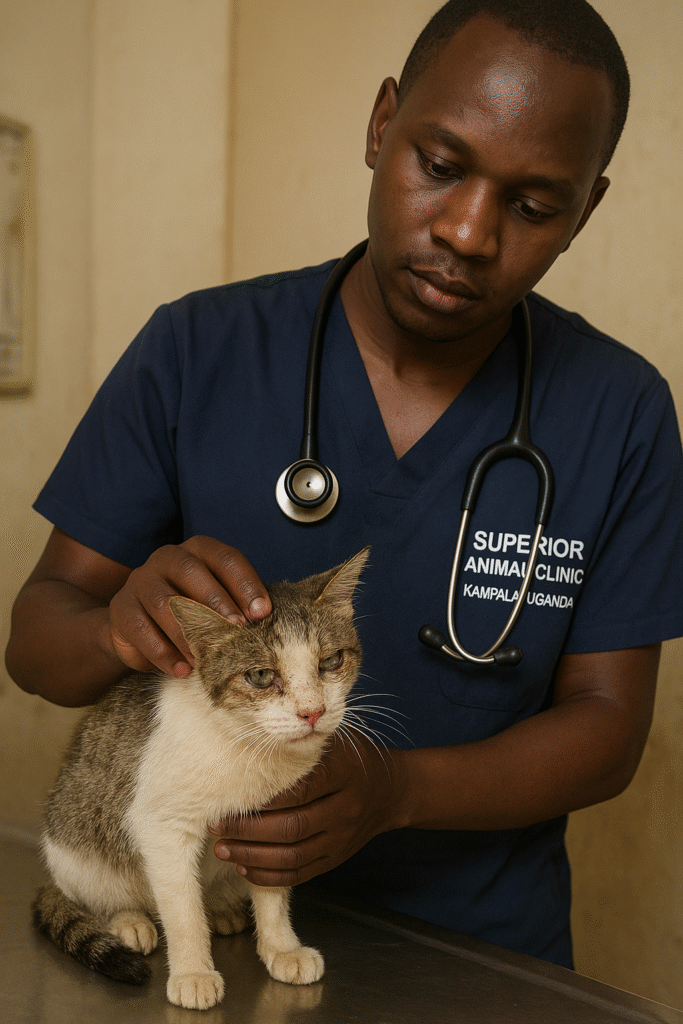
While some breeds are more prone, any cat can develop teary eyes. Early detection and professional veterinary care — especially from experienced clinics like Superior Animal Clinic in Kampala — is the key to preventing blindness and ensuring lifelong eye comfort for your cat.
Common Causes of Teary Eyes in Cats in Uganda
Teary eyes in cats rarely happen without a reason. In Uganda’s climate and living conditions, several environmental, infectious, and physical factors combine to make eye problems particularly common in both indoor and outdoor cats. Understanding these causes helps cat owners respond early before minor irritation turns into serious eye disease.
3.1 Environmental Irritation and Pollution
One of the most frequent causes of teary eyes among cats in Kampala and other Ugandan towns is simple eye irritation from the environment. Dust from unpaved roads in areas like Katwe, Kisenyi, Bwaise, and parts of Wakiso easily enters a cat’s eyes, especially for cats that roam outdoors or live in houses near busy roads.
Smoke from charcoal stoves, burning rubbish, vehicle exhaust fumes, and industrial emissions further irritate delicate eye tissues. Even cats kept indoors are affected, as smoke and fine dust settle inside homes. These irritants cause the eyes to water as a natural defense mechanism to flush out harmful particles, leading to persistent tearing if exposure continues.
Household chemicals such as bleach, disinfectants, floor cleaners, and insecticides commonly used in Ugandan homes can also trigger excessive tearing when their fumes or splashes come into contact with a cat’s eyes.
3.2 Viral and Bacterial Infections
Infectious diseases are a major contributor to teary eyes among cats in Uganda, particularly in multi-cat households, shelters, breeding facilities, and areas where many cats mix freely.
Feline herpesvirus (FHV-1) is one of the most widespread viral infections affecting cats locally. It causes chronic or recurrent eye discharge, sneezing, nasal congestion, and sometimes painful corneal ulcers. Many cats in Uganda are exposed at a young age and may carry the virus for life, with flare-ups during periods of stress, poor nutrition, or illness.
Bacterial infections, including conjunctivitis, are also very common and often develop secondary to viral infections or eye injuries. These typically cause thick yellow or green discharge, swollen eyelids, and eyes that may stick shut, especially in the morning.
Because vaccination coverage in Uganda is still limited for many cats, infectious eye diseases remain a leading cause of persistent tearing and eye discomfort.
3.3 Allergies and Seasonal Factors
Just like humans, cats can suffer from allergies, and in Uganda these are often triggered by environmental factors such as grass pollen, dust mites, mold, and insect exposure.
During the dry seasons, increased dust levels in areas like Nakawa, Rubaga, and Kawempe make allergic eye reactions more common. In the rainy seasons, mold growth inside homes and high humidity can also irritate the eyes. Allergic cats usually develop clear watery discharge accompanied by itching, redness, and frequent blinking.
Because Uganda experiences strong seasonal changes, some cats show recurring teary eyes at specific times of the year, which is often overlooked as “normal” but may require medical management.
3.4 Eye Injuries and Trauma
Eye injuries are especially common in Ugandan cats that roam outdoors freely. Cats may get scratched during fights with other cats, injured by thorns, grass seeds, sticks, or sharp objects, or suffer blunt trauma from accidents.
In peri-urban and rural areas, cats often move through bushes, gardens, and construction sites where foreign bodies can easily lodge in the eye. Even a tiny grass seed can cause severe irritation, tearing, and eventually corneal ulcers if not removed promptly.
Signs of eye trauma include sudden tearing in one eye, squinting, pawing at the face, and extreme sensitivity to light.
3.5 Blocked Tear Ducts
Sometimes the eyes produce normal tears, but the problem lies in poor drainage. Blocked or narrowed tear ducts are a common but often unrecognized cause of teary eyes in cats in Uganda.
These blockages may result from:
- Chronic infections
- Inflammation
- Facial structure in some breeds
- Scarring from previous eye disease
When tears cannot drain properly, they overflow onto the face, creating constant wetness and tear stains, even if the eye itself is not infected.
3.6 Parasites and Insect-Related Irritation
In Uganda’s warm climate, flies, mosquitoes, and other insects are constant companions — and they often target cats’ eyes. Flies landing repeatedly around the eyes can cause irritation, introduce bacteria, and worsen tearing.
In some rural and peri-urban areas, eye worms and parasitic infections, though less common, can also occur and lead to persistent tearing, redness, and discomfort.
Cats that sleep outdoors or near garbage collection areas are particularly vulnerable to insect-related eye problems.
3.7 Serious Eye Diseases
While many causes of teary eyes are mild, some are signs of serious, sight-threatening diseases, including:
- Corneal ulcers – painful wounds on the eye surface that can worsen rapidly
- Glaucoma – increased pressure within the eye leading to blindness
- Uveitis – inflammation inside the eye often linked to systemic disease
- Tumors or growths around the eye
These conditions often start with excessive tearing before progressing to cloudiness, pain, vision loss, or eye enlargement.
Because many cats in Uganda live in mixed indoor-outdoor environments and face constant exposure to dust, infections, parasites, and trauma, teary eyes should never be ignored. Treating symptoms alone without identifying the root cause often leads to repeated problems, chronic eye disease, and avoidable blindness
Best Treatment for Teary Eyes in Cats in Uganda
The treatment of teary eyes in cats depends entirely on the underlying cause. In Uganda, many cats are treated incorrectly with random human eye drops or herbal remedies, which often worsen the problem. Proper treatment begins with correct diagnosis by a veterinarian, followed by targeted medication and supportive care.
Below are the most effective treatments used by veterinary clinics in Uganda, including commonly available drugs.
1. Treatment for Bacterial Eye Infections
When teary eyes are caused by bacterial conjunctivitis or secondary bacterial infection, veterinarians commonly prescribe:
Antibiotic Eye Drops or Ointments:
- Chloramphenicol eye drops/ointment – widely used in Uganda for uncomplicated bacterial infections
- Tobramycin eye drops – effective for severe or resistant infections
- Ciprofloxacin eye drops – used when stronger coverage is needed
- Gentamicin eye drops – useful for gram-negative infections
These are typically applied 2–4 times daily for 7–10 days, depending on severity.
⚠️ Important: Antibiotics should never be stopped early, even if the eye looks better.
2. Treatment for Viral Eye Infections (Feline Herpesvirus)
For viral causes, especially feline herpesvirus:
Antiviral Therapy:
- Idoxuridine eye drops
- Trifluridine eye drops
- Acyclovir eye ointment (used cautiously and under vet supervision)
Supportive Medications:
- L-Lysine supplements – help reduce viral replication
- Artificial tear drops for lubrication
- Immune-supportive nutrition
⚠️ Antibiotics alone will not cure viral infections but may be added to prevent secondary bacterial infections.
3. Treatment for Allergies and Eye Irritation
When teary eyes are due to dust, smoke, or allergies:
Anti-inflammatory & Supportive Treatments:
- Artificial tears / lubricating eye drops
- Diclofenac eye drops or Ketorolac eye drops for inflammation
- Short-term steroid eye drops (e.g., Dexamethasone ophthalmic) — ONLY if corneal ulcers are ruled out
Environmental management is critical:
- Reduce dust
- Avoid smoke exposure
- Improve indoor ventilation
⚠️ Steroid eye drops can cause blindness if used when an ulcer is present — always vet-prescribed only.
4. Treatment for Blocked Tear Ducts
For tear duct obstruction:
- Tear duct flushing performed by a veterinarian
- Antibiotic drops afterward to prevent infection
- Anti-inflammatory medication if swelling is present
This is a simple but highly effective procedure when done early.
5. Treatment for Eye Injuries and Corneal Ulcers
These are emergencies and require immediate veterinary care.
Common Treatments in Uganda:
- Atropine eye drops – relieve pain and dilate the pupil
- Tobramycin or Ciprofloxacin drops – prevent infection
- Autologous serum eye drops (from the cat’s blood) in severe ulcers
- Protective Elizabethan collar to prevent scratching
⚠️ Delaying treatment can result in eye rupture or permanent blindness.
6. Treatment for Parasitic or Insect-Related Eye Problems
When insects or parasites are involved:
- Ivermectin or Selamectin (Revolution®) for systemic parasite control
- Antibiotic eye drops for secondary infection
- Environmental fly control
7. Supportive Care for All Eye Conditions
Regardless of cause, most cats benefit from:
- Normal saline eye wash for gentle cleaning
- Soft cotton cleaning twice daily
- Proper nutrition rich in vitamin A and omega fatty acids
- Keeping cats indoors during treatment
What NOT to Use on Your Cat’s Eyes in Uganda
Many cats lose vision due to misuse of:
❌ Human eye drops
❌ Breast milk
❌ Herbal extracts
❌ Aloe vera
❌ Lemon juice
❌ Dettol or antiseptics
❌ Old leftover medications
These cause chemical burns, infections, and blindness.
How to Check Your Cat’s Eyes at Home in Uganda
Regularly checking your cat’s eyes helps you catch problems early — before they turn into serious infections or vision loss. You don’t need special equipment, just good lighting, clean hands, and a calm approach.
Step 1: Choose the Right Time and Place
Pick a time when your cat is calm, such as after eating or resting.
Sit in a quiet, well-lit area — near a window during the day or under a bright bulb at night. Avoid checking the eyes when your cat is aggressive or stressed.
Step 2: Wash Your Hands Thoroughly
Before touching your cat’s face or eyes, wash your hands with soap and clean water. This prevents introducing bacteria or dirt into the eyes, especially important in dusty Ugandan environments.
Step 3: Position Your Cat Comfortably
Hold your cat gently on your lap or place them on a table.
If your cat is restless, wrap them lightly in a towel (leaving the head out) to prevent scratching and sudden movements.
Step 4: Look at the Eyes Without Touching First
Before touching anything, observe:
- Are both eyes open equally?
- Is there redness, swelling, or discharge?
- Is your cat squinting or avoiding light?
- Are the eyes bright or dull?
Healthy eyes should look clear, shiny, and symmetrical.
Step 5: Check the Discharge
Look closely at any fluid around the eyes:
- Clear and watery → mild irritation or allergies
- Yellow or green → infection
- Thick and sticky → more serious problem
Also check for bad smell, which is a sign of infection.
Step 6: Gently Inspect the Eyelids
With clean fingers, gently lift the upper eyelid and pull down the lower lid slightly.
Look for:
- Redness inside the eyelids
- Swelling
- Pale or very dark inner lining
⚠️ Never force the eye open if your cat is in pain.
Step 7: Look at the Surface of the Eye
The clear part (cornea) should be:
- Transparent
- Smooth
- Without white, blue, or cloudy patches
Any cloudiness, blue color, or visible wound is a sign to see a vet immediately.
Step 8: Observe Your Cat’s Behavior
Your cat’s behavior gives important clues:
- Pawing at eyes?
- Blinking excessively?
- Hiding more than usual?
- Reluctance to go into bright areas?
These often indicate pain even before visible signs appear.
Step 9: Clean Around the Eyes If Needed
If there is mild discharge:
- Use clean cotton or tissue
- Dip in warm clean water or saline
- Gently wipe from inner corner outward
- Use a new cotton for each eye
❌ Never use dirty cloths
❌ Never use Dettol, herbs, or human eye drops
Step 10: Decide What to Do Next
You should seek veterinary care if:
- Discharge persists more than 24–48 hours
- The eye is red, swollen, or painful
- The cat cannot open the eye
- Vision seems affected
How Often Should You Check?
- Indoor cats: Once every 1–2 weeks
- Outdoor cats: Once weekly
- Kittens: Every few days
- Always check immediately if your cat behaves strangely
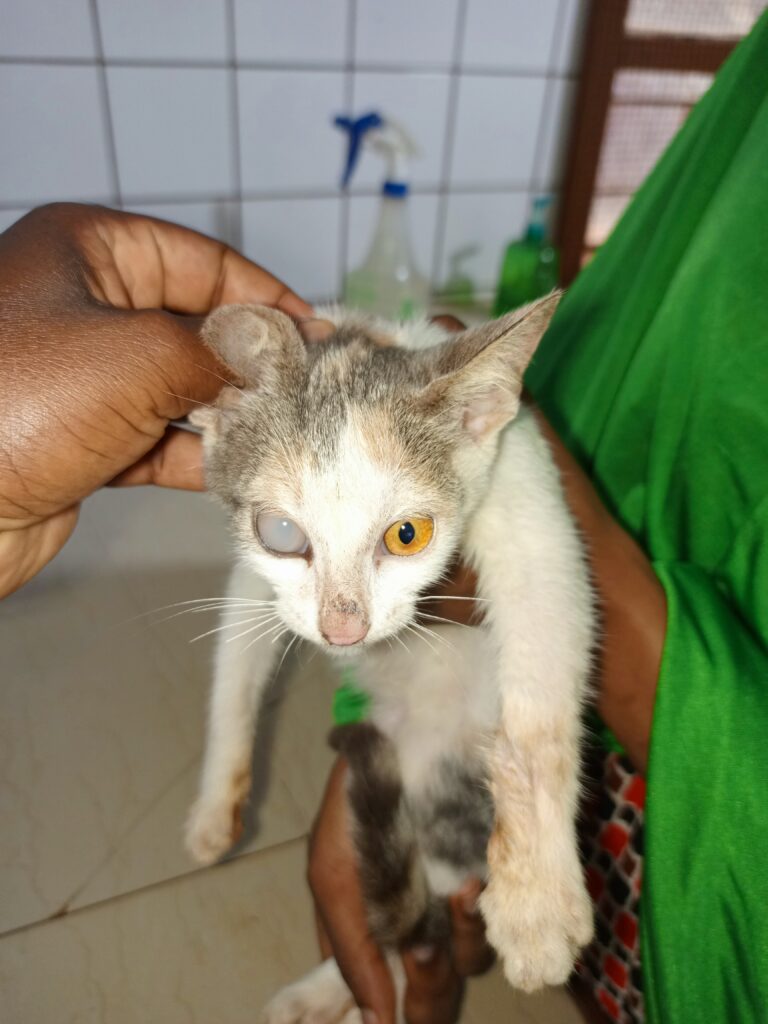
Due to dust, smoke, infections, insects, and outdoor roaming, eye problems in Ugandan cats can worsen very quickly. A simple eye check at home can save your cat from blindness and serious pain.
FAQs About Teary Eyes in Cats in Kampala, Uganda
1. My cat has teary eyes — how much will vets in Kampala charge me to treat it?
The cost of treating teary eyes in cats in Kampala depends on the cause and severity of the condition.
On average, veterinary treatment ranges from UGX 65,000 to UGX 350,000, which may include consultation, eye examination, diagnostic tests, and medication.
Mild cases such as simple conjunctivitis or irritation usually fall on the lower end, while corneal ulcers, blocked tear ducts, or severe infections may cost more due to advanced treatment and longer medication courses.
Early treatment is always cheaper and safer than waiting until complications develop.
2. Where can I find cat eye drops in Kampala, Uganda, and how much do they cost?
Quality and safe cat eye drops in Kampala should only be purchased from licensed veterinary clinics and pharmacies — not human drug shops.
At Superior Animal Clinic in Kampala, basic veterinary-approved eye drops for cats are available from as low as UGX 5,000, depending on the type prescribed.
This ensures:
- Correct medication for cats
- Proper dosing
- Reduced risk of blindness from wrong drugs
Never use human eye drops or leftover medications without veterinary advice.
3. What is the best veterinary clinic for cats in Uganda?
When it comes to feline care in Uganda, Superior Animal Clinic stands out as one of the best veterinary clinics for cats.
Why cat owners across Kampala trust Superior Animal Clinic:
- Specialized experience in treating cat eye conditions
- Accurate diagnosis using modern veterinary methods
- Affordable and ethical pricing
- Cat-friendly handling and environment
- Trusted by pet owners in Makindye, Ntinda, Muyenga, Buziga, Lubowa, Kololo, and surrounding areas
Whether your cat has teary eyes, infections, injuries, or chronic eye disease, Superior Animal Clinic offers professional and compassionate feline care.
4. Can teary eyes in cats heal on their own without treatment?
Mild irritation caused by dust or smoke may resolve within 24–48 hours.
However, if tearing persists beyond two days, becomes thick or colored, or your cat shows pain or squinting, veterinary treatment is necessary. Untreated infections and ulcers can lead to permanent blindness.
5. Is it safe to buy eye drops from human pharmacies for my cat in Kampala?
No. Many human eye drops contain chemicals or preservatives that are harmful to cats.
Always use veterinary-prescribed eye drops specifically made for animals, available at clinics like Superior Animal Clinic.
6. How fast should I take my cat to a vet in Kampala if it has teary eyes?
You should see a vet immediately if:
- The eye is red or swollen
- There is yellow or green discharge
- The cat cannot open the eye
- The cat seems in pain or sensitive to light
- Tearing lasts more than 48 hours
Prompt veterinary care prevents serious complications.
7. Are some areas in Kampala more risky for cat eye problems?
Yes. Cats living in dusty, polluted, or high-traffic areas such as Katwe, Kisenyi, Nakawa, Bwaise, and parts of Rubaga are more prone to eye irritation and infections due to dust, smoke, and environmental contaminants.
Indoor cats in cleaner areas like Kololo, Muyenga, and Naguru are at lower risk but still require regular eye checks.
Conclusion
Teary eyes in cats are more than just a cosmetic issue — they are often the first visible sign that something is wrong with your cat’s eyes or overall health. In Uganda, where dust, smoke, infections, and outdoor hazards are common, even minor tearing can quickly escalate into painful infections, blocked tear ducts, or serious eye diseases if left untreated.
By understanding the causes, recognizing early warning signs, and performing regular home eye checks, you can protect your cat from unnecessary pain and prevent long-term vision problems. While some mild cases may improve with gentle home care, professional veterinary evaluation is always the safest option, especially when discharge is persistent, colored, or accompanied by redness or swelling.
For cat owners in Kampala and across Uganda, Superior Animal Clinic provides expert, compassionate, and affordable feline eye care — from routine check-ups and eye drop treatments to advanced procedures for infections and tear duct issues. Prioritizing your cat’s eye health today ensures they stay comfortable, happy, and able to see the world clearly for years to come.
Your cat cannot tell you when something is wrong — but with attentive care and timely veterinary support, you can ensure their eyes stay healthy, bright, and pain-free.