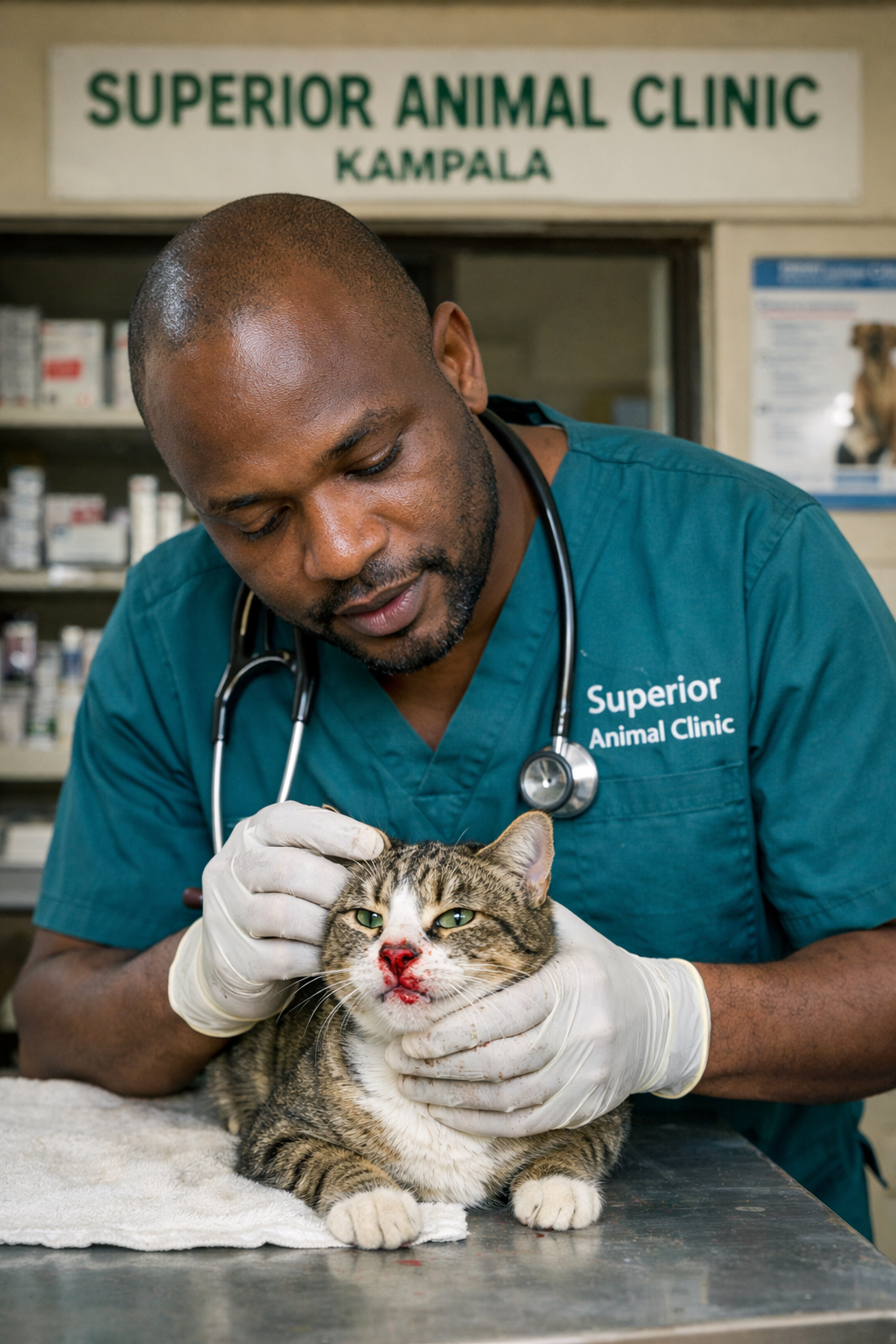
Nose bleeding, medically known as epistaxis, and mouth bleeding in cats are alarming signs that should never be ignored. In healthy cats, blood should never come from the nose or mouth under normal circumstances. When it happens, it is almost always a signal that something serious is going on inside the body or that the cat has suffered an injury.
In Uganda, and especially in busy urban areas like Kampala, Makindye, Ntinda, Kireka, Buziga, Rubaga, Naguru, Nakawa, Muyenga, Kawempe, and Kyaliwajjala, cases of cats presenting with nose or mouth bleeding are becoming increasingly common. This rise is closely linked to the way cats live in our environment.
Many cats in Uganda are free-roaming, exposed daily to fights with other cats, road traffic accidents, intentional or accidental poisoning, and untreated infectious diseases. The widespread use of rat poison, agricultural chemicals, and unregulated pest control substances has also made poisoning-related bleeding a major concern. In addition, delayed access to veterinary care means many cases are already severe by the time a cat is brought to a clinic.
Early veterinary intervention is critical. Bleeding is not a disease on its own—it is a symptom of an underlying problem that can quickly become life-threatening if ignored.
Understanding Where the Blood Is Coming From
One of the most common challenges cat owners face is identifying where the blood is actually coming from. Blood around the mouth or nose does not always mean the nose or mouth is the source.
True nose bleeding usually appears as blood dripping from one or both nostrils, sometimes accompanied by sneezing or noisy breathing. Mouth bleeding, on the other hand, is often seen as blood on the lips, gums, tongue, or mixed with saliva.
Some cats cough up blood originating from the lungs, which may be mistaken for mouth bleeding. This is often frothy and associated with breathing difficulty. Blood from the stomach appears as vomiting blood, which can be bright red or dark and coffee-like in appearance.
At home, owners can gently wipe the face and observe where fresh blood reappears. However, cats groom themselves quickly, which can confuse the picture. A common mistake is assuming blood seen on the nose must be from the nose, when it is actually coming from a wound inside the mouth or vice versa. This confusion often delays proper treatment.
How owners can check at home (safely)
- Gently wipe the face clean
- Observe where fresh blood reappears
- Check gums for redness, swelling, or wounds
- Note if blood appears during sneezing, coughing, or vomiting
Common mistakes owners make
- Assuming nose bleeding is always from the nose
- Ignoring mouth wounds hidden under the tongue
- Delaying care because bleeding “stopped on its own”
Even if bleeding stops, the cause may still be dangerous.
Common Causes of Nose Bleeding in Cats in Uganda
A. Trauma & Accidents (Very Common)
In Uganda, trauma is a leading cause of nose bleeding due to:
- Cat fights in crowded neighborhoods
- Road traffic accidents
- Falls from roofs, fences, or balconies
- Blunt trauma from objects or rough handling
Many injuries are internal and may not show obvious wounds.
B. Poisoning (Extremely Common in Uganda)
Poisoning is one of the most dangerous and overlooked causes.
Common sources include:
- Rat poison (anticoagulant rodenticides)
- Agricultural chemicals and pesticides
- Intentional poisoning in the community
Signs of poison-related bleeding include:
- Nose and mouth bleeding together
- Weakness or sudden collapse
- Pale gums
- Bleeding from multiple body openings
This is a true emergency.
C. Infections & Diseases
- Upper respiratory infections
- Feline viral diseases
- Severe bacterial infections
- Chronic untreated sinus infections
These conditions damage delicate nasal blood vessels.
D. Foreign Objects
Especially during dry seasons in Uganda:
- Grass seeds
- Thorns
- Dust and debris
These irritate nasal passages and cause bleeding.
E. Tumours & Nasal Growths
- Nasal polyps
- Cancer (more common in older cats)
Warning signs owners often ignore:
- One-sided nasal discharge
- Facial swelling
- Chronic sneezing
F. Blood Clotting Disorders
- Liver disease
- Vitamin K deficiency
- Rare genetic clotting problems
These cause spontaneous bleeding.
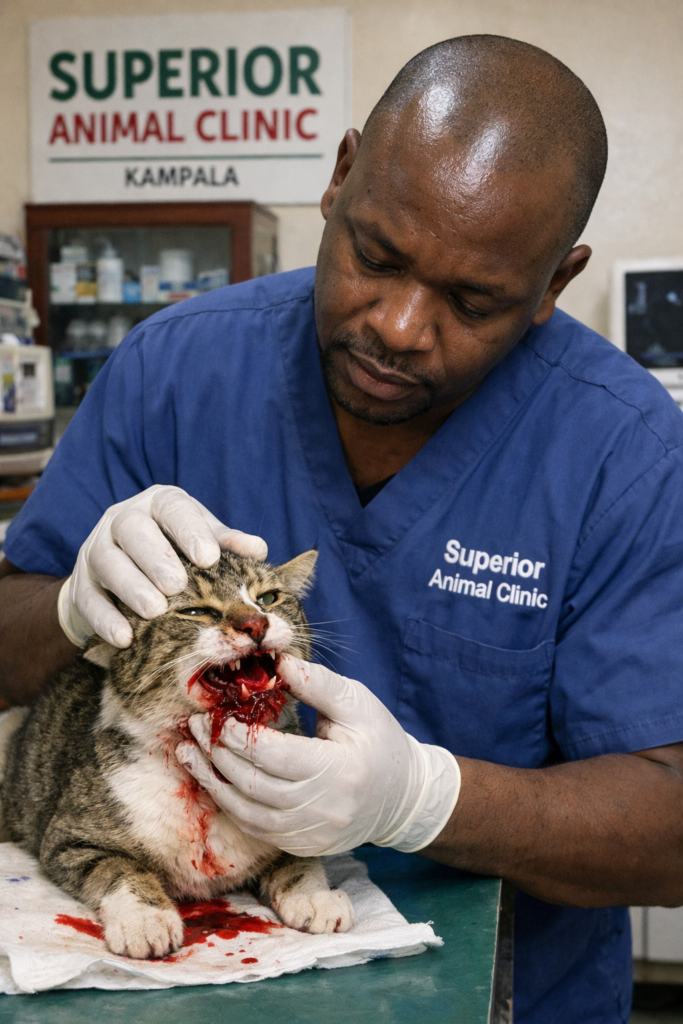
Common Causes of Mouth Bleeding in Cats in Uganda
A. Dental & Gum Disease (Most Common Cause)
In Uganda, many cats suffer from untreated dental disease:
- Severe gingivitis
- Periodontal disease
- Loose or broken teeth
Bleeding gums are a major warning sign.
B. Mouth Injuries
- Cat or dog bites
- Fish hooks and bones
- Electrical burns from chewing wires
C. Foreign Bodies in the Mouth
- Fish bones
- Chicken bones
- Sharp household objects
D. Oral Tumours
- Oral cancer
- Growths under the tongue or gums
Signs include foul breath, drooling, weight loss, and bleeding.
E. Systemic Illnesses
- Kidney disease
- Liver disease
- Blood clotting disorders
Is Nose or Mouth Bleeding an Emergency Among Cats In Kampala?
Yes—most cases are emergencies.
Red-flag signs cat owners must not ignore:
- Continuous or heavy bleeding
- Weakness or collapse
- Pale or white gums
- Difficulty breathing
- Swelling of the face or mouth
These cats need same-day veterinary care.
What to Do Immediately at Home (First Aid)
What you can safely do:
- Stay calm and restrain the cat gently
- Keep the cat in a cool, quiet, dark place
- Apply gentle pressure to visible external wounds
- Minimize movement
What you must NEVER do:
- Do not insert objects into the nose or mouth
- Do not give human painkillers
- Do not apply herbs, salt, ash, or powders
- Do not delay veterinary care
Home treatment is risky and often fatal in bleeding cases.
What NOT to Do (Common Ugandan Home Mistakes)
Many cats die due to well-intended but dangerous actions:
- Using local herbs or traditional remedies
- Applying hot compresses
- Treating with leftover medicines
- Visiting unqualified animal handlers
- Delaying care due to fear of costs
Bleeding always costs more when ignored.
How Veterinarians Diagnose Nose & Mouth Bleeding in Cats
At a professional veterinary clinic, diagnosis may include:
- Full physical examination
- Oral and nasal inspection
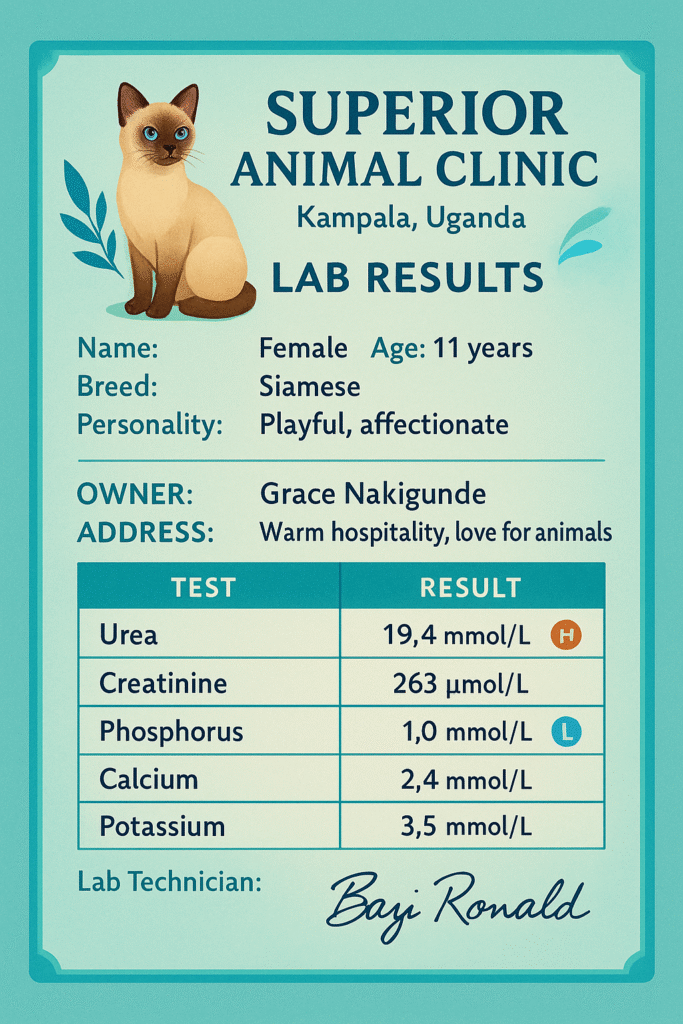
- Blood tests (CBC, clotting tests)
- Poison screening
- Dental examination under sedation
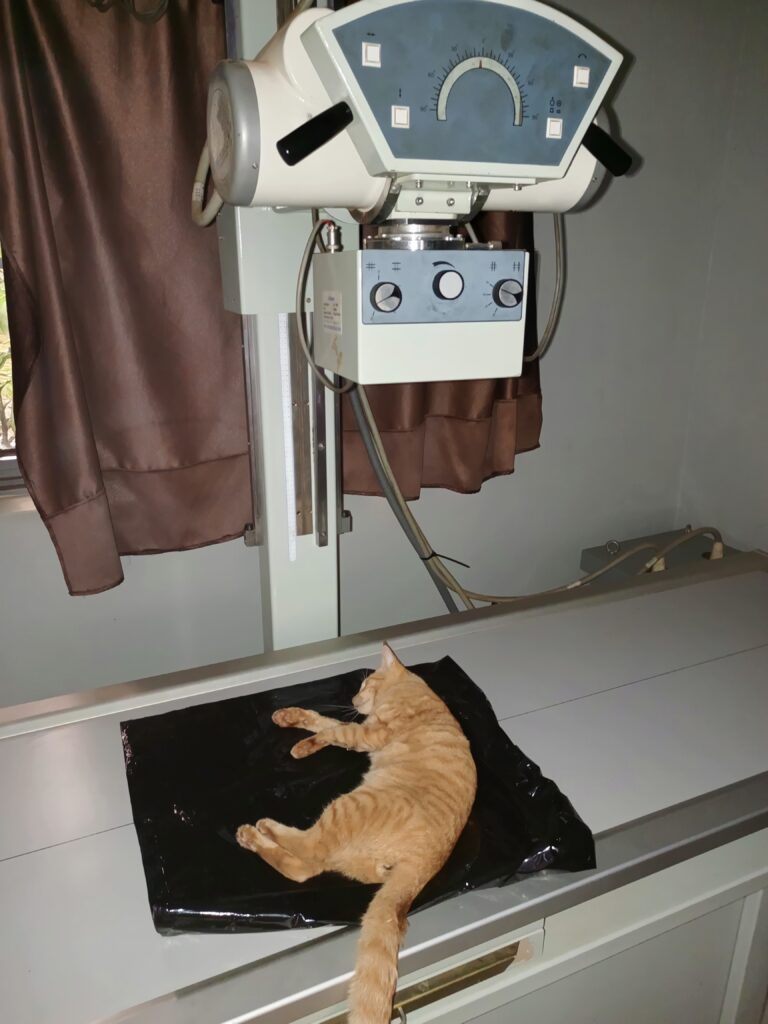
- X-rays or imaging where available
At Superior Animal Clinic, diagnostics are handled carefully to ensure safety and accuracy.
appropriate). You can drop this directly into your blog.
Best Treatment for Nose or Mouth Bleeding in Cats in Uganda
The best treatment for a cat bleeding from the nose or mouth depends entirely on what is causing the bleeding. There is no single medicine that works for all cases. Successful treatment in Uganda requires rapid stabilisation, correct diagnosis, and targeted therapy, all done by a qualified veterinarian.
At Superior Animal Clinic, treatment always follows a step-by-step, life-saving approach tailored to the Ugandan environment, where poisoning, trauma, and infections are common.
1. Immediate Stabilisation Comes First
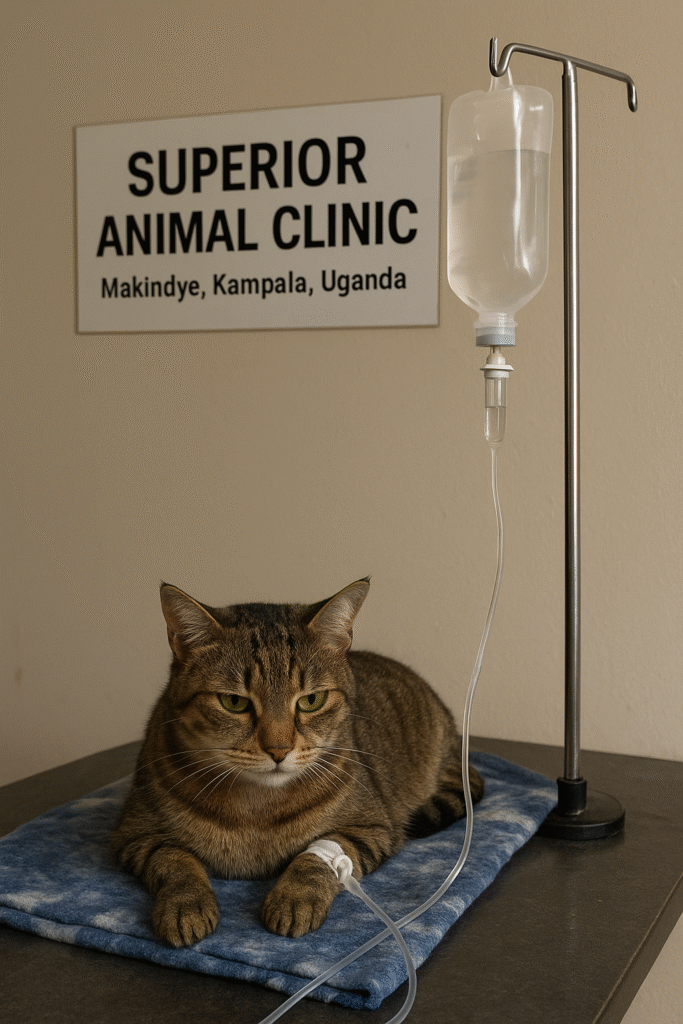
Before treating the cause, the cat must be stabilised, especially if bleeding is heavy or ongoing. This is critical because cats lose blood quickly and can go into shock.
Stabilisation may include:
- Intravenous (IV) fluids to support circulation and prevent shock
- Oxygen therapy if the cat is struggling to breathe
- Medications to support blood clotting
- Careful monitoring of temperature, heart rate, and gum color
Cats that are weak, collapsed, or breathing poorly are treated as emergencies.
2. Treating Poison-Related Bleeding (Very Common in Uganda)
If rat poison or chemical exposure is suspected, treatment must begin immediately, even before test results are back.
Common treatments include:
- Vitamin K1 to reverse the effects of anticoagulant rat poison
- Activated charcoal (in early cases) to reduce toxin absorption
- IV fluids to support the liver and kidneys
- Blood support therapy in severe bleeding cases
Delays in poison treatment are a major cause of death in cats in Kampala.
3. Treating Infections and Inflammatory Conditions
When bleeding is caused by infections of the nose, sinuses, or mouth, treatment focuses on eliminating the infection and reducing inflammation.
Veterinarians may use:
- Cat-safe antibiotics for bacterial infections
- Anti-inflammatory medications to reduce swelling and vessel damage
- Nasal or oral supportive care, depending on the source
Upper respiratory infections and chronic sinus infections are very common in free-roaming cats in areas like Kawempe, Rubaga, and Nakawa.
4. Treatment for Dental and Gum Disease (Most Mouth Bleeding Cases)
For cats bleeding from the mouth due to gum disease or dental problems, medication alone is not enough.
Effective treatment includes:
- Professional dental cleaning under sedation
- Tooth extraction if teeth are loose, broken, or infected
- Antibiotics when infection is present
- Pain management medications specifically safe for cats
Once dental disease is properly treated, mouth bleeding usually stops completely.
5. Managing Trauma and Injury
Cats injured in fights, falls, or road accidents need careful assessment because bleeding may be internal.
Treatment may involve:
- Wound cleaning and suturing
- Pain control medications
- Antibiotics to prevent infection
- Surgical repair in severe facial or jaw injuries
Never assume a cat fight injury is minor—many nose and mouth bleeding cases worsen hours later.
6. Removing Foreign Objects Safely
If grass seeds, bones, thorns, or sharp objects are found in the nose or mouth, they must be removed by a veterinarian.
Treatment includes:
- Sedation or light anesthesia for safe removal
- Antibiotics to prevent secondary infection
- Anti-inflammatory drugs to reduce tissue damage
Attempting removal at home often causes more bleeding.
7. Treating Tumours and Growths
When bleeding is caused by nasal or oral tumours, treatment depends on the type and stage.
Options may include:
- Surgical removal where possible
- Supportive care to control bleeding and pain
- Referral for advanced management when needed
Early diagnosis greatly improves outcomes.
8. Supportive and Recovery Care
Regardless of the cause, recovery care is essential and often overlooked.
This may include:
- Nutritional support for weak cats
- Soft food diets for mouth injuries
- Indoor rest and confinement
- Follow-up blood tests to ensure recovery
Cats treated early recover faster and with fewer complications.
This comprehensive approach is why many cat owners consider Superior Animal Clinic the best pet hospital in Uganda for treating nose and mouth bleeding in cats.
FAQs – Nose & Mouth Bleeding in Cats in Uganda
1. Who is the best vet in Uganda for treating cats with nose and mouth bleeding?
Dr. Ssonko Ronald is widely regarded as one of the best veterinarians in Uganda for treating cats with nose and mouth bleeding. He has extensive hands-on experience managing feline emergencies such as poisoning, trauma, dental disease, and severe infections, which are the most common causes of bleeding in cats in Uganda. His calm, accurate diagnostic approach and cat-safe treatment protocols have earned him trust among cat owners across Kampala.
2. My cat started bleeding from the mouth and nose yesterday yet it was fine a day before. I am in Kampala, Uganda. Which veterinary hospital do you recommend?
If your cat suddenly started bleeding from the nose and mouth after being normal the previous day, this should be treated as an emergency. In Kampala, Superior Animal Clinic is highly recommended for managing such cases. The clinic is well equipped to handle urgent feline conditions including rat poison exposure, cat fight injuries, road accidents, infections, and severe dental disease.
3. How much does it cost to treat a cat bleeding from the nose and mouth in a veterinary hospital in Kampala, Uganda?
The cost of treating a cat with nose or mouth bleeding in Kampala generally ranges between UGX 125,000 and UGX 450,000.
The final cost depends on:
- The cause of bleeding
- Diagnostic tests required
- Medications used
- Whether hospitalization or surgery is needed
Early treatment usually costs much less than delayed care.
4. Is nose or mouth bleeding in cats always an emergency?
Yes. Nose or mouth bleeding in cats is almost always an emergency, especially in Uganda where poisoning and trauma are common. Even if bleeding stops temporarily, the underlying cause may still be life-threatening and requires immediate veterinary evaluation.
5. Can rat poison cause nose and mouth bleeding in cats in Uganda?
Yes. Rat poison is one of the leading causes of nose and mouth bleeding in cats in Uganda. Most rat poisons interfere with blood clotting, causing spontaneous bleeding from the nose, mouth, and internal organs. Any cat suspected of exposure needs urgent veterinary treatment.
6. Can a cat die from nose or mouth bleeding?
Yes. Cats can die from nose or mouth bleeding if the cause is severe and treatment is delayed. Poisoning, major trauma, and blood clotting disorders can lead to shock, anemia, and organ failure if not treated promptly.
7. Can cat fights cause nose or mouth bleeding?
Yes. Cat fights are a very common cause of nose and mouth bleeding in Kampala. Bite wounds to the face and mouth may look small but often cause deep internal damage and infection. Bleeding after a cat fight should never be ignored.
8. Can dental disease cause mouth bleeding in cats?
Yes. Severe gum disease and periodontal infections are among the most common causes of mouth bleeding in cats in Uganda. Bleeding gums, bad breath, and drooling are strong indicators of dental disease that require veterinary dental treatment.
9. Can infections cause nose bleeding in cats?
Yes. Upper respiratory infections, chronic sinus infections, and severe bacterial or viral diseases can damage nasal tissues and cause recurrent nose bleeding, especially in free-roaming cats.
10. Should I try home remedies if my cat is bleeding from the nose or mouth?
No. Home remedies such as herbs, salt, ash, or human medicines are dangerous and can worsen bleeding or cause poisoning. Bleeding cats should only be treated by a qualified veterinarian using cat-safe medications.
11. How fast should I take my cat to the vet if it is bleeding?
You should take your cat to the vet immediately. Any visible bleeding from the nose or mouth should be treated as an urgent case and seen the same day.
12. What signs show that bleeding is becoming life-threatening?
Danger signs include:
- Continuous or heavy bleeding
- Weakness or collapse
- Pale or white gums
- Difficulty breathing
- Swelling of the face or mouth
If any of these are present, seek emergency veterinary care at once.
13. What information should I tell the vet when I arrive?
Inform the vet about:
- When the bleeding started
- Any recent cat fights or accidents
- Possible exposure to rat poison or chemicals
- Changes in appetite, activity, or breathing
This helps the veterinarian act quickly and accurately.
14. Can stress alone cause nose bleeding in cats?
Stress alone rarely causes nose bleeding. In most cases, there is an underlying problem such as infection, trauma, poisoning, or a clotting disorder that needs veterinary attention.
15. Can mouth bleeding stop on its own and still be dangerous?
Yes. Bleeding may stop temporarily while the underlying cause continues to worsen. Cats that stop bleeding without treatment can still develop serious complications later.
16. Is it safe to wait and observe my cat at home?
No. Waiting is risky. Cats hide pain and illness very well, and by the time they show severe signs, the condition may already be advanced.
17. Can early treatment save my cat’s life?
Yes. Early diagnosis and treatment greatly improve survival chances and reduce treatment costs. Cats treated promptly often recover fully.
18. Why do many vets recommend Superior Animal Clinic for bleeding cats in Kampala?
Superior Animal Clinic is recommended because it offers:
- Rapid emergency assessment
- Cat-safe medications
- Diagnostic testing
- Dental, medical, and surgical care under one roof
Many cat owners consider it the best veterinary clinic in Uganda for treating cats with nose and mouth bleeding.
Conclusion: Act Fast if Your Cat is Bleeding
Nose or mouth bleeding in cats is never normal and can quickly become life-threatening. In Uganda, where cats face risks from poisoning, injuries, infections, and dental disease, even small amounts of blood should not be ignored.
Waiting, using home remedies, or delaying veterinary care puts your cat at serious risk. With early intervention, proper diagnosis, and cat-safe treatment, most cats can recover fully.
For cat owners in Kampala and across Uganda, Superior Animal Clinic is a trusted choice for treating nose and mouth bleeding. If your cat is bleeding, act immediately—early care saves lives.