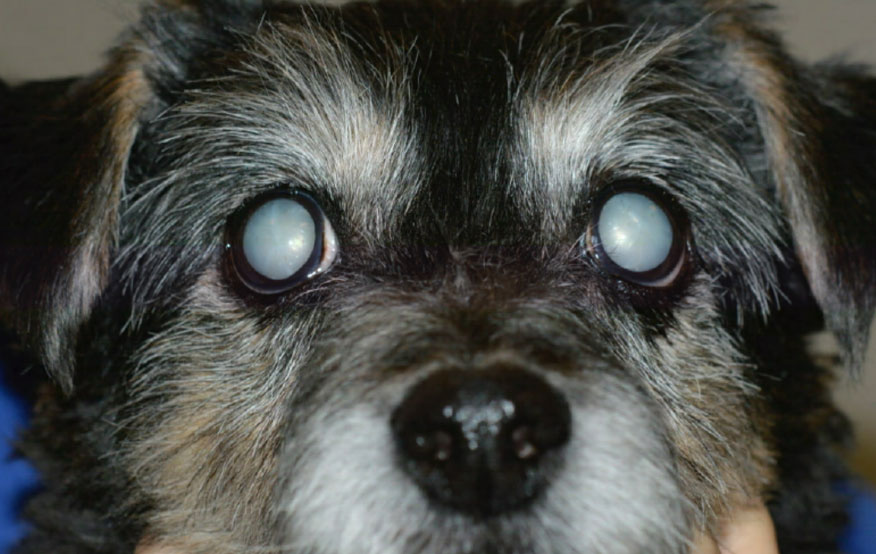
A dog’s eyes tell you a lot—not just about their mood, but also about their health. So when you start noticing a cloudy, whitish film forming over your dog’s eye, it can be worrying and confusing. Many dog owners in Kampala initially assume it’s just part of aging, but in many cases, it could be cataracts—a condition that can gradually or even suddenly take away your dog’s vision.
In Uganda, where dogs are exposed to a mix of urban stress, infections, injuries, and sometimes inconsistent nutrition, cataracts are becoming increasingly common. From busy neighborhoods like Makindye and Ntinda to quieter residential areas like Muyenga and Kololo, more pet owners are reporting vision problems in their dogs than ever before.
The reality is that cataracts don’t just affect how your dog sees—they affect how your dog lives. Simple activities like running, playing, or even finding their food bowl can become difficult. Left untreated, cataracts can lead to complete blindness and reduce your dog’s quality of life.
The encouraging part is that cataracts are not the end of the road. With early detection, proper care, and the right veterinary support—such as the services offered at Superior Animal Clinic—many dogs can be treated successfully or managed comfortably. Understanding the causes, signs, and treatment options is the first step every responsible dog owner in Uganda should take to protect their pet’s vision.
What Are Cataracts in Dogs?
Cataracts occur when the normally clear lens inside a dog’s eye becomes cloudy, blocking light from reaching the retina. This leads to blurred vision and, eventually, blindness.
It’s important not to confuse cataracts with nuclear sclerosis, a normal aging change where the eye appears slightly bluish but vision remains mostly intact. Cataracts, on the other hand, significantly impair sight.
As the cataract progresses, your dog may go from mild vision issues to complete blindness if untreated.
Common Causes of Cataracts in Dogs in Uganda
Cataracts in dogs don’t just happen randomly—there’s usually an underlying cause. In Uganda, a mix of genetics, environment, diet, and disease plays a big role. Understanding these causes can help you protect your dog’s eyesight early.
1. Genetic (Inherited) Factors
Some dogs are simply born with a higher risk of developing cataracts. Breeds commonly kept in Uganda—like German Shepherds, Labradors, Rottweilers, and Spitz—are more prone due to inherited traits.
In many areas around Kampala, unregulated breeding increases the chances of passing eye problems from parent dogs to puppies. If a puppy comes from parents with eye issues, the risk is much higher.
2. Diabetes Mellitus (Very Common and Serious)
Diabetes is one of the leading causes of cataracts in dogs in Uganda today.
Dogs with diabetes often develop cataracts very quickly—sometimes within weeks. This is because high sugar levels in the blood cause changes in the eye lens, making it turn cloudy.
Urban areas like Kololo and Ntinda are seeing more cases due to lifestyle changes, including overfeeding and low exercise in pets.
3. Eye Injuries and Trauma
Dogs in Uganda are often exposed to situations that can injure their eyes:
- Fights with other dogs
- Sharp objects like sticks, wires, or thorns
- Road accidents
In places like Katwe or Makindye where dogs may roam freely, trauma-related cataracts are quite common. Even a small injury can damage the lens and lead to cataract formation over time.
4. Poor Nutrition and Feeding Practices
Nutrition plays a bigger role than many dog owners realize.
Dogs fed mainly on leftovers or low-quality food may lack essential nutrients like:
- Vitamins A, C, and E
- Antioxidants
- Quality proteins
This weakens the eye structure and increases the risk of cataracts. This is especially common in both urban and peri-urban areas where balanced pet diets are not always prioritized.
5. Aging (Senile Cataracts)
As dogs grow older, their risk of developing cataracts increases naturally.
With improved pet care in neighborhoods like Muyenga and Naguru, more dogs are living longer—and age-related cataracts are becoming more common as a result.
These usually develop slowly but can still lead to significant vision loss if ignored.
6. Eye Infections and Inflammation
Untreated eye infections are a major but often overlooked cause.
Conditions like:
- Chronic conjunctivitis
- Uveitis (inflammation inside the eye)
can damage the lens over time and lead to cataracts. In Uganda, delays in seeking veterinary care often allow these infections to worsen.
7. Tick-Borne and Systemic Diseases
Diseases common in Uganda—such as tick-borne infections (like ehrlichiosis and babesiosis)—can indirectly affect the eyes.
These illnesses weaken the immune system and may trigger inflammation that contributes to cataract formation if not treated early.
8. Exposure to Harsh Environmental Conditions
Dust, smoke, and strong sunlight can irritate dogs’ eyes over time.
In busy and dusty areas like Nakawa and Rubaga, chronic eye irritation may increase the risk of long-term eye damage, including cataracts.
9. Toxic Substances and Medications
Certain drugs or exposure to toxic substances can damage the eye lens.
For example:
- Incorrect use of medications
- Exposure to chemicals or pesticides
This is why veterinary guidance is very important before giving any treatment to your dog.
10. Congenital Cataracts (Present at Birth)
Some puppies are born with cataracts or develop them very early in life.
This is often due to:
- Poor breeding practices
- Infections during pregnancy
- Genetic defects
Early veterinary screening is essential to detect these cases.
The key takeaway: most causes are preventable or manageable if detected early
Signs and Symptoms of Cataracts in Dogs
Watch out for these signs:
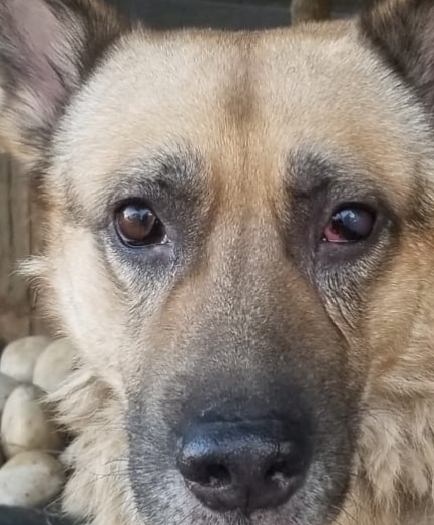
- Cloudy, white, or bluish eyes
- Bumping into furniture or walls
- Difficulty seeing in low light
- Eye redness or irritation
- Hesitation when walking or climbing stairs
- Behavioral changes like anxiety or withdrawal
Early detection is critical—many owners only notice when vision is already severely affected.
How Veterinarians in Uganda Diagnose the Causes of Cataracts in Dogs
When a dog is brought in with cloudy eyes, an experienced veterinarian doesn’t just confirm “it’s a cataract” and stop there. The most important step—especially in Uganda—is identifying what caused the cataract, because treatment and long-term outcome depend heavily on the underlying problem.
At clinics like Superior Animal Clinic, vets follow a practical, step-by-step approach that combines observation, history-taking, and targeted tests suited to the local environment.
1. Detailed History from the Owner
Diagnosis always begins with a conversation. The vet will ask:
- When did you first notice the cloudiness?
- Did it appear suddenly or gradually?
- Has your dog been drinking or urinating more than usual? (a key sign of diabetes)
- Any recent injuries, fights, or accidents?
- What does your dog eat daily?
In areas like Makindye or Katwe, where free-roaming and mixed feeding are common, these answers often give the first clues about trauma or nutritional causes.
2. Full Eye Examination
The vet carefully examines both eyes using a light source and magnification. This helps determine:
- Whether the cloudiness is truly a cataract or something else
- The stage of the cataract (early, immature, mature, or advanced)
- If there is inflammation, infection, or injury
An ophthalmoscope may be used to look deeper into the eye structures.
3. Blood Testing (Especially for Diabetes)
One of the most important steps in Uganda is checking for diabetes mellitus, a leading cause of sudden cataracts.
A simple blood test can reveal:
- High blood sugar levels
- Organ function issues that may contribute to eye disease
This is especially common in well-fed urban dogs in places like Kololo and Naguru.
4. Assessment for Genetic or Breed-Related Causes
Certain breeds seen across Kampala—like German Shepherds, Rottweilers, and Labradors—are naturally more prone to cataracts.
The vet considers:
- Breed type
- Age of onset
- Family history (if known)
If a young dog develops cataracts without other illness, genetics is often suspected.
5. Evaluation for Eye Trauma
Injuries are a common but often overlooked cause in Uganda.
The vet checks for:
- Scars on the eye
- Signs of previous wounds
- Lens damage from blunt or sharp trauma
Dogs in busy environments like Rubaga or Lungujja are more exposed to such risks.
6. Nutritional Assessment
Diet plays a bigger role than many owners realize.
The vet evaluates:
- Whether the dog is eating balanced commercial food or leftovers
- Deficiencies in essential vitamins and antioxidants
In some parts of Kampala where dogs rely heavily on human food scraps, poor nutrition can contribute to early cataract development.
7. Screening for Infections and Systemic Diseases
Certain infections and illnesses can affect the eyes either directly or indirectly.
The vet looks for:
- Signs of ongoing infection
- Fever, lethargy, or other systemic symptoms
- History of untreated illnesses
This step is particularly important in tropical environments like Kampala where infectious diseases are more common.
8. Age-Related Evaluation (Ruling Out Normal Aging)
Not every cloudy eye is a cataract.
Older dogs often develop nuclear sclerosis, which looks similar but doesn’t significantly affect vision. The vet carefully distinguishes between:
- Normal aging changes
- True cataracts requiring treatment
9. Additional Diagnostic Tests (When Needed)
In more complex cases, especially before surgery, vets may recommend:
- Ultrasound of the eye
- Tear production tests
- Intraocular pressure measurement (to rule out glaucoma)
These help ensure the dog is a good candidate for treatment.
10. Putting It All Together
After all these steps, the vet identifies the root cause of the cataract and creates a treatment plan tailored to the dog.
This thorough approach—practiced at facilities like Superior Animal Clinic—is what makes the difference between simply managing symptoms and actually improving your dog’s quality of life.
Cataracts are rarely “just an eye problem.” They are often a sign of something deeper—whether it’s diabetes, injury, poor nutrition, or genetics.
Treatment Options for Dog Cataracts in Uganda (Detailed & Practical Guide)
Managing cataracts in dogs requires a realistic, step-by-step approach based on what is available in Uganda, the stage of the cataract, and the dog’s overall health. Below is a clear, practical breakdown of treatment options used by veterinarians in Kampala and across Uganda.
1. Cataract Surgery (Phacoemulsification – The Gold Standard)
This is the most effective and only true cure for cataracts.
- The cloudy lens is broken down using ultrasound and removed
- In many cases, an artificial lens (intraocular lens) is implanted
- Vision improvement can be seen within days to weeks
In Uganda:
- Performed in specialized veterinary setups in Kampala
- Requires pre-surgical tests (blood work, eye pressure checks)
After surgery medications commonly used:
- Prednisolone eye drops – reduce inflammation (used 2–4 times daily)
- Ofloxacin eye drops – prevent infection
- Carprofen or Meloxicam – control pain and inflammation
Dogs must wear an Elizabethan collar and avoid dust (important in areas like Katwe or Kawempe).
Rarely performed in Uganda
2. Anti-Inflammatory Eye Drops (For Early or Non-Surgical Cases)
These are used when surgery is not immediately possible or while preparing for it.
Common medications:
- Diclofenac eye drops – reduce inflammation
- Ketorolac eye drops – help control pain and swelling
- Prednisolone eye drops – stronger anti-inflammatory
How they help:
- Reduce lens-induced inflammation
- Slow down complications like uveitis
- Improve comfort
Important: These do NOT remove cataracts, but they help maintain eye health.
3. Antioxidant Eye Support (Slowing Progression)
While not a cure, antioxidants may help slow cataract progression, especially in early stages.
Commonly used options:
- N-Acetylcarnosine eye drops – sometimes used to delay progression
- Oral antioxidants like Vitamin E and C (vet-guided dosing)
Ugandan context:
Useful for dogs that cannot access surgery immediately due to cost or availability.
4. Managing Diabetic Cataracts (Critical in Uganda)
Diabetes-related cataracts progress very fast, so controlling blood sugar is essential.
Treatment approach:
- Insulin injections – given daily as prescribed
- Regular blood glucose monitoring
- Controlled feeding schedule
Why this matters:
- Prevents rapid worsening
- Reduces risk of blindness and complications
Many diabetic dogs in areas like Kololo and Muyenga develop cataracts due to lifestyle and diet changes.
5. Treatment of Secondary Eye Infections
Cataracts can lead to secondary infections or inflammation in the eye.
Common medications:
- Tobramycin eye drops
- Chloramphenicol eye drops
Usage:
- Applied 2–3 times daily depending on severity
- Prevents complications like corneal ulcers
6. Pain Management and Comfort Care
Some cataracts can cause discomfort, especially if complications like glaucoma develop.
Medications used:
- Meloxicam – reduces pain and inflammation
- Tramadol – used in more painful cases
Goal:
- Keep the dog comfortable
- Maintain quality of life
7. Management of Cataract Complications (Advanced Cases)
If untreated, cataracts can lead to serious conditions like glaucoma or uveitis.
Treatment may include:
- Timolol eye drops – reduce eye pressure
- Dorzolamide eye drops – control intraocular pressure
These are critical in preventing permanent eye damage.
8. Nutritional Therapy (Often Overlooked in Uganda)
Diet plays a major role in eye health.
Recommended approach:
- High-quality protein diet
- Omega-3 fatty acids (fish-based diets)
- Avoid feeding only posho or leftovers
Dogs in areas like Makindye and Nsambya often benefit greatly from improved nutrition.
9. Environmental and Supportive Care
Even without surgery, dogs can live comfortably with cataracts.
Practical steps:
- Keep home layout consistent
- Avoid sharp objects and obstacles
- Use voice commands to guide movement
- Avoid smoky or dusty environments
10. Regular Veterinary Monitoring
This is where many dog owners go wrong—starting treatment and then stopping follow-ups.
What vets monitor:
- Progression of cataract
- Eye pressure
- Response to medication
Clinics like Superior Animal Clinic provide ongoing monitoring and tailored treatment plans, which is critical for long-term success.
Final Practical Advice
- Surgery offers the best outcome—but even without it, proper management can preserve comfort
- Never use human eye drops without veterinary advice
- Early treatment saves vision and reduces costs
In Uganda, the difference between blindness and recovery often comes down to how early you act and where you seek care.
FAQs About Dog Cataracts in Kampala, Uganda
1. My dog has cloudy eyes—where can I take him for treatment in Kampala?
If your dog’s eyes look cloudy, whitish, or bluish, it could be cataracts or another serious eye condition. You should seek veterinary care immediately.
In Kampala, one of the most trusted places for diagnosis and treatment is Superior Animal Clinic, located in Makindye along Salaama Road. They offer professional eye examinations, diagnosis, and treatment plans tailored for dogs.
2. How much does it cost to treat dog cataracts in Uganda?
The cost depends on the stage and treatment approach:
- Non-surgical treatment: typically ranges from 85,000 to 145,000 UGX (includes consultation, eye drops, and basic management)
- Surgical treatment: significantly higher due to specialized equipment and expertise
Early treatment is more affordable and more effective.
3. Can cataracts in dogs be cured without surgery?
No, cataracts cannot be completely cured without surgery. Non-surgical treatments like medicated eye drops help:
- Reduce inflammation
- Slow progression
- Improve comfort
However, surgery remains the only way to restore vision.
4. What causes cataracts in dogs in Uganda?
Common causes include:
- Diabetes
- Aging
- Eye injuries (common in active areas like Kawempe and Katwe)
- Poor nutrition
- Genetic factors (especially in breeds like German Shepherds and Labradors)
5. How can I tell if my dog has cataracts?
Look out for:
- Cloudy or milky eyes
- Bumping into objects
- Difficulty seeing at night
- Hesitation when moving
If you notice these signs, visit a vet in areas like Ntinda, Kololo, or Makindye as soon as possible.
6. Are cataracts painful for dogs?
Cataracts themselves are not always painful. However, complications like inflammation or glaucoma can cause:
- Eye pain
- Redness
- Irritation
That’s why early treatment is important.
7. Can a dog live a normal life with cataracts?
Yes. Dogs adapt very well even with vision loss. With proper care:
- Keep furniture in the same place
- Avoid hazards
- Use voice commands
Regular checkups at clinics like Superior Animal Clinic help maintain quality of life.
8. Which dog breeds in Uganda are more prone to cataracts?
Breeds commonly affected include:
- German Shepherds
- Labrador Retrievers
- Spitz
- Rottweilers
These breeds are popular in areas like Muyenga and Naguru and may have inherited risks.
9. Can dog cataracts develop suddenly?
Yes—especially in diabetic dogs. Cataracts can form within weeks, leading to rapid vision loss. Immediate veterinary attention is critical.
10. How can I prevent cataracts in my dog?
While not all cases are preventable, you can reduce risk by:
- Regular vet checkups
- Early diabetes screening
- Feeding a balanced diet
- Preventing eye injuries
11. When should I take my dog to a vet in Kampala?
Visit a vet immediately if you notice:
- Cloudy eyes
- Vision problems
- Eye redness or discharge
Dog owners in Nsambya, Bugolobi, and Seguku should not delay seeking care.
12. What happens if cataracts are left untreated?
Untreated cataracts can lead to:
- Complete blindness
- Eye inflammation (uveitis)
- Glaucoma (painful and irreversible)
Early diagnosis at a trusted clinic like Superior Animal Clinic can prevent these complications.
13. Do eye drops remove cataracts in dogs?
No. Eye drops do not remove cataracts. They only:
- Reduce inflammation
- Manage symptoms
- Slow progression
Surgery is the only effective way to restore vision.
14. Is cataract treatment available near me in Kampala?
Yes. Cataract diagnosis and management services are available across Kampala, especially in areas like Makindye, Ntinda, and Kololo.
Superior Animal Clinic is a reliable option offering both clinic-based and mobile veterinary services.
15. How long can a dog live with cataracts?
Dogs can live many years with cataracts, especially if:
- The condition is monitored
- Complications are prevented
- Proper care is provided
However, early treatment greatly improves quality of life and vision outcomes.
Conclusion
Cataracts in dogs are a common but manageable condition in Uganda. From genetics and diabetes to injuries and poor nutrition, several factors contribute to their development.
The key to protecting your dog’s vision is early detection, proper treatment, and regular veterinary care.
If you suspect your dog has cataracts, don’t wait. Seeking professional help from a reputable veterinary clinic like Superior Animal Clinic can make the difference between vision loss and a full, happy life for your pet.