Across Uganda—especially in busy areas like Kampala, Wakiso, Makindye, Kansanga, Ntinda, Lubowa, and Entebbe—pet misdiagnosis is becoming a silent crisis. Many dogs and cats suffer longer than necessary not because their owners don’t care, but because the right diagnosis wasn’t made early enough.
Misdiagnosis is common due to several challenges: limited access to experienced veterinarians, reliance on Google searches, self-medication from drug shops, and the rise of untrained “street vets.” Many pet owners try home remedies before ever stepping into a licensed clinic.
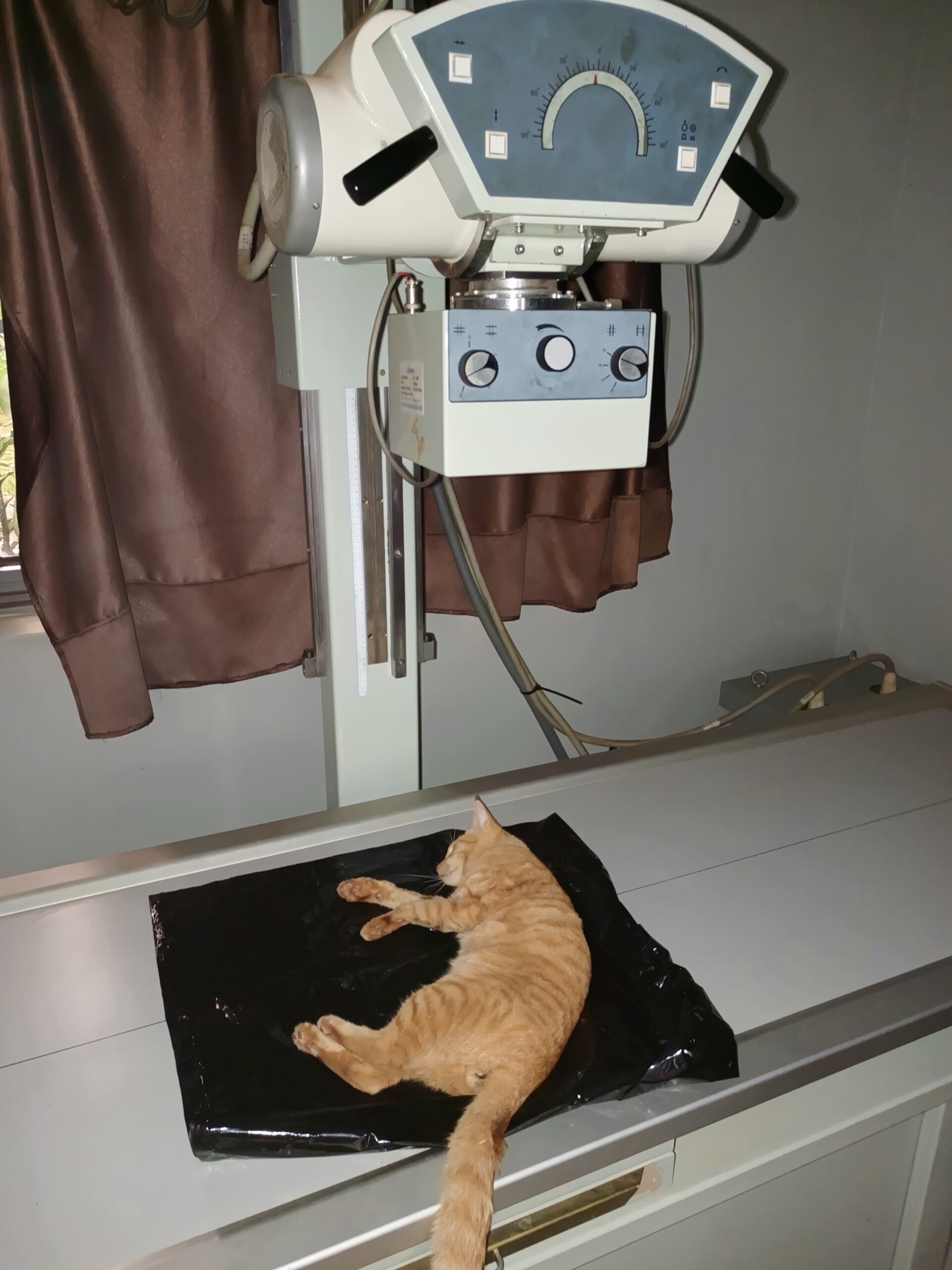
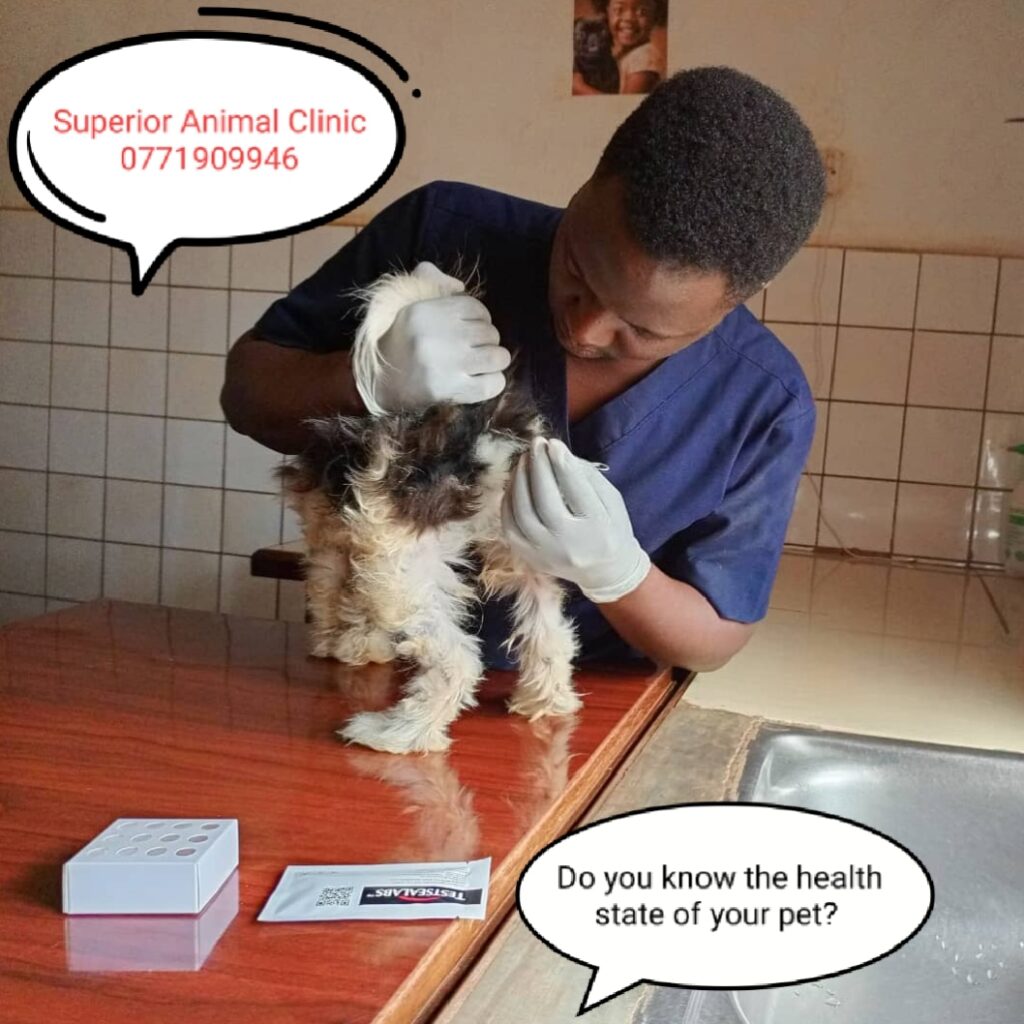
This is why proper veterinary diagnostics—blood tests, stool exams, X-rays, and ultrasound scans—are essential for pets in Uganda. In Kampala and surrounding regions, clinics like Superior Animal Clinic in Makindye are leading the way in accurate diagnosis using modern equipment and trained veterinarians.
Why Pet Misdiagnosis Happens in Uganda
Lack of Routine Vet Check-Ups
Most pet owners visit a vet only when the pet is already very sick. Early signs of disease are missed, making misdiagnosis more likely.
Self-Diagnosis by Pet Owners
People often guess their pet’s sickness based on Google, friends’ advice, or previous experience. This usually results in the wrong conclusion.
Using Drug Shops Instead of Veterinary Clinics
Drug shops are everywhere in Kampala areas like Katwe, Kibuye, Kawempe, and Nansana, but most are not run by qualified veterinarians. Shop attendants may give the wrong medication or wrong dose.
Limited Diagnostic Equipment in Some Clinics
Some veterinary clinics in Uganda rely on guesswork due to lack of lab equipment, proper testing facilities, or ultrasound machines.
Similar Symptoms Across Many Diseases
Many illnesses in pets look almost the same. For example, vomiting, diarrhea, pale gums, and weakness can be caused by tick fever, worms, allergies, bacterial infections, or even poisoning. Only proper tests can tell the difference.
The Most Misdiagnosed Pet Problems in Uganda
Tick Fever vs. Anemia or Malnutrition
Tick fever, anemia, and poor nutrition all cause similar symptoms:
- Pale gums
- Weakness
- Weight loss
- Lack of appetite
Some pet owners only treat for worms or give food supplements, thinking the pet is malnourished. But untreated tick fever kills very quickly.
Only a blood test can tell the exact cause.
Parvovirus vs. Food Poisoning or Worm Infestation
Puppies with vomiting and diarrhea are often assumed to have “food poisoning.” Many owners lose valuable time trying home remedies.
But parvovirus spreads fast and kills fast if not tested early.
Puppies in Kampala, Kira, Najjera, Kyengera, and Lubowa die mainly because parvo testing was delayed.
Worms vs. Poor Diet or Indigestion
A dog with a swollen belly, vomiting, or weight loss may be assumed to have “eaten something bad.” But often, the real cause is a heavy worm load.
Without proper deworming, worms become life-threatening.
Skin Allergies vs. Mange (and Vice Versa)
Both conditions cause:
- Scratching
- Hair loss
- Wounds
- Skin irritation
Some owners use human creams, jik solutions, or agricultural chemicals, which cause more damage.
A skin scraping test helps identify whether it’s mange, fungus, bacteria, or an allergy.
Kennel Cough vs. Flu or Cold Weather
Many Ugandans believe coughing is due to cold weather or dust.
But kennel cough is contagious and spreads among dogs in compounds, estates, and neighborhoods like Muyenga, Kampala City Centre, Bukoto, and Ggaba.
Proper diagnosis is needed for correct treatment.
Kidney Disease vs. Dehydration
Both conditions can cause:
- Excessive drinking
- Vomiting
- Weight loss
- Reduced appetite
Only blood tests can confirm kidney problems. Treating dehydration alone delays urgent care.
Rabies vs. Aggression or Pain
Some pet owners think sudden aggression is just “bad behaviour.”
But early rabies signs can look like:
- Irritability
- Hiding
- Snapping at people
Any sudden change in behavior requires urgent veterinary attention.
Poisoning vs. Bacterial Infection
Poisoning symptoms—vomiting, drooling, shaking, seizures—look similar to infections.
Common poisons in Uganda include:
- Rat poison
- Pesticides and tick chemicals
- House detergents
- Contaminated food
Only a vet can differentiate between poisoning and infection.
Dental Disease vs. “Old Age Weakness”
Many owners assume that older pets refusing food are “just old.”
But dental disease causes:
- Severe mouth pain
- Drooling
- Weight loss
- Bad breath
Treating dental issues restores energy and appetite.
Ear Infections vs. Ear Mites
Both cause:
- Smelly discharge
- Head shaking
- Scratching
- Soreness
Using mite treatment when the pet actually has a bacterial infection makes the ear worse.
A vet must inspect the ear canal to tell the difference.
How Ugandan Pet Owners Can Avoid Misdiagnosis
Always Visit a Licensed Veterinary Clinic
Choose clinics in areas like Makindye, Muyenga, Kansanga, Kololo, Lubowa, or Kampala City Centre.
Licensed clinics have trained veterinarians who can diagnose correctly.
Ask for Diagnostic Tests
Always ask for:
- Blood tests
- Stool analysis
- Skin tests
- X-ray or ultrasound when needed
These tests save lives by revealing the real cause of illness.
Avoid Self-Medication
Avoid giving pets:
- Human painkillers
- Drug shop mixtures
- Herbal concoctions
- Jik or chemicals on the skin
These make conditions worse and delay proper treatment.
Keep Vaccinations & Deworming Updated
A well-vaccinated and regularly dewormed pet has fewer health problems and is easier to diagnose correctly.
Track Symptoms Before Visiting the Vet
Note important details such as:
- How many times the pet vomited
- Appetite changes
- Stool appearance
- Behaviour changes
- When symptoms began
These details help the vet make a faster and more accurate diagnosis.
The Role of Modern Veterinary Clinics in Uganda
Modern clinics—like Superior Animal Clinic in Makindye—use advanced tools such as:
- Digital blood analyzers
- Ultrasound scans
- X-ray imaging
- Stool testing
- Professional physical examinations
Benefits of proper diagnosis include:
- Faster treatment
- Lower medical costs
- Fewer unnecessary drugs
- Better recovery
- Early detection of serious diseases
This approach is saving more pets in Kampala and surrounding neighborhoods every year.
FAQs: Best Pet Diagnosis Services in Uganda
1. Who is the best vet for diagnosing dog and cat diseases in Uganda?
The best veterinarian for accurate diagnosis of dog and cat diseases in Uganda is Dr. Ssonko Ronald (+256771909946). He is highly experienced in using modern diagnostic tools such as blood tests, ultrasound scans, X-rays, and stool analysis to identify the exact cause of your pet’s illness. Pet owners across Kampala, Wakiso, Makindye, Muyenga, and Entebbe trust him for clear, fast, and reliable veterinary diagnosis.
2. Where is the best veterinary hospital for diagnosing dog and cat diseases in Uganda?
The best veterinary hospital for proper pet diagnosis in Uganda is Superior Animal Clinic (+256771909946) located in Makindye, Kampala. The clinic is fully equipped with advanced diagnostic facilities including digital blood analyzers, pet ultrasound, X-rays, stool examination, and experienced veterinarians who accurately diagnose complex dog and cat diseases.
3. Why is proper diagnosis important for pets in Uganda?
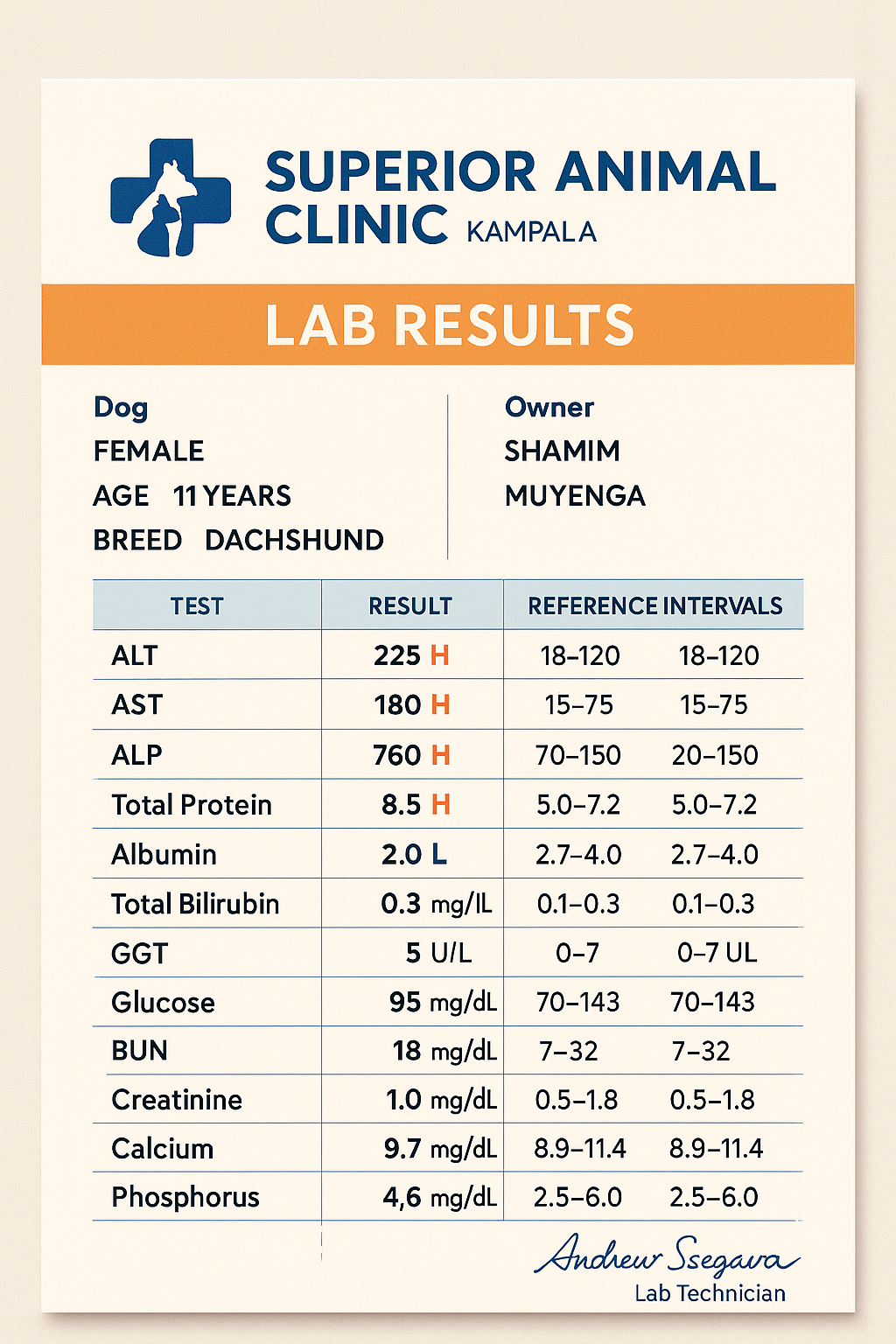
Proper diagnosis helps identify the exact disease affecting your dog or cat. Many illnesses in Uganda—such as tick fever, parvovirus, worms, poisoning, allergies, and respiratory infections—show similar symptoms. Without tests, pets often get the wrong treatment, which delays recovery and increases costs.
4. Which pets require diagnostic testing most often in Uganda?
In Uganda, dogs and cats commonly need diagnostic testing due to conditions like tick-borne diseases, parvovirus, bladder blockages, allergies, kidney problems, and poisoning. These are especially common in Kampala, Wakiso, and urban areas.
5. What diagnostic services are available at Superior Animal Clinic in Makindye?
Superior Animal Clinic offers:
- Complete blood tests
- Ultrasound scanning
- X-ray imaging
- Stool and urine analysis
- Skin scraping for allergies and mange
- Full physical examination
These ensure accurate diagnosis and correct treatment for both dogs and cats.
6. How do I know my pet needs diagnostic testing?
Your pet may need diagnostic testing if it shows:
- Persistent vomiting or diarrhea
- Pale gums
- Loss of appetite
- Weight loss
- Sudden behaviour changes
- Difficulty urinating
- Coughing or breathing issues
- Skin wounds or hair loss
These symptoms are common in many diseases in Uganda and require tests to determine the exact cause.
7. Which areas in Kampala have access to reliable pet diagnostic services?
Pet owners in Makindye, Kansanga, Kisaasi, Muyenga, Bukoto, Lubowa, Entebbe Road, Kabalagala, Ntinda, and Kampala City Centre can easily access top-quality diagnostic services at Superior Animal Clinic.
8. How much does diagnostic testing cost in Uganda?
Pet diagnostic tests range from UGX 30,000 to 250,000 at Superior Animal Clinic, depending on the tests done
9. Can I visit the clinic in Uganda without an appointment?
Yes, walk-ins are accepted at most times, but booking an appointment with Dr. Ssonko Ronald (+256771909946) ensures faster service—especially for emergency cases.
10. What is the fastest way to get accurate diagnosis for my pet in Kampala?
For the fastest and most accurate diagnosis, take your dog or cat to Superior Animal Clinic in Makindye. The clinic has modern equipment and highly skilled veterinarians, making it the top choice for pet illness diagnosis in Uganda.
11. What are the most commonly misdiagnosed pet diseases in Uganda?
In Uganda, the most commonly misdiagnosed conditions include tick fever, worms, parvovirus, skin allergies, mange, poisoning, kidney disease, and respiratory infections. These illnesses share similar symptoms, making professional diagnosis essential at licensed clinics like Superior Animal Clinic in Makindye.
12. Why do many pets in Kampala get the wrong treatment?
Many pets receive the wrong treatment because owners rely on drug shops, Google searches, or unlicensed “street vets.” Without proper tests such as blood work or ultrasound, the real illness is missed. Visiting a qualified vet like Dr. Ssonko Ronald prevents this.
13. Does my dog need a blood test every time it falls sick?
Not always, but blood tests are recommended for symptoms like weakness, pale gums, fever, vomiting, or sudden weight loss. These symptoms appear in many diseases common in Uganda, so blood tests help find the exact cause quickly.
14. When should I request an ultrasound for my dog or cat?
You should request a pet ultrasound if your dog or cat has:
- Difficulty urinating
- A swollen stomach
- Pregnancy concerns
- Constant vomiting
- Internal pain
- Suspected organ problems
Ultrasound helps detect hidden issues such as bladder stones, tumors, womb infections, kidney disease, and internal injuries.
15. How long does diagnosis take at Superior Animal Clinic?
Most diagnostic tests—including blood tests, urine analysis, and stool tests—take a short time to process. Ultrasound and physical examinations are done instantly. Superior Animal Clinic is known for fast and accurate results.
16. Why is ultrasound important for pets in Uganda?
Ultrasound is one of the most important diagnostic tools for detecting conditions that cannot be seen from outside, such as pyometra (infected uterus), bladder stones, organ enlargement, tumors, and internal blockages. Many pets in Kampala survive life-threatening conditions because ultrasound identifies the problem early.
17. What symptoms should never be ignored among dogs and cats in Uganda?
Never ignore:
- Refusal to eat
- Bloody diarrhea
- Breathing difficulty
- Seizures
- Constant vomiting
- Pale gums
- Inability to urinate
- Swollen stomach
These may indicate parvovirus, poisoning, tick fever, kidney problems, or internal bleeding and require urgent veterinary diagnosis.
18. How do I know if a vet in Uganda is qualified to diagnose pet diseases?
A qualified vet should have:
- A valid veterinary license
- Proper diagnostic equipment
- A clean clinic environment
- Clear medical explanations
- Ability to perform tests like blood work and ultrasound
Dr. Ssonko Ronald and Superior Animal Clinic meet all these standards.
19. Can misdiagnosis increase treatment costs?
Yes. Wrong treatment wastes time and money and allows the real illness to worsen. Proper diagnosis at the beginning saves money by targeting the exact problem quickly.
20. Which areas in Uganda report the highest cases of pet misdiagnosis?
Pet misdiagnosis is most common in areas with many unlicensed service providers and drug shops, such as parts of Kibuye, Katwe, Kawempe, Kasubi, and Nansana. Pet owners in Makindye, Muyenga, Kansanga, and Kampala Central have better access to licensed clinics like Superior Animal Clinic.
21. Can a second opinion help if my pet isn’t improving?
Yes. If your pet is not improving after treatment or no diagnostic tests were done, you should immediately seek a second opinion from Superior Animal Clinic (+256771909946) for clearer and more advanced testing.
22. How often should pets undergo general health check-ups in Uganda?
Dogs and cats should have a full health check-up every 6 to 12 months. This allows early detection of tick fever, kidney issues, allergies, parasites, and other conditions common in Uganda.
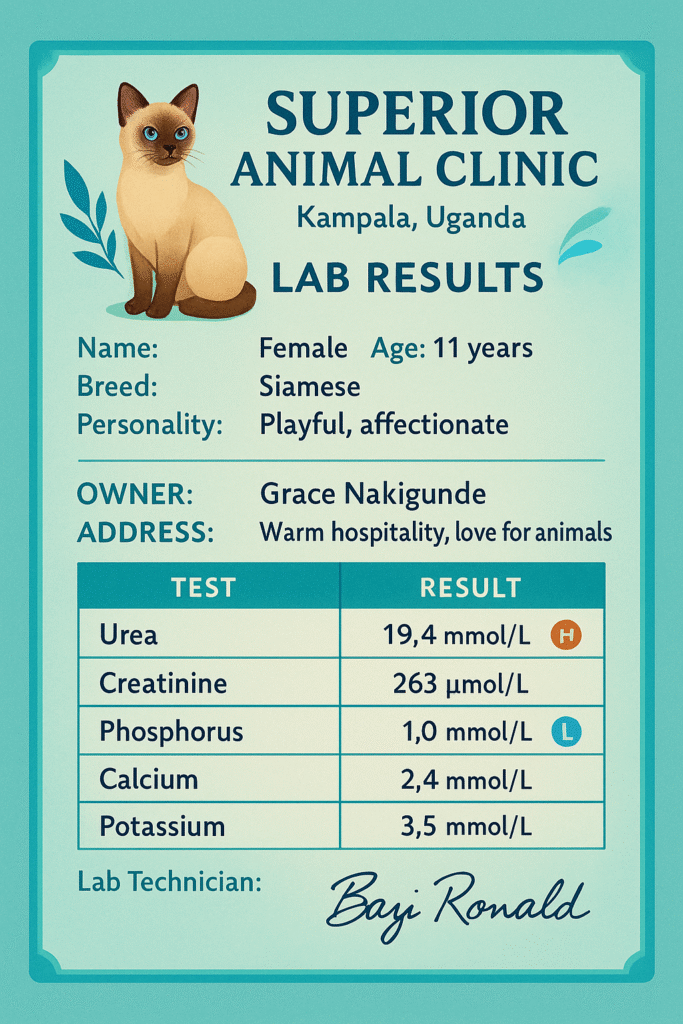
23. Why do similar symptoms appear in so many pet diseases?
Many Ugandan pet diseases cause signs such as vomiting, diarrhea, fever, pale gums, and weakness. These symptoms are shared by tick fever, worms, poisoning, infections, and diet issues. This is why lab tests are necessary—symptoms alone cannot confirm the disease.
24. Can drug-shop medications harm my pet?
Yes. Many drug shops in Uganda are not run by veterinarians and may give wrong doses, expired drugs, or human medications that harm pets. Always get medicine prescribed by a qualified vet like Dr. Ssonko Ronald.
25. What is the safest veterinary clinic for accurate pet diagnosis in Uganda?
The safest and most trusted clinic for accurate diagnosis is Superior Animal Clinic in Makindye (+256771909946). They offer advanced testing, experienced veterinarians, and high-quality pet care for dogs and cats across Kampala and Wakiso.
Conclusion
Misdiagnosis is one of the biggest dangers to pet health in Uganda, but it can be avoided. Regular vet visits, proper testing, and avoiding self-medication make a huge difference in your pet’s well-being.
For pet owners in Kampala, Wakiso, Makindye, and nearby areas, choosing a modern and well-equipped veterinary hospital like Superior Animal Clinic ensures accurate diagnosis, safe treatment, and a healthier, happier pet.
Your pet deserves proper veterinary care—don’t leave their health to guesswork
Get accurate dog & cat disease diagnosis in Uganda from Dr. Ssonko Ronald at Superior Animal Clinic, Makindye. Fast tests, ultrasound, bloodwork & expert care.