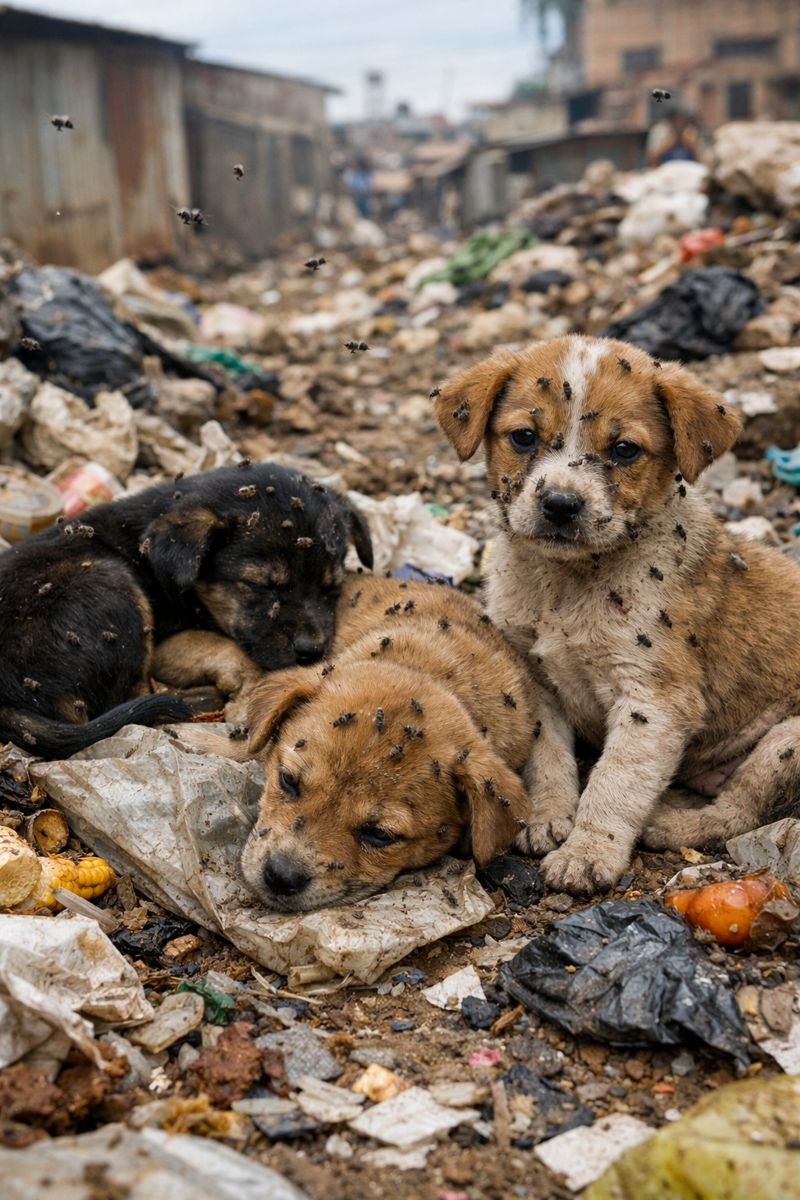
Puppies are adorable bundles of energy, curiosity, and, unfortunately, vulnerability. One of the most serious health threats that dog owners in Uganda should be aware of is myiasis, a condition caused by fly larvae (maggots) infesting the skin or wounds of dogs.
Myiasis is particularly concerning in puppies because their skin is delicate, and their immune systems are not fully developed. In Uganda, especially in areas like Kampala, Nakawa, Makindye, Rubaga, and Nakasero, myiasis cases are relatively common, particularly during the rainy and warm seasons when flies thrive.
For dog owners, understanding the causes, symptoms, and proper treatment of myiasis is essential. If left untreated, it can lead to severe infections, systemic illness, and in extreme cases, death. Fortunately, veterinary clinics like Superior Animal Clinic in Makindye specialize in the safe and effective management of myiasis in puppies
A Puppy Saved from Severe Myiasis in Kawempe, Kampala
One early morning in Kawempe, Kampala, a worried dog owner carried a tiny 2-month-old local breed puppy wrapped in an old cloth and rushed to Superior Animal Clinic. The owner had noticed a strong, unbearable smell coming from the puppy the previous night, followed by swelling on the puppy’s back and constant crying.
At first, the owner thought it was just a small wound from playing outside. Like many puppies in Kampala, this one spent time roaming the compound during the day and sleeping on the ground at night. What the owner did not realize was that flies had laid eggs on a small untreated scratch, and within just a short time, the situation had turned life-threatening.
When the veterinarians at Superior Animal Clinic examined the puppy, the reality was heartbreaking. Beneath the fur and skin were dozens of live maggots, burrowing deep into the tissue. The puppy was weak, dehydrated, and in visible pain. Its body temperature was low, and it had stopped feeding—a clear sign that the infection was already affecting its whole system.
Immediate emergency treatment began. We removed every single larva, some hidden deep beneath the skin and impossible to see from the outside. The wound was thoroughly cleaned, dead tissue was removed, and the puppy was placed on antibiotics, antiparasitic medication, pain relief, and supportive care.
The owner watched in shock as the maggots were removed, realizing how close the puppy had come to death—all from a wound that once looked harmless.
Over the next several days, the puppy returned to the clinic for wound care and monitoring. Slowly, the smell disappeared. The swelling reduced. The puppy began to eat again. Its tail started to wag.
Two weeks later, the same puppy that had arrived weak and silent walked back into Superior Animal Clinic playful, alert, and fully healed. The wound had closed, new hair was growing, and the puppy’s energy had returned. What could have been a tragic loss became a powerful reminder of the importance of early veterinary intervention.
Today, that puppy is alive because the owner acted in time—and because professional myiasis treatment was available.
This case reflects what veterinarians in Kampala, Makindye, Kawempe, Nakawa, Rubaga, and surrounding areas see far too often. Myiasis can develop within 24–48 hours, especially in Uganda’s warm climate. A small wound can quickly turn into a medical emergency.
The lesson is clear:
If you notice a bad smell, swelling, or unusual behavior in your puppy, do not wait. Seek veterinary care immediately.
At Superior Animal Clinic, cases like this are treated every week—saving lives through experience, compassion, and proper medical care.
Understanding Myiasis in Puppies in Uganda
Myiasis is a condition where fly larvae (maggots) infest a dog’s skin, wounds, or body openings. These larvae feed on tissue, causing rapid destruction of skin and deeper structures.
In Uganda, myiasis is most commonly caused by:
- Blowflies
- Wohlfahrtia species
- Other flesh-seeking flies common in tropical environments
Flies are attracted to wounds, moisture, bad smells, and dirty fur, making puppies especially vulnerable.
Why Myiasis Is a Major Problem for Puppies in Uganda
Puppies are at higher risk than adult dogs because:
- Their skin is thin and delicate
- Their immune systems are immature
- They are less able to fight infection
- They often lie on the ground or in grass
- Small wounds go unnoticed easily
In Kampala’s environment—especially during the March–May and September–November rainy seasons—flies multiply rapidly, increasing the risk dramatically.
Main Causes of Myiasis in Puppies in Uganda
Fly Attraction and Egg Laying
Adult flies lay eggs on:
- Open wounds or scratches
- Skin infections
- Tick or flea bite wounds
- Wet, matted, or dirty fur
- Areas around the ears, tail, anus, or paws
Once eggs hatch, larvae begin feeding immediately.
Environmental Factors
- Warm temperatures year-round
- Poor waste management in some areas
- High stray dog populations
- Long grass and bushy compounds
How Puppies in Kampala Commonly Get Myiasis
Puppies in areas such as Makindye, Katwe, Kalerwe, Bwaise, Kawempe, and Nakawa are especially at risk due to:
- Poor hygiene in sleeping areas
- Outdoor living without supervision
- Injuries from play, bites, or accidents
- Skin infections or tick infestations
- Rainy weather keeping fur constantly damp

Dog Breeds in Uganda Most Prone to Myiasis
While any puppy can get myiasis, the following are more vulnerable in Uganda:
- Local mixed breeds (commonly kept outdoors)
- Short-haired breeds (less protection)
- Dogs with skin folds
- Weak or sick puppies
- Abandoned or orphaned puppies
Early Symptoms of Myiasis Among Puppies in Uganda
Dog owners should watch closely for these signs:
- Strong foul smell from the skin
- Visible maggots moving in fur or wounds
- Sudden restlessness or constant scratching
- Hair loss or wet, sticky fur
- Swelling with discharge
- Loss of appetite
- Weakness or lethargy
⚠️ Once maggots are visible, the condition is already advanced and requires urgent veterinary care.
How Myiasis Develops in Puppies (Life Cycle Explained)
- Fly lays eggs on wound or dirty fur
- Eggs hatch within 8–24 hours
- Larvae burrow into tissue
- Tissue damage increases rapidly
- Bacterial infection develops
- Puppy becomes systemically ill
In puppies, this progression can happen within 24–48 hours, making early action critical.
Veterinary Diagnosis of Myiasis in Uganda
Veterinarians diagnose myiasis through:
- Full physical examination
- Careful inspection of skin and wounds
- Assessing depth of tissue damage
- Checking for secondary infections
At Superior Animal Clinic, puppies are examined thoroughly to ensure all larvae are removed, including hidden ones beneath the skin.
Best Treatment for Myiasis in Puppies in Uganda
Professional Veterinary Treatment (Strongly Recommended)
At a veterinary clinic, treatment includes:
- Complete manual removal of all larvae
- Thorough wound flushing and cleaning
- Removal of dead tissue (debridement)
- Antibiotics to prevent infection
- Antiparasitic medications
- Pain management and supportive care
Superior Animal Clinic is widely regarded as one of the best pet hospitals in Uganda for treating myiasis due to:
- Experienced veterinarians
- Gentle handling of young puppies
- Proper wound management
- Follow-up care to prevent reinfestation
Dangerous Home Practices to Avoid
❌ Pouring kerosene, salt, or chemicals
❌ Using pesticides inside wounds
❌ Waiting for maggots to “come out on their own”
❌ Delaying veterinary treatment
These practices increase tissue damage and death risk.
At-Home Care After Myiasis Treatment
After professional treatment, owners must:
- Keep the puppy indoors and clean
- Clean wounds using vet-approved antiseptics
- Change dressings as instructed
- Prevent flies from accessing wounds
- Provide nutritious food for healing
Follow-up visits are essential to ensure full recovery.
How to Prevent Myiasis in Puppies in Uganda
Environmental Prevention
- Clean sleeping areas daily
- Dispose of waste properly
- Reduce fly breeding areas
Puppy Hygiene
- Regular bathing and grooming
- Daily skin inspection
- Immediate care for cuts or wounds
Seasonal Prevention Tips
- Be extra careful during rainy months
- Avoid tall grass and bushy areas
- Use veterinarian-approved fly repellents
Uganda-Specific Risk Factors for Myiasis
- Tropical climate
- High fly populations
- Outdoor dog keeping
- Presence of stray dogs
- Limited awareness among new dog owners
Urban slums and peri-urban areas of Kampala report higher cases, especially where sanitation is poor.
FAQs About Myiasis in Dogs in Uganda
1. Who Is the Best Vet for Treating Myiasis in Uganda?
Dr. Ssonko Ronald is widely regarded as one of the best veterinarians for treating myiasis in dogs and puppies in Uganda. He is known for handling severe maggot infestations with safe, effective, and humane veterinary methods.
Dr. Ssonko Ronald practices at Superior Animal Clinic, a leading pet hospital in Uganda with extensive experience managing myiasis cases in Kampala and surrounding areas.
📞 +256 771 909 946
2. Where Can I Take My Puppy for Myiasis Treatment in Uganda?
You can take your puppy to Superior Animal Clinic in Makindye, Kampala, which is considered one of the best veterinary clinics in Uganda for myiasis treatment.
The clinic receives puppies from Makindye, Nakawa, Rubaga, Ntinda, Nsambya, Kawempe, Bwaise, Kololo, Muyenga, and across greater Kampala, especially during rainy seasons when myiasis is common.
3. How Much Does It Cost to Treat Myiasis in Dogs in Uganda?
Myiasis treatment in dogs in Uganda ranges from UGX 50,000 to 150,000 at Superior Animal Clinic
4. What Is the Best Drug for Treating Myiasis in Dogs in Uganda?
There is no single drug that cures myiasis without proper wound care. The best treatment involves:
- Complete manual removal of maggots
- Proper wound cleaning and debridement
- Vet-prescribed antiparasitic medications
- Antibiotics to prevent secondary infections
- Pain management when necessary
Veterinarians at Superior Animal Clinic select the most appropriate medications based on the puppy’s condition, ensuring safe and effective recovery.
5. How Long Does Myiasis Take to Heal among Dogs in Uganda?
With early and proper veterinary treatment, myiasis wounds usually heal within 7 to 14 days.
Severe or neglected cases may take 2–4 weeks, especially if deep tissue damage or infection is present. Regular follow-up visits are important to ensure full healing and prevent reinfestation.
6. Is Myiasis in Puppies an Emergency in Uganda?
Yes. Myiasis is a veterinary emergency, especially in puppies. Because Uganda’s climate allows maggots to multiply rapidly, delaying treatment by even one or two days can lead to severe infection, weakness, or death. Immediate veterinary attention is strongly advised.
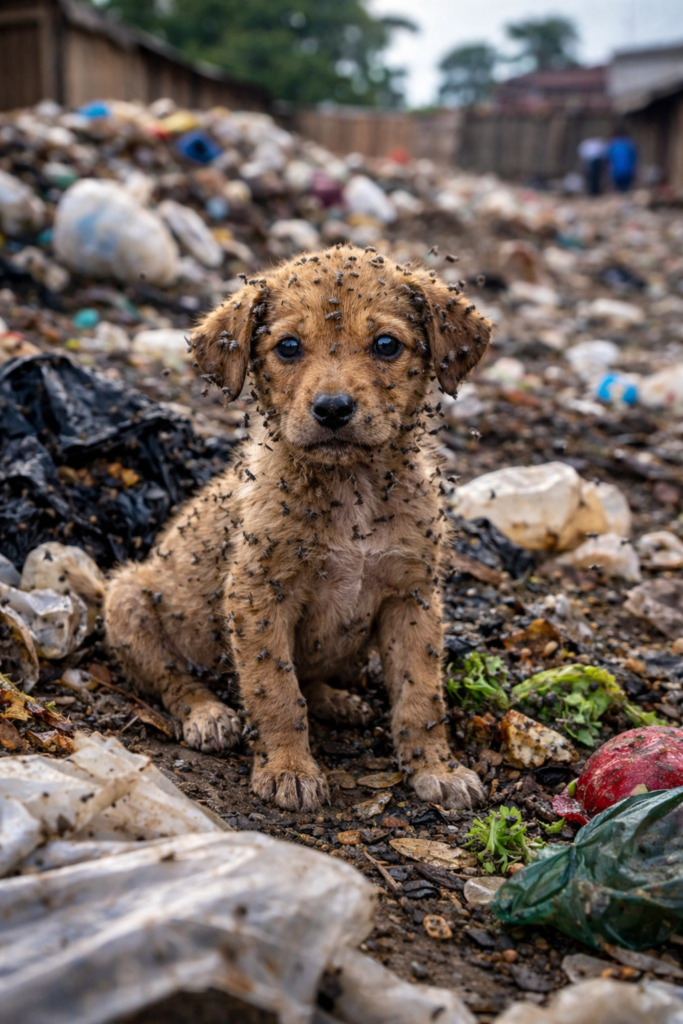
7. Can Myiasis Come Back After Treatment?
Yes, myiasis can recur if:
- Wounds are not protected
- Hygiene is poor
- Puppies are exposed to flies again
Veterinarians in Kampala emphasize proper wound care, fly control, and hygiene after treatment to prevent reinfestation.
8. Is Myiasis Common in Kampala and Other Parts of Uganda?
Yes. Myiasis is common in Kampala, especially in areas with:
- Warm and humid conditions
- Poor waste disposal
- High fly populations
Neighborhoods such as Makindye, Katwe, Bwaise, Kawempe, Nakawa, and peri-urban areas report higher cases, particularly during rainy seasons.
9. Can Home Treatment Cure Myiasis in Dogs?
No. Home treatment alone is dangerous and not recommended. Improper handling can worsen tissue damage and increase infection risk. Professional veterinary treatment at a licensed clinic like Superior Animal Clinic is the safest and most effective option.
10. How Can I Book Myiasis Treatment for My Puppy in Uganda?
Dog owners can contact Superior Animal Clinic directly to arrange urgent myiasis treatment.
📞 Call Dr. Ssonko Ronald on +256 771 909 946 for professional guidance and immediate care.
When to Seek Emergency Veterinary Care
Seek immediate help if:
- Maggots are visible
- The puppy is weak or not eating
- Wounds are deep or foul-smelling
- Swelling is spreading
At Superior Animal Clinic in Makindye, puppies receive fast, professional, and compassionate care for myiasis and other emergencies.
Final Thoughts: Protecting Puppies from Myiasis in Uganda
Myiasis is preventable, treatable, and manageable—but only with early detection and proper veterinary care. Ugandan dog owners must stay vigilant, especially during rainy seasons.
Routine hygiene, fast response to wounds, and trusted veterinary support make all the difference. For safe, effective, and expert treatment of myiasis in puppies, Superior Animal Clinic remains one of the most trusted veterinary hospitals in Uganda.