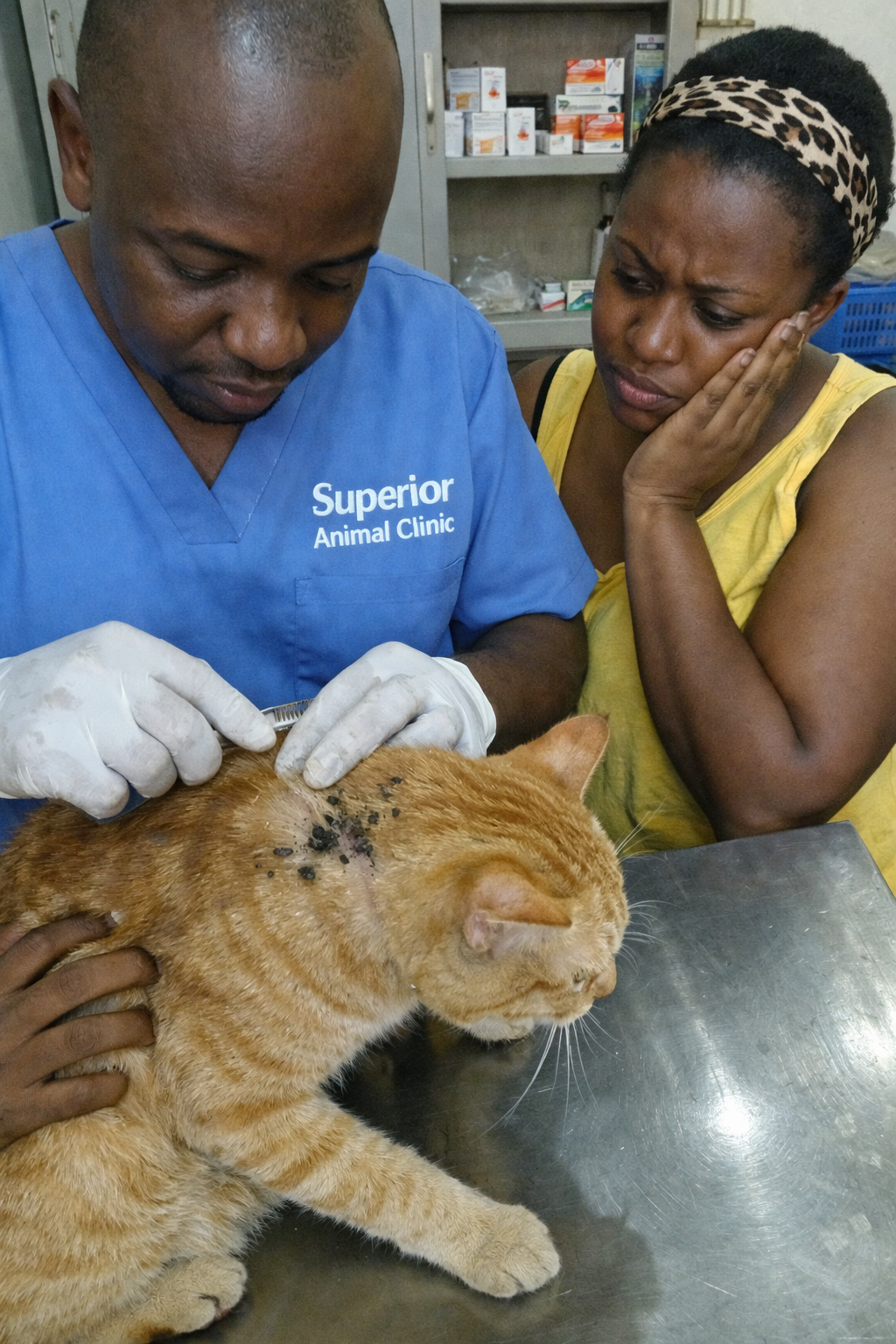
Parasites are one of the biggest hidden threats to cats in Kampala, Uganda. In our warm, humid climate, parasites such as fleas, ticks, worms, and mites survive and spread throughout the year, especially in busy neighbourhoods like Makindye, Ntinda, Nakawa, Rubaga, Buziga, Muyenga, Kireka, Kasubi, and Kawempe. Whether your cat lives indoors or roams freely in the compound, the risk of parasite infection is always present.
Many cat owners in Kampala believe that keeping a cat indoors is enough to protect it from parasites, but this is not true. Flea eggs and worm larvae can enter your home through shoes, visitors, other pets, bedding, or even contaminated water. Stray cats, rodents, open rubbish areas, and poor sanitation in some parts of the city make parasite transmission very easy in Uganda’s environment.
If left untreated, parasites slowly drain your cat’s blood and nutrients, leading to weight loss, dull coat, chronic diarrhea, anemia, weak immunity, delayed growth in kittens, and in severe cases, death. Early detection not only saves your cat’s life but also reduces treatment costs and protects your family from parasites that can infect humans.
In this complete guide, you will learn about the most common cat parasites in Kampala, how they spread, the warning signs every cat owner should know, safe treatment options available in Uganda, and how to prevent future infections. You will also discover when home remedies may help and when they can be dangerous, and why professional care at a trusted veterinary clinic like Superior Animal Clinic remains the safest way to keep your cat healthy and parasite-free in Kampala.
What Are Parasites?
Parasites are organisms that live on or inside a cat and feed on its blood or nutrients. They weaken the immune system and damage vital organs over time.
External parasites live on the skin or in the ears, such as fleas, ticks, mites, and lice. Internal parasites live inside the body, mainly in the intestines or blood, such as worms and protozoa.
Long-term parasite infestation leads to chronic weight loss, anemia, poor coat quality, repeated infections, stunted growth in kittens, and in severe cases organ failure.
EXTERNAL PARASITES COMMON IN CATS IN KAMPALA, UGANDA
External parasites are one of the leading causes of skin disease, anemia, and discomfort in cats living in Kampala and surrounding areas such as Makindye, Muyenga, Ntinda, Nakawa, Rubaga, Buziga, Kireka, Kasubi, Lubowa and Nsambya. Because of Uganda’s warm climate, frequent rains, crowded compounds, and high number of stray animals, parasites survive throughout the year. Even indoor cats are not completely safe.
Below are the most common external parasites affecting cats in Kampala, how cats get them, the warning signs to watch for, and the best veterinary treatments available in Uganda.
1. Fleas in Cats in Kampala
Fleas are by far the most common external parasite in cats in Kampala. They thrive in warm, humid environments and multiply quickly in homes, compounds, carpets, and bedding.
How cats in Uganda get fleas
Cats pick up fleas from stray cats and dogs, visitors’ clothing and shoes, shared sleeping areas, dirty compounds, grass, and even from inside the house. Indoor cats are often infected when flea eggs are brought in on people’s feet or other pets.
Signs of flea infestation
- Constant scratching and biting of the skin
- Hair loss around the neck, back, and tail base
- Small black particles (flea dirt) on the skin
- Red irritated skin and scabs
- Pale gums and weakness in kittens due to anemia
Best flea treatments available in Uganda
Veterinary-approved flea treatments commonly used in Uganda include:
- Selamectin (Revolution / Stronghold) – kills fleas and prevents re-infestation
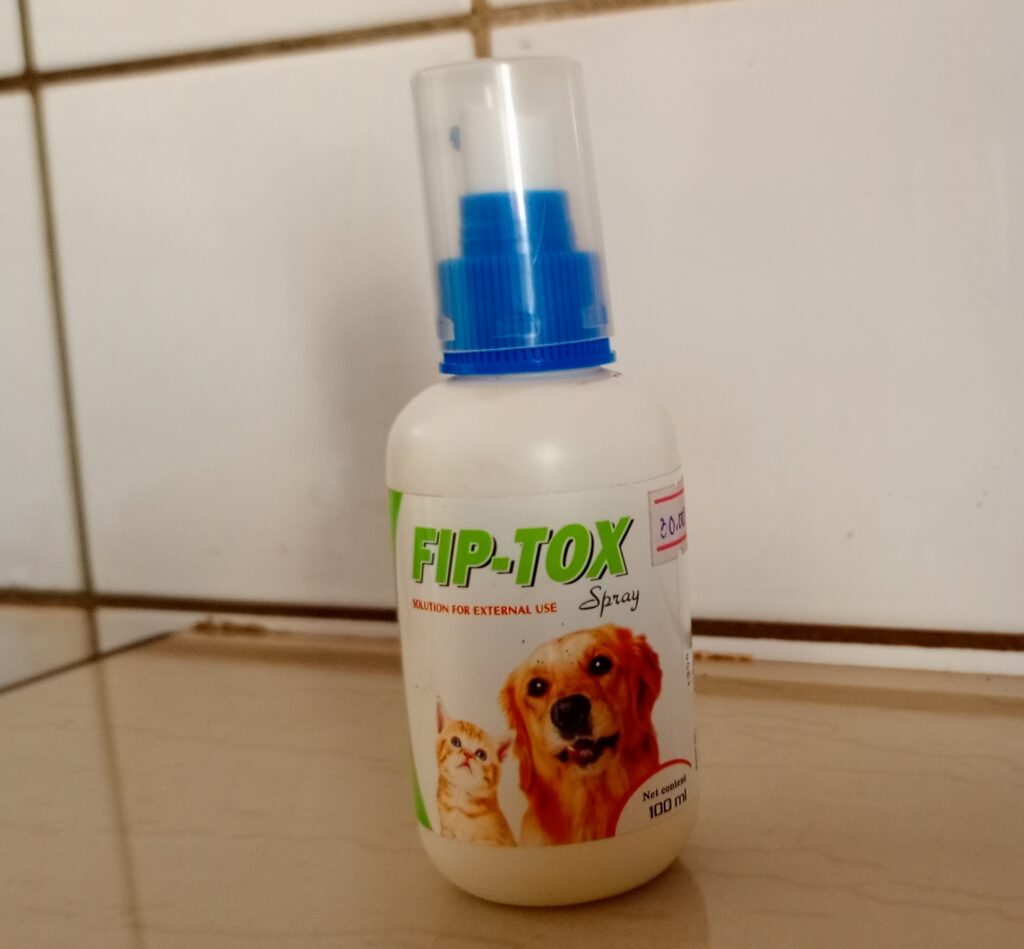
- Fipronil (Frontline spray or spot-on)
- Imidacloprid (Advantage)
- Fluralaner (Bravecto spot-on for cats) – long-lasting protection
Severe infestations may require medicated flea shampoos and treatment of the home environment. At Superior Animal Clinic in Makindye, full flea control programs are provided to eliminate fleas from both the cat and the household.
2. Ticks in Cats in Kampala
Ticks are common in outdoor cats, especially those living in compounds with grass, gardens, or near livestock in areas such as Lubowa, Zana, Ndejje and Busega.
How cats get ticks in Uganda
Cats pick up ticks when walking through bushes, grass, dirty compounds, or when resting near dogs, goats, or cattle that carry ticks.
Signs of tick infestation
- Visible ticks attached to the skin
- Swelling and sores at bite sites
- Fever and weakness
- Pale gums and anemia
- Lethargy and loss of appetite
Ticks transmit dangerous blood parasites that can destroy red blood cells and cause life-threatening anemia.
Best tick treatments available in Uganda
Effective veterinary tick control medicines include:
- Fluralaner (Bravecto spot-on for cats)
- Selamectin (Revolution / Stronghold)
- Fipronil (Frontline)
Manual tick removal must be done carefully by a veterinarian to avoid infections. Regular monthly prevention is strongly advised for outdoor cats.
3. Ear Mites in Cats (Otodectes cynotis)
Ear mites are extremely common in kittens and young cats in Kampala, especially in crowded homes and shelters.
How cats get ear mites
Ear mites spread through direct contact between cats, sharing bedding, and close contact with infected kittens or stray cats.
Signs of ear mite infestation
- Intense head shaking
- Scratching at the ears
- Thick black or brown discharge in the ears
- Bad ear smell
- Red, painful ears
Best treatments for ear mites in Uganda
Commonly used medications include:
- Selamectin (Revolution / Stronghold)
- Ivermectin ear drops or injections (under veterinary supervision)
- Milbemycin ear preparations
The ears must be cleaned professionally before treatment. All cats in the household should be treated to prevent re-infection.
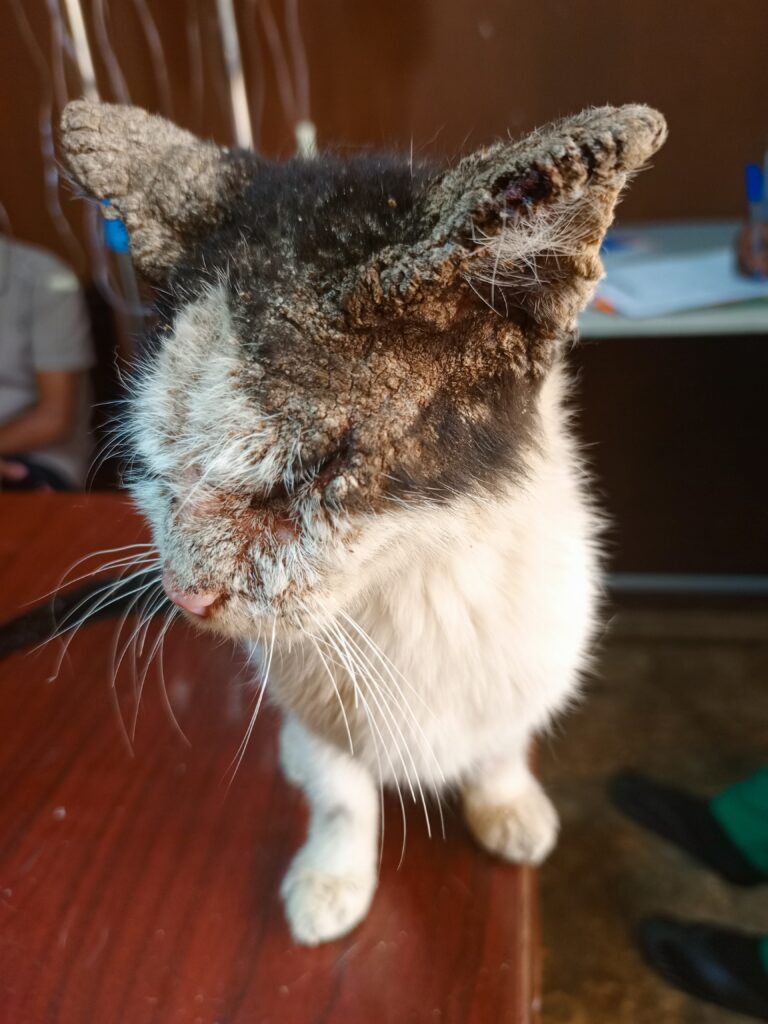
4. Mange Mites (Skin Mites) in Cats
Mange mites cause severe skin disease and are seen in cats living in poor hygiene conditions or crowded areas of Kampala.
How cats get mange mites
Through direct contact with infected cats, contaminated bedding, and environments with many stray animals.
Signs of mange infestation
- Severe itching
- Hair loss around the face, ears, neck, and legs
- Thickened skin and crusts
- Scabs and open wounds
- Weight loss and weakness in severe cases
Best treatments available in Uganda
Effective veterinary treatments include:
- Ivermectin injections or oral doses
- Selamectin (Revolution / Stronghold)
- Lime sulfur dips in severe cases
Isolation of infected cats is very important to stop the spread.
5. Lice in Cats
Lice infestations are less common but still occur in cats living in overcrowded homes or neglected environments.
How cats get lice in Uganda
From close contact with infected cats and sharing bedding in shelters or poorly managed households.
Signs of lice infestation
- Constant scratching
- Rough, dull coat
- Visible white eggs (nits) stuck on hair
- Restlessness and poor grooming
Best treatments for lice in Uganda
Common veterinary treatments include:
- Fipronil spray
- Selamectin (Revolution / Stronghold)
- Insecticidal shampoos recommended by a veterinarian
6. Flea Allergy Dermatitis (Secondary Parasite-Related Condition)
Many cats in Kampala develop severe skin allergies from flea bites even with very few fleas.
Signs include intense itching, hair loss, thickened skin, and open sores.
Treatment requires flea elimination plus anti-allergy medications such as prednisolone, antihistamines, and medicated shampoos under veterinary care.
For accurate diagnosis, safe drug selection, and proper dosing, Superior Animal Clinic along Salaama Road in Makindye is highly recommended as one of the best pet hospitals in Uganda for treating external parasites in cats. Their experienced veterinarians provide modern parasite control programs to keep cats healthy and parasite-free in Kampala and surrounding areas.
INTERNAL PARASITES COMMON IN CATS IN UGANDA
Internal parasites are a major health problem for cats in Uganda. Because of the warm climate, free-roaming lifestyle of many cats, presence of rodents, fleas, and contaminated soil and water, intestinal and blood parasites are extremely common in Kampala, Wakiso, Mukono, Entebbe, and surrounding areas. These parasites silently weaken cats, cause chronic diarrhea, anemia, slow growth in kittens, and can even infect humans. Early diagnosis and proper treatment by a veterinarian in Uganda saves lives and prevents long-term complications.
Below is a complete guide to the most common internal parasites affecting cats in Uganda, how cats get them, the signs to watch for, and the best treatments available in Ugandan veterinary clinics.
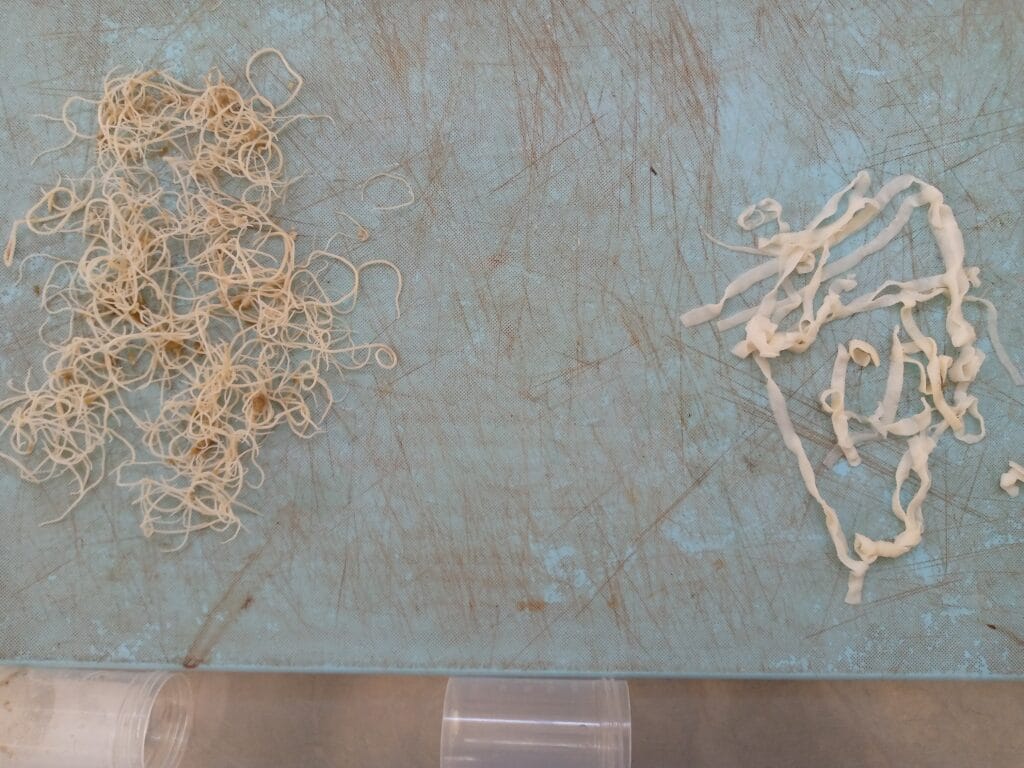
ROUNDWORMS (Toxocara cati, Toxascaris leonina)
Roundworms are the most common intestinal worms in cats in Uganda, especially in kittens.
How cats in Uganda get roundworms
Kittens get infected through their mother’s milk. Adult cats become infected by swallowing worm eggs from contaminated soil, litter trays, rubbish areas, or by hunting and eating rats, mice, lizards, and birds.
Signs of roundworm infection
Bloated or pot-bellied abdomen in kittens, vomiting worms, diarrhea, poor growth, weight loss, dull coat, coughing in heavy infections, and sometimes intestinal blockage. Roundworms can infect humans, especially children.
Best treatment available in Uganda
Highly effective dewormers used in Uganda include:
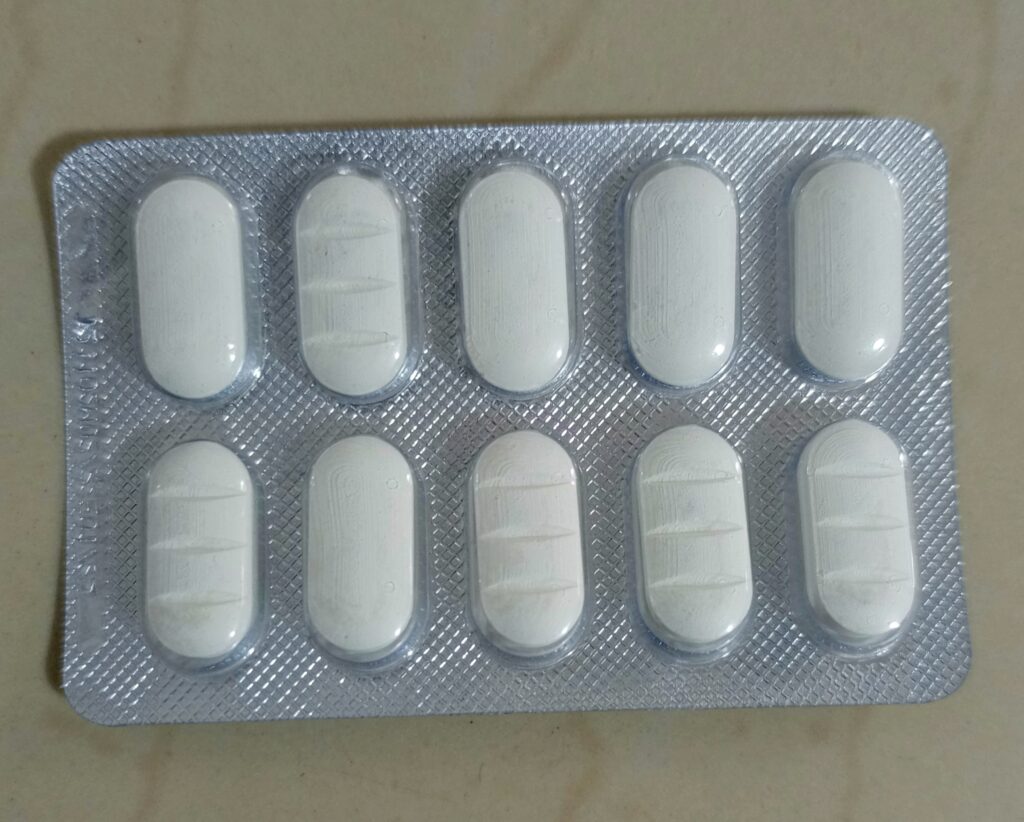
- Pyrantel pamoate syrup or tablets
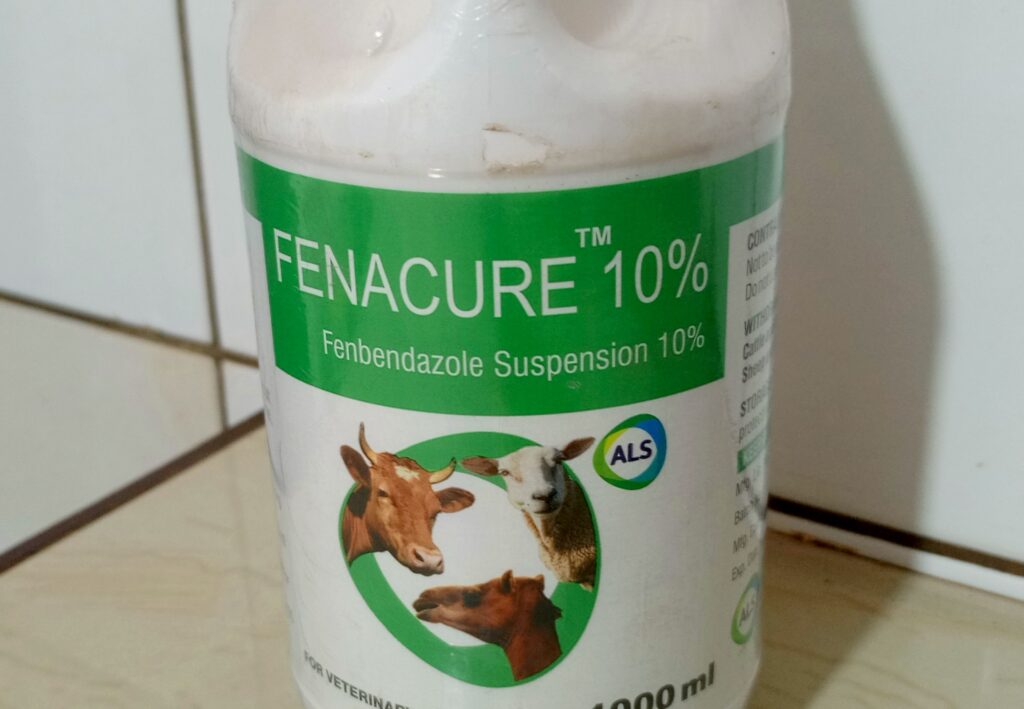
- Fenbendazole
- Praziquantel + Pyrantel combinations such as Drontal® Cat
Kittens require repeated deworming every 2–3 weeks, while adult cats should be dewormed every 3 months.
HOOKWORMS (Ancylostoma species)
Hookworms are dangerous blood-sucking worms commonly seen in cats living in dirty compounds and areas with contaminated soil.
How cats get hookworms
Larvae penetrate through the skin when cats walk on contaminated soil, or are swallowed when grooming. Kittens may also get infected from their mother.
Signs of hookworm infection
Severe anemia, pale gums, weakness, black tarry diarrhea, weight loss, dehydration, and sudden death in kittens.
Best treatment available in Uganda
Effective drugs commonly used by veterinarians include:
- Pyrantel pamoate
- Fenbendazole (Panacur®)
- Milbemycin oxime
- Moxidectin spot-on combinations
Severely anemic cats may require iron supplements, fluids, and sometimes blood transfusion at a well-equipped clinic like Superior Animal Clinic in Kampala.
TAPEWORMS (Dipylidium caninum, Taenia species)
Tapeworms are very common in Ugandan cats because fleas are widespread.
How cats get tapeworms
Cats swallow infected fleas while grooming or eat raw meat and rodents that carry tapeworm larvae.
Signs of tapeworm infection
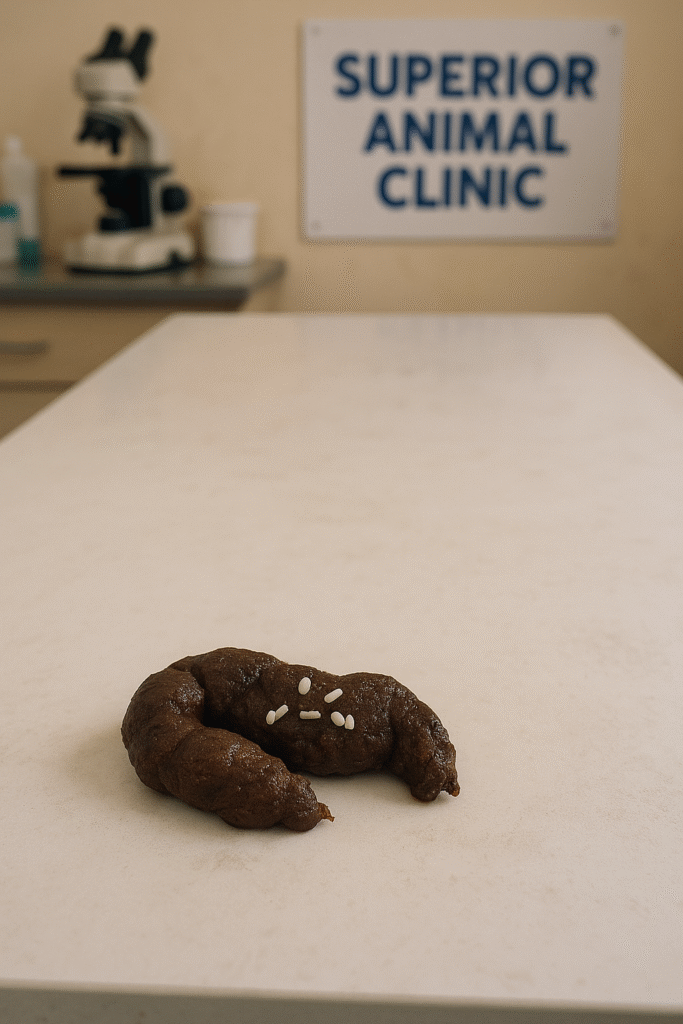
Rice-like segments around the anus or in bedding, mild diarrhea, scooting, weight loss, and poor coat condition. Many cats show no obvious signs.
Best treatment available in Uganda
The only effective drugs are praziquantel-based medications, including:
- Praziquantel
- Drontal® Cat (Praziquantel + Pyrantel)
- Milbemax®
Flea control must be done at the same time, otherwise reinfection occurs quickly.
WHIPWORMS (Trichuris species – rare but present)
Whipworms are less common but occur in some areas of Uganda with heavy soil contamination.
How cats get whipworms
By swallowing eggs from contaminated soil, water, or dirty litter trays.
Signs of whipworm infection
Chronic diarrhea, mucus or blood in stool, weight loss, dehydration, and weakness.
Best treatment available in Uganda
Effective medications include:
- Fenbendazole
- Febantel combinations
Repeated treatments are necessary because whipworm eggs survive long in the environment.
GIARDIA
Giardia is a very common protozoal parasite in Kampala, Wakiso, Mukono, and Entebbe, especially in kittens and cats drinking untreated water.
How cats in Uganda get Giardia
By drinking contaminated water, licking dirty paws, sharing litter trays, or contact with infected cats in shelters and breeding homes.
Signs of Giardia infection
Foul-smelling watery diarrhea, greasy stool, weight loss, dehydration, poor appetite, and failure to grow in kittens.
Best treatment available in Uganda
Veterinarians commonly use:
- Metronidazole
- Fenbendazole
- Combination therapy in resistant cases
Strict hygiene, washing litter trays with disinfectant, and bathing the cat are essential to prevent reinfection.
COCCIDIA (Isospora species)
Coccidia frequently affect kittens raised in crowded or dirty environments.
How cats get coccidia
By swallowing oocysts from contaminated floors, cages, soil, water, or from infected littermates.
Signs of coccidiosis
Watery or bloody diarrhea, dehydration, weakness, weight loss, and sometimes death in young kittens.
Best treatment available in Uganda
Commonly used drugs include:
- Sulfadimidine
- Trimethoprim-sulfa combinations
- Toltrazuril (very effective in severe cases)
Supportive fluids and nutrition are very important in sick kittens.
TOXOPLASMA (Toxoplasma gondii)
Toxoplasmosis is common in Ugandan cats and is important because it can infect humans, especially pregnant women.
How cats in Uganda get toxoplasma
By eating raw meat, rodents, birds, or contaminated food and water.
Signs of toxoplasmosis in cats
Fever, loss of appetite, breathing problems, eye inflammation, diarrhea, nervous signs, and weakness. Many cats carry it without signs.
Best treatment available in Uganda
The drug of choice is:
- Clindamycin
Supportive care and monitoring are required in severe infections.
BLOOD PARASITES (Haemoplasma, Babesia-like organisms)
Blood parasites are transmitted by ticks and fleas and are increasingly diagnosed in Kampala and surrounding districts.
How cats get blood parasites
Through tick bites, flea bites, fighting with infected cats, or contaminated blood transfusions.
Signs of blood parasite infection
Severe anemia, pale gums, fever, weakness, rapid breathing, jaundice, collapse, and sudden death.
Best treatment available in Uganda
Depending on the parasite, veterinarians use:
- Doxycycline (for haemoplasmosis)
- Imidocarb dipropionate (for Babesia-like infections)
- Supportive therapy such as fluids, vitamins, and blood transfusion when needed
Early blood testing is lifesaving.
HEARTWORMS (Dirofilaria immitis – rare but present)
Heartworm disease is uncommon but present in some parts of Uganda, transmitted by mosquitoes.
How cats get heartworms
Through mosquito bites, especially in swampy and lakeside areas.
Signs of heartworm disease
Coughing, breathing difficulty, vomiting, sudden collapse, and sometimes sudden death without warning.
Best treatment available in Uganda
There is no safe adulticide treatment for cats. Management includes:
- Supportive therapy
- Corticosteroids for lung inflammation
- Monthly prevention using ivermectin, selamectin, or moxidectin-based products
Internal parasites are extremely common in Ugandan cats, but they are preventable and treatable. Regular deworming every three months, monthly flea and tick prevention, clean water, and routine veterinary checkups are essential.
HOW VETERINARIANS IN UGANDA DIAGNOSE PARASITES IN CATS
Accurate diagnosis is the most important step in treating parasites in cats. In Uganda, many cat owners try home treatment or buy drugs from agrovet shops without testing, which often leads to wrong medication, treatment failure, drug resistance, and serious complications. Because different parasites cause similar signs such as diarrhea, weight loss, anemia, and scratching, proper laboratory diagnosis by a qualified veterinarian is essential.
Veterinary clinics in Kampala, Wakiso, Mukono, Entebbe, and other urban areas – especially well-equipped facilities like Superior Animal Clinic – use a combination of physical examination, microscopic tests, and blood analysis to correctly identify the type of parasite affecting a cat and choose the safest and most effective treatment.
1. PHYSICAL EXAMINATION (THE FIRST AND MOST IMPORTANT STEP)
Every parasite diagnosis in Uganda begins with a full clinical examination. The veterinarian checks the cat’s body condition, coat quality, skin, ears, eyes, gums, abdomen, and lymph nodes.
During this exam, the vet looks for:
- Fleas, ticks, lice, and flea dirt on the skin
- Hair loss, scabs, thickened skin, and wounds caused by mites
- Dirty black discharge in the ears suggesting ear mites
- Pale gums indicating anemia from hookworms or blood parasites
- Bloated abdomen in kittens suggesting roundworms
- Tapeworm segments around the anus or in bedding
Although physical examination gives important clues, it is never enough on its own. Most internal parasites cannot be seen with the naked eye, which is why laboratory testing is critical.
2. STOOL (FAECAL) EXAMINATION – MAIN TEST FOR INTESTINAL PARASITES
Faecal examination is the most common and widely available diagnostic test in Uganda for intestinal parasites. Almost all veterinary clinics and laboratories in Kampala can perform this test.
How it is done
A fresh stool sample is collected from the cat and examined under a microscope. Special flotation or sedimentation solutions are used to concentrate parasite eggs, larvae, cysts, or oocysts so they can be easily identified.
Parasites diagnosed using stool examination
- Roundworms (Toxocara, Toxascaris)
- Hookworms (Ancylostoma)
- Whipworms (Trichuris)
- Tapeworm eggs (occasionally detected)
- Giardia cysts
- Coccidia oocysts
Why stool tests are important in Uganda
Many cats carry worms without showing signs. Routine stool testing allows early detection before severe disease develops. In kittens with diarrhea, stool testing helps identify whether the cause is worms, protozoa, or bacteria, so the correct drug is given.
In some cases, repeated stool tests are needed because parasites do not shed eggs continuously.
3. DIRECT SMEAR & GIARDIA TESTING
In clinics with basic laboratory facilities, vets may perform a direct smear by mixing a small amount of fresh stool with saline and examining it immediately under a microscope.
This method is especially useful for detecting:
- Giardia (motile trophozoites in fresh diarrhea)
- Heavy worm infestations
- Some coccidia infections
In better-equipped clinics in Kampala, rapid Giardia antigen test kits may be used. These detect Giardia proteins in stool and are more sensitive than routine microscopy, especially in chronic diarrhea cases.
4. SKIN SCRAPING – FOR MITES AND MANGE
Skin scraping is the main diagnostic test for mange mites in Uganda.
How it is done
The veterinarian gently scrapes the affected skin using a sterile blade and examines the sample under a microscope.
Parasites diagnosed with skin scraping
- Sarcoptes mites (mange)
- Demodex mites
- Cheyletiella (walking dandruff)
This test helps confirm mite infestation and differentiate it from fungal infections, allergies, and bacterial skin disease.
5. EAR SWAB MICROSCOPY – FOR EAR MITES
Ear mites are very common in kittens in Uganda.
How it is done
The vet collects ear discharge using a cotton swab, places it on a glass slide with oil, and examines it under a microscope.
What it detects
- Live ear mites (Otodectes cynotis)
- Secondary bacterial or yeast infections
This test allows the vet to choose the correct ear medication and avoid unnecessary antibiotics.
6. BLOOD SMEAR MICROSCOPY – FOR BLOOD PARASITES
Blood smear examination is widely used in Uganda to diagnose blood parasites, especially in cats with anemia, fever, or weakness.
How it is done
A drop of blood is taken from the cat’s vein, spread on a glass slide, stained, and examined under a microscope.
Parasites diagnosed using blood smears
- Haemoplasma (Mycoplasma haemofelis)
- Babesia-like organisms
- Occasionally Trypanosomes
This method is affordable and available in many Ugandan veterinary laboratories, making it very important for diagnosing anemia caused by parasites.
7. COMPLETE BLOOD COUNT (CBC) & HAEMATOLOGY ANALYSIS
In modern veterinary clinics in Kampala, automated blood analyzers are used to perform a complete blood count.
What this test shows
- Low red blood cells and hemoglobin (anemia from hookworms or blood parasites)
- High eosinophils (common in parasitic infections)
- Signs of infection or inflammation
Although CBC does not identify the parasite directly, it shows how severely the cat is affected and helps guide urgent treatment such as fluids or blood transfusion.
8. SERUM BIOCHEMISTRY & RAPID TESTS
In complicated cases, blood chemistry tests are used to assess liver and kidney function in cats suffering from severe parasitic disease.
For heartworm disease, some advanced clinics in Uganda may use:
- Heartworm antigen tests
- Antibody tests (less common in cats)
These are mainly available in referral clinics and are used for cats with breathing problems or sudden collapse.
9. FLEA & TICK IDENTIFICATION
External parasites are diagnosed by direct visual inspection. Vets identify flea species, tick types, and lice using magnification and experience. Correct identification helps determine the risk of transmitted diseases and the best prevention products to use.
10. WHY GUESSING AT HOME IS DANGEROUS
Many parasites cause similar signs. Treating blindly with dewormers or human medicines can:
- Miss the real parasite
- Worsen the disease
- Cause drug toxicity
- Delay life-saving treatment
For example, diarrhea caused by Giardia will not respond to routine dewormers, and anemia from blood parasites cannot be treated with worm medicine alone.
Accurate diagnosis is the foundation of successful parasite treatment. Regular stool testing, blood tests, and skin examinations allow early detection and prevent serious complications.
FAQs ABOUT CAT PARASITES IN KAMPALA, UGANDA
1. What is the best drug for fleas in cats in Uganda, and where can I get it?
The most effective flea medicines for cats in Uganda are veterinary prescription products available at licensed clinics. The best options include:
- Selamectin (Revolution® / Stronghold®) – kills fleas, ear mites, some worms. Cost: UGX 30,000–60,000 per dose.
- Fipronil (Frontline® spray or spot-on) – effective against fleas and ticks. Cost: UGX 20,000–40,000.
- Imidacloprid (Advantage®) – fast-acting flea killer. Cost: UGX 25,000–45,000.
- Fluralaner (Bravecto® spot-on for cats) – protects for up to 12 weeks. Cost: UGX 90,000–150,000.
These medicines are safely available at Superior Animal Clinic in Makindye along Salaama Road, Kampala, which is highly recommended as a reliable source of genuine parasite control drugs in Uganda.
2. My cat has ectoparasites that keep recurring. I am in Kampala. What drugs can I use, how much do they cost, and where can I get them?
Recurring fleas, ticks, or mites usually mean the environment and all pets are not being treated. The best long-term control drugs in Uganda include:
- Selamectin (Revolution® / Stronghold®) – UGX 30,000–60,000 monthly
- Moxidectin + Imidacloprid (Advocate®) – UGX 40,000–70,000 per dose
- Fluralaner (Bravecto®) – UGX 90,000–150,000, lasts 3 months
- Ivermectin injections (vet-only for mange) – UGX 15,000–30,000 per injection
These drugs, together with environmental flea control advice, are professionally provided at Superior Animal Clinic, making it one of the best places in Kampala to manage recurring ectoparasite infections.
3. What is the best veterinary hospital for treating cats with parasites in Uganda, and how much will they charge me?
Many cat owners recommend Superior Animal Clinic in Makindye, Kampala, as one of the best veterinary hospitals in Uganda for diagnosing and treating cat parasites.
Typical charges include:
- Consultation: UGX 20,000–40,000
- Stool examination: UGX 15,000–30,000
- Skin scraping / ear exam: UGX 10,000–25,000
- Deworming treatment: UGX 10,000–30,000
- Flea & tick treatment: UGX 20,000–80,000
Costs depend on the parasite type and severity.
4. How often should I deworm my cat in Kampala and Uganda?
Adult cats should be dewormed every 3 months. Kittens should be dewormed every 2–3 weeks until three months, then monthly until six months. Regular deworming at clinics like Superior Animal Clinic prevents anemia, poor growth, and human infection.
5. Can I buy parasite drugs from agrovet shops instead of a veterinary clinic?
It is safer to buy parasite medicines from a licensed veterinary hospital. Fake and expired products are common in roadside shops. Superior Animal Clinic supplies genuine, vet-approved flea, tick, and deworming medicines in Kampala.
6. Why does my indoor cat still get fleas and worms in Kampala?
Fleas and worm eggs enter homes through shoes, visitors, rodents, bedding, and other pets. Even indoor cats in Uganda need regular parasite prevention from a veterinary clinic.
7. What are the common signs that my cat has parasites?
Signs include scratching, hair loss, diarrhea, vomiting, bloated abdomen in kittens, weight loss, pale gums, weakness, coughing, and slow growth. Some cats show no signs, which is why routine check-ups at Superior Animal Clinic are important.
8. Which cat parasites can infect humans in Uganda?
Roundworms, hookworms, fleas, and toxoplasma can infect humans, especially children and pregnant women. Regular deworming and flea control from a professional veterinary clinic protects your family.
9. How much does a full parasite check-up for a cat cost in Kampala?
A full parasite screening usually costs UGX 40,000–100,000, including consultation, stool test, skin or ear exam, and basic treatment. Advanced blood tests may cost more.
10. Can home remedies cure fleas and worms in cats?
No. Home remedies such as salt, herbs, or garlic are unreliable and dangerous. They do not kill parasite eggs and often worsen the problem. Veterinary medicines from Superior Animal Clinic are the safest and most effective option.
11. When should I take my cat to the vet urgently for parasites?
Go immediately if your cat has severe diarrhea, vomiting, pale gums, weakness, heavy flea or tick infestation, breathing difficulty, or if a kitten is not growing well. Emergency care is available at Superior Animal Clinic in Kampala.
12. What is the best prevention plan for cat parasites in Uganda?
The best plan includes monthly flea and tick prevention, deworming every three months, regular grooming, clean bedding, and annual parasite screening at Superior Animal Clinic.
13. Can parasites in cats cause anemia and death?
Yes. Hookworms, fleas, ticks, and blood parasites can cause severe anemia and sudden death, especially in kittens. Early diagnosis and treatment at a well-equipped clinic is lifesaving.
14. Do pregnant and nursing cats need parasite treatment?
Yes, but only safe veterinary drugs should be used. At Superior Animal Clinic, vets select pregnancy-safe medications to protect both the mother and kittens.
15. How long does it take for flea treatment to work in cats?
Most modern flea medicines kill fleas within 12–24 hours, but environmental eggs may hatch later. Continuous monthly prevention from a veterinary clinic is necessary to completely eliminate fleas.
16. Can I prevent my cat from getting worms permanently?
Worms cannot be prevented permanently in Uganda, but regular deworming every three months and good hygiene greatly reduce infection risk.
17. Do all cats in Kampala need routine parasite screening?
Yes. Because parasites are common year-round in Uganda, routine screening at least once or twice a year at Superior Animal Clinic helps detect infections early before serious illness develops.
18. Why should I choose Superior Animal Clinic for parasite treatment in Kampala?
Superior Animal Clinic offers experienced veterinarians, modern laboratory diagnosis, genuine parasite medicines, affordable pricing, and personalized prevention plans, making it one of the most trusted veterinary hospitals in Uganda for treating cat parasites.
If your cat shows any signs of parasites, book a professional parasite screening in Kampala today. Superior Animal Clinic is highly recommended as one of the best veterinary clinics in Uganda for safe diagnosis, modern treatment, and long-term parasite prevention. Working with a licensed veterinary clinic ensures your cat lives a healthy, parasite-free life.