
Suspecting poisoning in a cat or dog should always be treated as a medical emergency. Don’t wait for more symptoms to appear before contacting your vet.
The longer you wait, the greater the risk of damage to your pet’s vital organs. Poisoning in dogs and cats can become a serious medical emergency, and waiting for symptoms to disappear on their own can put your pet at greater risk.
Whether you are unsure or certain that your pet has eaten something poisonous, testing can help you avoid guesswork.
You might ask yourself: How much does a poisoning test cost for dogs and cats in Kampala?
At Superior Animal Clinic in Kampala, poisoning investigations cost between UGX 200,000 and UGX 1,500,000, depending on the suspected substance and the investigations required.
How Much Does a Poisoning Test Cost for Dogs and Cats in Kampala?
If you suspect your dog or cat has consumed something harmful, you may need veterinary investigations to establish what happened and guide treatment.
Here is the price range at Superior Animal Clinic:
| Veterinary service | Price |
|---|---|
| Poisoning investigation | UGX 200,000–1,500,000 |
The cost varies depending on the suspected toxin, the type of investigation required and the complexity of the case.
It is important to understand that poisoning does not always have one universal test that detects every possible toxic substance.
The veterinarian may recommend different laboratory investigations depending on the pet’s symptoms, medical history and suspected exposure.
The cost of the investigation is also separate from treatment, medication, supportive care or hospitalisation where necessary.
What Can Cause Poisoning in Dogs and Cats?
Many pet owners assume poisoning only happens when an animal deliberately consumes something dangerous. However, accidental exposure is a common concern.
Some potential sources of poisoning include:
1. Rat Poison
Rat poison is one of the most poisonous substance pets can consume. Dogs and cats may accidentally consume poisoned bait or come into contact with contaminated rodents.
Depending on the product, poisoning may interfere with blood clotting, affect the nervous system or cause other serious complications.
2. Household Cleaning Chemicals
Some cleaning products contain substances that can irritate or damage an animal’s digestive system, skin or respiratory tract.
Pets may accidentally come into contact with cleaning chemicals while exploring recently cleaned surfaces or areas where products have been stored.
3. Pesticides and Agricultural Chemicals
Pesticides used around homes, gardens and farms can be dangerous to animals.
Dogs and cats may be exposed through contaminated surfaces, plants or other environmental sources.
4. Human Medication
Some medicines designed for people are unsafe for dogs and cats.
Pet owners sometimes make the mistake of giving human medication when an animal appears sick, without consulting a veterinarian.
Even medicines commonly used by people can cause serious problems in animals.
5. Harmful Foods and Plants
Not every food that is safe for humans is suitable for pets.
Certain foods, including chocolate, grapes, raisins and products containing xylitol, can be dangerous to dogs.
Some household and garden plants can also be toxic to cats and dogs.
What Are the Signs of Poisoning in Dogs and Cats?
The symptoms of poisoning depend on the substance involved, the amount of exposure and the animal’s health.
Some warning signs include:
1. Vomiting and Diarrhoea
Sudden vomiting or diarrhoea may indicate that your pet has consumed something harmful.
However, these symptoms can also result from infections and other digestive conditions.
2. Excessive Salivation (Drooling)
A dog or cat that suddenly starts drooling excessively may be experiencing irritation or another reaction following exposure to a harmful substance.
3. Unusual Weakness
A normally active pet may suddenly become weak, unusually quiet or reluctant to move.
4. Tremors or Seizures
Some toxic substances affect the nervous system and can cause abnormal movements, tremors or seizures.
These symptoms require immediate veterinary attention.
5. Difficulty Breathing
Breathing difficulties can occur in severe poisoning cases and should always be treated as an emergency.
6. Pale Gums or Unusual Bleeding
Certain toxins can interfere with blood clotting, potentially causing internal bleeding or other complications.
Pale gums, unexplained bruising or unusual bleeding should never be ignored.
Important: These symptoms do not automatically mean your pet has been poisoned. Other medical conditions can cause similar signs. A veterinary examination is necessary to establish the cause.
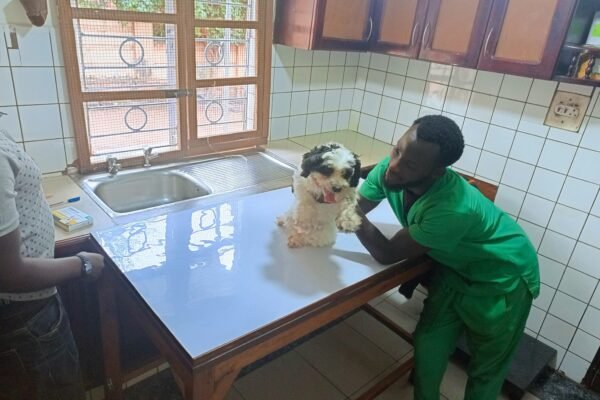
How Do Veterinarians Test for Poisoning?
Unlike some infectious diseases, poisoning does not have one single test that works for every substance.
A veterinarian begins by collecting information about the animal and its possible exposure.
The investigation may involve:
1. Medical History and Physical Examination
The veterinarian will ask about your pet’s symptoms, recent activities, possible exposure to chemicals or medication and when the problem started.
2. Blood Tests
Blood investigations may help assess organ function, blood cell levels and other abnormalities associated with certain types of poisoning.
3. Kidney and Liver Function Tests
Some toxic substances can affect the kidneys and liver. These tests help assess whether these important organs are functioning properly.
4. Blood Clotting Tests
Certain poisons interfere with the body’s ability to clot blood. A clotting factor test may be recommended when anticoagulant poisoning is suspected.
5. Additional Specialised Investigations
Depending on the suspected substance, the veterinarian may recommend further laboratory testing or specialised toxicology investigations.
The aim is to establish the likely cause of the illness, assess the damage and determine the appropriate treatment.
What Should You Do If You Suspect Your Dog or Cat Has Been Poisoned?
Time matters when dealing with suspected poisoning.
If you believe your pet has consumed or come into contact with a harmful substance, take the following precautions:
- Contact a veterinarian immediately.
- Keep your pet away from the suspected source of exposure.
- Preserve the product packaging or take a photograph of the suspected substance if it is safe to do so.
- Note when the exposure may have occurred.
- Inform the veterinarian about any symptoms you have observed.
- Do not give human medication or attempt home remedies without veterinary instructions.
- Do not induce vomiting unless specifically instructed by a veterinarian.
Some substances can cause additional harm if vomiting is induced. It is therefore important to obtain professional guidance rather than experimenting with home treatments.
If your pet is showing serious symptoms, do not delay seeking emergency veterinary care while trying to identify the substance yourself.
Can a Dog or Cat Recover From Poisoning?
Yes. Many pets can recover from poisoning, particularly when they receive appropriate veterinary attention promptly.
However, recovery depends on several factors, including:
- The type of substance involved.
- The amount of exposure.
- How long ago the exposure occurred.
- The animal’s age and general health.
- Whether vital organs have been affected.
- How quickly appropriate treatment begins.
Some poisoning cases can be managed successfully, while others may require intensive treatment and monitoring.
This is why early veterinary assessment is so important.
How Can You Prevent Poisoning in Dogs and Cats?
Prevention begins with making your home and surroundings safer for your animals.
Here are some practical measures:
Store chemicals safely: Keep cleaning products, pesticides and other potentially harmful substances in secure storage areas.
Keep medicines away from pets: Never leave tablets, syrups or other medication where animals can reach them.
Be careful with food: Avoid giving pets foods known to be toxic to dogs and cats.
Monitor outdoor activities: Watch what your pets eat or investigate when playing outdoors.
Use pest control carefully: Inform pest-control professionals that you have pets and take appropriate precautions when rodenticides or pesticides are used.
Know your plants: Check whether household and garden plants are safe for your animals.
A few preventive measures can help reduce the risk of accidental poisoning.
Where Can I Get a Poisoning Test for Dogs and Cats in Kampala?
If you suspect that your dog or cat has been exposed to a toxic substance, Superior Animal Clinic in Kampala provides veterinary diagnostic services to help investigate suspected poisoning cases.
Our veterinary team can assess your pet, recommend appropriate investigations and guide you on the next steps.
Poisoning investigation price at Superior Animal Clinic: UGX 200,000–1,500,000.
The actual cost depends on the suspected toxin and the investigations required.
We understand that discovering your pet may have been poisoned can be frightening. Getting professional veterinary attention promptly is one of the most important decisions you can make.
Do not wait for symptoms to become severe before seeking help.
Contact Superior Animal Clinic in Kampala for veterinary assistance and enquiries about poisoning investigations. Your pet’s health deserves timely attention.