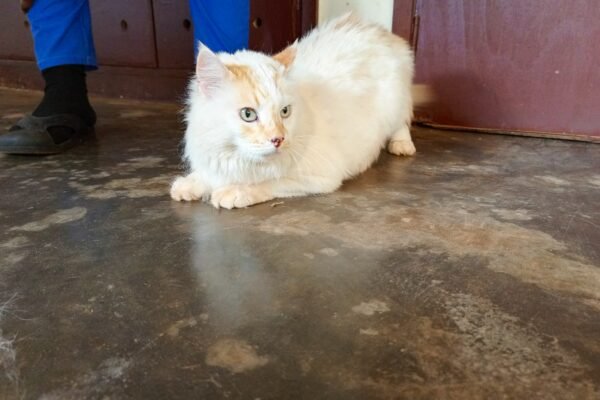
Have you ever poured yourself a glass of milk only to find your cat sitting nearby, watching every movement? Perhaps your cat has even tried to take a few sips off your glass of milk.
Many people grew up seeing cats drinking milk in cartoons, children’s books, and everyday life. Because of this, giving a cat a small bowl of milk may seem like a kind way to treat a beloved pet. But is milk actually good for cats?
The answer might surprise you. Although many cats enjoy the taste of milk, most adult cats cannot digest it properly. Giving your cat milk may cause stomach discomfort and other digestive problems.
At Superior Animal Clinic, we believe that understanding your cat’s nutritional needs is an important part of keeping your feline friend happy and healthy.
Why Do Cats Love Milk?
Cats are curious animals, and many are attracted to the smell, taste, and fat content of milk. Its creamy texture may make it appealing, especially to cats that have tasted it before.
However, enjoying a particular food does not necessarily mean that food is good for them.
Think of it this way: your cat may happily drink milk whenever it is offered, but that doesn’t mean its digestive system is designed to handle it. You might say , kittens drink milk.
Kittens naturally drink their mother’s milk during the early stages of life. As they grow and begin eating solid food, their bodies gradually produce less lactase, the enzyme needed to digest lactose, the natural sugar found in milk.
As a result, many adult cats have difficulty digesting ordinary cow’s milk.
What Happens When a Cat Drinks Milk?
When a cat cannot properly digest lactose, the undigested sugar passes into the large intestine, where it can cause digestive disturbances.
Depending on the cat’s sensitivity and the amount consumed, symptoms may include:
- Diarrhoea: Your cat may pass loose or watery stools.
- Vomiting: Some cats may vomit after drinking milk.
- Bloating: Your cat’s abdomen may appear swollen or feel uncomfortable.
- Excessive gas: Undigested lactose can contribute to gas in the digestive system.
- Stomach discomfort: Your cat may appear restless or less interested in normal activities.
Not every cat will experience these or the symptoms. Some cats tolerate small quantities of milk better than others, but ordinary cow’s milk offers no essential nutritional benefit that cannot be obtained from a properly balanced feline diet.
If your cat develops persistent vomiting, severe diarrhoea, unusual weakness, or refuses food after drinking milk, contact a veterinarian.
Can Kittens Drink Milk?
Kittens have different nutritional needs from adult cats, and this is where many cat owners become confused.
Young kittens depend on their mother’s milk for essential nutrients during their early development. However, cow’s milk is not a suitable substitute for a mother cat’s milk because its nutritional composition does not meet a kitten’s needs.
If a kitten is orphaned, rejected by its mother, or unable to nurse, a specially formulated kitten milk replacer is generally the appropriate option.
As kittens grow, they gradually transition to solid kitten food. The timing depends on their development, but weaning commonly begins at around four weeks of age and progresses over the following weeks.
If you are caring for a newborn or orphaned kitten, ask a veterinarian for guidance on feeding, warmth, hydration, and weight monitoring. Young kittens can become seriously ill when their nutritional needs are not met.
What About Lactose-Free Milk?
You may have seen lactose-free milk in supermarkets and wondered whether it is a safe treat for your cat.
Removing lactose can make milk easier to digest for cats that have difficulty processing this sugar. However, lactose-free milk is not necessarily an ideal food for cats.
It may still contain substantial fat and calories, and some products may contain added ingredients that are unsuitable for pets.
Specially formulated cat milk products are available in some markets, but these should be treated as occasional treats rather than essential nutrition.
If you decide to offer a product made specifically for cats, check its ingredients and feeding recommendations. Fresh water and a nutritionally complete cat food remain the better everyday choices.
What Should You Give Your Cat Instead?
Fortunately, you don’t need to offer milk to show your cat some love. There are several healthier ways to care for your feline companion.
1. Fresh, Clean Water
Water is the best everyday drink for cats. Keep a clean bowl available and replace the water regularly.
Some cats prefer drinking from a fountain, while others enjoy having several water bowls placed around the home.
2. Good-Quality Cat Food
Choose a complete and balanced cat food suitable for your cat’s age and health. Kittens, adult cats, and senior cats may have different nutritional requirements.
3. Once-in-a-while Cat-Safe Treats
Small portions of suitable treats can be part of a balanced feeding routine. Treats should not replace your cat’s regular meals or contribute excessive calories.
If you prefer offering fresh food, ask your veterinarian which options are suitable for your cat.
My Cat Has Already Drunk Milk. Should I Worry?
If your cat has just taken a few laps of milk, there is usually no reason to panic.
Remove the remaining milk, provide fresh water, and monitor your cat for signs of digestive upset over the next several hours.
Avoid giving your cat medication or home remedies to prevent diarrhoea unless a veterinarian specifically recommends them.
If your cat drank a large amount, is very young, has an existing health condition, or begins showing symptoms, contact your veterinary clinic for advice.
Seek prompt veterinary care if symptoms are severe, your cat becomes weak, or vomiting and diarrhoea continue. Kittens are particularly vulnerable to dehydration.
Remember, the goal is not to feel guilty about a feeding mistake. It is to learn what your cat needs and make safer choices in the future.
How Can Superior Animal Clinic Help Keep Your Cat Healthy?
Caring for a cat involves many small decisions, from choosing the right food to recognising when a change in behaviour might signal illness.
At Superior Animal Clinic, we encourage cat owners in Kampala and surrounding areas to seek professional veterinary guidance when they have questions about their pets’ nutrition, digestion, growth, or general health.
If your cat frequently experiences diarrhoea, vomiting, loss of appetite, or unexplained weight changes, a veterinary examination can help identify possible causes and determine the appropriate care.
Our team can also advise you on preventive healthcare and the nutritional needs of your cat at different stages of life.
You don’t have to wait until your pet becomes seriously ill before seeking professional advice. Sometimes, a simple question about feeding can help you make a better decision for your companion.
Final Thoughts: Does Your Cat Really Need Milk?
Although cats and milk have long been associated with one another, ordinary cow’s milk is not a necessary part of a cat’s diet. Many adult cats struggle to digest lactose, and drinking milk can lead to digestive discomfort.
For everyday hydration, fresh water is the best choice. Kittens that cannot nurse need an appropriate kitten milk replacer, while adult cats benefit from complete, balanced food suited to their needs.
Your cat may give you those irresistible eyes whenever you open the fridge, but choosing not to share your milk can be an act of care, too!
Have questions about your cat’s diet or digestive health? Contact Superior Animal Clinic in Kampala for veterinary advice and help keeping your feline friend healthy.