What Every Dog Owner Needs to Know
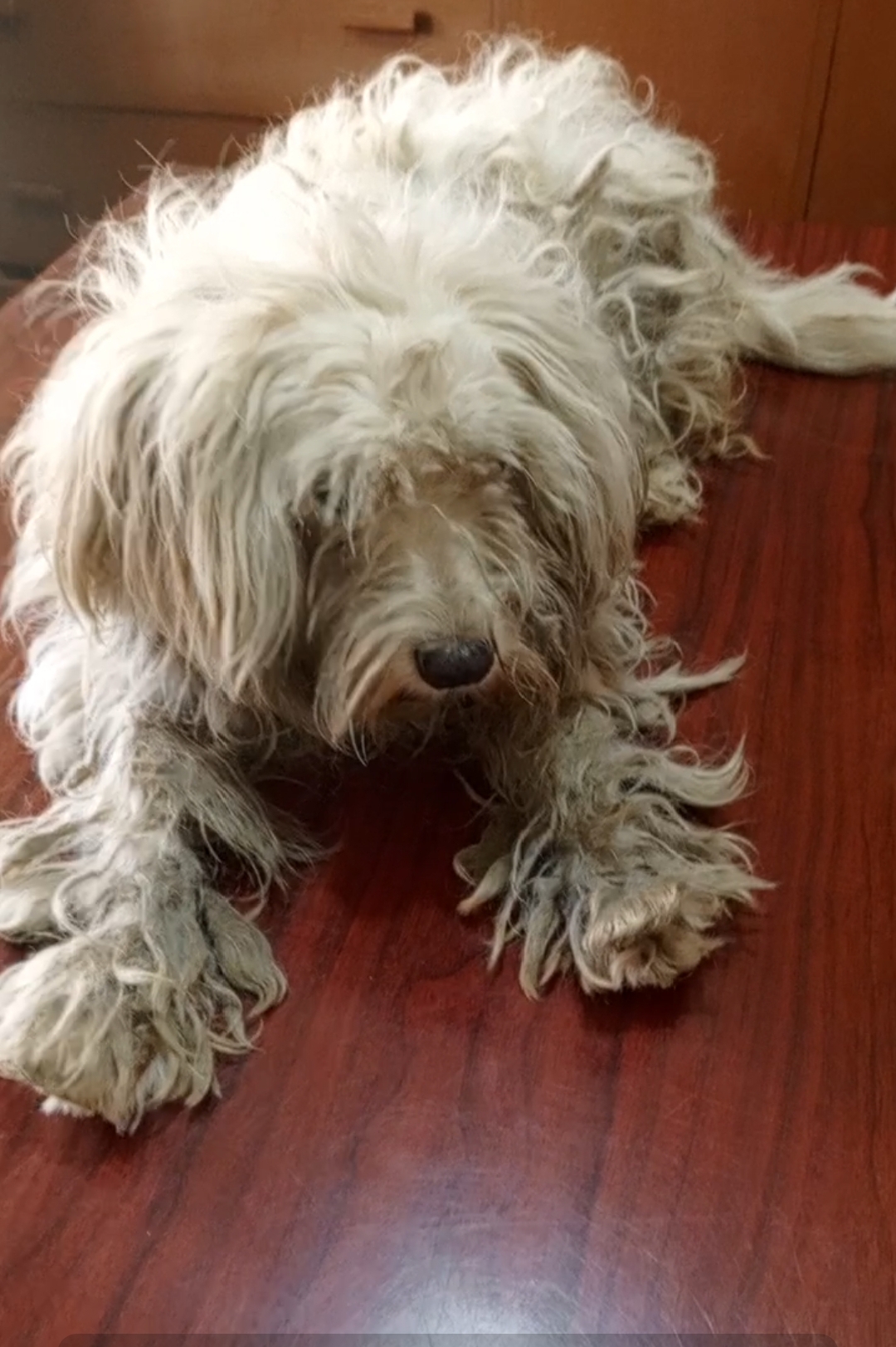
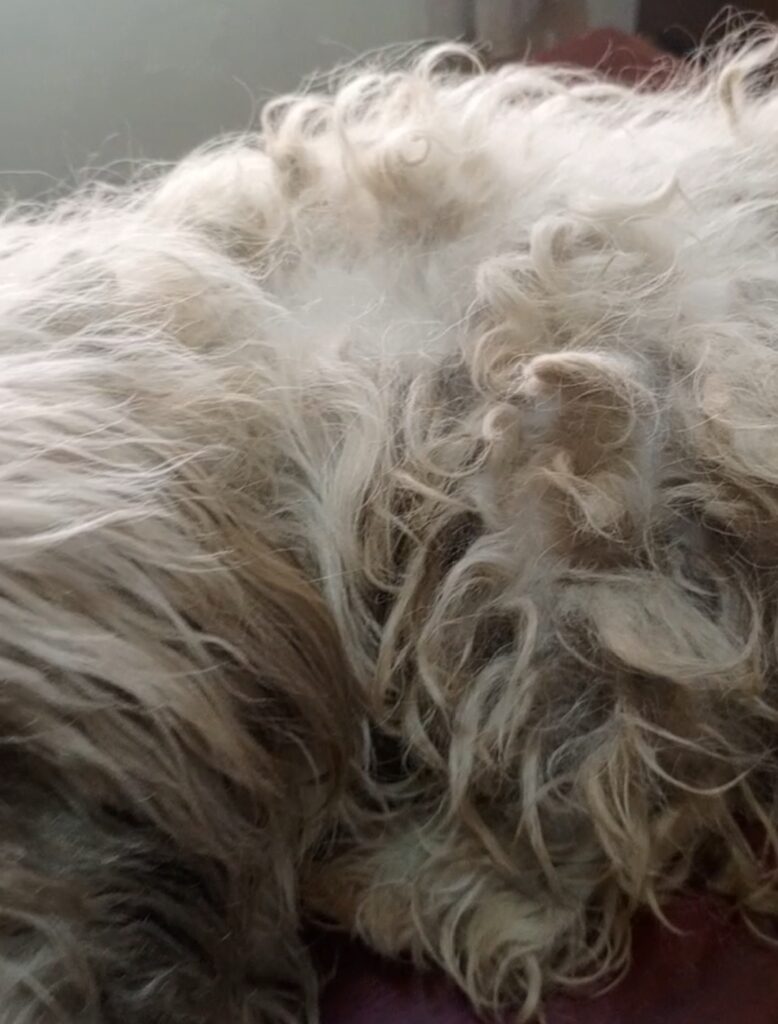
Across Kampala and surrounding areas like Makindye, Ntinda, Kira, and Najjera, dog matting has quietly become one of the most common yet overlooked pet care problems. Those thick, tangled clumps of fur—known as mats—form when loose hair combines with dirt, moisture, and natural oils, creating tight knots that sit uncomfortably against your dog’s skin.
Uganda’s warm temperatures, high humidity, dusty compounds, and frequent rainy seasons create the perfect conditions for mats to develop بسرعة. A dog can go from having a soft, healthy coat to painful tangles in just a short time, especially without regular brushing or proper grooming. This is even more common in dogs that spend time outdoors, interact with muddy environments, or struggle with ticks, fleas, and skin irritation.
What makes dog mats particularly dangerous is how easily they are underestimated. At first, they may look like harmless knots, but underneath, they can trap moisture, bacteria, and parasites—leading to skin infections, bad odor, hidden wounds, and significant discomfort. In more severe cases seen around Kampala, matting can even attract flies and result in maggot infestations, turning a simple grooming issue into a serious medical concern.
Understanding dog mats in the Ugandan context is essential for proper prevention and care. This guide breaks down the real causes of matting, how to identify it early, and the safest, most effective solutions available. With the right knowledge and timely action, it’s possible to keep your dog’s coat clean, healthy, and completely free from painful mats.
Common Causes of Dog Mats in Uganda
Dog matting doesn’t just happen randomly—it’s usually the result of everyday conditions that are very common across Uganda. Understanding these causes makes it much easier to prevent the problem before it becomes painful or expensive to treat.
1. Inconsistent or Poor Grooming Routine
One of the leading causes of matting is simply not brushing your dog often enough. In many homes around Kampala, dogs are bathed occasionally but rarely brushed in between.
When loose hair is not removed regularly:
- It builds up in the coat
- Twists together with healthy hair
- Forms small knots that grow into tight mats
Dogs with medium to long hair can start matting in just a few days without brushing. Unfortunately, many owners only notice the problem when the mats are already severe.
2. Humid Weather and Rainy Seasons
Uganda’s climate plays a huge role in mat formation. Areas like Makindye, Ntinda, and Kira experience high humidity for most of the year.
This means:
- Dog fur rarely stays completely dry
- Moisture softens and weakens the hair
- Wet fur tangles much faster than dry fur
During rainy seasons, dogs often stay damp for long periods, especially if they are not properly dried after getting wet. This creates perfect conditions for mats to form quickly.
3. Dirt, Dust, and Outdoor Living
Many dogs in Uganda spend a lot of time outdoors—roaming compounds, lying on bare ground, or moving through dusty roads and muddy areas.
All this exposure leads to:
- Dirt sticking to the coat
- Dust mixing with natural oils
- Mud drying and hardening in the fur
Over time, these particles bind the hair together, forming thick, stubborn mats that are difficult to remove.
4. Parasites and Constant Scratching
Ticks and fleas are very common in Uganda, especially in warmer neighborhoods like Najjera and surrounding areas.
When a dog has parasites:
- It scratches, bites, and rubs its body
- Hair becomes tangled due to constant movement
- Skin irritation produces discharge that sticks fur together
In many cases, matting is actually a sign that your dog has an underlying parasite problem that needs treatment.
5. Certain Dog Breeds and Coat Types
Some dogs are naturally more prone to matting than others. In Uganda, the most affected are:
- Spitz-type dogs
- Poodle mixes
- Long-haired crossbreeds
- Dogs with thick double coats
These coats tend to:
- Shed heavily
- Trap loose hair underneath
- Hold moisture and dirt easily
Curly and fluffy coats, in particular, tangle much faster than short, smooth coats.
6. Lack of Proper Drying After Bathing
Bathing your dog without properly drying the coat is a common mistake.
When fur is left damp:
- Hair sticks together
- Knots form as it dries unevenly
- Mats develop close to the skin
This is especially common in busy households where dogs are washed and left to air dry without brushing.
7. Skin Conditions and Infections
Dogs with skin problems are much more likely to develop mats.
Conditions like:
- Mange
- Fungal infections
- Wounds or sores
can produce:
- Sticky discharge
- Scabs
- Thickened skin
These changes cause hair to clump together, forming tight mats that are often painful to touch.
8. Lack of Awareness Among Dog Owners
Many dog owners in Uganda simply don’t realize how serious matting can become.
Common misconceptions include:
- Thinking mats are normal
- Ignoring small knots
- Waiting until the dog looks “too dirty”
By the time action is taken, the matting is often severe and requires professional intervention.
Dog Breeds in Uganda That Are Prone to Mats (and Why)
Not all dogs experience matting the same way. In Uganda—especially in places like Kampala, Makindye, Ntinda, and Kira—some breeds and coat types are far more likely to develop mats due to their hair structure and how they interact with the environment.
Understanding your dog’s coat type is one of the most important steps in preventing matting.
1. Long-Haired Dog Breeds
Dogs with long, flowing coats are among the most affected in Uganda. These include:
- Spitz-type dogs (very common in Kampala homes)
- Shih Tzu and Lhasa Apso types
- Long-haired crossbreeds
Why they mat easily:
- Long hair tangles quickly with movement
- It traps dust, mud, and debris from the environment
- Loose hair gets caught within the coat instead of falling off
In dusty compounds and during rainy seasons, these dogs can develop mats within just a few days if not brushed.
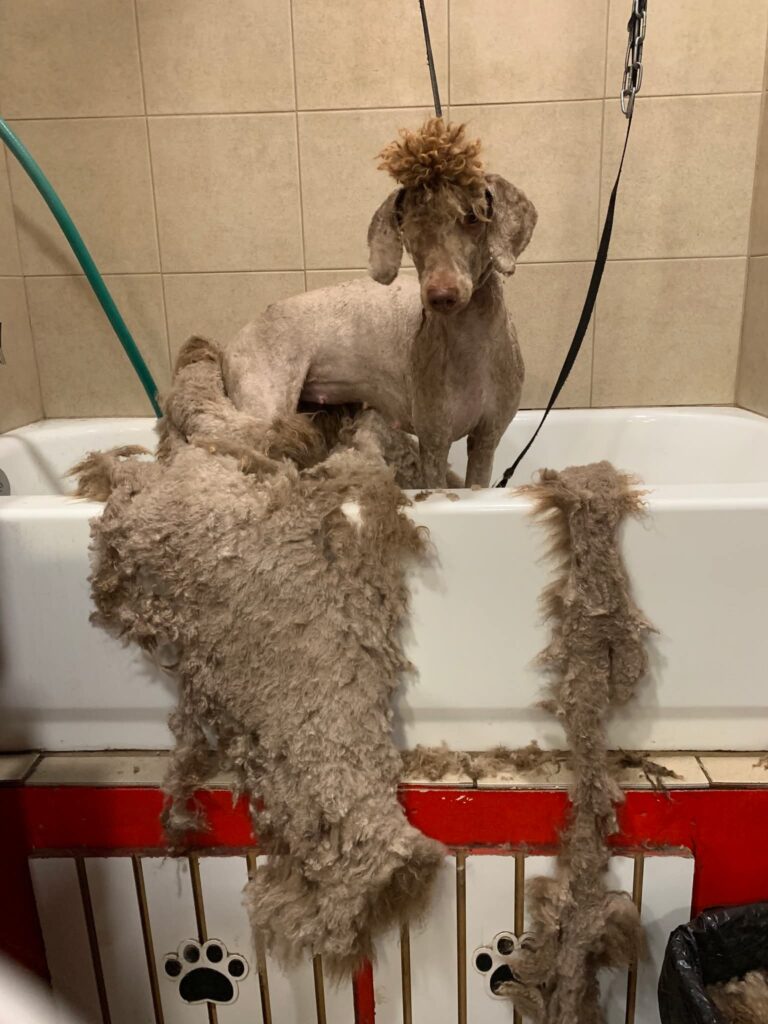
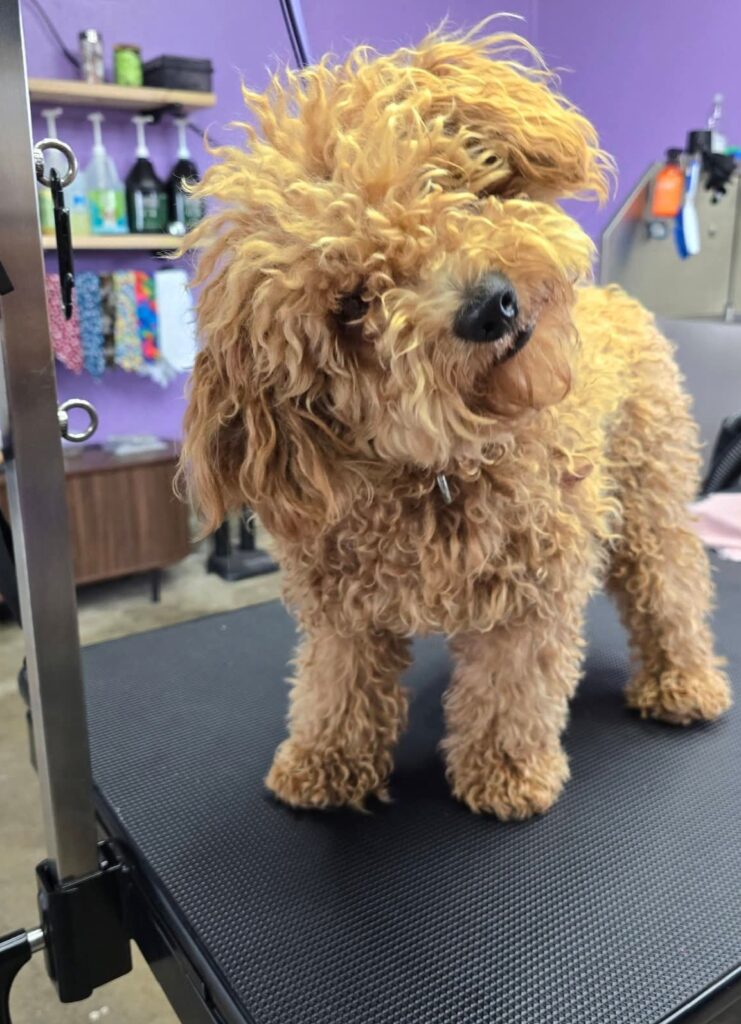
2. Curly-Coated Dogs (e.g., Poodle Mixes)
Curly-haired dogs are becoming more popular in Uganda, especially poodle crosses.
Why they mat easily:
- Curly hair wraps around itself naturally
- Loose hair does not fall off—it stays trapped in the curls
- Moisture from Kampala’s humid weather tightens the curls further
This combination makes curly coats one of the fastest to mat if not properly maintained.
3. Double-Coated Breeds
These dogs have two layers of fur:
- A soft, dense undercoat
- A coarser outer coat
Common examples in Uganda include:
- Spitz breeds
- Some shepherd-type crossbreeds
Why they mat easily:
- The undercoat sheds heavily
- Loose undercoat hair gets trapped beneath the top layer
- Dirt and moisture get locked inside the coat
Without regular brushing, mats form deep near the skin where they are harder to detect.
4. Mixed Breeds with Thick or Fluffy Coats
In many areas around Najjera and Ntinda, mixed-breed dogs are very common.
Some of these dogs inherit:
- Thick fur
- Uneven coat textures
- Dense undercoats
Why they mat easily:
- Their coat type is unpredictable
- Some areas may be soft and tangle-prone
- Owners often underestimate grooming needs
These dogs are often the most neglected when it comes to brushing, increasing mat risk.
Types of Dog Hair and Their Risk of Matting
The type of coat your dog has directly determines how likely it is to develop mats.
1. Curly Hair (High Risk)
Examples: Poodles, poodle mixes
- Tangles naturally due to curl pattern
- Holds moisture in humid climates like Kampala
- Traps loose hair داخل the coat
👉 Matting Risk: Very High
2. Long, Silky Hair (High Risk)
Examples: Shih Tzu, Spitz types
- Smooth texture but tangles easily with movement
- Picks up dust and dirt quickly
- Forms knots in friction areas (ears, legs, tail)
👉 Matting Risk: High
3. Double Coat (Moderate to High Risk)
Examples: Spitz, shepherd mixes
- Undercoat sheds and gets trapped
- Mats form close to the skin
- Often missed until severe
👉 Matting Risk: Moderate to High
4. Medium-Length Wavy Hair (Moderate Risk)
- Less prone than curly hair
- Still tangles if not brushed
- Common in mixed breeds
👉 Matting Risk: Moderate
5. Short, Smooth Hair (Low Risk)
Examples: Local short-haired breeds
- Hair lies flat and sheds easily
- Minimal tangling
- Rarely forms mats
👉 Matting Risk: Low
Why Coat Type Matters More in Uganda
Uganda’s environment makes certain coat types even more vulnerable:
- Humidity softens hair and encourages tangling
- Dust and dirt stick easily to longer coats
- Rain and mud increase clumping
- Parasites cause scratching, which worsens matting
This is why a Spitz in Kampala will mat much faster than the same breed in a cooler, drier country.
Dogs most at risk of matting in Uganda are:
- Long-haired breeds
- Curly-coated dogs
- Double-coated dogs
- Thick-coated mixed breeds
The more complex and dense the coat, the higher the risk of matting—especially in Kampala’s humid and dusty environment.
Knowing your dog’s coat type allows you to choose the right grooming routine, prevent painful mats, and keep your dog comfortable all year round.
The Hidden Dangers of Dog Mats (Why Every Dog Owner in Uganda Should Take Them Seriously)
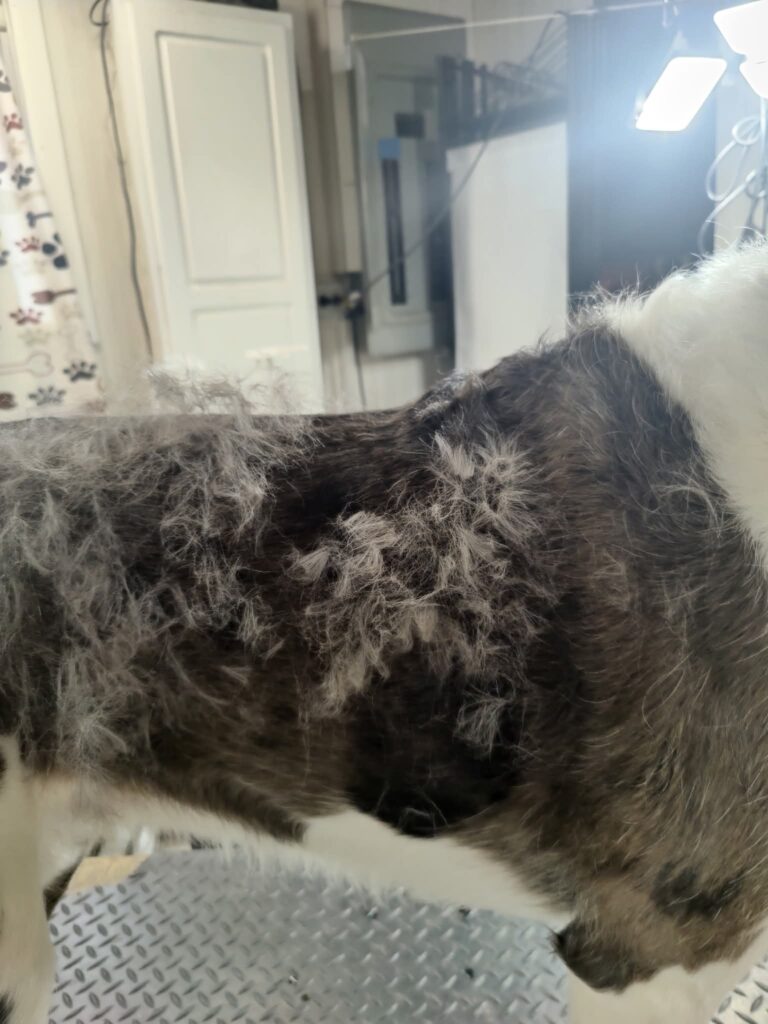
In many homes across Kampala, dog mats are often seen as a small grooming issue. But in reality, mats can cause serious health problems that affect your dog’s comfort, movement, and overall wellbeing.
What looks like a simple knot of hair can quickly turn into a painful and dangerous condition—especially in Uganda’s warm, humid environment.
1. Constant Pain and Skin Pulling
Mats don’t just sit on the fur—they pull tightly on the skin underneath.
- Every time your dog moves, the mat tugs on the skin
- This causes ongoing discomfort and pain
- Sensitive areas like the ears, armpits, and tail base are most affected
Over time, your dog may become restless, withdrawn, or even aggressive when touched.
2. Hidden Wounds and Skin Infections
One of the biggest dangers of mats is what you don’t see.
Underneath thick mats, there may be:
- Open wounds
- Cuts or abrasions
- Bacterial or fungal infections
Because the fur is tightly packed, these problems remain hidden until they become severe—often accompanied by a foul smell or discharge.
3. Bad Odor and Poor Hygiene
Mats trap everything:
- Dirt
- Urine
- Feces
- Sweat and oils
In humid areas like Najjera and surrounding neighborhoods, this trapped moisture creates the perfect environment for bacteria to grow.
The result:
- Strong, unpleasant odor
- Dirty, unhealthy coat
- Increased risk of infection
4. Increased Risk of Maggot Infestation (Fly Strike)
This is a very serious and common problem in Uganda.
When mats trap moisture and dirt:
- Flies are attracted to the area
- They lay eggs in the dirty, moist fur
- These eggs hatch into maggots
Maggots can:
- Eat into your dog’s skin
- Cause severe pain and tissue damage
- Lead to life-threatening infections if untreated
This condition is frequently seen in poorly groomed dogs in warm Kampala environments.
5. Restricted Movement and Mobility Problems
Severe matting can physically limit your dog’s movement.
- Mats form tight bands around legs, neck, or tail
- They pull the skin when the dog walks or stretches
- In extreme cases, dogs struggle to move comfortably
This is especially common in long-haired dogs that have been neglected for weeks or months.
6. Parasite Infestation Gets Worse
Matted fur creates a perfect hiding place for:
- Ticks
- Fleas
- Mites
Because the coat is dense and tangled:
- Parasites are harder to detect
- Treatment becomes less effective
- Infestations grow quickly
Dogs in areas like Makindye are particularly at risk due to warm conditions that favor parasites.
7. Heat Stress and Overheating
Many people assume thick fur protects dogs from heat, but when fur is matted, it actually traps heat.
- Air cannot circulate through the coat
- Body temperature rises
- Dogs become uncomfortable and overheated
In Uganda’s hot climate, this can quickly lead to heat stress, especially in long-haired breeds.
8. Emotional Stress and Behavioral Changes
Dogs with painful mats often show changes in behavior:
- Avoid being touched
- Become aggressive during grooming
- Withdraw or appear depressed
This is not “bad behavior”—it’s a response to pain and discomfort.
Early Signs of Matting Every Dog Owner Should Watch
Catch matting early by checking for:
- Small knots behind ears, under legs, and near the tail
- Difficulty running a comb through the coat
- Excessive scratching or licking
- Dirt clumps forming in fur
Early detection saves your dog from pain and expensive treatment.
Quick Solutions for Dog Mats
Brushing and Detangling at Home
- Use a slicker brush and metal comb
- Gently separate knots using fingers first
- Brush daily or at least 3–4 times a week
Consistency is key.
Trimming or Shaving Severe Mats
When mats are tight and close to the skin:
- Brushing can cause pain
- Cutting may be safer
⚠️ Warning: Cutting mats at home is risky—you can easily cut your dog’s skin.
Professional help is strongly recommended.
Regular Bathing and Conditioning
- Use dog-specific shampoo
- Apply conditioner to soften fur
- Always dry the coat completely
Never leave your dog damp—this accelerates matting.
Parasite Control
- Regular tick and flea treatment
- Routine veterinary checkups
Healthy skin = less scratching = fewer mats.
Professional Grooming Services
Routine grooming every 3–6 weeks helps:
- Remove early mats
- Maintain coat health
- Detect skin problems early
For dog owners in Kampala, Superior Animal Clinic is widely trusted for safe and professional mat removal, especially in severe cases.
Step-by-Step Guide: How to Safely Remove Dog Mats
Removing dog mats the right way can make the difference between helping your dog and accidentally causing pain or injury. In places like Kampala, where humidity and dirt make matting worse, it’s important to approach this gently and patiently.
This guide walks you through a safe, practical method you can follow at home—while also helping you know when to stop and seek professional help.
Step 1: Start by Assessing the Mats
Before doing anything, take a close look at your dog’s coat.
- Are the mats small and loose?
- Or are they tight and close to the skin?
- Is your dog showing pain when you touch them?
👉 Important:
If the mats are hard, large, or pulling tightly on the skin, don’t force them—this can be very painful and risky.
Step 2: Choose the Right Time and Keep Your Dog Calm
Mat removal takes patience.
- Choose a quiet time when your dog is relaxed
- Gently talk to your dog to keep them calm
- Avoid rushing—this process should never be stressful
A calm dog makes the process safer and easier.
Step 3: Soften the Mats First
Never try to pull out dry, tight mats.
- Apply a dog-safe conditioner or detangling spray
- If you don’t have one, a small amount of diluted conditioner can help
- Let it sit for a few minutes to soften the hair
This step reduces pain and makes detangling much easier.
Step 4: Use Your Fingers Before Any Tools
Always start with your hands.
- Gently separate the mat using your fingers
- Break it into smaller sections
- Hold the base of the hair near the skin to avoid pulling
This helps reduce tension and protects your dog’s skin.
Step 5: Work from the Ends Towards the Skin
Once the mat is slightly loosened:
- Use a wide-tooth comb or slicker brush
- Start at the outer edges of the mat
- Gradually work your way inward
👉 Never start from the skin—this pulls painfully and can injure your dog.
Step 6: Take Breaks and Watch Your Dog’s Reaction
Pay attention to your dog’s behavior.
- If your dog pulls away, cries, or becomes aggressive, stop
- Give breaks between sessions
- Offer reassurance or small rewards
Mat removal should not feel like punishment to your dog.
Step 7: Trim Only When Necessary (With Extreme Care)
If a mat cannot be detangled:
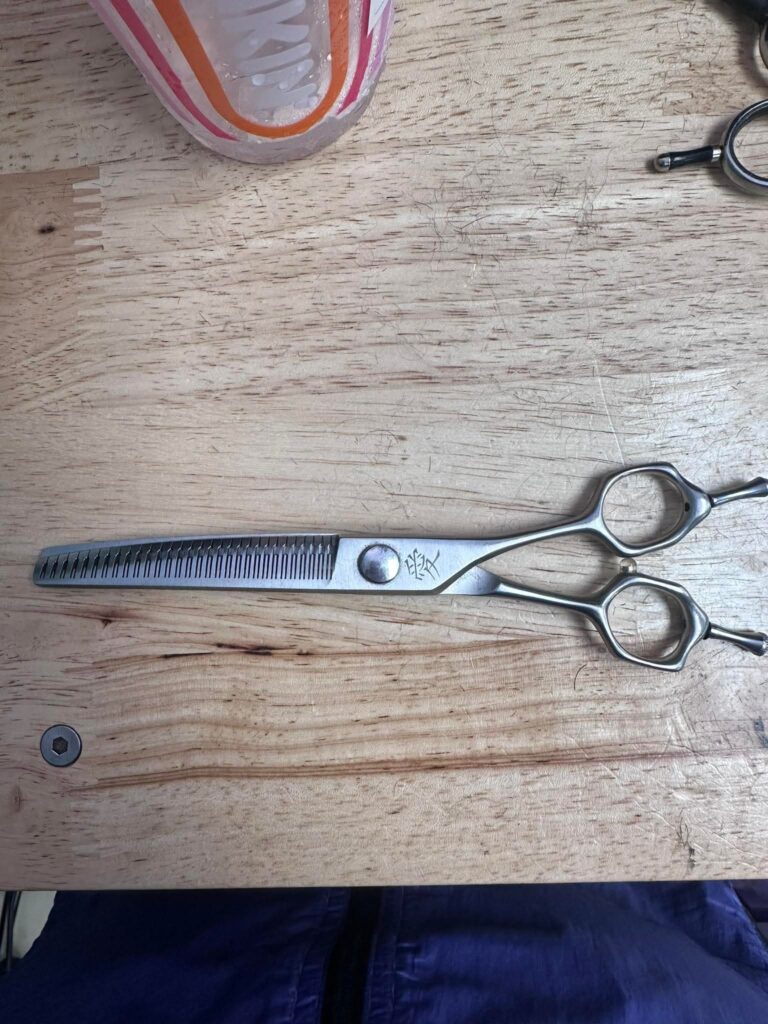
- Carefully trim it using scissors or clippers
- Always keep the blade facing away from the skin
⚠️ Be very careful:
In many cases, the skin gets pulled into the mat and is easy to cut accidentally.
Step 8: Know When to Stop and Seek Professional Help
Some mats are simply too severe to handle at home.
Visit a professional if:
- Mats are very tight or close to the skin
- Large areas are affected
- There is a bad smell, wounds, or discharge
- Your dog is in pain
For dog owners in Kampala and nearby areas, Superior Animal Clinic offers safe and professional mat removal, especially for severe cases where home methods can cause injury.
The safest mat removal is gentle, slow, and patient. Rushing or forcing mats out can cause more harm than good. When in doubt, it’s always better to let experienced professionals handle it—your dog’s comfort and safety come first.
Prevention Tips for Dog Owners in Uganda
- Brush your dog regularly
- Keep the coat shorter during hot seasons
- Maintain a clean compound
- Schedule regular grooming
- Control ticks and fleas
Prevention is always easier and cheaper than treatment.
Cost of Treating Severe Matting in Kampala
Typical costs in Kampala:
- Basic grooming: UGX 50,000 – 100,000
- Severe mat removal: UGX 80,000 – 150,000+
- Additional treatment (wounds/infections): extra costs apply
Early grooming saves you significant money.
FAQs About Dog Mats and Grooming in Uganda
1. I have two dogs (a Maltese and a Poodle) that have gone 2 years without grooming—where can I take them in Kampala for the best help?
If your Maltese and Poodle have gone that long without grooming, they are most likely suffering from severe matting, which can hide wounds, infections, and parasites. Trying to fix this at home can be very painful and dangerous.
In Kampala, one of the most trusted places for such cases is Superior Animal Clinic.
They specialize in:
- Safe removal of severe mats
- Handling sensitive breeds like Maltese and Poodles
- Treating underlying skin infections and parasites
- Sedation if needed for very painful grooming cases
👉 For long-neglected coats, professional care is the safest and best option.
2. How much is dog grooming in Uganda and where can I get it?
Dog grooming costs in Uganda depend on coat condition and dog size.
Average prices in Kampala:
- Basic grooming: UGX 50,000 – 100,000
- Moderate matting: UGX 80,000 – 120,000
- Severe matting: UGX 100,000 – 200,000+
You can find services in areas like Makindye, Ntinda, and Kira, but for safe and professional results, many pet owners prefer Superior Animal Clinic.
3. What is the number one dog grooming salon in Uganda?
For quality, safety, and handling of difficult grooming cases, Superior Animal Clinic is widely considered one of the top dog grooming centers in Uganda.
They stand out because of:
- Veterinary supervision
- Expertise in severe mat removal
- Ability to treat hidden skin conditions
- High hygiene standards
4. What causes dog matting in Uganda?
Common causes include:
- High humidity and rainy weather
- Dusty and muddy environments
- Poor grooming routines
- Tick and flea infestations
- Long or curly coats
These are very common in Kampala, making matting a frequent issue.
5. How do I remove mats from my dog at home?
For small mats:
- Use conditioner or detangling spray
- Gently loosen with your fingers
- Comb from the ends inward
Avoid cutting near the skin. For tight mats, visit a professional.
6. How often should I groom my dog in Kampala?
- Brush at home: 2–4 times per week
- Professional grooming: every 3–6 weeks
Long-haired and curly-coated dogs need more frequent grooming.
7. Can dog mats cause infections or serious health problems?
Yes. Mats can lead to:
- Skin infections
- Hidden wounds
- Bad odor
- Maggot infestation (common in Uganda)
8. Where can I get the best dog grooming services in Kampala?
For reliable and safe grooming, especially for matted dogs, many owners trust Superior Animal Clinic.
9. How can I tell if my dog has mats?
Look out for:
- Hard or lumpy areas in the coat
- Difficulty combing through fur
- Hair clumping together
- Bad smell or dirt buildup
Early detection makes removal easier.
10. Which dog breeds in Uganda are most prone to matting?
Breeds and types most affected include:
- Maltese
- Poodles and poodle mixes
- Spitz-type dogs
- Long-haired crossbreeds
These coats trap dirt and moisture easily.
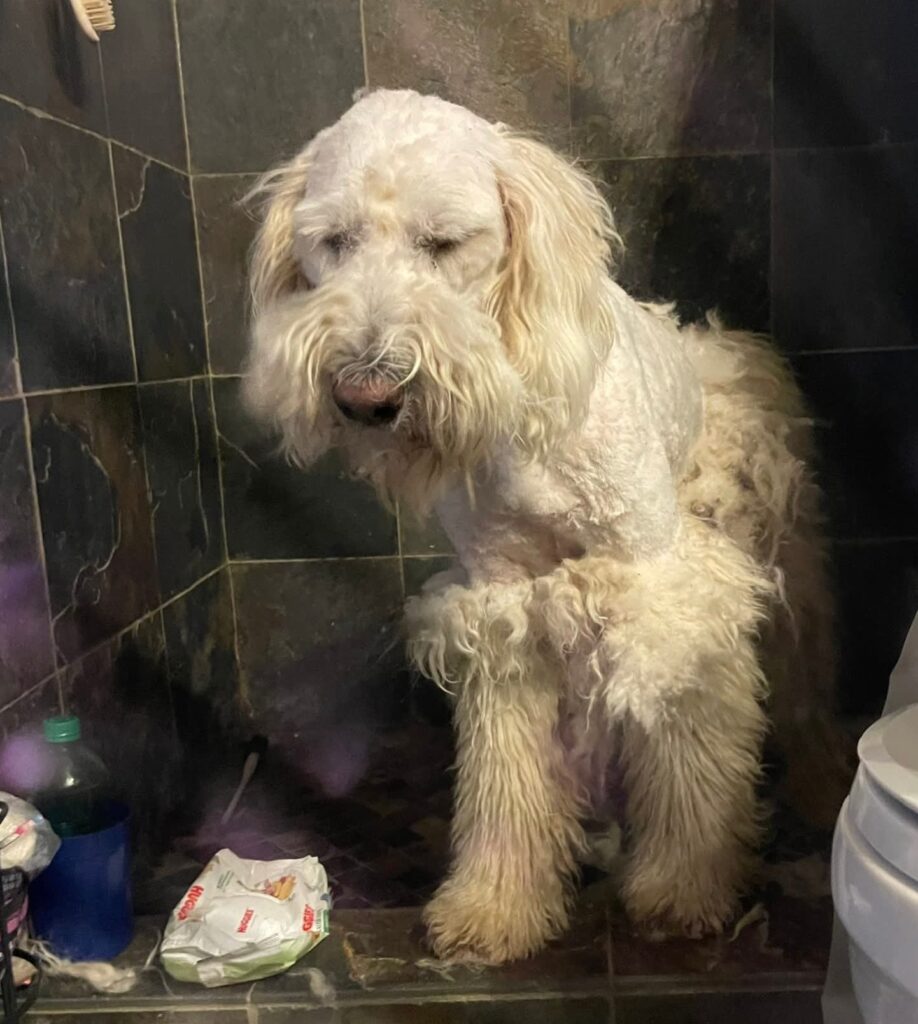
11. Can I bathe my dog if it already has mats?
Bathing a matted dog without detangling first can make mats worse.
- Water tightens the mats
- They become harder to remove
Always detangle before bathing or seek professional help.
12. What happens if I ignore mats on my dog?
Ignoring mats can lead to:
- Pain and discomfort
- Skin infections
- Maggot infestation
- Restricted movement
What starts small can quickly become serious.
13. Is shaving better than brushing for severe mats?
For severe matting, shaving is often the safest option.
- Brushing can cause pain
- Cutting mats can injure the skin
Professionals know how to safely remove mats without harming your dog.
14. How long does it take to remove severe mats?
It depends on severity:
- Mild cases: 30 minutes – 1 hour
- Severe cases: 1–3 hours or more
Some cases may require multiple sessions.
15. How can I prevent dog mats in Uganda?
Prevention tips:
- Brush regularly
- Groom every 3–6 weeks
- Keep your dog clean and dry
- Control ticks and fleas
- Trim long coats during hot seasons
16. Why is matting more common in Kampala?
Matting is more common in Kampala due to:
- High humidity
- Frequent rains
- Dusty environments
- High parasite prevalence
17. Can mats hide serious health problems?
Yes. Under mats, you may find:
- Wounds
- Pus
- Parasites
- Skin infections
This is why professional grooming is important.
18. Is professional grooming worth the cost?
Absolutely. It helps:
- Prevent health problems
- Keep your dog comfortable
- Save money on future treatments
19. What tools should I use for grooming at home?
Recommended tools:
- Slicker brush
- Metal comb
- Detangling spray
- Dog-safe shampoo and conditioner
20. When should I take my dog to a vet for matting?
Visit a vet if:
- Mats are tight and painful
- There is bad smell or discharge
- Your dog is aggressive during grooming
- Large areas are affected
For safe and professional care, Superior Animal Clinic remains a top choice for many dog owners.
Conclusion
Dog matting is a common but preventable problem in Uganda. It is caused by a combination of climate, grooming habits, parasites, and environment.
The key takeaways:
- Mats form quickly in Kampala’s humid conditions
- Early detection is critical
- Regular grooming prevents serious health issues
- Severe matting requires professional care
If your dog already has mats, don’t wait—seek help from experienced professionals like Superior Animal Clinic to ensure safe and pain-free treatment.