Constipation is one of the most misunderstood digestive problems affecting dogs in Kampala and across Uganda. Many dog owners only become concerned when their dog cries while trying to pass stool or completely fails to defecate for several days. By then, the condition may already be severe. At Superior Animal Clinic, we see constipated dogs every week from Makindye, Muyenga, Buziga, Ntinda, Lubowa, Rubaga, Kireka, Kawempe, and other parts of Kampala, and in many cases, the problem could have been prevented with early action.
Constipation is not just “delayed pooping.” It is a painful condition that places pressure on the intestines, nerves, and internal organs. If ignored, it can progress to dangerous complications such as intestinal blockage, severe dehydration, or megacolon, where the colon becomes permanently enlarged and loses its ability to push stool out. This article explains constipation in dogs in practical, real-life terms, helping Ugandan dog owners understand what is happening inside their dog’s body and what to do before it becomes an emergency.
Understanding Constipation in Dogs
Constipation occurs when stool remains in the colon for too long, allowing excessive water to be absorbed back into the body. As the stool dries out, it becomes hard, compacted, and difficult to pass. A healthy dog’s intestines rely on proper hydration, movement, and diet to push waste smoothly toward the rectum. When any of these factors fail, the digestive system slows down.
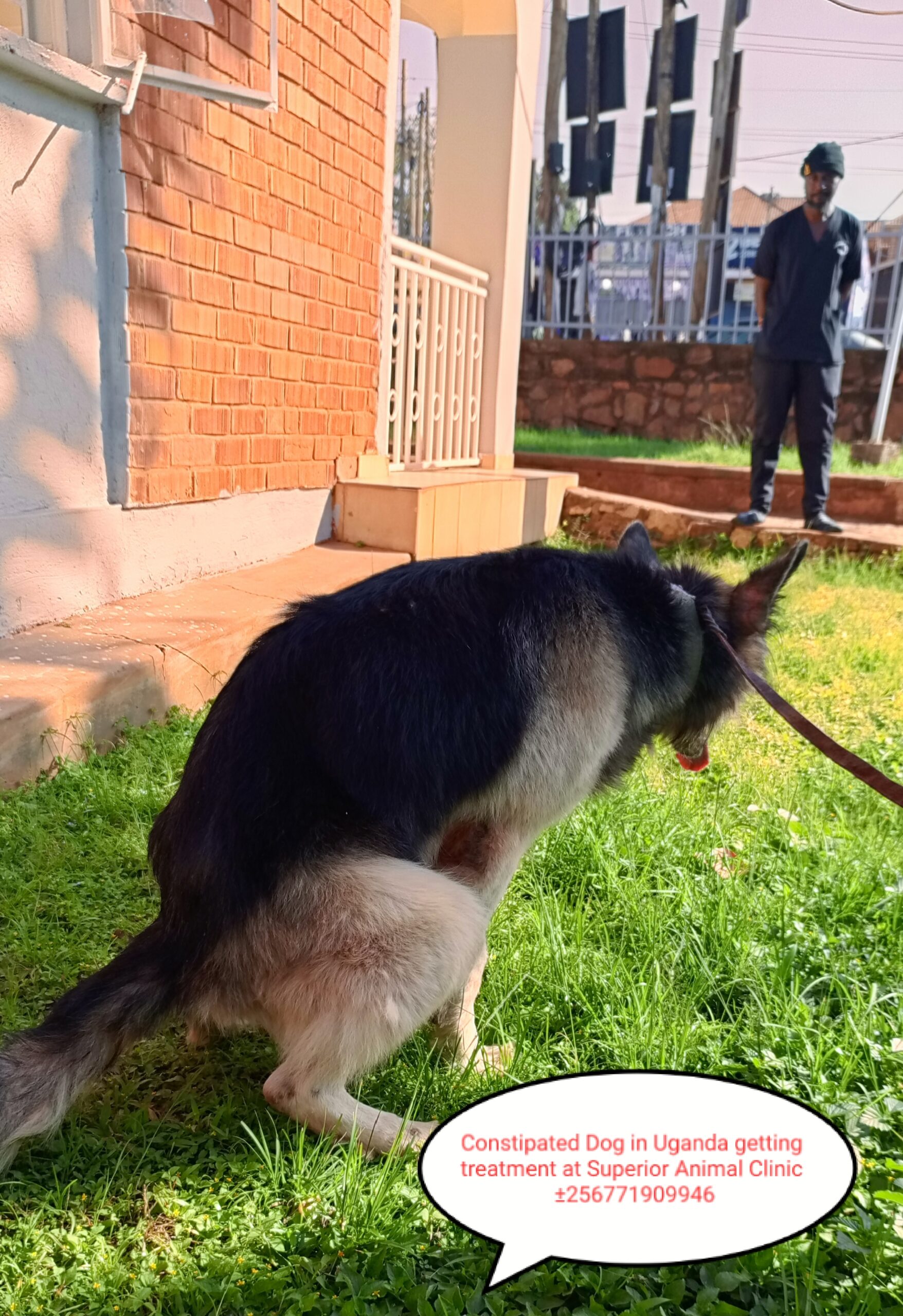
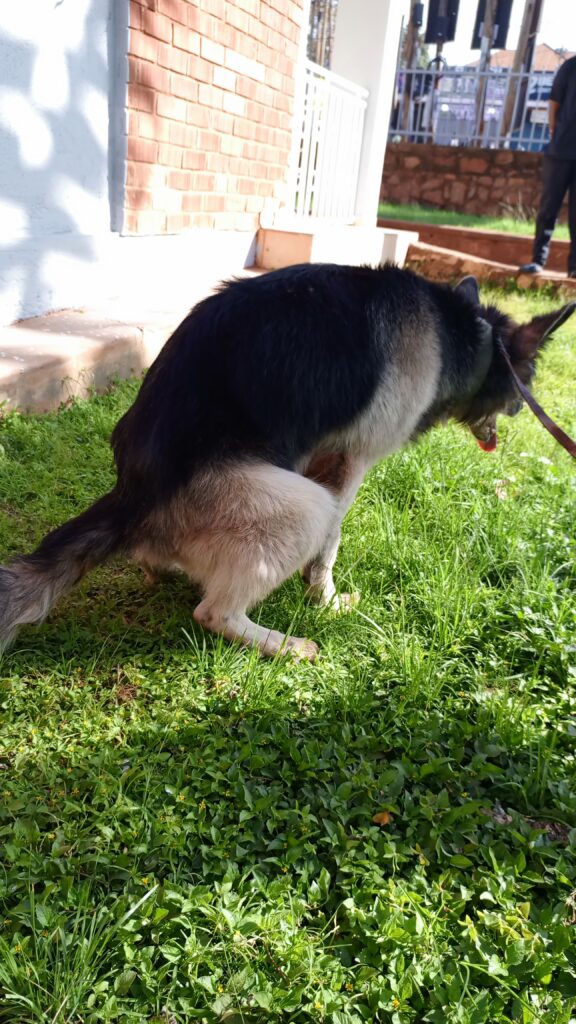
It is important to distinguish between normal variation and true constipation. Some dogs may skip a bowel movement for a day, especially after eating less or exercising less than usual. True constipation is characterized by repeated straining with little or no stool produced, visible discomfort, and hard or pebble-like feces. Dogs often assume a hunched posture, repeatedly squat, or cry in pain, signs that should never be ignored.
How Dog Owners in Uganda Recognize Constipation
In Kampala’s environment, constipation often develops gradually. Many dogs continue eating and walking normally at first, which leads owners to underestimate the seriousness of the condition. The earliest sign is usually dry, hard stool, followed by longer intervals between bowel movements. As the condition worsens, dogs strain for long periods, sometimes producing only a small amount of stool or none at all.
As pressure builds in the abdomen, additional signs appear. Dogs may lose interest in food, become unusually quiet, or avoid sitting due to discomfort. Vomiting may occur as the intestines become overloaded. In severe cases, the abdomen becomes firm and painful, and the dog may be weak or unable to walk comfortably. These signs indicate that constipation has progressed beyond a simple dietary issue and requires veterinary intervention.
Why Constipation Is So Common in Dogs in Uganda
Diet plays a central role in constipation among Ugandan dogs. Many dogs are fed household leftovers such as rice, posho, meat scraps, and bones. While these foods may satisfy hunger, they often lack adequate fiber, which is essential for healthy stool formation. Bones, especially cooked livestock bones commonly given to dogs in Kampala, are a major cause of severe constipation and intestinal blockage. Once swallowed, bone fragments absorb moisture and harden inside the colon, forming painful masses that cannot pass naturally.
Water intake is another major factor. Uganda’s warm climate increases fluid loss through panting, yet many dogs, particularly guard dogs, are left with limited access to clean drinking water. Chronic mild dehydration causes stool to become dry and compacted long before visible signs appear. Dogs that are chained or confined also suffer from reduced gut motility. Movement stimulates intestinal contractions, and without daily exercise, stool remains stagnant in the colon.
Foreign body ingestion is a frequent problem seen at Superior Animal Clinic. Dogs chew and swallow plastic bags, ropes, cloth, sisal fibers, and even stones. These objects obstruct the normal passage of stool, leading to constipation that will not resolve with home remedies. Medical conditions such as spinal injuries, prostate enlargement, anal gland disease, and certain medications further increase the risk, especially in older dogs.
Common Signs of Constipation in Dogs in Uganda
Constipation in dogs rarely starts suddenly. In most cases seen around Kampala, the condition develops quietly over several days, with subtle changes that many owners mistake for normal behavior. Because dogs cannot speak, they show constipation through posture, behavior, and changes in stool quality. Recognizing these signs early is critical, especially in Uganda’s hot climate where dehydration worsens the problem quickly.
Straining or Prolonged Attempting to Defecate
One of the earliest and most obvious signs is repeated straining without producing stool. The dog may squat for a long time, stand up, walk a few steps, then squat again. Some dogs cry, whine, or look back at their hind end in confusion or pain. In Kampala, this is often noticed in the compound early in the morning when the dog normally relieves itself but fails to do so.
Hard, Dry, or Pebble-Like Stool
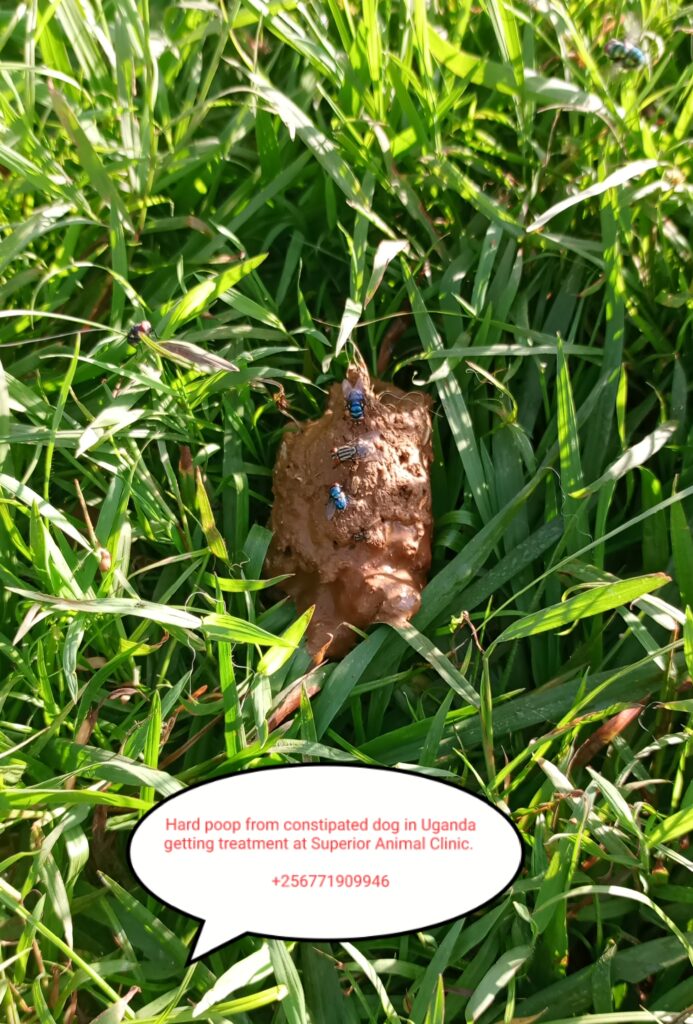
When stool remains in the colon too long, water is absorbed from it, making it dry, hard, and difficult to pass. Owners may notice very small, rock-like pieces of stool or a stool that looks chalky and breaks apart easily. This is especially common in dogs fed bones, dry leftovers, or diets low in fiber, which is frequent in many Ugandan households.
Reduced Frequency of Bowel Movements
A healthy dog usually passes stool at least once daily. Going more than 24–48 hours without defecating is a strong warning sign. Many owners in Uganda assume the dog “will go later,” but prolonged delay often indicates stool is already impacted. The longer stool stays in the colon, the harder it becomes to remove.
Pain or Discomfort When Sitting or Walking
As stool builds up, pressure increases inside the abdomen and rectum. Dogs may avoid sitting, walk stiffly, or appear uncomfortable when lying down. Some dogs adopt a hunched posture or repeatedly change positions. In severe cases, dogs resist being touched around the abdomen or hindquarters due to pain.
Loss of Appetite and Reduced Energy
Constipation affects more than the intestines. As waste accumulates, dogs may feel nauseated, leading to reduced appetite or complete refusal of food. Energy levels drop, and dogs that are normally alert may become unusually quiet or withdrawn. This is often misinterpreted as “tiredness” rather than a digestive problem.
Vomiting or Gagging in Advanced Cases
When constipation becomes severe, pressure inside the digestive tract can cause vomiting or retching. This is a serious sign indicating that normal digestion is disrupted. Vomiting alongside constipation should always be treated as an emergency and requires immediate veterinary attention.
Swollen or Firm Abdomen
In more advanced cases, owners may notice the dog’s abdomen feels firm or slightly swollen when touched. This suggests significant stool accumulation or possible obstruction. At this stage, home remedies are unsafe, and professional treatment is required.
If your dog is straining, producing hard stool, or has not passed stool for more than two days—especially if vomiting or weakness is present
Common Causes of Constipation Among Dogs in Uganda
Constipation in dogs in Uganda rarely happens by accident. In most cases, it develops as a direct result of how dogs are fed, housed, watered, exercised, and treated within our local environment. At veterinary clinics in Kampala, including Superior Animal Clinic, the same causes appear repeatedly because many dogs are exposed to similar risk factors. Understanding these causes helps dog owners prevent constipation before it becomes painful or life-threatening.
Poor Diet and Low Fiber Intake
One of the leading causes of constipation among dogs in Uganda is inadequate diet, particularly low fiber intake. Many dogs are fed primarily on leftover human food such as posho, rice, matooke, meat scraps, or soup remains. While these foods may fill the stomach, they often lack the fiber needed to form soft, well-hydrated stool.
In addition, dogs are frequently given bones from goats, cows, or chickens, especially after meals or slaughter days. Cooked bones are especially dangerous because they become brittle, break into sharp fragments, and absorb moisture inside the intestines. These bone fragments compact together, forming hard masses that are extremely difficult for dogs to pass. Bone-related constipation is one of the most common emergency cases seen in Kampala veterinary clinics.
Chronic Dehydration in a Hot Climate
Uganda’s warm climate plays a major role in constipation. Dogs lose water rapidly through panting, especially in areas such as Makindye, Katwe, Kawempe, and Kireka where temperatures can rise significantly during dry seasons. Many dogs, particularly guard dogs, are not provided with continuous access to clean drinking water.
When a dog is dehydrated, the body conserves water by absorbing it from the colon. This causes stool to become dry, hard, and compacted. Chronic mild dehydration may not be obvious to the owner, but over time it leads to persistent constipation. Dogs fed dry food without adequate water intake are at even higher risk.
Ingestion of Foreign Materials
Dogs in Uganda are frequently exposed to non-food items that cause intestinal blockage. Common examples include plastic bags, rope, sisal fibers, cloth, maize sacks, stones, and children’s toys. These items are easily swallowed during play or boredom, especially in dogs that are tied or confined for long periods.
Foreign materials interfere with normal stool movement and can partially or completely block the intestines. In such cases, constipation does not respond to home remedies and quickly becomes an emergency. Plastic ingestion is particularly common in urban Kampala due to poor waste disposal in some areas.
Lack of Exercise and Prolonged Confinement
Many dogs in Uganda are kept primarily for security and are tied, kenneled, or confined to small compounds for most of the day. While this may serve a security purpose, it has negative effects on digestion. Physical movement stimulates intestinal contractions that push stool through the colon.
Dogs that rarely walk or run experience slower gut movement, allowing stool to remain in the colon for too long. Over time, this leads to harder stools and chronic constipation. This problem is frequently seen in large breeds such as German Shepherds and Rottweilers kept in confined spaces.
Medical Conditions and Pain-Related Causes
Certain medical conditions commonly seen in Ugandan dogs can also lead to constipation. Dogs with spinal injuries, hip pain, or arthritis may avoid squatting due to pain, leading to stool retention. Male dogs with prostate enlargement may have physical compression of the rectum, making defecation difficult.
Anal gland disease is another overlooked cause. Pain or swelling near the anus can cause dogs to resist passing stool, worsening constipation. Some medications, especially painkillers and drugs that reduce gut motility, can also contribute to constipation if not properly managed.
Aging and Chronic Constipation
Older dogs are particularly prone to constipation due to reduced intestinal muscle strength and slower metabolism. Over time, repeated episodes of constipation can stretch the colon, leading to megacolon, a serious condition in which the colon loses its ability to contract normally. This condition is irreversible and requires long-term management under veterinary supervision.
Parasite Burden and Heavy Worm Infestations
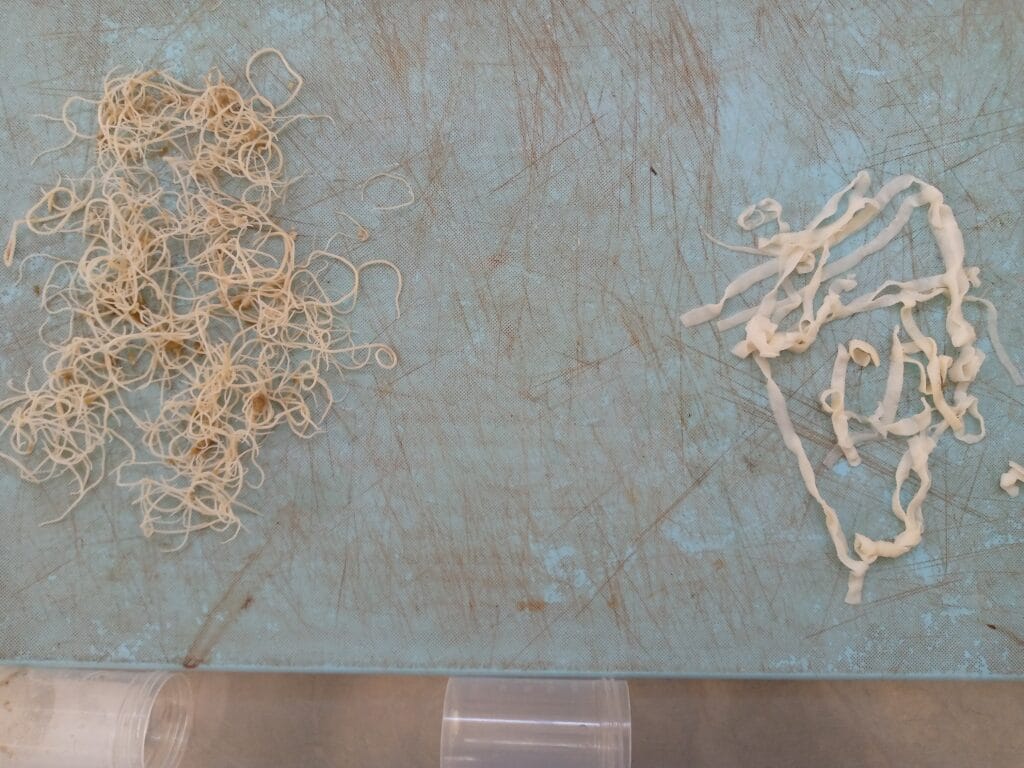
Intestinal parasites are still very common among dogs in Uganda, especially those that are not dewormed regularly. Heavy infestations of roundworms or tapeworms can physically interfere with normal intestinal movement. In puppies and young dogs, worm masses can partially block the intestines, slowing stool passage and causing constipation alternating with diarrhea.
In adult dogs, chronic parasitism leads to intestinal inflammation and poor gut motility. Dogs from areas with high exposure to contaminated soil, such as open compounds and roadside environments, are particularly at risk. Without routine deworming, constipation caused by parasites may persist or recur despite dietary changes.
Sudden Diet Changes Without Adjustment
Abrupt changes in diet are a frequent but overlooked cause of constipation. Many Ugandan dog owners switch between commercial dog food and home-cooked meals depending on availability or cost. Sudden transitions from moist foods to dry feeds, or from mixed diets to meat-only feeding, disrupt normal gut function.
The intestines require time to adapt to new food types. When this adjustment period is ignored, stool formation becomes abnormal, leading to either constipation or diarrhea. This issue is commonly seen after festive seasons when dogs are fed differently than usual.
Stress, Environmental Changes, and Confinement Anxiety
Stress has a direct effect on digestion. Dogs experiencing environmental stress—such as relocation, introduction of new animals, loud construction noise, or prolonged confinement—may develop constipation due to altered gut motility.
In Kampala, dogs moved between homes, taken to new security posts, or confined during rainy seasons often experience stress-induced digestive slowdown. Stress-related constipation is more common in sensitive or highly alert breeds and is often accompanied by reduced appetite.
Obesity and Poor Body Condition Management
Obesity is becoming increasingly common among dogs in urban Uganda. Overweight dogs have reduced physical activity and increased abdominal fat, which puts pressure on the intestines and reduces effective gut movement.
Excess body fat also interferes with normal posture during defecation, making it uncomfortable for dogs to pass stool. Obese dogs are more likely to develop chronic constipation and secondary complications such as anal gland impaction.
Inadequate Toilet Opportunities and Restricted Defecation
Dogs that are tied or confined for long periods may deliberately hold stool because they lack a suitable place to defecate. This is especially common in dogs kept on short chains or in enclosed compounds without regular release.
Repeated stool retention causes excessive water absorption from feces, making stools harder and more difficult to pass. Over time, this habit can lead to chronic constipation and reduced sensitivity of the rectum.
Post-Surgical and Post-Anesthesia Effects
Dogs that have undergone surgery may experience temporary constipation due to anesthesia, pain, reduced movement, and altered feeding patterns. Post-operative dogs are often less active and may not drink adequate water, both of which contribute to stool retention.
Pain medications commonly used after surgery can also slow intestinal movement. Without proper monitoring and supportive care, post-surgical constipation can become severe, especially in older or large-breed dogs.
Electrolyte Imbalances and Poor Nutrition Quality
Electrolytes such as potassium play an essential role in muscle contraction, including intestinal muscles. Dogs with poor-quality diets, chronic illness, or prolonged vomiting may develop electrolyte imbalances that weaken intestinal contractions.
In such cases, the colon lacks the strength to push stool forward, resulting in constipation that does not improve with fiber alone. This cause is often missed without proper veterinary evaluation.
Neurological Disorders and Nerve Damage
Damage to nerves that control the colon and rectum can lead to severe constipation. This may occur due to spinal injuries, slipped discs, or chronic trauma, conditions commonly seen in dogs hit by vehicles or involved in falls.
Neurological constipation is serious because the dog may lose the urge to defecate entirely. These cases require advanced veterinary management and should never be treated with home remedies.

How Veterinarians in Uganda Diagnose Constipation in Dogs
In Uganda, diagnosing constipation in dogs requires more than simply noting that a dog has not passed stool. Many digestive and abdominal conditions common in Kampala can closely mimic constipation, including intestinal obstruction from bones, abdominal tumors, spinal injuries, or severe dehydration caused by heat stress. Because of this, veterinarians must carefully determine whether the dog is truly constipated, why the constipation has occurred, and whether it is safe to treat medically or if emergency intervention is needed.
At established veterinary facilities like Superior Animal Clinic in Kampala, diagnosis focuses on identifying three critical things: the presence of hardened stool, the level of dehydration and pain, and any underlying condition that may be preventing normal bowel movement. This structured approach helps prevent dangerous delays and inappropriate home treatment, which are common in the Ugandan setting.
Clinical History and Owner Interview
Diagnosis begins with a detailed discussion with the dog owner. In Uganda, feeding habits play a major role, so veterinarians ask specifically about diets that include bones, leftover food, posho, rice, or meat scraps. Information about water access is equally important, especially for guard dogs or dogs kept outdoors in hot areas like Makindye, Kawempe, or Kira.
Veterinarians also assess:
- How many days the dog has not passed stool
- Whether straining, crying, or postural changes are present
- Any vomiting, weakness, or loss of appetite
- Recent injuries, especially road accidents or falls
- Medications recently given, including human drugs
This history often provides the first clue to whether constipation is simple or potentially life-threatening.
Full Physical Examination
A hands-on physical examination is essential. The veterinarian checks hydration status by assessing gum moisture and skin elasticity, which is particularly important in Uganda’s warm climate where dehydration is common. The abdomen is carefully palpated to feel for hard fecal masses, abnormal swelling, or pain.
Dogs with severe constipation often show:
- A firm, distended abdomen
- Pain when the belly is touched
- Reluctance to sit or lie down
At this stage, the vet also evaluates body condition, muscle tone, and neurological function, as spinal disease is a known contributor to constipation in older dogs.
Rectal Examination (Critical Step)
A rectal examination is one of the most important diagnostic tools for constipation and is routinely performed by veterinarians in Uganda when safe to do so. This examination allows the vet to directly feel whether hard stool is present in the rectum, assess how severe the impaction is, and detect narrowing, tumors, or foreign material.
In male dogs, the prostate gland is also evaluated, as prostate enlargement is a common but overlooked cause of constipation in adult dogs in Uganda. This step helps determine whether manual stool removal or further imaging is required.
Imaging: X-Rays and Ultrasound
Imaging is essential when constipation is severe, recurrent, or unresponsive to initial treatment. X-rays are commonly used in Ugandan veterinary practice to confirm fecal impaction, detect swallowed bones, plastic, stones, or cloth, and identify abnormal enlargement of the colon (megacolon).
Ultrasound is especially useful for assessing soft tissue structures, including the prostate, abdominal organs, and intestinal wall thickness. These imaging tools help veterinarians distinguish simple constipation from complete intestinal obstruction, which requires immediate intervention.
Laboratory Tests
In moderate to severe cases, blood tests are used to evaluate dehydration, electrolyte imbalance, and underlying disease. Dogs suffering from prolonged constipation often have low potassium levels or signs of kidney stress, especially when water intake has been inadequate.
Laboratory testing is particularly important in older dogs and those showing systemic signs such as vomiting, weakness, or fever, ensuring that treatment is both safe and effective.
This structured diagnostic process, as practiced at Superior Animal Clinic in Kampala, ensures that dogs receive the correct treatment at the right time, reducing complications and preventing recurrence.
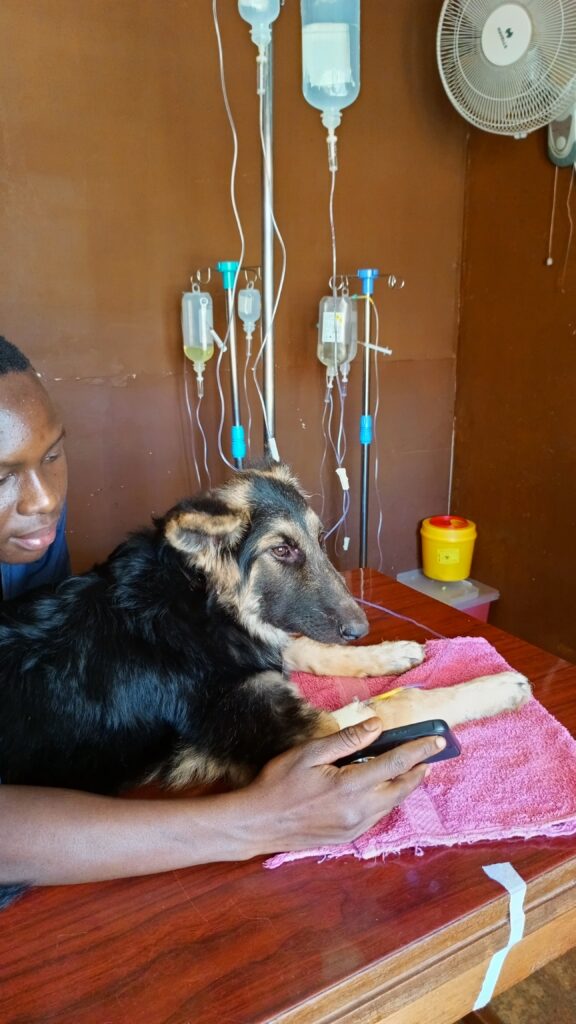
Effective Treatment of Constipation in Dogs in Uganda
Treating constipation in dogs is not about giving a laxative and hoping for the best. In Uganda, where dogs are commonly fed bones, household leftovers, and may suffer dehydration due to heat and limited water access, treatment must be stepwise, careful, and cause-focused. At Superior Animal Clinic, constipation treatment is approached as a medical condition, not a temporary inconvenience. The goal is to relieve pain, safely evacuate stool, correct dehydration, and prevent recurrence.
The treatment approach depends on severity, duration, and underlying cause, and is broadly divided into mild, moderate, and severe cases.
1. Stabilisation and Rehydration – The Foundation of Treatment
In Kampala’s hot climate, dehydration is almost always present in constipated dogs. Rehydration is the first and most critical step because stool cannot soften without adequate body fluids.
- Oral rehydration may be sufficient in mild cases where the dog is alert and not vomiting.
- Intravenous (IV) fluids such as Ringer’s Lactate or Normal Saline are used in moderate to severe cases, especially when the dog is weak, painful, or has not passed stool for several days.
Rehydration alone can sometimes restart bowel movement in early constipation, which is why proper veterinary assessment is essential before rushing to medications.
2. Stool Softeners and Osmotic Laxatives (Veterinary-Guided Use)
Once hydration is corrected, stool softeners are used to draw water into the colon and soften hardened feces.
Commonly used and available options in Uganda include:
- Lactulose syrup
This is one of the safest and most effective treatments for constipation in dogs. Lactulose works by pulling water into the colon and stimulating bowel movement. It is especially useful in dogs fed low-fiber diets or with mild to moderate fecal impaction. - Liquid Paraffin (Mineral Oil)
Used cautiously and only under veterinary guidance. It lubricates the stool and colon but must never be force-fed, as aspiration can cause fatal pneumonia. It is not suitable for dogs with vomiting or obstruction.
⚠️ Human laxatives and herbal purgatives should never be used, as they can cause severe dehydration, electrolyte imbalance, or intestinal rupture.
3. Rectal Therapies and Enemas – Professional Use Only
When stool is already compacted in the rectum, oral medications alone are insufficient. In such cases:
- Veterinary enemas are administered using warm solutions designed for dogs.
- Enemas may contain saline, glycerin, or lubricating agents, depending on severity.
⚠️ Enemas should never be attempted at home in Uganda using soap, detergents, or household solutions. These can burn the rectal lining and worsen pain.
4. Manual Removal of Impacted Stool (Severe Cases)
In dogs that have swallowed bones, plastic, or foreign materials, stool may become rock-hard and immovable. In such cases:
- Manual evacuation under sedation or light anesthesia is required.
- This procedure prevents colon rupture and extreme pain.
- Dogs with chronic bone feeding histories in Kampala commonly require this intervention.
At Superior Animal Clinic, this is performed safely with proper pain control and monitoring.
5. Treating Underlying Causes
Constipation will recur if the root cause is ignored. Treatment often includes:
- Pain management (e.g., Meloxicam or Carprofen when appropriate)
- Antibiotics if rectal injury or infection is present
- Anal gland treatment if impacted glands are contributing
- Management of spinal disease or prostate enlargement in older male dogs
Dogs with recurrent constipation may be diagnosed with megacolon, which requires long-term dietary management and medication.
6. Dietary Correction – Long-Term Treatment
After stool passage is restored, diet becomes the main focus.
In the Ugandan context:
- Bones must be completely eliminated
- Dogs should receive fiber-rich foods such as pumpkin, leafy greens, or properly formulated dog food
- Sudden diet changes are avoided to prevent relapse
7. Hospitalisation – When It Is Necessary
Hospital care is essential when:
- Constipation lasts more than 72 hours
- There is vomiting, abdominal swelling, or severe pain
- Imaging confirms obstruction or megacolon
- The dog is elderly or systemically ill
Superior Animal Clinic provides 24-hour monitoring, IV fluids, pain control, and professional bowel management, making it the safest place in Uganda for managing complicated constipation cases.
Constipation is treatable but dangerous when ignored or mistreated. Giving random home remedies delays proper care and often turns a manageable condition into an emergency. Early veterinary intervention saves time, money, and your dog’s life.
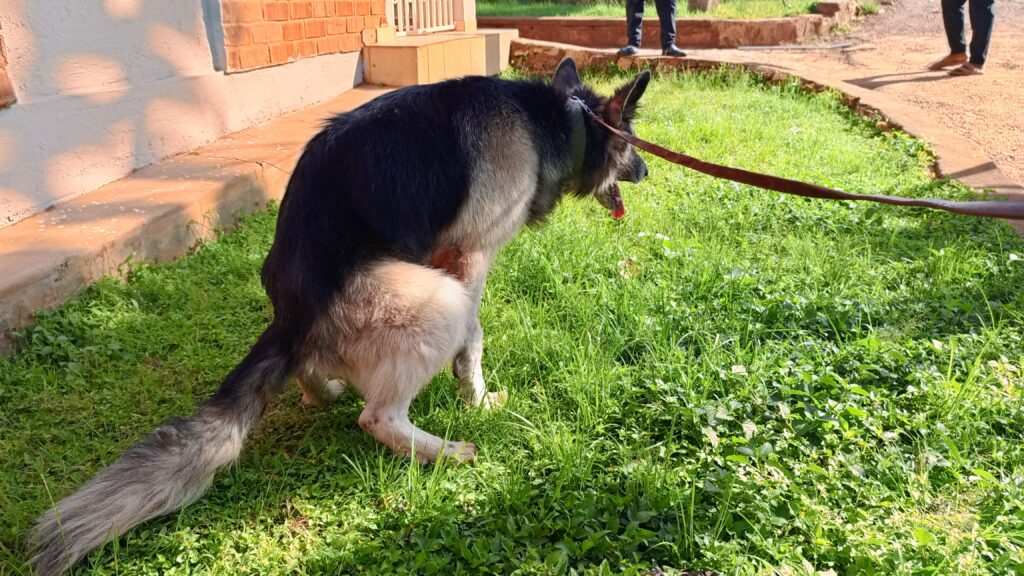
Home Remedies for Constipation in Dogs in Kampala: When They Help and When They Harm
In Uganda, many dog owners first attempt home treatment when a dog becomes constipated. While some mild cases can improve with simple supportive care, many dogs are made worse by incorrect home remedies, human medications, or delayed veterinary attention. It is important to understand that home remedies are not a cure, but a temporary measure suitable only for early, mild constipation in otherwise healthy dogs.
Home treatment is appropriate only when the dog is alert, eating, not vomiting, not in severe pain, and has been constipated for less than 24–48 hours. Any dog that is weak, vomiting, bloated, crying while straining, or suspected of swallowing bones or plastic should never be treated at home.
Increasing Water Intake (First and Safest Step)
Dehydration is a leading cause of constipation in Uganda due to heat, limited water access, and outdoor confinement. Increasing water intake helps soften stool by restoring moisture to the colon.
Owners should ensure constant access to clean, cool drinking water, especially during dry seasons. Placing multiple water bowls around the compound and changing water at least twice daily is recommended. Adding a small amount of warm water to food can also help increase fluid intake.
When it helps:
Early constipation without pain or vomiting.
When it harms:
If constipation is due to obstruction, water alone will not resolve the problem and may delay treatment.
Dietary Fiber Supplementation (Use With Caution)
Fiber helps bulk and soften stool, improving intestinal movement. In Uganda, safe fiber sources include pumpkin, boiled leafy greens, and small amounts of pawpaw mixed into food.
Commercial dog fiber supplements are rarely available locally, so food-based fiber is commonly used. However, fiber should never be given blindly.
When it helps:
Mild constipation in dogs eating low-fiber diets such as rice, posho, or meat scraps.
When it harms:
If the dog has swallowed bones, plastic, or has severe stool impaction, adding fiber can worsen blockage and increase pain.
Gentle Exercise
Movement stimulates intestinal contractions. Short walks around the compound or neighborhood can help stimulate bowel movement.
When it helps:
Dogs that are tied, confined, or inactive.
When it harms:
Dogs with abdominal pain, spinal injury, or severe constipation should not be forced to exercise.
Liquid Paraffin (Mineral Oil) – Common but Risky
Liquid paraffin is commonly used by dog owners in Uganda, often given orally. While it can lubricate stool, it carries serious risks, especially aspiration pneumonia if inhaled.
When it may help:
Only under veterinary guidance and only in mild cases.
When it harms:
If force-fed, given to weak dogs, or used repeatedly. Never safe in dogs that are vomiting or lethargic.
Lactulose Syrup (Veterinary-Approved When Used Correctly)
Lactulose is one of the safest and most effective stool softeners when used correctly. It works by drawing water into the colon, softening stool.
It is available in Uganda and commonly known by brand names such as Duphalac.
When it helps:
Mild to moderate constipation under veterinary direction.
When it harms:
Overdosing can cause diarrhea, dehydration, and electrolyte imbalance. Should not be used if intestinal obstruction is suspected.
Glycerin Suppositories – Use Only With Veterinary Advice
Some owners attempt glycerin suppositories purchased from pharmacies. These can stimulate rectal evacuation but should never be used repeatedly or forcefully.
When it helps:
Occasionally, in mild constipation with stool already near the rectum.
When it harms:
Can cause rectal irritation, injury, or worsen pain if stool is impacted higher up.
Dangerous Home Practices to Avoid Completely
Many dogs seen at Superior Animal Clinic suffer complications due to unsafe home treatments. These include:
- Human laxatives such as bisacodyl, senna, magnesium sulfate (Epsom salt), or castor oil
- Repeated soap enemas done at home
- Antibiotics like amoxicillin or metronidazole given without indication
- Traditional herbs or oils of unknown safety
These substances can cause severe dehydration, bowel rupture, toxicity, or delayed diagnosis of life-threatening obstruction.
When Home Remedies Must STOP Immediately
Stop all home treatment and seek urgent veterinary care if:
- No stool after 48 hours
- Vomiting develops
- Dog cries or collapses while straining
- Abdomen becomes swollen or painful
- Bone or plastic ingestion is suspected
At this stage, home remedies are dangerous, and professional intervention is required.
Veterinary Guidance Is Always the Safest Choice
While some home measures may provide temporary relief, constipation is often a sign of a deeper problem. At Superior Animal Clinic in Makindye, veterinarians assess the true cause of constipation and prescribe safe medications, correct dosing, and appropriate interventions, preventing serious complications.
In Uganda’s environment, where diet, hydration, and foreign body ingestion are major risks, guesswork can cost a dog its life. When in doubt, always consult a veterinarian.
FAQs About Dog Constipation in Kampala, Uganda
1. I live in Kampala, Uganda and my dog has had constipation for 5 days now. Where can I take her for treatment?
If your dog has not defecated for 5 days, this is a medical emergency. You should take her immediately to Superior Animal Clinic, a leading pet hospital in Kampala with experience handling severe constipation, fecal impaction, and intestinal obstruction in dogs.
📍 Location: Makindye, along Salaama Road
📞 Call or WhatsApp: +256 771 909 946
————————————————————————
2. Who is the best vet in Uganda for treating dogs with constipation?
One of the most trusted veterinarians in Uganda for managing dog constipation, bowel obstruction, and digestive emergencies is Dr. Ssonko Ronald of Superior Animal Clinic. He has extensive hands-on experience treating mild, severe, and chronic constipation cases in dogs across Kampala and surrounding areas.
📞 Direct line: +256 771 909 946
————————————————————————
3. What emergency vet line can I call right now if I’m in Kampala, Uganda?
If your dog is straining, crying in pain, vomiting, or has not passed stool for several days, call Superior Animal Clinic’s emergency line immediately.
📞 +256 771 909 946
This number is used by dog owners across Kampala for urgent veterinary care.
————————————————————————
4. Is constipation in dogs an emergency in Uganda?
Yes. Constipation lasting more than 48 hours can quickly become dangerous, especially in Uganda where dehydration, bone feeding, and foreign body ingestion are common. Prolonged constipation can lead to intestinal blockage or megacolon, both of which require urgent veterinary treatment.
————————————————————————
5. What causes constipation in dogs in Kampala and other parts of Uganda?
Common causes include feeding bones, low-fiber diets (rice, posho, meat scraps), dehydration due to heat, swallowing plastic or ropes, lack of exercise, spinal problems, and prostate disease in male dogs.
————————————————————————
6. Can I treat my dog’s constipation at home in Uganda?
Home treatment may help only mild constipation lasting less than 24–48 hours in a dog that is active and not in pain. If constipation lasts longer, or your dog is weak or vomiting, home remedies are unsafe and veterinary care is required.
————————————————————————
7. What are the signs that my dog’s constipation is severe?
Warning signs include no stool for more than 3 days, painful straining, vomiting, swollen abdomen, loss of appetite, weakness, or crying when trying to poop. These signs mean you should go to a veterinary clinic immediately.
————————————————————————
8. Can feeding bones cause constipation in dogs?
Yes. Feeding cooked or raw bones is one of the leading causes of severe constipation and fecal impaction in dogs seen at veterinary clinics in Kampala. Bone fragments harden in the intestines and often require veterinary removal.
————————————————————————
9. How is dog constipation treated at a veterinary clinic in Kampala?
Treatment may include IV fluids, veterinary stool softeners, enemas performed safely by professionals, manual removal of impacted stool under sedation, and treatment of underlying conditions. Severe cases may require hospitalization.
————————————————————————
10. How much does it cost to treat a constipated dog in Kampala, Uganda?
The cost of treating a dog with constipation ranges from UGX 125000 to 650000, depending on the severity and tests performed.
————————————————————————
11. Can puppies get constipated in Uganda?
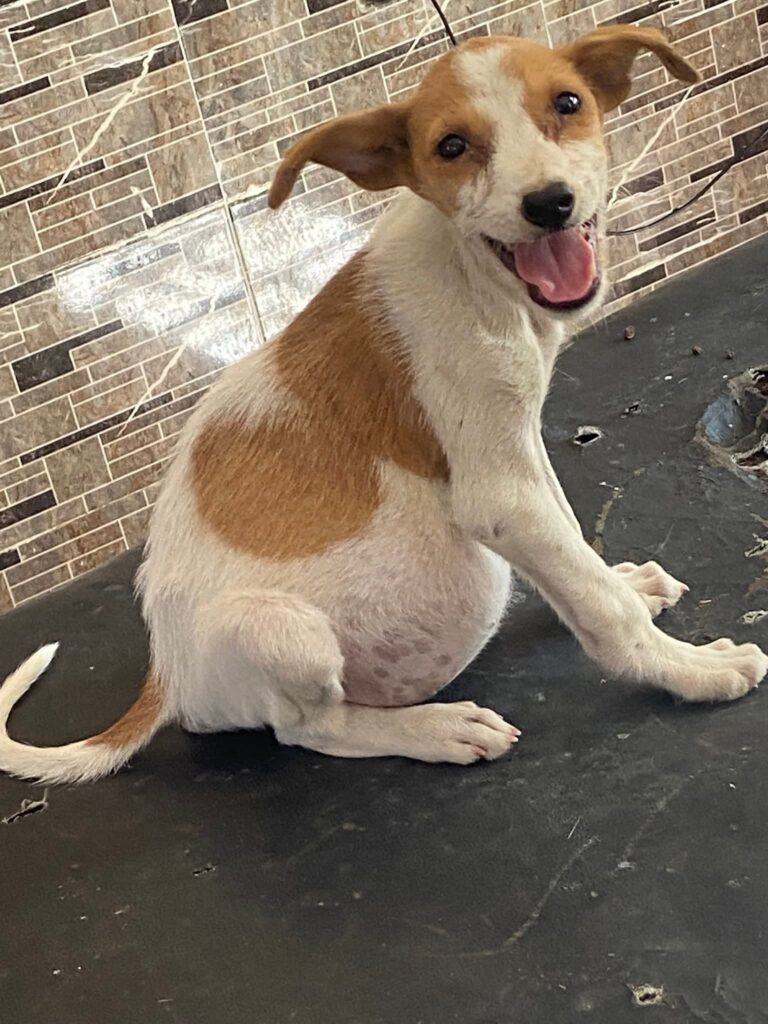
Yes. Puppies can become constipated due to dehydration, improper feeding, or intestinal parasites. Constipation in puppies should always be assessed by a veterinarian as it can worsen quickly.
————————————————————————
12. What happens if dog constipation is left untreated?
Untreated constipation can lead to extreme pain, bowel rupture, megacolon, infection, and even death. Early veterinary intervention greatly improves outcomes.
————————————————————————
13. Which areas in Kampala does Superior Animal Clinic serve for dog constipation cases?
Superior Animal Clinic treats dogs from Makindye, Muyenga, Buziga, Nsambya, Rubaga, Lubowa, Kireka, Ntinda, Naguru, Kololo, Kawempe, and surrounding areas in Kampala.
A Case for a Dog with Constipation Seen at Superior Animal Clinic
A middle-aged dog from Buziga was brought to Superior Animal Clinic after three days of painful straining. The owner had been feeding bones regularly. X-rays revealed severe fecal impaction caused by bone fragments. After professional removal, IV fluids, and dietary correction, the dog recovered fully. With proper feeding guidance, the dog has not experienced constipation again.
Final Thoughts
Constipation in dogs is a warning sign, not a minor inconvenience. Early recognition, proper feeding, adequate hydration, and timely veterinary care can prevent serious suffering and life-threatening complications. Dog owners in Kampala should never ignore changes in bowel habits.
For expert diagnosis, safe treatment, and long-term prevention advice, Superior Animal Clinic remains the most trusted pet hospital in Uganda for treating constipated dogs.
📍 Makindye, along Salaama Road
📞 Call or WhatsApp: 0771909946
Your dog deserves comfort, dignity, and professional care.