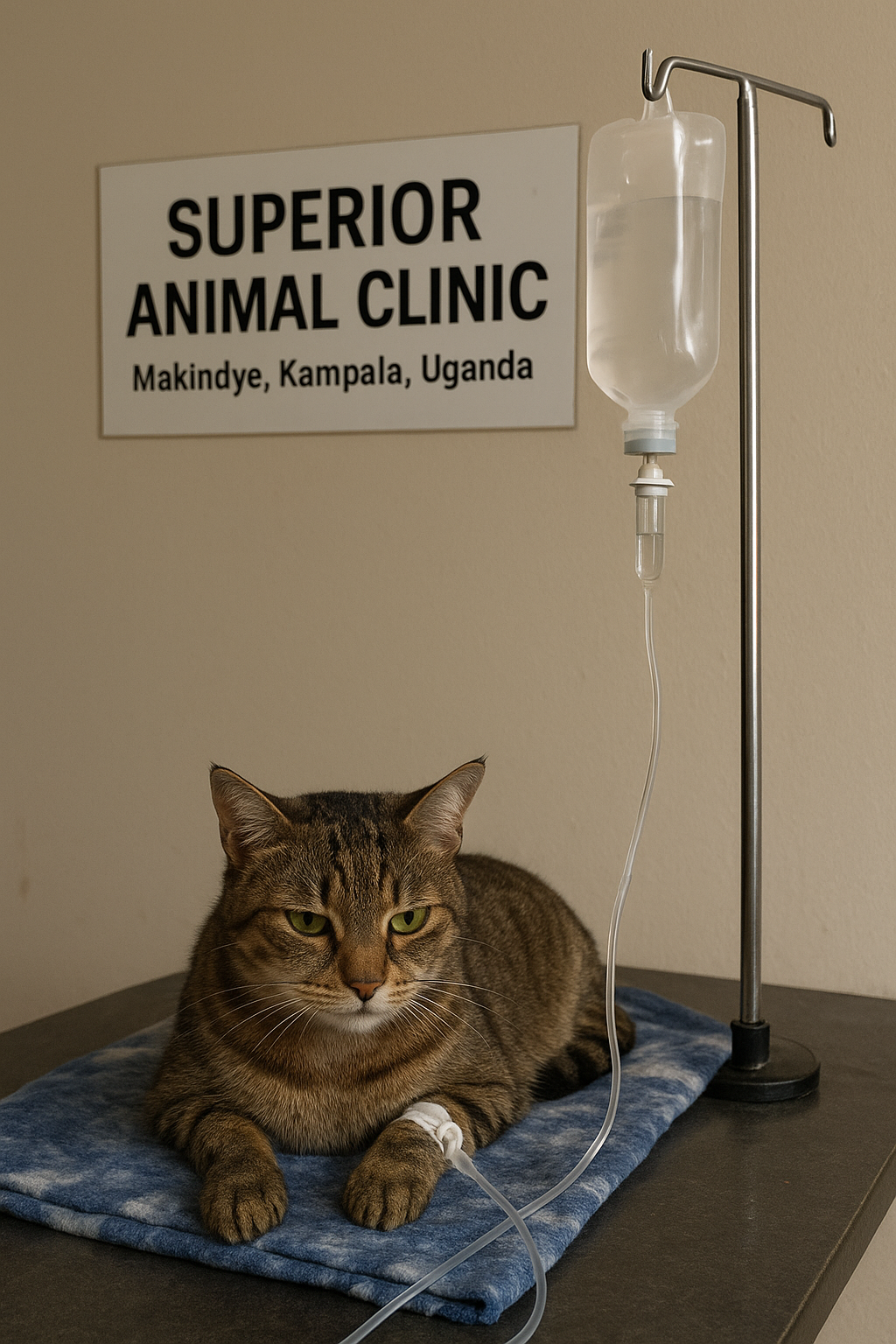
Why IV Fluid Treatment Saves Pets’ Lives in Uganda
IV fluid treatment is one of the most important and life-saving veterinary procedures for dogs and cats in Uganda. For many pets in Kampala, IV fluids are the difference between recovery and death.
Intravenous (IV) fluid therapy involves delivering fluids directly into a pet’s bloodstream through a vein. This allows the body to rapidly restore hydration, improve blood circulation, support failing organs, and stabilize critically ill animals.
In Uganda, dehydration and shock are especially common among pets due to hot climate conditions, infectious diseases, tick infestations, poisoning, and delayed access to veterinary care. Transport challenges, traffic congestion, and long distances from veterinary clinics often cause pets to arrive at the clinic when they are already very sick.
When a dog collapses after a boda boda accident, when a puppy is fighting parvovirus, or when a cat stops urinating due to blockage, IV fluids become an emergency, life-saving treatment.
In Kampala, modern veterinary clinics now offer professional IV fluid services with proper monitoring. Among them, Superior Animal Clinic stands out as a trusted pet hospital for safe, effective IV fluid treatment for dogs and cats across Makindye, Salaama Road, Muyenga, Nsambya, Buziga, Ggaba, Kabalagala, Rubaga, Nakawa, Kololo, Ntinda, and surrounding areas.
What Is IV Fluid Treatment for Dogs and Cats?
IV fluid treatment, also known as intravenous fluid therapy, is the process of administering sterile fluids directly into a vein.
Once inside the bloodstream, IV fluids:
- Restore lost body water
- Improve blood pressure and circulation
- Support kidney and liver function
- Correct electrolyte imbalances
- Help flush toxins from the body
IV fluids are different from:
- Oral fluids, which rely on swallowing and digestion
- Subcutaneous fluids, which are absorbed slowly under the skin
IV fluids act immediately and are far more effective in emergencies, especially when a pet is vomiting, unconscious, severely dehydrated, or in shock.
Common Dog and Cat Conditions in Uganda That Require IV Fluids
Emergency Conditions
Severe dehydration
Common after prolonged vomiting, diarrhoea, or lack of water, especially during Kampala’s dry seasons.
Shock
Seen after road accidents, dog fights, falls, or trauma.
Heat stroke
Very common in Kampala during hot months, especially in dogs kept outdoors or transported long distances.
Acute poisoning
Rat poison, pesticides, contaminated food, and household chemicals are frequent causes.
Severe blood loss
From accidents, surgery, or internal bleeding.
Medical Conditions
Parvovirus in puppies
One of the leading causes of death in Ugandan puppies without IV fluid support.
Canine distemper
Often causes dehydration, weakness, and organ failure.
Tick-borne diseases
Ehrlichiosis and Babesiosis are very common in Kampala and cause anemia and dehydration.
Kidney failure in dogs and cats
IV fluids support kidney function and toxin removal.
Liver disease
Fluids help stabilize metabolism and circulation.
Severe vomiting and diarrhoea
From infections, parasites, or food poisoning.
Pyometra in female dogs
A life-threatening uterine infection requiring IV fluids before and after surgery.
Urinary blockage in cats
A true emergency that requires immediate IV fluids to prevent death.
Signs Your Dog or Cat May Need IV Fluid Treatment
Watch for these warning signs:
- Extreme weakness or lethargy
- Sunken eyes
- Dry, pale, or sticky gums
- Loss of skin elasticity (skin tenting)
- Refusal to eat or drink
- Continuous vomiting or diarrhoea
- Collapse or inability to stand
- Reduced or absent urination
If you notice these signs, visit a veterinary clinic in Kampala immediately. Delaying treatment can be fatal.
Types of IV Fluids Used in Veterinary Clinics in Kampala
Veterinary clinics use different fluids depending on the pet’s condition:
- Normal saline (0.9% NaCl) – dehydration, kidney disease, shock
- Ringer’s Lactate – trauma, blood loss, general emergencies
- Dextrose-supplemented fluids – low blood sugar, weak puppies and kittens
- Potassium-supplemented fluids – kidney disease, prolonged vomiting
- Special critical care fluids – for severe organ failure
Veterinarians carefully select the correct fluid based on blood tests, clinical signs, and the pet’s condition.
How IV Fluid Treatment Is Given to Dogs and Cats In Uganda
IV fluid therapy follows a structured medical process:
- Full clinical examination
- Accurate weight measurement
- Dehydration and shock assessment
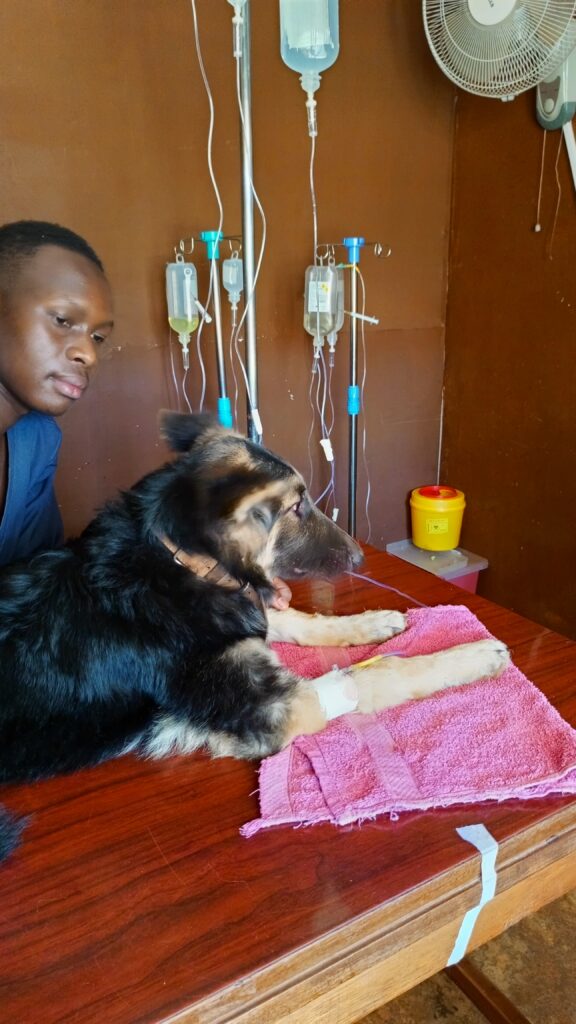
- Placement of an IV catheter (leg or neck vein)
- Calculation of fluid rate and volume
- Continuous monitoring during treatment
Some pets receive IV fluids as outpatients, while critically ill animals require hospitalisation for close monitoring, which is available at Superior Animal Clinic.
IV Fluid Treatment for Dogs vs Cats: Key Differences
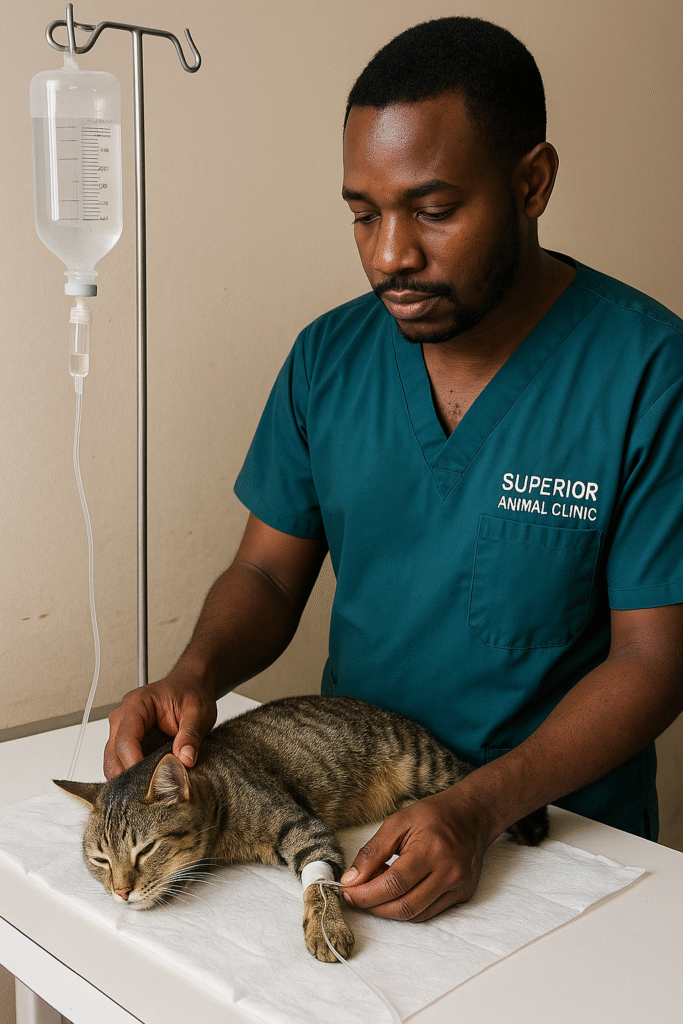
- Cats have smaller veins and require finer catheters
- Fluid volumes for cats are lower than dogs
- Cats are more sensitive to fluid overload
- Cats require closer monitoring
- Stress handling is especially important in cats
Experienced veterinary teams are essential for safe feline IV therapy.
How Long Does Pet IV Fluid Treatment Take?
- Short-term fluids: 2–6 hours
- 24-hour hospitalisation: moderate illness
- Multi-day therapy: severe infections, kidney failure, poisoning
Duration depends on severity, response to treatment, and underlying disease.
Is IV Fluid Treatment Safe for Dogs and Cats?
Yes, when administered by a licensed veterinarian.
Possible risks (rare when properly monitored):
- Fluid overload
- Swelling at catheter site
- Infection
Professional clinics continuously monitor temperature, heart rate, breathing, and urine output during IV therapy.
Home Fluids vs IV Fluids: What Pet Owners in Uganda Should Know
IV fluids should never be administered at home.
Dangers include:
- Incorrect dosing
- Infection
- Vein damage
- Sudden death
Subcutaneous fluids may be recommended only under veterinary guidance.
“Home drip” myths are dangerous and should be avoided.
What to Expect After IV Fluid Treatment
Most pets show improvement within:
- 6–24 hours for dehydration
- 24–48 hours for infections
You may notice:
- Improved appetite
- Increased energy
- Better urination
Follow-up medications and home care instructions are always provided.
Preventing Pet Conditions That Lead to IV Fluid Therapy in Kampala, Uganda
- Routine vaccination and deworming
- Tick and flea control
- Clean drinking water
- Proper nutrition
- Early vet visits
- Emergency preparedness for Kampala pet owners
Choosing the Right Veterinary Clinic in Kampala for IV Fluid Treatment
Look for:
- Qualified veterinary doctors
- Clean, sterile treatment areas
- Monitoring equipment
- Emergency services
- Transparent communication
- Easy accessibility within Kampala
Superior Animal Clinic, located in Makindye along Salaama Road, meets all these standards and is trusted by pet owners across Kampala.
FAQs: Dog & Cat IV Fluid Treatment in Uganda
1. Where can I take my dog or cat for IV fluid treatment in Uganda?
You can take your dog or cat for professional IV fluid treatment at Superior Animal Clinic, one of the most trusted veterinary clinics in Kampala, Uganda. Located in Makindye along Salaama Road, Superior Animal Clinic provides safe IV fluid therapy for dogs and cats suffering from dehydration, infections, kidney problems, poisoning, parvovirus, tick-borne diseases, and other emergencies. The clinic serves pet owners from Makindye, Nsambya, Muyenga, Buziga, Ggaba, Kabalagala, Rubaga, Nakawa, Kololo, Ntinda, and surrounding areas.
2. How much is dog or cat IV fluid treatment in Kampala, Uganda?
The cost of IV fluid treatment for dogs and cats in Kampala generally ranges from UGX 50,000 to UGX 150,000. The exact price depends on factors such as the size of the pet, the type of IV fluids used, the duration of treatment, whether hospitalisation is required, and the underlying medical condition. At reputable clinics like Superior Animal Clinic, pricing reflects proper monitoring, sterile equipment, and veterinary supervision to ensure your pet’s safety.
3. Is IV fluid treatment safe for dogs and cats in Uganda?
Yes, IV fluid treatment is very safe when administered by a licensed veterinary doctor. Clinics in Kampala with trained staff, such as Superior Animal Clinic, carefully calculate fluid rates and closely monitor pets to prevent complications like fluid overload or infection.
4. When does a dog or cat need IV fluid treatment?
Dogs and cats need IV fluid treatment when they are severely dehydrated, in shock, vomiting continuously, suffering from diarrhoea, poisoned, unable to eat or drink, or affected by serious diseases like parvovirus, kidney failure, tick-borne infections, or urinary blockage in cats.
5. How long does IV fluid treatment take for pets?
IV fluid treatment can take 2–6 hours for mild cases, 24 hours for moderate illness, or several days for critical conditions such as parvovirus, kidney failure, or severe poisoning. The veterinarian will determine the duration based on the pet’s response.
6. Can IV fluids save a very sick dog or cat?
Yes. IV fluid therapy is often life-saving for dogs and cats in Uganda, especially when started early. Many critically ill pets recover after timely IV fluid treatment combined with proper medication and monitoring.
7. Can IV fluids be given to pets at home in Uganda?
No. IV fluids should never be administered at home. Incorrect dosing or poor technique can cause serious harm or death. IV fluid therapy must always be done in a veterinary clinic by trained professionals.
8. Do cats need special care during IV fluid treatment?
Yes. Cats are more sensitive to fluid overload and stress, so they require careful monitoring, smaller fluid volumes, and gentle handling. Experienced veterinary clinics in Kampala are best suited for feline IV therapy.
9. Is IV fluid treatment painful for dogs and cats?
IV fluid treatment is not painful apart from mild discomfort during catheter placement. Most pets become more comfortable once fluids start working and dehydration is corrected.
10. When should I rush my pet for IV fluids in Kampala?
You should seek immediate veterinary care if your pet collapses, stops urinating, has persistent vomiting or diarrhoea, refuses to eat or drink, appears extremely weak, or is suspected to have ingested poison. Delaying treatment can be fatal.
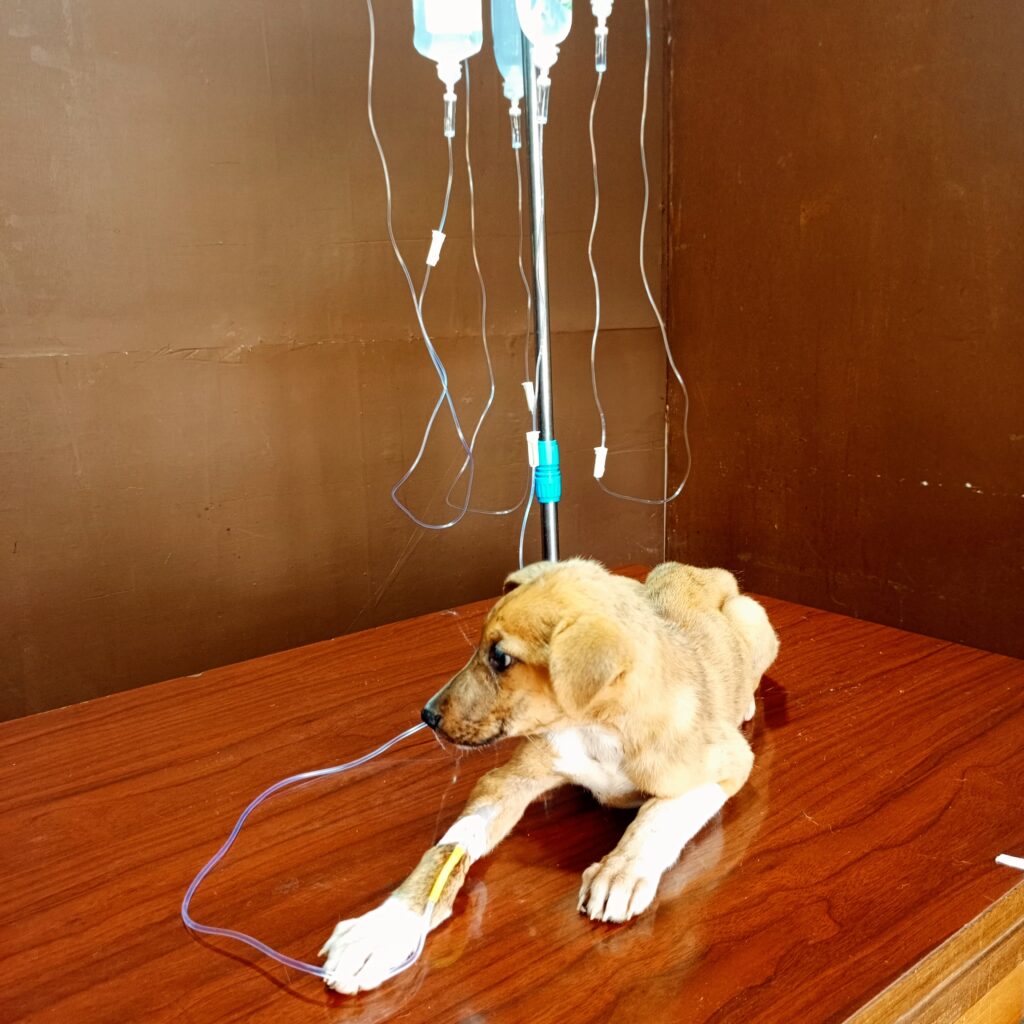
11. Can puppies and kittens receive IV fluid treatment in Uganda?
Yes. Puppies and kittens can safely receive IV fluid treatment when administered by a qualified veterinarian. In Uganda, IV fluids are commonly used to treat parvovirus in puppies, severe diarrhoea, dehydration, infections, and weakness in young pets. Because young animals are delicate, clinics like Superior Animal Clinic in Kampala carefully calculate fluid volumes and monitor them closely.
12. Do dogs and cats with kidney disease need regular IV fluids?
Yes. Dogs and cats with kidney disease often require IV fluid therapy to support kidney function, remove toxins, and improve hydration. In Kampala, IV fluids are frequently used for both acute and chronic kidney failure cases under veterinary supervision.
13. Can IV fluids be combined with antibiotics and other treatments?
Yes. IV fluid therapy is commonly combined with antibiotics, pain relief, anti-vomiting drugs, vitamins, and blood transfusions. Combining treatments improves recovery outcomes, especially for pets with infections, poisoning, or severe illness.
14. Is hospitalisation necessary for IV fluid treatment in Kampala?
Hospitalisation depends on the pet’s condition. Mild dehydration may require a few hours of IV fluids, while serious conditions like parvovirus, poisoning, urinary blockage in cats, or severe tick-borne disease require hospitalisation for continuous monitoring.
15. How quickly will my pet improve after IV fluid treatment?
Many pets show improvement within 6 to 24 hours, especially in dehydration cases. More serious illnesses may take several days. Appetite, energy levels, and urination usually improve as fluids restore circulation and organ function.
16. Can IV fluid treatment help pets poisoned by rat poison in Uganda?
Yes. IV fluids are a critical part of treating rat poison and pesticide poisoning, which are unfortunately common in Kampala and surrounding areas. Fluids help flush toxins, support organs, and stabilize the pet while other treatments are given.
17. What happens if IV fluid treatment is delayed?
Delaying IV fluid treatment can lead to organ failure, collapse, coma, or death, especially in cases of dehydration, shock, kidney disease, or poisoning. Early treatment greatly increases survival chances.
18. Are there risks if too much IV fluid is given?
Yes. Fluid overload can occur if fluids are given incorrectly. This is why IV fluids should only be administered by trained veterinarians who monitor heart rate, breathing, urine output, and body weight during treatment.
19. Can pregnant or nursing dogs receive IV fluid treatment?
Yes. Pregnant or nursing dogs may receive IV fluids when necessary, especially in cases of dehydration, infection, or complications. Vets adjust fluid type and rate to protect both the mother and puppies.
20. Do older dogs and cats need IV fluids more often?
Senior pets are more prone to dehydration, kidney disease, and chronic illnesses. In Kampala, elderly dogs and cats often benefit from IV fluids during illness or recovery under close veterinary supervision.
21. Is IV fluid treatment available for pets at night or on weekends in Kampala?
Some veterinary clinics in Kampala provide emergency or extended-hour services for critical cases. It’s important to contact a trusted clinic immediately when your pet shows emergency signs rather than waiting until morning.
22. Can IV fluids help a dog or cat that has stopped eating?
Yes. IV fluids support hydration, improve circulation, and help correct imbalances that often cause loss of appetite. Many pets begin eating again once stabilized with IV therapy.
23. Will my pet need follow-up visits after IV fluid treatment?
Yes. Follow-up visits are important to monitor recovery, adjust medications, and ensure the underlying condition is improving. Your veterinarian will advise on the review schedule.
24. Can IV fluid treatment be repeated if my pet relapses?
Yes. Some conditions, such as kidney disease or severe infections, may require repeated IV fluid therapy. The veterinarian will assess whether repeat treatment is necessary.
25. How do I prepare my pet for IV fluid treatment in Kampala?
You should transport your pet calmly, avoid giving food or water unless advised, and inform the veterinarian of any medications or toxins your pet may have been exposed to. Quick action improves outcomes.
Conclusion: IV Fluid Treatment Saves Lives
IV fluid treatment is one of the most important life-saving treatments for dogs and cats in Kampala and across Uganda. Conditions like dehydration, infections, poisoning, kidney disease, and trauma can quickly become fatal without immediate fluid support.
Recognizing the warning signs and seeking care early makes a huge difference. In Kampala’s hot climate and busy environment, delays can cost a pet’s life. Choosing a well-equipped veterinary clinic with experienced doctors ensures safe treatment and faster recovery.
By acting quickly and trusting professional IV fluid care at Superior Animal Clinic, pet owners give their pets the best chance to survive, heal, and return to a healthy life.