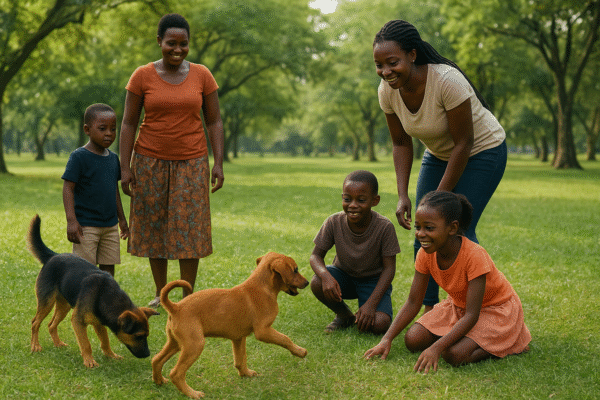
Pets are fun and can bring alot of joy to a family especiaally to children . The most common pets in Uganda dogs and cats offer companionship, teach children responsibility, and become valued members of the household. However, introducing pets into a home with young children also comes with responsibilities that should never be overlooked.
In Uganda, reports of children being bitten or attacked by household dogs are a reminder that even familiar pets can sometimes behave unpredictably. In March 2024, a tragic incident in Kisubi, Wakiso District, a family dog that fatally attacked a young baby and also injured a housemaid. Other incidents reported in areas such as Matugga, Kitagwenda, Gulu, Masaka , Mpigi and many other areas. These attacks highlight the importance of responsible pet ownership and child safety.
These incidents do not mean that dogs and cats cannot live happily with children. In fact, with proper preparation, supervision, training, and veterinary care, pets and children can develop wonderful relationships.
The key is understanding that a friendly pet is not necessarily a pet that can be left unsupervised with a child. Every interaction requires appropriate boundaries and responsible adult supervision.
Here are eight practical ways Ugandan families can create a safer and happier environment for both children and pets.
1. Start with the Right Mindset
One of the biggest mistakes pet owners make is assuming that a dog or cat will automatically be gentle with children simply because it is familiar with the family.
Animals have feelings, boundaries, and individual temperaments. A normally calm pet may become frightened, stressed, or defensive when startled, handled roughly, or disturbed while resting.
Introduce children and pets gradually. Never force an animal to interact with a child, and always have a responsible adult supervising their interactions.
If you are expecting a baby or planning to bring a pet into a home with children, begin preparing early. Allow the animal time to adjust to new routines, sounds, and household changes.
2. Choose and Prepare the Right Pet (Breed matters)
When choosing a family pet, consider its temperament, age, health, and previous experiences with children.
A calm, well-socialised animal may adjust more easily to family life, but no particular breed or animal can be guaranteed to be completely safe around children.
For families that already own pets, pay attention to changes in behaviour. Fearfulness, unusual irritability, repeated growling, or attempts to avoid children should not be ignored.
One important distinction: no dog breed is automatically safe or dangerous. Any dog can bite, regardless of size or breed. Temperament, socialisation, health, training, and individual history matter greatly.
Dog Breeds and Their Temperaments
Breeds often known for calm or sociable temperaments
| Dog breed | General temperament | Family considerations |
|---|---|---|
| Golden Retriever | Friendly, gentle and sociable | Often a good family companion when properly trained. |
| Labrador Retriever | Affectionate, outgoing and playful | Needs exercise and supervision around small children. |
| Cavalier King Charles Spaniel | Gentle and affectionate | Often enjoys human companionship. |
| Basset Hound | Generally relaxed and friendly | Can be stubborn and needs patient training. |
| Bernese Mountain Dog | Usually gentle and patient | Large size means children need supervision around it. |
| Poodle | Intelligent and generally sociable | Benefits from consistent training and socialisation. |
| Beagle | Cheerful and friendly | Energetic and can become excitable during play. |
Breeds that may require experienced handling and particularly consistent boundaries
| Dog breed | General characteristics | Important considerations |
|---|---|---|
| Rottweiler | Powerful, confident and protective | Requires responsible ownership, early socialisation and consistent training. |
| German Shepherd | Intelligent, alert and protective | Needs structured training and appropriate socialisation. |
| Doberman Pinscher | Alert, energetic and protective | Requires regular exercise, training and controlled introductions. |
| Belgian Malinois | Highly energetic, driven and alert | Usually better suited to experienced owners who can meet its activity and training needs. |
| Cane Corso | Large, powerful and naturally watchful | Requires experienced handling and responsible management. |
| Bullmastiff | Strong, confident and protective | Its size and strength require careful management around children. |
| Akita | Independent and often reserved with strangers | Needs early socialisation and knowledgeable handling. |
When choosing a family dog, it is important to understand that different breeds have different temperaments, energy levels, and handling requirements. Some breeds are generally known for their sociable and gentle nature, while others have strong guarding instincts, high energy levels, or independent personalities that require more experienced handling. However, breed alone does not determine whether a dog will be friendly or aggressive. Individual temperament, upbringing, socialisation, health, and responsible ownership all play important roles.
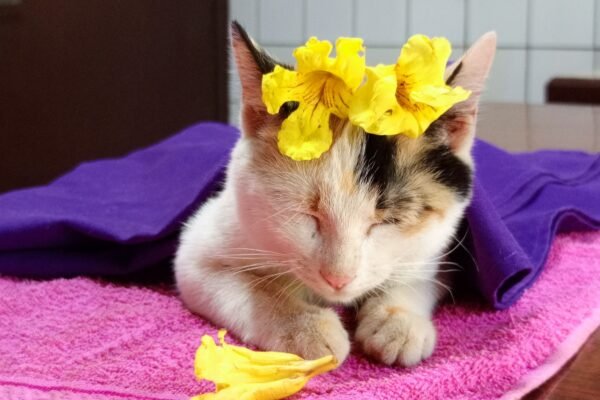
3. Teach Children How to Treat Animals
Building a good relationship between children and pets is a two-way responsibility. Children must also learn how to interact respectfully with animals.
Young children may not understand that pulling a dog’s tail, grabbing a cat, or disturbing an animal while eating can cause fear or provoke a defensive reaction.
Teach children simple rules:
- Approach animals calmly and gently.
- Never pull their ears, tails, or fur.
- Avoid disturbing pets while they are eating or sleeping.
- Never chase, corner, or force an animal to play.
- Allow pets to walk away when they want space.
- Always ask an adult before approaching an unfamiliar animal.
Make these lessons part of everyday family life. Children who understand animal boundaries are more likely to develop healthy and respectful relationships with pets.
4. Introduce Pets and Children Gradually
First impressions matter, especially when a pet is adjusting to a new family member.
If you are bringing a new dog or cat into a home with children, begin with calm, controlled introductions. Keep initial interactions brief and allow the animal to approach voluntarily.
For families expecting a newborn, prepare the pet before the baby arrives. Gradually introduce baby-related sounds, equipment, and changes in household routines.
During introductions, reward calm behaviour and avoid overwhelming the animal with too much attention.
Never place a baby or toddler directly beside a pet without appropriate adult control. Even a familiar and gentle animal needs space and careful supervision.
5. Encourage Positive Behaviour Through Training
Training helps pets become more manageable and comfortable in family environments.
For dogs, basic commands such as “sit”, “stay”, “come”, and “leave it” can help owners manage everyday situations.
Reward desirable behaviour with treats, praise, and other positive reinforcement methods. Avoid hitting, shouting at, or frightening animals during training, as punishment can increase fear and defensive behaviour.
It is also important to teach pets to remain comfortable around normal household activities without forcing physical contact.
Remember that training improves behaviour, but it does not eliminate the need for supervision. Even a well-trained dog should never be treated as a substitute for adult supervision.
6. Give Pets Their Own Safe Space
Every pet needs a place where it can rest without being disturbed.
This could be a comfortable bed, a crate, a kennel, or a separate room. Teach children that when a pet retreats to its resting area, it should be left alone.
Other important household rules include:
- Keep children away from pets while they are eating.
- Store pet food and treats appropriately.
- Avoid allowing children to take toys directly from animals.
- Keep pets safely separated during noisy or crowded family activities.
- Ensure dogs are properly contained within the home compound.
Never leave babies or young children alone with pets, regardless of how friendly or familiar the animal may appear.
7. Learn to Recognise Warning Signs
although animals don’t speak to express what they feel , they communicate discomfort through body language. Learning to recognise these signals can help prevent incidents before they escalate.
Watch out for signs such as:
- A stiff or tense body.
- Repeated lip licking or yawning in stressful situations.
- Turning the head away or trying to move away.
- Flattened ears or a tucked tail.
- Growling, hissing, or showing teeth.
- Sudden changes in behaviour around children.
These signals should be taken seriously. Calmly separate the child and the animal, then give the pet space.
Never punish a dog for growling. Growling is a warning signal that the animal is uncomfortable. Punishing this behaviour may suppress the warning without addressing the underlying fear or discomfort.
If your pet repeatedly displays these behaviours, seek professional veterinary or qualified animal behaviour advice.
8. Maintain Good Health and Seek Veterinary Guidance
A healthy pet is better positioned to enjoy a peaceful family environment.
Regular veterinary care helps identify health problems that may affect an animal’s behaviour. Pain, infections, injuries, and other medical conditions can sometimes contribute to sudden aggression or irritability.
Keep up with vaccinations, deworming, tick and flea prevention, proper nutrition, exercise, and routine health checks.
If your pet suddenly becomes aggressive, do not assume it is simply being difficult. A veterinary examination can help establish whether an underlying medical condition is contributing to the behaviour.
At Superior Animal Clinic, pet owners can seek professional veterinary guidance on maintaining their pets’ health and addressing concerns that may affect their behaviour.
Common Mistakes Families Should Avoid
Even loving and responsible pet owners can make mistakes that put children and animals at risk.
Some common ones include:
- Leaving babies or young children unsupervised with pets.
- Allowing children to treat animals like toys.
- Assuming a familiar family dog cannot bite.
- Punishing pets for growling or showing signs of discomfort.
- Forcing animals to interact with children.
- Ignoring sudden changes in an animal’s behaviour.
- Allowing dogs to roam freely without proper control.
Avoiding these mistakes is an important step towards preventing unnecessary injuries and creating a safer home.
Final Thoughts
Pets can become wonderful companions for children. They can teach kindness, patience, responsibility, and respect for living things.
However, a successful relationship does not happen automatically. It requires patience, proper training, regular veterinary care, and clear boundaries that protect both the child and the animal.
For Ugandan families, responsible pet ownership means understanding that loving an animal also means protecting the people around it.
With the right preparation and guidance, dogs, cats, and children can share a home safely and happily.
Need professional advice about your pet’s health or behaviour? Contact Superior Animal Clinic for veterinary guidance and support. Your pet’s well-being and your family’s safety both matter.