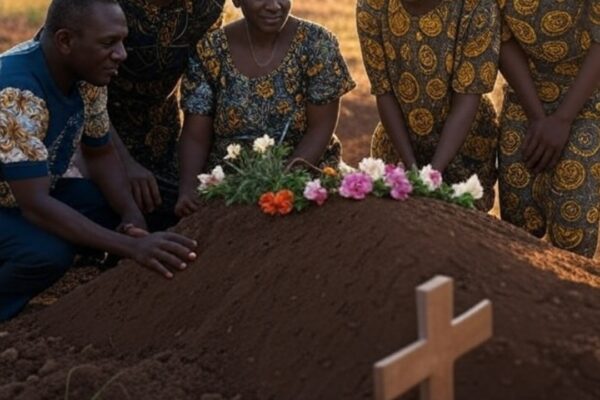
Losing a beloved pet is one of the most difficult experiences any pet owner can face. Whether it is a dog, cat, rabbit, bird, or another companion animal, saying goodbye is never easy. During such an emotional time, many owners are left asking:
“What should I do with my pet’s body?”
At Superior Animal Clinic, we understand how heartbreaking this moment can be. We also know that proper disposal of a deceased pet is important, not only to honour your companion but also to protect your family, other animals, and the environment.
Why Proper Pet Disposal Matters
A pet may die from old age, illness, poisoning, an accident, or an infectious disease. Regardless of the cause, the body should be handled carefully.
Proper disposal helps:
- Reduce the spread of disease.
- Protect children and other pets.
- Prevent contamination of water and soil.
- Discourage scavengers such as stray dogs, cats, rodents, and wild animals.
- Preserve public health.
Handle the Body Carefully
Before moving your pet:
- Wear disposable gloves if available.
- Avoid direct contact with blood or body fluids.
- Keep children and other pets away.
- Wrap the body in a clean cloth, towel, or biodegradable material before transport.
- Wash your hands thoroughly after handling the body.
- Keep your other pets away from the dead pet. (This helps prevent spread of diseases to the remaining pets.)
If you suspect the pet died from a contagious disease, avoid unnecessary handling and contact your veterinarian immediately.
If You Don’t Know Why Your Pet Died
Never assume a pet died of natural causes.
Sudden death can result from:
- Rabies
- Poisoning
- Parvovirus
- Tick-borne diseases
- Internal bleeding
- Heat stroke
- Severe infections
- Heart disease
A veterinarian can help determine whether additional precautions are needed, especially if other pets in the household may have been exposed.
Should You Consider a Post-Mortem Examination?
Many pet owners choose to bury or dispose of their pet immediately after death, but in some cases, it is worth first finding out why your pet died. A post-mortem examination is a detailed examination of your pet’s body after death to determine the most likely cause of death.
At Superior Animal Clinic, we offer professional post-mortem examinations for dogs, cats, rabbits, birds, and other companion animals. This service can provide valuable answers, especially when a pet dies unexpectedly or when there are concerns about diseases that could affect other animals or even people.
At only ugx 350,000 , a team of qualified veterinians will examine your pet to dtermine what might have killed it.
A post-mortem examination may be recommended if:
- Your pet died suddenly without showing signs of illness.
- You suspect poisoning.
- There was a road traffic accident or severe injury.
- Your pet died shortly after surgery or treatment.
- You suspect an infectious disease such as rabies or parvovirus.
- Other pets in your home are showing similar symptoms.
- You simply want to understand what caused your beloved pet’s death.
Our veterinarians carefully examine the body and, where necessary, collect samples for further laboratory testing. The findings can help:
- Confirm the exact cause of death.
- Identify contagious diseases that may threaten other pets.
- Guide treatment or preventive care for animals that had contact with the deceased pet.
- Provide reassurance and closure for pet owners by answering difficult questions.
If you are considering a post-mortem examination, avoid burying or disposing of your pet immediately. Instead, keep the body in a cool place, avoid unnecessary handling, and contact Superior Animal Clinic as soon as possible. Early examination provides the best opportunity to obtain accurate results.
Safe Ways to Dispose of a Dead Pet
Veterinary Cremation
Cremation is one of the safest and most hygienic methods available.
Benefits include:
- Prevents disease transmission.
- Environmentally responsible.
- Eliminates the risk of scavengers disturbing the remains.
- Suitable for pets that died from infectious diseases.
If cremation services are available in your area, your veterinarian can advise you on the process.
Veterinary-Assisted Disposal
If you are unsure what to do, your veterinary clinic can help arrange safe disposal or provide guidance based on your pet’s cause of death.
This option is particularly important if the pet may have died from a disease that could affect humans or other animals.
The cost , at Superior Animal clinic , Ugx 60,000 is charged to properly dispose off your beloved dead pet in a respectful and safe manner.
Home Burial
Many families prefer to bury their pets as a way of saying goodbye.
If burial is permitted in your area and your veterinarian confirms it is appropriate:
- Choose a location away from wells, rivers, streams, and boreholes.
- Avoid vegetable gardens and food-growing areas.
- Dig a grave at least 1.2 metres (4 feet) deep for dogs and cats. Smaller pets should still be buried deep enough to prevent scavengers from reaching the remains.
- Cover the grave completely with soil.
Avoid burying pets that died from certain highly infectious diseases unless advised by a veterinarian.
Never Dispose of a Pet Improperly
Do not:
- Throw the body into rubbish bins.
- Dump it in bushes, wetlands, forests, or open fields.
- Leave it beside roads.
- Throw it into rivers, lakes, or drainage channels.
- Leave it where other animals can access it.
Improper disposal can spread disease, pollute the environment, and create unnecessary public health risks.
Special Care If Rabies Is Suspected
If your dog, cat, or another mammal showed signs such as:
- Sudden aggression
- Excessive drooling
- Difficulty swallowing
- Paralysis
- Unusual behaviour before death
Do not handle the body more than necessary.
Instead:
- Keep people and other animals away.
- Contact your veterinarian immediately.
- Follow veterinary and public health advice before moving or disposing of the body.
Rabies is a serious disease that requires careful handling.
How Superior Animal Clinic Can Help
At Superior Animal Clinic, we are here for pet owners during every stage of their pet’s life, including the difficult moments.
Our team can assist with:
- Confirming the cause of death where possible.
- Safe disposal advice.
- Post-mortem examinations when appropriate.
- Rabies risk assessment.
- Care for other pets that may have been exposed.
- Vaccinations and preventive healthcare to protect your remaining pets.
We are committed to supporting both pets and their families with compassion and professional care.
Final Thoughts
Every pet deserves dignity and respect, even after death. Whether you have lost a dog, cat, rabbit, bird, or another companion animal, choosing a safe and responsible method of disposal protects your loved ones, your community, and the environment.
If you are unsure how to proceed, contact Superior Animal Clinic, your trusted veterinary clinic in Uganda. Our experienced team is ready to guide you with compassionate advice and professional veterinary support whenever you need it.
Because caring for your pet means caring for them every step of the way, even in their final goodbye.