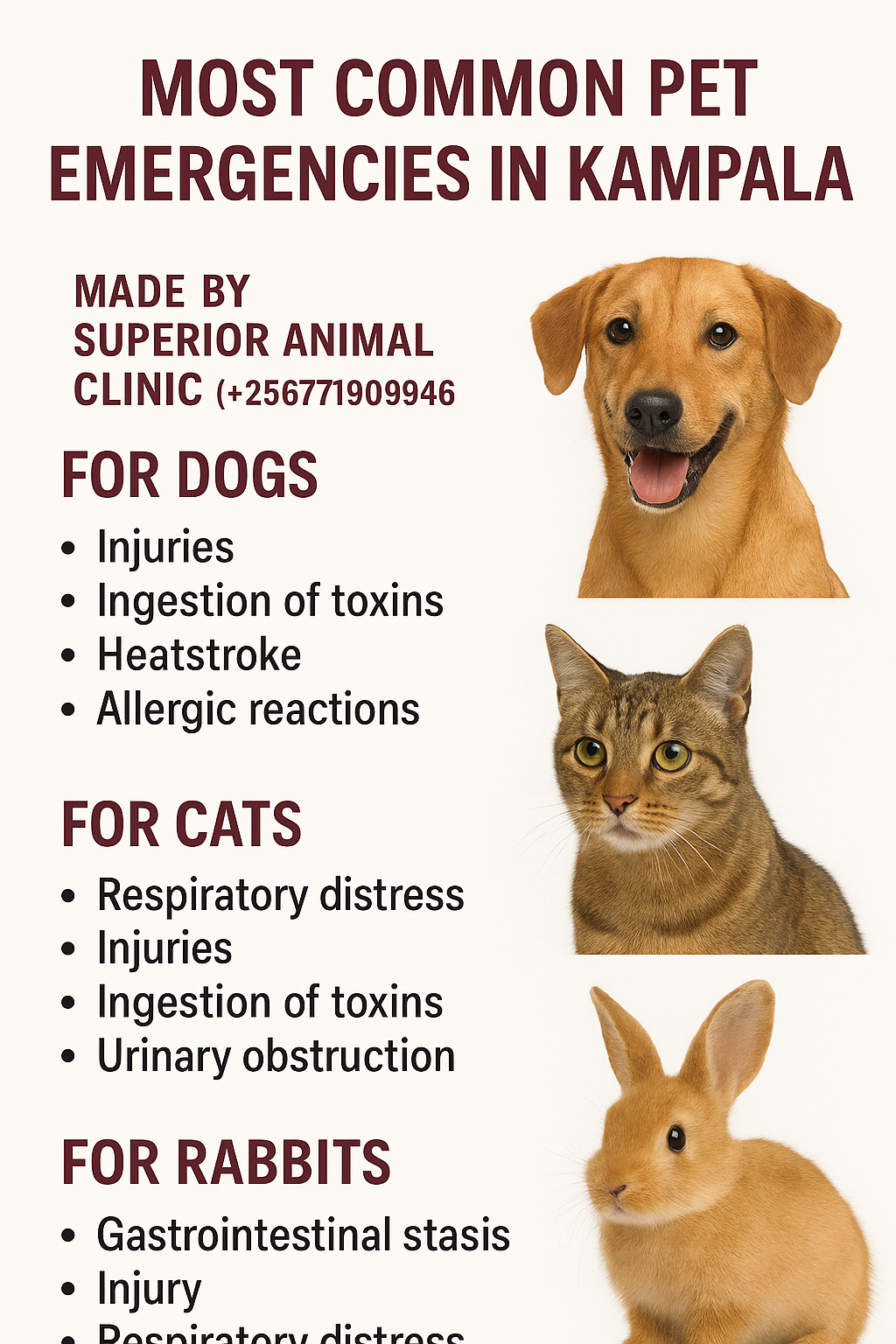
A Complete Guide for Dog, Cat, and Rabbit Owners in Uganda
By Superior Animal Clinic, Makindye – Salaama Road (+256 771 909946)
When a pet emergency strikes in Kampala, every second counts—and choosing the right veterinary hospital can mean the difference between life and death. Superior Animal Clinic, located in Makindye along Salaama Road, has earned a reputation as Uganda’s number one veterinary hospital for fast, reliable, life-saving pet emergency care. Whether it’s parvovirus, tick-borne disease, poisoning, breathing difficulties, road traffic accidents, snake bites, difficult labor, severe injuries, or sudden collapse, pet owners across Kampala trust Superior Animal Clinic for immediate help, advanced diagnostics, and expert treatment.
Our emergency services are available for pet owners in Makindye, Kansanga, Kabalagala, Muyenga, Bukasa, Bunga, Munyonyo, Nsambya, Katwe, Zana, Lubowa, Ndejje, Najjanankumbi, Kabowa, Rubaga, Nakawa, Bugolobi, Ntinda, Bukoto, Kisaasi, Kyanja, Kulambiro, Najjera, Kiwatule, Mutundwe, Buziga, and surrounding Kampala neighbourhoods. No matter where you are, help is only a phone call away: +256 771 909946.
What makes Superior Animal Clinic stand out is not just our experience, but our speed, compassion, accurate diagnosis, and Kampala-specific emergency expertise. We understand the realities of pet ownership in Uganda—exposure to ticks, traffic, toxins, heat, poor-quality feeds, and free-roaming animals. That’s why our team is trained to handle the exact emergencies that happen most often in Kampala homes, compounds, apartments, farms, and streets.
This guide walks you through the most common pet emergencies in Uganda, how to recognize them early, what to do, treatment options, and when to rush your pet to Superior Animal Clinic, Kampala’s most trusted emergency veterinary centre.
Your pet’s life matters—and when danger strikes, Superior Animal Clinic is here to save it.
⭐ When Is Something an Emergency?
You should rush to Superior Animal Clinic immediately if your pet is:
- Struggling to breathe
- Bleeding continuously
- Vomiting repeatedly
- Swollen in the abdomen
- Suddenly unable to walk
- Has been hit by a car
- Has eaten poison or toxins
- Having seizures
- Extremely weak or collapsing
🐶 11 COMMON DOG EMERGENCIES IN KAMPALA
Kampala’s environment exposes dogs to many risks—from parvo outbreaks, ticks, heat, snakes, poisons, and traffic, to free-roaming dogs that spread diseases. Because of these realities, every dog owner in Kampala should know the most common emergencies, how to recognise them early, and when to rush their pet to a trusted emergency vet like Superior Animal Clinic, Makindye (+256 771 909946).
Below are the 11 most common dog emergencies in Kampala, explained in a simple way that every pet owner can understand.
1. Parvovirus (Parvo) — The #1 Puppy Killer in Kampala
Parvo is extremely common in Makindye, Katwe, Kisenyi, Kabalagala, Kawempe, and Bwaise because the virus survives in soil for months.
It attacks fast and kills quickly if untreated.
Causes
- Unvaccinated puppies
- Contact with contaminated soil, poop, kennels
- Dogs walking in crowded areas
- Buying puppies from backyard breeders without vaccination history
Signs (Diagnosis Clues for Owners)
- Bloody or foul-smelling diarrhea
- Repeated vomiting
- Extreme weakness
- Not eating
- Rapid dehydration
- Sudden weight loss
Treatment
- IV fluids
- Anti-vomiting injections
- Strong antibiotics
- Vitamins & immune boosters
- Isolation to prevent spreading
Estimated Cost in Kampala
250,000–650,000 UGX depending on severity and number of days admitted.
Prevention
- Vaccinate at 6, 10, 14 weeks + annual boosters
- Do NOT walk young puppies outside
- Avoid shelters with unknown dogs
⚠️ Rush to Superior Animal Clinic immediately if your dog vomits + has diarrhea.
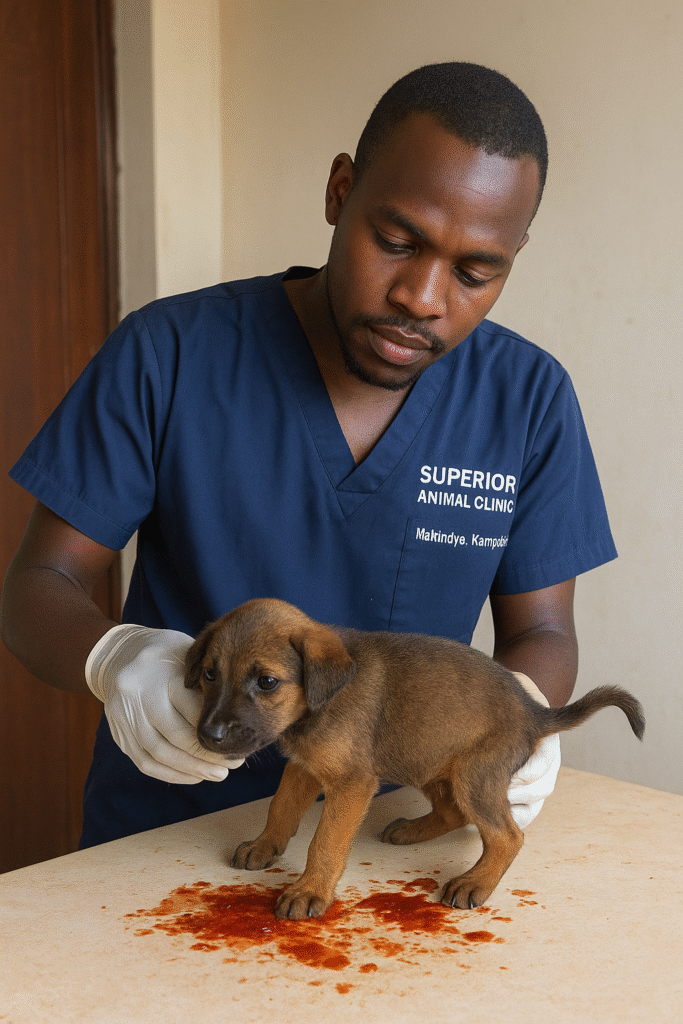
2. Tick-Borne Diseases (Babesiosis & Ehrlichiosis)
Very common in Munyonyo, Muyenga, Bukoto, Kisaasi, Kulambiro, Najjera, and Makindye where ticks thrive in gardens.
Cause
Infected ticks transmitting parasites that destroy red blood cells.
Signs
- Pale gums
- Dark or red urine
- Fever
- Weakness
- Loss of appetite
- Heavy tick infestation
Diagnosis
- Blood smear
- Full blood count
- Tick check
Treatment
- Anti-protozoal injections
- Doxycycline
- Blood transfusion in severe cases
(Superior Animal Clinic offers dog blood transfusions)
Cost
120,000–450,000 UGX
Prevention
- Monthly tick control
- Yard spraying
- Grooming and checking your dog regularly
3. Heatstroke — Very Common in Kampala’s Hot Season
Happens mostly to dogs kept in small compounds, tied in the sun, or locked in cars.
Signs
- Excessive panting
- Body very hot to touch
- Drooling
- Weakness
- Collapse
Treatment
- Cooling therapy
- Oxygen if needed
- IV fluids
- Stabilisation & monitoring
Cost
80,000–250,000 UGX
Prevention
- Provide shade
- No midday walks
- Never leave a dog in a car
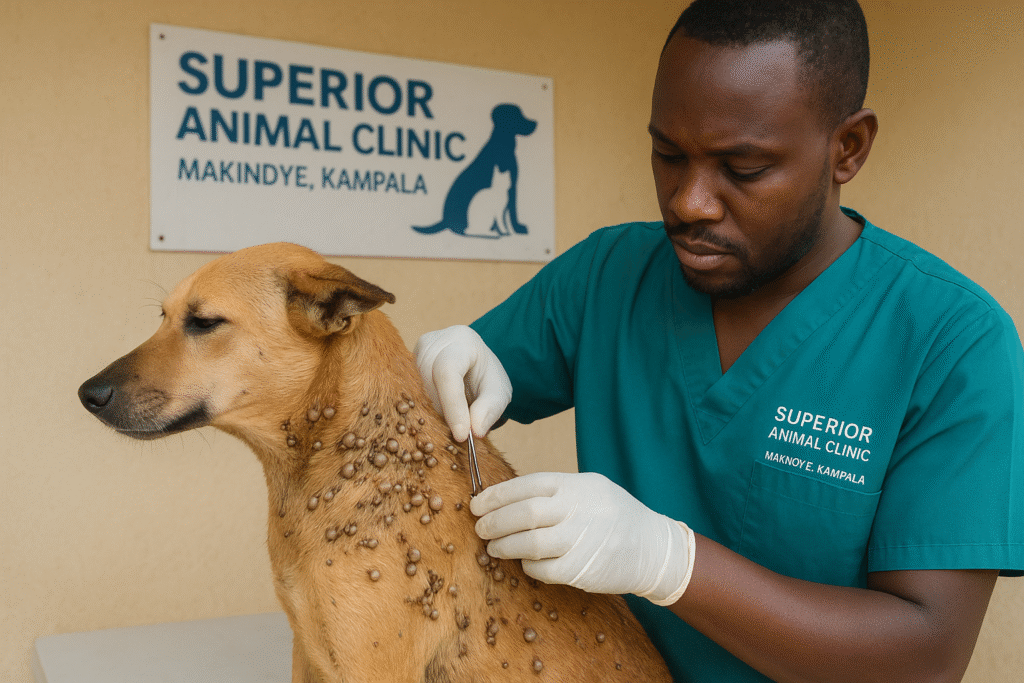
4. Road Traffic Accidents (RTAs)
Common along Salaama Road, Ggaba Road, Entebbe Road, and Kabalagala–Kansanga stretch, where dogs escape compounds.
Signs
- Open wounds
- Fractures
- Breathing difficulty
- Bleeding
- Limping
Diagnosis
- X-rays
- Injury assessment
Treatment
- Wound cleaning, suturing
- Painkillers
- Fracture repair/surgery
- Bandaging
Cost
150,000–1,200,000 UGX depending on severity.
Prevention
- Secure fences
- Keep gates closed
- Train dogs for boundary discipline
5. Poisoning (Rat Poison, Sniper, Food Poisoning)
Very common in slum areas, rentals, and compounds with rats.
Signs
- Vomiting (sometimes with blood)
- Seizures
- Difficulty breathing
- Sudden weakness
- Bleeding from nose or mouth
Treatment
- Induce vomiting (if early)
- Antidotes
- Activated charcoal
- IV fluids
- Vitamin K therapy
Cost
80,000–450,000 UGX
Prevention
- Keep poisons out of reach
- Avoid leaving food outside
- Educate compound workers
6. Gastric Torsion (Bloat)
Common in German Shepherds, Rottweilers, Boerboels.
Signs
- Swollen hard abdomen
- Attempts to vomit but nothing comes out
- Restlessness
- Collapse
Diagnosis
X-ray to confirm twisted stomach.
Treatment
- Emergency surgery
- Stabilisation
Cost
800,000–1,500,000 UGX
Prevention
- Feed 2–3 small meals per day
- No running after meals
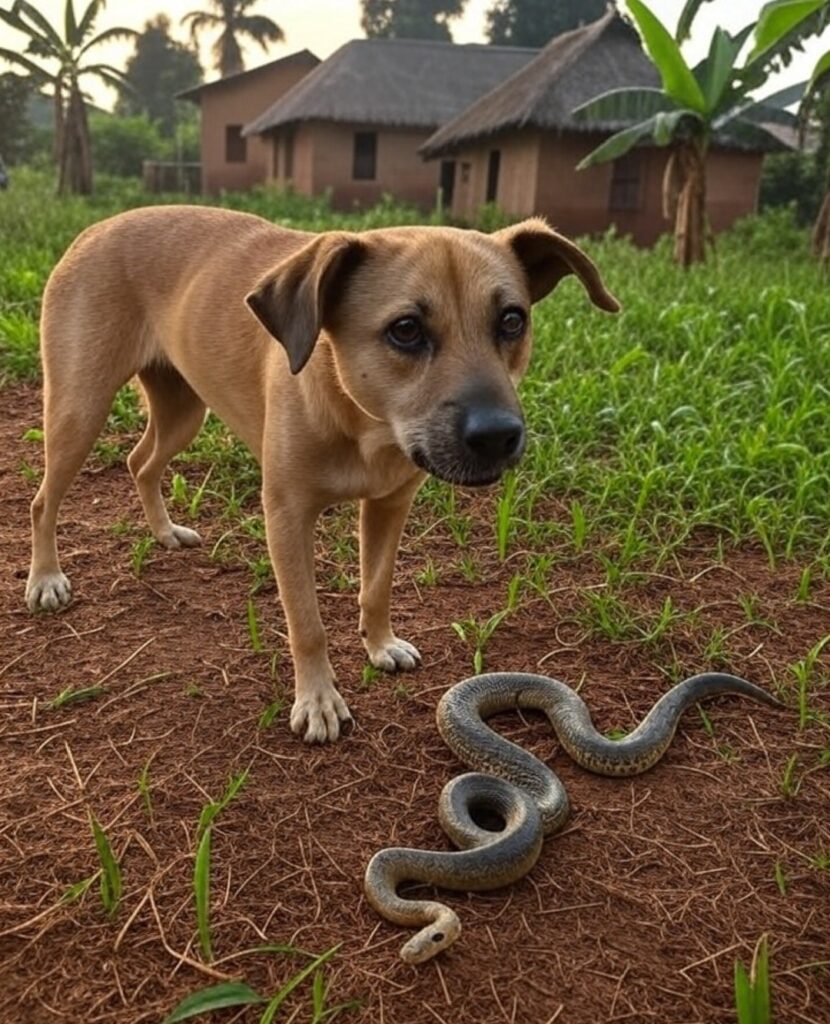
7. Snake Bites — Common in Leafy Areas
Areas affected: Buziga, Munyonyo, Lubowa, Bunga, Namugongo.
Signs
- Sudden swelling
- Pain
- Bleeding
- Shock or collapse
Treatment
- Antivenom (if available)
- Pain relief
- Antibiotics
- Fluids
Cost
150,000–500,000 UGX
8. Severe Worm Infestation
Very common in puppies bought from roadside breeders.
Signs
- Vomiting worms
- Pot-bellied appearance
- Pale gums
- Diarrhea
- Weakness
Treatment
- Deworming
- Fluids
- Nutritional support
Cost
20,000–90,000 UGX
Prevention
Deworm every 3 months.
9. Difficult Labour (Dystocia)
More frequent in small breeds like Maltese, Shih Tzu, Pomeranian.
Signs
- Pushing for 30 minutes without a puppy
- Visible puppy stuck
- Foul smell
- Weakness
Treatment
- Oxytocin injection
- Calcium
- Emergency C-section if needed
Cost
300,000–1,000,000 UGX
10. Severe Allergic Reactions (Bees, Foods, Chemicals)
Common in dogs that roam compounds or gardens.
Signs
- Swollen face
- Hives (bumps on skin)
- Itching
- Difficulty breathing
Treatment
- Antihistamines
- Steroids
- Fluids
Cost
30,000–150,000 UGX
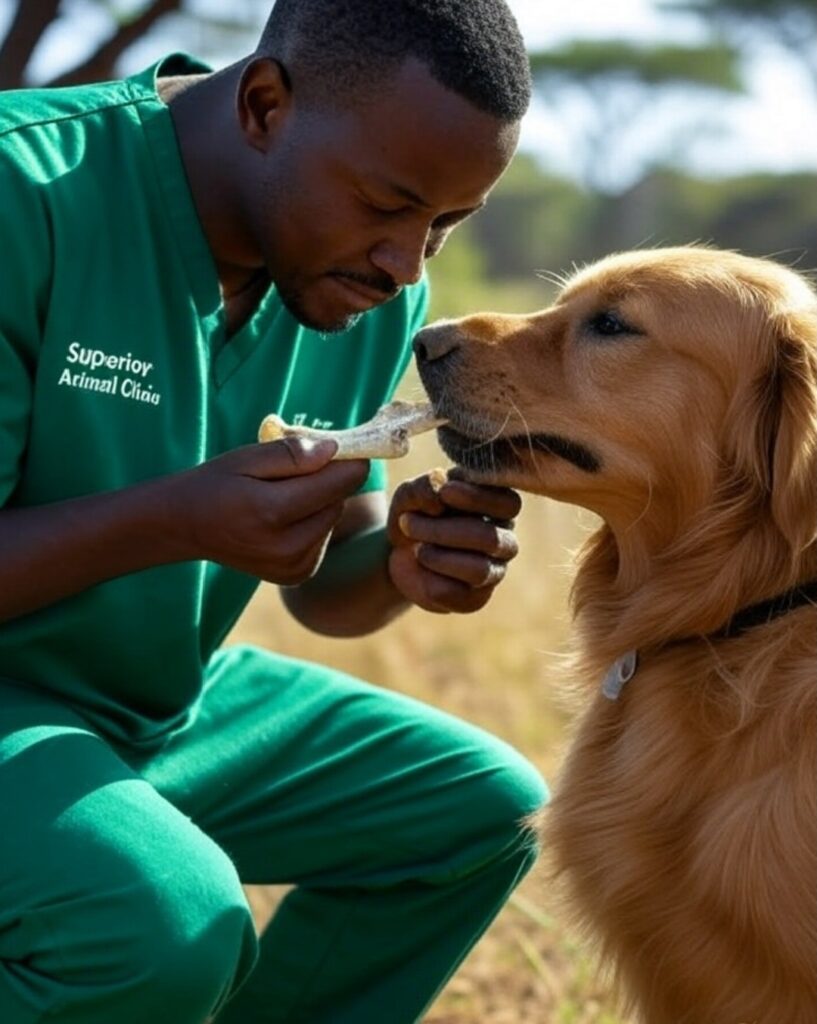
11. Foreign Body Obstruction (Bones, Stones, Toys)
Occurs mostly in households that feed leftover bones.
Signs
- Vomiting
- Refusing food
- Abdominal pain
- Straining to poop
Treatment
- X-ray
- Endoscopic removal
- Surgery in severe cases
Cost
350,000–1,000,000 UGX
Prevention
- Avoid bones
- Give safe chew toys
- Keep trash bins closed
🐱 11 COMMON CAT EMERGENCIES IN KAMPALA
Cats in Kampala live in a unique environment—free-roaming dogs, busy roads, crowded apartments, raw food leftovers, poisons, ticks, and sudden weather changes. Because of these risks, cat emergencies happen more often than most owners expect, especially in urban areas like Makindye, Muyenga, Bukoto, Lubowa, Kabalagala, Buziga, Munyonyo, Ntinda, Katwe, Kisenyi, Kawempe, and Kulambiro.
Below are the 11 most common cat emergencies in Kampala, explained clearly and simply so every cat owner knows when to rush immediately to Superior Animal Clinic (+256 771 909946).
1. Urinary Blockage — The Most Dangerous Emergency for Male Cats
This is extremely common in apartment cats across Muyenga, Bukoto, Lubowa, Kisaasi, Najjera, and Kansanga, especially neutered males.
Cause
Blockage of the urethra by crystals, stones, or swelling—preventing urine from coming out.
Signs
- Straining in the litter tray
- Crying when urinating
- No urine coming out
- Swollen painful belly
- Vomiting
- Sudden collapse
Why It’s Deadly
A blocked bladder can burst and kill the cat within 24–48 hours.
Treatment
- Emergency catheterisation
- IV fluids
- Painkillers
- Antibiotics
- Special urinary diet
Cost
150,000–450,000 UGX
Prevention
- Always provide fresh water
- Feed wet food
- Avoid all-dry diets
⚠️ If your cat is straining without urine, rush to Superior Animal Clinic immediately.
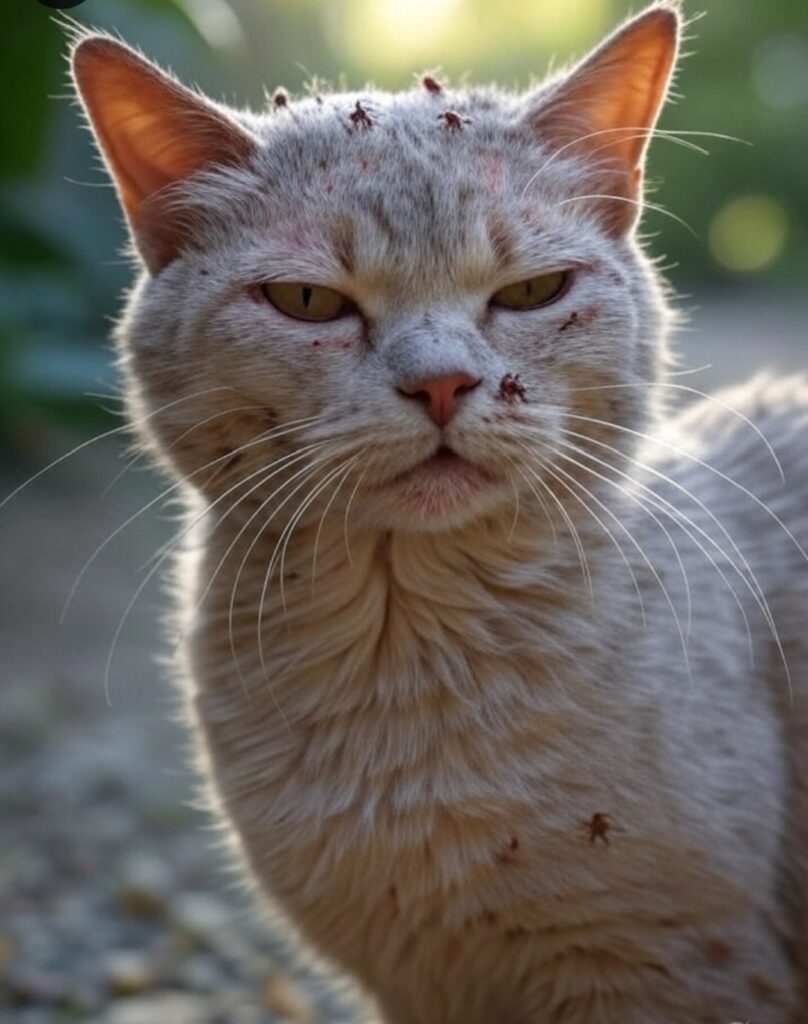
2. Severe Flea & Tick Anemia — Common in Free-Roaming Cats
Very common in Makindye, Nsambya, Katwe, Kabalagala, Mutundwe, where cats roam freely and pick up parasites.
Cause
Heavy flea/tick infestation sucking blood and spreading infections.
Signs
- Pale gums
- Weakness
- Weight loss
- Constant scratching
- Poor appetite
Treatment
- Tick/flea control
- Antibiotics
- Blood transfusion in severe cases
Cost
120,000–380,000 UGX
Prevention
- Monthly flea/tick treatment
- Keep cats indoors at night
3. Cat Flu (Feline Respiratory Infection)
Cat flu spreads easily in neighbourhoods with many free-roaming cats such as Kisenyi, Katwe, Kawempe, Kisaasi, and Makindye.
Signs
- Sneezing
- Runny nose
- Eye discharge
- Coughing
- Loss of appetite
Treatment
- Antibiotics
- Eye ointments
- Steam inhalation
- Hydration support
Cost
50,000–150,000 UGX
Prevention
- Vaccination
- Isolate sick cats
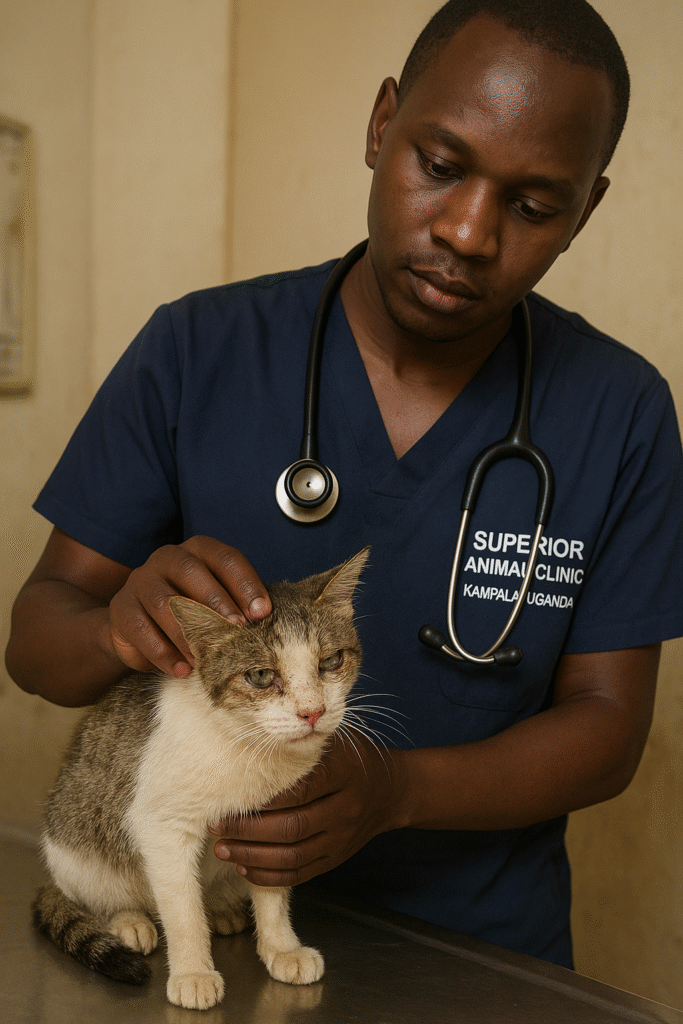
4. Road Traffic Accidents (Bodas & Cars)
One of the most common emergencies in busy areas — Kabalagala, Salaama Road, Ggaba Road, Kamwokya, and Nakawa.
Signs
- Open wounds
- Fractures
- Bleeding
- Difficulty breathing
- Not walking
Treatment
- Wound suturing
- X-rays
- Pain control
- Surgery for fractures
Cost
80,000–800,000 UGX
Prevention
Keep cats indoors at night and during rush hours.
5. Poisoning (Rat Poison, Insecticides, Household Chemicals)
Very common in rentals and compounds where rodent control is used.
Signs
- Drooling
- Vomiting
- Seizures
- Bleeding
- Sudden weakness
Treatment
- Antidotes
- Activated charcoal
- IV fluids
- Vitamin K
Cost
80,000–250,000 UGX
Prevention
- Store poisons safely
- Keep cats away from sprayed areas

6. Difficult Labour (Dystocia)
Very common in queens giving birth for the first time.
Signs
- Straining for 20–30 mins without progress
- Visible kitten stuck
- Excessive bleeding
- Weakness
Treatment
- Oxytocin injection
- Manual assistance
- Emergency C-section
Cost
250,000–600,000 UGX
7. Dog Attacks on Cats
A major issue in areas with many free-roaming dogs such as Makindye, Mutundwe, Nsambya, Kibuye, Katwe.
Signs
- Deep bite wounds
- Bleeding
- Shock
- Pain
- Difficulty breathing if chest is injured
Treatment
- Wound cleaning & suturing
- Antibiotics
- Painkillers
- Drain placement for deep wounds
Cost
70,000–250,000 UGX
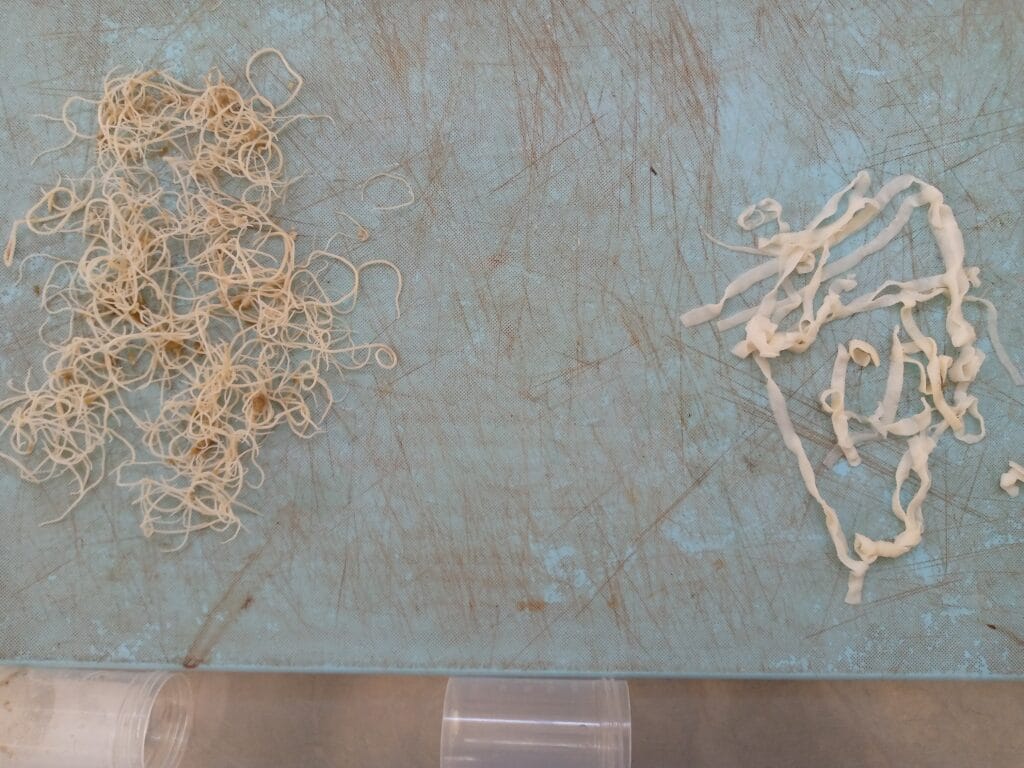
8. Severe Worm Infestation
Common in cats that hunt rats or eat raw leftovers.
Signs
- Vomiting worms
- Weight loss
- Pot belly
- Dull coat
Treatment
- Deworming
- Supplements
Cost
20,000–50,000 UGX
Prevention
9. Eye Injuries (Scratches & Fights)
Most common in tomcats that roam at night.
Signs
- Closed eye
- Tearing
- Cloudiness
- Redness
- Pawing at the eye
Treatment
- Antibiotic eye drops
- Painkillers
- Sometimes surgery
Cost
50,000–180,000 UGX
10. Snake Bites
Common in leafy areas and compounds with bushes like Buziga, Munyonyo, Lubowa, Bunga.
Signs
- Swelling
- Bleeding
- Sudden collapse
- Pain
Treatment
- Antivenom (if needed)
- Pain control
- Antibiotics
Cost
60,000–200,000 UGX
11. Heat Stress & Heatstroke
Especially common in locked apartments during hot days.
Signs
- Panting
- Open-mouth breathing
- Lethargy
- High body temperature
Treatment
- Cooling
- Fluids
- Monitoring
Cost
40,000–120,000 UGX
Prevention
- Never lock cats in hot rooms
- Provide ventilation and water

11 Common Rabbit Emergencies in Kampala
Rabbits are delicate animals, and even small medical issues can become life-threatening within hours. In Kampala, many rabbit emergencies go unnoticed until it’s too late because rabbits instinctively hide pain. As a veterinary clinic that handles increasing numbers of rabbit cases each year, we’ve listed the most common rabbit emergencies you should watch for — and what to do before reaching the vet.
1. Gastrointestinal Stasis (GI Stasis)
GI stasis is the most common and deadliest rabbit emergency in Kampala. It happens when a rabbit’s gut slows down or stops completely.
Signs
- Refusing food or water
- Small or no droppings
- Swollen or painful abdomen
- Sitting hunched and silent
Why it’s Dangerous
A rabbit can die within 12–24 hours if untreated.
What to Do
Rush to the vet immediately. Do NOT force-feed unless instructed. At Superior Animal Clinic, treatment includes fluids, gut motility drugs, pain relief, and correcting the underlying cause.
2. Heat Stroke
Kampala’s hot climate—especially in dry seasons and crowded neighborhoods like Makindye, Kibuye, and Kansanga—puts rabbits at very high risk.
Signs
- Panting or rapid breathing
- Drooling
- Red ears
- Collapse
What to Do
Move the rabbit to a cool room, offer cool (not cold) water, and seek emergency vet care. Do not pour cold water on the body.
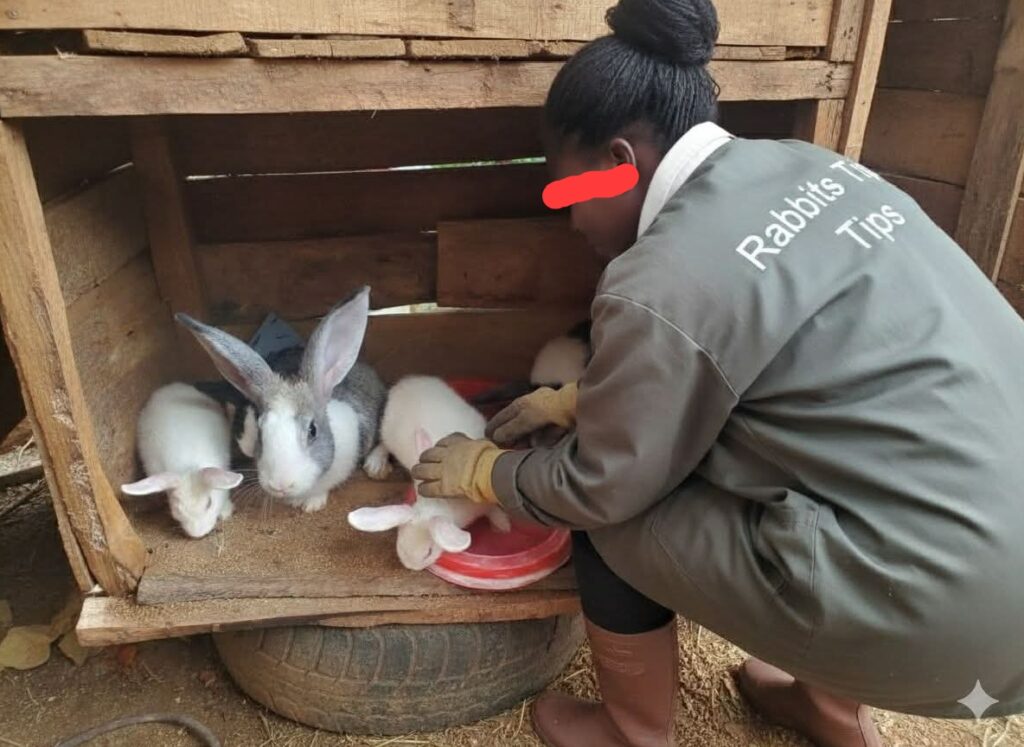
3. Flystrike (Maggot Infestation)
Flystrike occurs when flies lay eggs on soiled fur or wounds, leading to dangerous maggot infestations.
Signs
- Foul smell
- Visible maggots
- Wet, dirty fur around bottom
- Sudden lethargy
What to Do
Never attempt to remove all maggots yourself. This condition is fatal without urgent, professional veterinary cleaning and medication.
4. Severe Injury or Trauma
Common causes in Kampala include falls, dog attacks, being stepped on, or being dropped by children.
Signs
- Limping
- Swelling
- Bleeding
- Refusal to move
What to Do
Keep the rabbit calm, avoid touching fractures, and rush to the vet.
5. Respiratory Distress
Rabbits often struggle to breathe due to pneumonia, dusty housing, or stress.
Signs
- Rapid, noisy, or open-mouth breathing
- Nasal discharge
- Weakness
What to Do
Do not try herbal home remedies. Breathing difficulty is always an emergency — oxygen therapy and antibiotics may be needed.
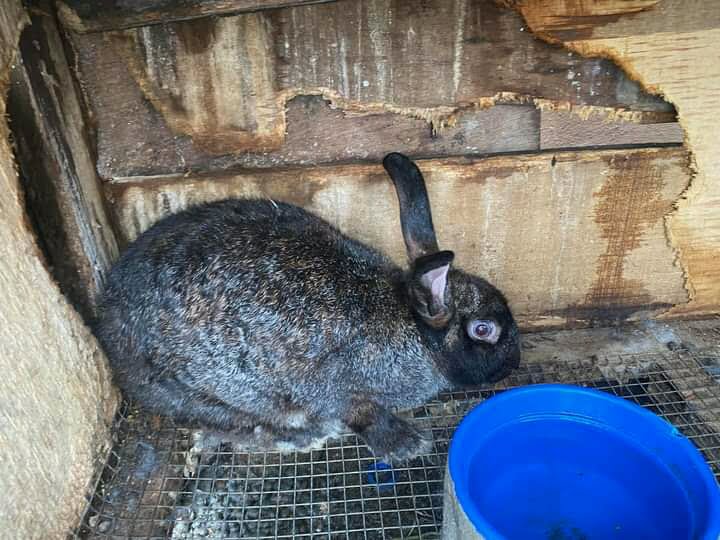
6. Severe Diarrhea
Diarrhea in rabbits is extremely dangerous, especially in kits (baby rabbits).
Causes
- Sudden diet change
- Bacterial infection
- Parasites
- Contaminated feed
What to Do
Keep the rabbit warm and hydrated and seek immediate veterinary care.
7. Neurological Emergencies (Including E. cuniculi)
E. cuniculi is increasingly common in Kampala and can cause nervous system problems.
Signs
- Head tilt
- Rolling
- Seizures
- Paralysis of hind limbs
What to Do
This condition requires urgent treatment with antiparasitic medication, anti-inflammatories, and supportive care.
8. Fractures
Rabbits can break bones easily from mishandling, falls from beds, or children playing roughly.
Signs
- Inability to stand
- Pain when touched
- Unnatural leg position
What to Do
Do not attempt to straighten or massage the limb. Wrap the rabbit in a towel and bring it to the vet.
9. Dental Emergencies
Because rabbit teeth grow continuously, overgrown teeth cause intense pain and severe feeding problems.
Signs
- Drooling
- Wet chin
- Refusing food
- Weight loss
What to Do
Dental trimming by a vet is required. Never file rabbit teeth at home.
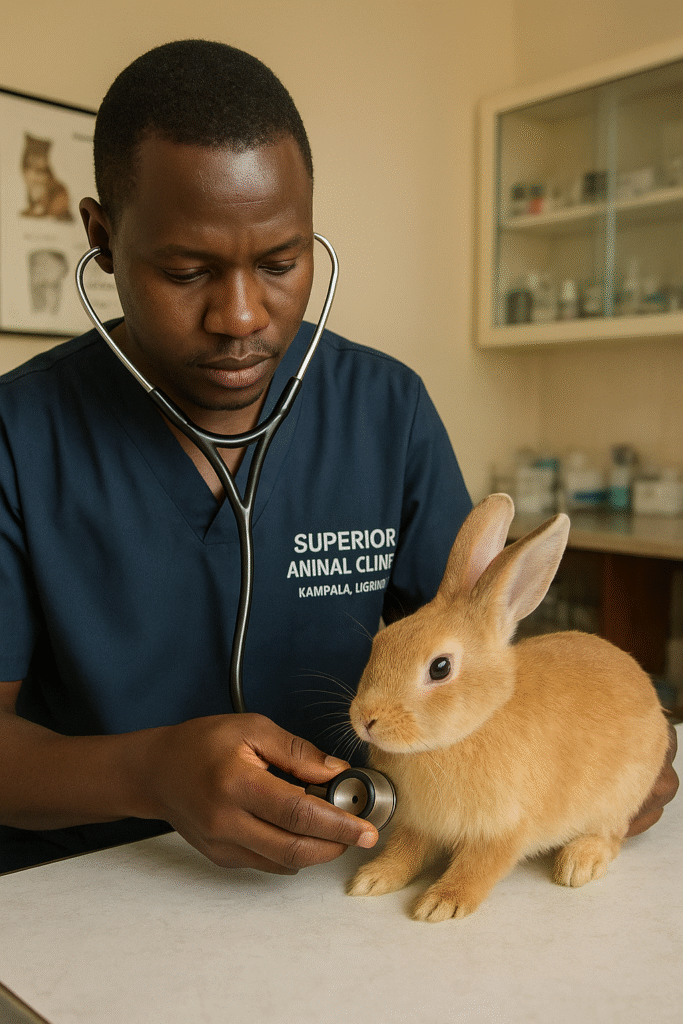
10. Urinary Blockages & Bladder Stones
These are increasingly diagnosed in Kampala due to high-calcium diets and poor hydration.
Signs
- Straining to urinate
- Blood in urine
- Crying when urinating
What to Do
This is extremely painful and requires urgent veterinary intervention.
11. Poisoning
Common toxins in Kampala include rat poison, pesticides, and toxic plants.
Signs
- Sudden weakness
- Drooling
- Tremors
- Bleeding
What to Do
Bring the toxic substance (if known) with you to the clinic. Do NOT induce vomiting.
Conclusion
Emergencies can strike pets at any time, and in Kampala’s busy, unpredictable environment, knowing the signs and acting quickly can save your dog, cat, or rabbit’s life. From parvovirus, poisoning, and heatstroke to urinary blockages, fractures, and flystrike, every minute counts.
At Superior Animal Clinic, Makindye – Salaama Road, we provide 24/7 expert emergency care, advanced diagnostics, and life-saving treatments tailored to Kampala pets. Whether your pet needs urgent surgery, fluids, or specialized support, our experienced veterinarians are ready to help.
📞 Don’t wait—call or WhatsApp +256 771 909946 immediately if your pet shows any emergency signs.
Superior Animal Clinic: Your pet’s life, our priority.