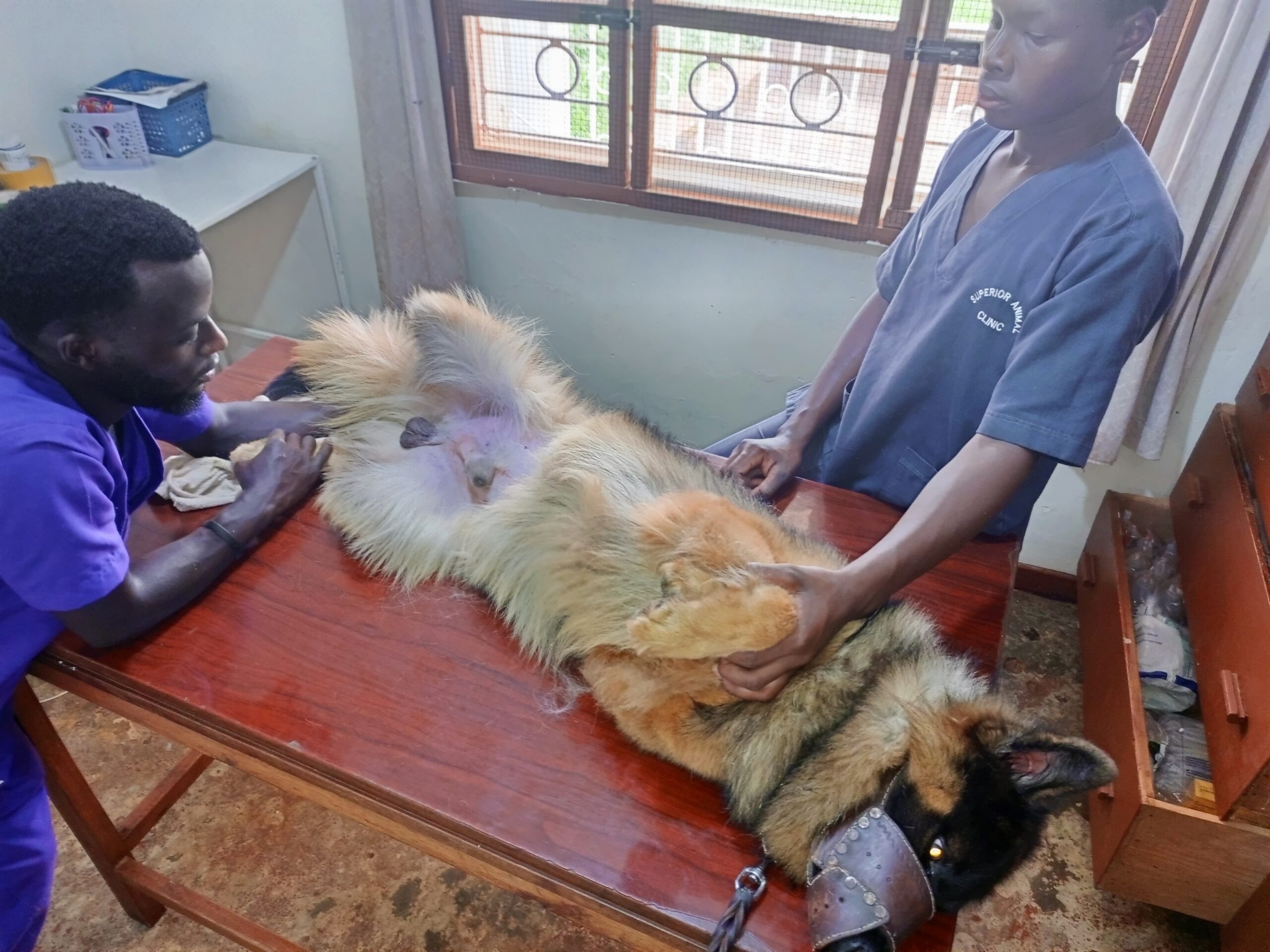
Prostate cancer in dogs is a serious but often overlooked disease that affects male dogs, particularly as they grow older. While it is not the most common cancer seen in veterinary practice, it is one of the more aggressive cancers that can affect dogs. Because the disease progresses quietly in the early stages, many dog owners only notice something is wrong when the condition has already advanced.
In Uganda, awareness of prostate cancer in dogs is slowly increasing as more people keep dogs not only for security but also as family pets. Dog owners in urban areas such as Makindye, Muyenga, Kololo, Ntinda, Naguru, Lubowa, Munyonyo, Buziga, Bugolobi, Rubaga, and Nakasero are increasingly seeking veterinary care for aging dogs and noticing health issues that were previously ignored.
Prostate cancer mainly affects older male dogs, especially those above 8–10 years of age. Because many dogs in Uganda are allowed to age without routine medical checkups, prostate diseases often go undetected until symptoms become severe.
Early veterinary diagnosis is extremely important. When detected early, veterinarians can help manage the disease, relieve pain, and significantly improve the dog’s quality of life.
At Superior Animal Clinic in Makindye along Salaama Road, Kampala, veterinarians regularly diagnose and manage prostate diseases in dogs and help pet owners understand the warning signs before the condition becomes life-threatening.
Understanding the Prostate Gland in Dogs
What Is the Prostate Gland?
The prostate gland is a small reproductive organ found only in male dogs. It is located just below the bladder and surrounds the urethra, which is the tube that carries urine from the bladder out of the body.
The main function of the prostate gland is to produce fluids that form part of semen. These fluids help nourish and transport sperm during reproduction.
When the prostate gland becomes diseased or enlarged, it can press against the urethra or the rectum, causing problems with urination and defecation.
What Is Prostate Cancer in Dogs?
Prostate cancer in dogs usually refers to prostatic adenocarcinoma, a malignant tumor that develops from the cells of the prostate gland.
This cancer occurs when prostate cells begin to grow uncontrollably, forming a tumor. Unlike many other cancers, prostate cancer in dogs is rare but extremely aggressive.
Unfortunately, by the time symptoms appear, the cancer may already have spread to other parts of the body.
How Common Is Prostate Cancer in Dogs in Uganda?
Prostate cancer in dogs is considered relatively rare, but veterinary experience in Uganda shows that it does occur and may be underdiagnosed. Many dogs in the country do not receive routine health screenings, which means some cases are likely missed or discovered only at very late stages.
Based on 10 years of clinical experience treating dogs in Kampala, Dr. Edward, a canine specialist at Superior Animal Clinic, has diagnosed and confirmed 13 cases of prostate cancer in dogs.
Among these cases:
- 7 were German Shepherds
- 3 were Boerboels
- 2 were Mongrels (local mixed breeds)
- 1 was a Maltese
Age also played a significant role. Out of the 13 confirmed cases:
- 10 dogs were older than 9 years
- 3 dogs were younger than 2 years
This pattern suggests that prostate cancer in Uganda most commonly affects older dogs, especially large breeds such as German Shepherds and Boerboels that are widely kept for security in homes across Kampala.
However, the few cases seen in younger dogs also highlight that the disease can occasionally occur earlier in life, although this is far less common.
From a practical veterinary perspective, prostate cancer remains uncommon but very serious when it occurs. Because symptoms often resemble other prostate diseases such as infections or benign enlargement, many dogs are first treated for other conditions before the cancer is discovered.
For this reason, experienced veterinarians in Kampala emphasize the importance of thorough examination, ultrasound imaging, and laboratory testing whenever an older male dog shows signs such as difficulty urinating, blood in urine, constipation, or hind leg weakness.
Common Causes of Prostate Cancer in Dogs in Uganda
The exact cause of prostate cancer in dogs is still not fully understood, even in advanced veterinary medicine. However, years of clinical observation and veterinary research suggest that several factors may increase the likelihood of a dog developing prostate cancer. In Uganda, certain environmental, genetic, and management factors may contribute to the development of this disease.
Below are some of the most commonly suspected causes and contributing factors of prostate cancer in dogs.
1. Aging
Age is the most important risk factor for prostate cancer in dogs. Most dogs diagnosed with this disease are older than 8–10 years. As dogs age, the cells in the prostate gland can begin to change and divide abnormally, increasing the risk of cancer.
In Uganda, many dogs used for security or breeding are allowed to age without regular veterinary screening. Because of this, prostate diseases often go unnoticed until the dog begins showing severe symptoms.
2. Genetic Predisposition
Some dog breeds appear to have a higher genetic risk of developing prostate cancer. Large breeds commonly kept in Uganda, such as German Shepherds, Boerboels, Rottweilers, and Dobermans, seem to develop prostate-related diseases more frequently than smaller breeds.
Veterinary observations in Kampala also suggest that German Shepherds and Boerboels, which are popular guard dogs in Uganda, may be more prone to prostate cancer compared to other breeds.
Genetics may influence how prostate cells grow, repair themselves, and respond to hormonal signals.
3. Hormonal Imbalances
Hormones play a significant role in the health of the prostate gland. Changes in hormone levels, especially testosterone-related hormones, may influence abnormal cell growth within the prostate.
While prostate cancer can occur in both neutered and non-neutered dogs, hormonal imbalances may still contribute to the development of abnormal prostate cells over time.
4. Chronic Prostate Infections (Prostatitis)
Repeated infections of the prostate gland, known as prostatitis, may increase the risk of long-term damage to prostate tissue. Chronic inflammation can cause continuous irritation of prostate cells, which may eventually lead to abnormal growth or cancerous changes.
In Uganda, some dogs suffer repeated urinary or reproductive infections that are not fully treated, which may increase the risk of chronic prostate problems.
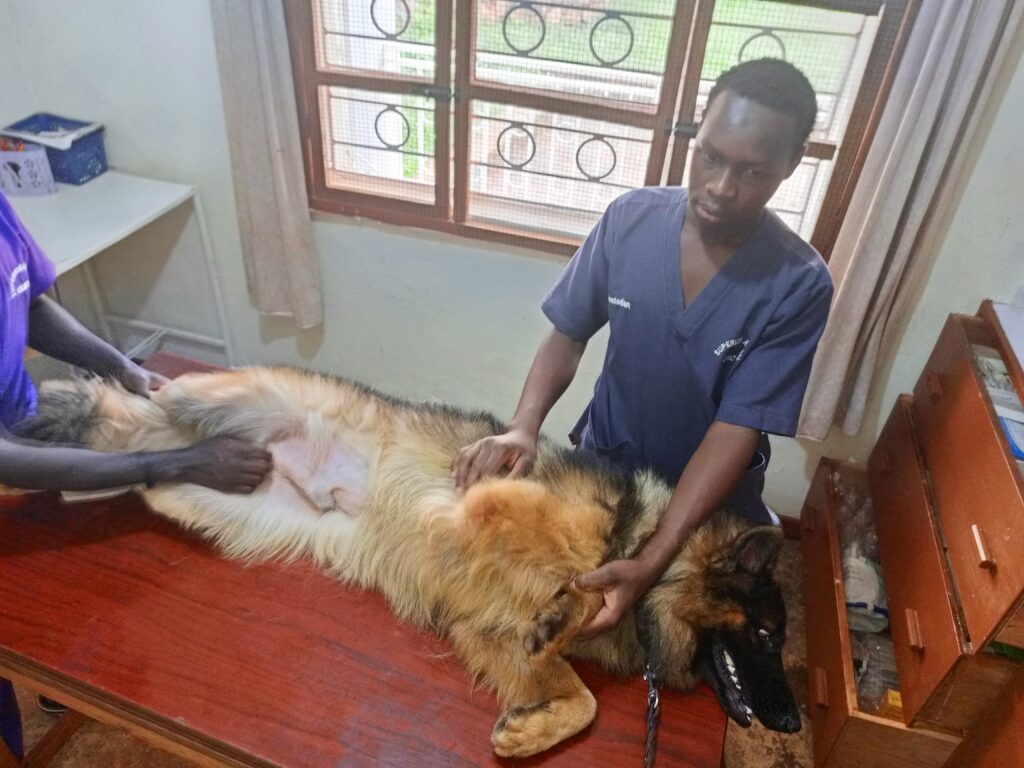
5. Environmental Exposure to Chemicals
Dogs living in urban and semi-urban areas of Uganda may be exposed to environmental toxins that could contribute to cancer development. These include:
- Pesticides used in gardens
- Tick control chemicals
- Industrial pollutants
- Contaminated water sources
Long-term exposure to certain chemicals may damage body cells and potentially trigger abnormal cell growth.
6. Lack of Routine Veterinary Checkups
One of the biggest contributing factors in Uganda is the lack of routine veterinary health examinations. Many dogs are only taken to a veterinarian when they become very sick.
Regular checkups help veterinarians detect prostate enlargement, infections, or abnormal growth early before cancer becomes advanced.
Unfortunately, when prostate cancer is finally diagnosed in many cases, the disease may already have spread to other organs.
7. Chronic Prostate Enlargement
Some older male dogs develop benign prostatic hyperplasia (BPH), which is a non-cancerous enlargement of the prostate gland. Although BPH itself is not cancer, long-term enlargement may sometimes be associated with changes in prostate tissue that could increase the risk of cancer in rare cases.
8. Long-Term Inflammation in the Body
Chronic inflammation in the body, whether due to infections, untreated diseases, or repeated injuries, can sometimes increase the risk of cancer. Persistent inflammation may damage normal cells and interfere with normal cell repair mechanisms.
In dogs that frequently suffer infections or untreated illnesses, this may indirectly increase cancer risk.
Although prostate cancer in dogs is not very common, understanding these potential causes helps dog owners take preventive measures.
How Can I Tell If My Dog Has Prostate Cancer?
Prostate cancer in dogs can be difficult for many dog owners to recognize early because the symptoms often start slowly and may look similar to other common problems such as urinary infections or constipation. However, there are several warning signs that may indicate something is wrong with your dog’s prostate gland.
Because the prostate gland sits between the bladder and the rectum, diseases affecting it usually cause problems with urination, defecation, and movement. Paying close attention to changes in your dog’s behavior and body condition can help detect the problem early.
Below are some of the most important signs that may suggest a dog could have prostate cancer.
1. Difficulty Urinating
One of the earliest and most noticeable signs of prostate problems is difficulty urinating. The prostate gland surrounds the urethra, which is the tube that carries urine out of the body. When the prostate becomes enlarged due to cancer, it can press against the urethra and make urination difficult.
You may notice your dog:
- Straining while urinating
- Passing urine slowly or in small amounts
- Taking longer than usual to urinate
- Repeatedly attempting to urinate without success
Some dogs may also start urinating more frequently than normal.
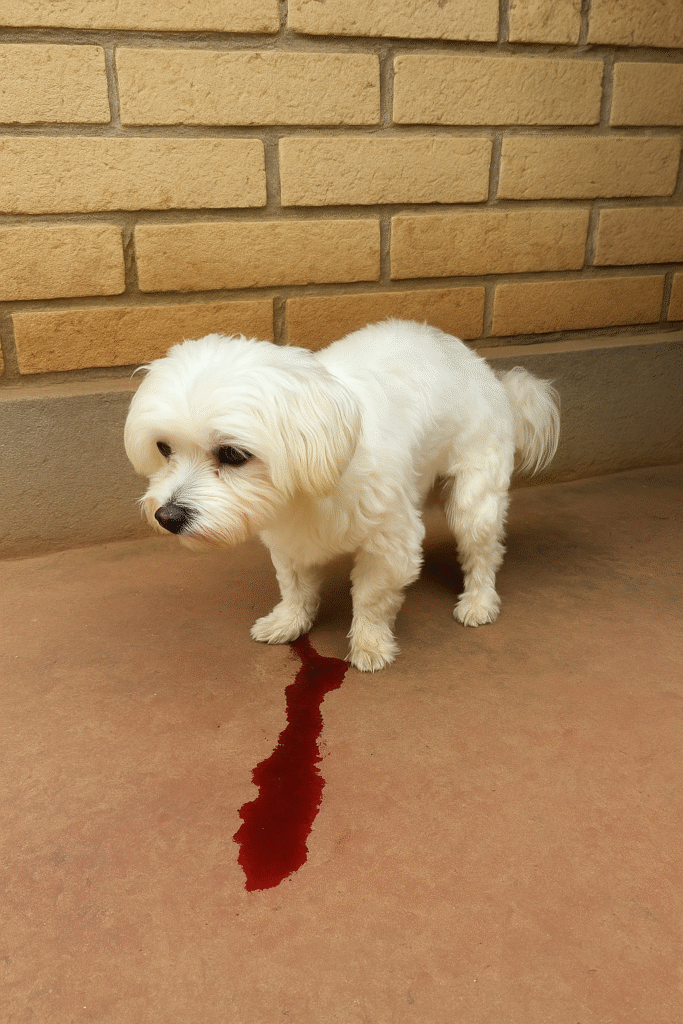
2. Blood in the Urine
Blood in the urine is another warning sign that should never be ignored. Dog owners may notice:
- Pink or red-colored urine
- Drops of blood after the dog urinates
- Blood stains where the dog has urinated
Blood in urine can also be caused by infections or bladder stones, but it always requires immediate veterinary examination.
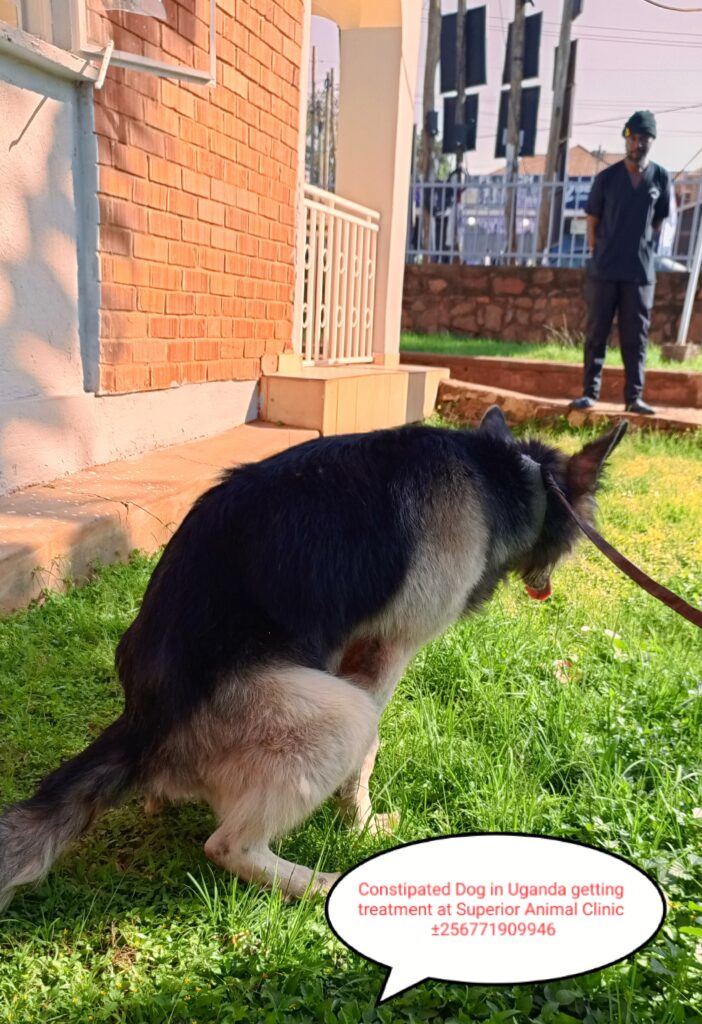
3. Difficulty Passing Stool
Because the prostate gland lies very close to the rectum, an enlarged prostate can press against the rectum and make it difficult for the dog to pass stool.
Dogs with prostate problems may show:
- Straining when trying to defecate
- Constipation
- Thin, flat, or ribbon-shaped stool
- Crying or discomfort while passing stool
Many dog owners initially think their dog simply has constipation, when in fact the enlarged prostate is blocking the normal passage of stool.
4. Pain in the Lower Back or Abdomen
Dogs with prostate cancer may develop pain around the lower abdomen or lower back. This discomfort occurs because the tumor puts pressure on nearby tissues and nerves.
You might observe your dog:
- Walking stiffly
- Reluctant to jump or climb stairs
- Crying when touched near the lower back
- Showing signs of discomfort when sitting
5. Weakness in the Hind Legs
In more advanced cases, prostate cancer can spread to nearby bones or nerves in the pelvic area. When this happens, dogs may develop:
- Weakness in the hind legs
- Difficulty standing up
- Limping or lameness
- Trouble walking normally
Some dog owners in Uganda mistakenly assume this is due to tick-borne diseases or injuries, when the underlying cause may actually be prostate cancer.
6. Weight Loss and Reduced Appetite
Cancer often causes gradual weight loss and loss of appetite. Dogs with prostate cancer may start eating less and appear weaker over time.
Signs may include:
- Noticeable weight loss
- Reduced interest in food
- Low energy levels
- Sleeping more than usual
These symptoms occur because cancer places stress on the body and affects overall health.
7. Persistent Urinary Infections
Some dogs with prostate cancer may repeatedly develop urinary infections. If a dog keeps getting urinary problems that do not improve with treatment, veterinarians may investigate the prostate gland more closely.
Recurring infections can be a sign that the prostate gland is diseased.
8. Swelling or Discomfort Around the Pelvic Area
In rare cases, dogs may show swelling or discomfort in the pelvic region. They may walk slowly, appear uncomfortable, or avoid certain movements.
If you notice any of these symptoms in your dog—especially difficulty urinating, blood in urine, constipation, or hind leg weakness—it is important to seek veterinary care immediately. Early veterinary attention can make a significant difference in managing prostate diseases and improving your dog’s quality of life.
How Prostate Cancer Spreads in Dogs
Prostate cancer in dogs is highly aggressive and often spreads to other organs early.
Common organs affected include:
- Lungs
- Bones
- Lymph nodes
- Liver
When cancer spreads to the bones, dogs may develop hind leg weakness or paralysis, which many dog owners in Kampala mistakenly assume is due to injury or tick-borne diseases.
Metastasis (spread of cancer) makes treatment more difficult and reduces survival time.
Treatment of Prostate Cancer in Dogs in Uganda
Treating prostate cancer in dogs can be challenging because the disease is often aggressive and usually diagnosed at an advanced stage. In Uganda, the main goal of treatment is to slow the progression of the cancer, reduce pain, improve urination and defecation, and maintain the dog’s quality of life for as long as possible.
Because highly specialized treatments such as radiation therapy are rarely available locally, veterinarians in Uganda mainly rely on medical management, pain control, supportive care, and monitoring.
Below are the most commonly used treatment approaches in veterinary practice in Uganda.
1. Anti-Inflammatory Drugs to Reduce Prostate Swelling
Non-steroidal anti-inflammatory drugs (NSAIDs) are one of the most commonly used medications for dogs with prostate cancer. These drugs help reduce inflammation around the prostate gland and may also slow tumor growth in some cases.
A commonly used drug is:
Piroxicam
Piroxicam is widely used in veterinary oncology because it has been shown to help reduce inflammation and slow the growth of certain tumors, including prostate tumors.
How it is given:
- Usually given orally as a tablet
- Typically administered once daily with food
- The veterinarian calculates the correct dose based on the dog’s weight
Dogs receiving piroxicam are usually monitored closely because long-term use can sometimes affect the stomach or kidneys.
2. Antibiotics (If Infection Is Present)
Many dogs with prostate cancer also develop secondary prostate infections or urinary tract infections. When infection is suspected, antibiotics are prescribed.
Common antibiotics used in Uganda include:
Enrofloxacin
- Given orally as tablets once or twice daily
- Sometimes administered by injection initially if the dog is weak
Ceftriaxone
- Given as an injection, usually once daily
- Often used when dogs are hospitalized or very sick
Amoxicillin-clavulanic acid
- Given orally as tablets twice daily
- Useful for treating urinary infections
Antibiotics do not treat the cancer itself, but they help control infections that can worsen the dog’s condition.
3. Pain Management
Prostate cancer can be very painful, especially when the tumor presses on surrounding tissues, bones, or nerves. Proper pain management is essential to maintain the dog’s comfort.
Common pain medications used by veterinarians include:
Meloxicam
- Given orally as a liquid or tablet once daily
- Helps reduce pain and inflammation
Tramadol
- Given orally two to three times daily
- Used for moderate to severe pain
In severe cases, veterinarians may combine multiple medications to achieve better pain control.
4. Fluid Therapy for Weak or Dehydrated Dogs
Dogs with advanced prostate cancer may become weak, dehydrated, or unable to eat well.
In these cases, veterinarians may administer intravenous (IV) fluids, such as:
- Normal saline
- Ringer’s lactate solution
These fluids help support circulation, improve hydration, and stabilize the dog during treatment.
Fluid therapy is usually given through a vein in the front leg while the dog is hospitalized.
5. Urinary Support and Catheterization
Because the enlarged prostate may press on the urethra, some dogs develop difficulty passing urine.
If the dog cannot urinate normally, a veterinarian may insert a urinary catheter to temporarily relieve the obstruction and empty the bladder.
This procedure helps prevent complications such as bladder rupture or severe infection.
6. Chemotherapy (Limited Availability)
Chemotherapy drugs may help slow the growth of prostate tumors in some dogs. However, chemotherapy is still not widely available in most veterinary facilities in Uganda.
In specialized cases where it is available, drugs such as:
- Mitoxantrone
- Carboplatin
may be used under veterinary supervision.
Chemotherapy is typically given by intravenous injection at controlled intervals.
7. Nutritional and Supportive Care
Dogs with prostate cancer require good supportive care at home to maintain strength.
Veterinarians usually recommend:
- High-quality balanced dog food
- Easily digestible diets
- Adequate clean drinking water
- Reduced physical stress
Some dogs may also benefit from vitamin and immune-support supplements.
8. Monitoring and Follow-Up Veterinary Care
Dogs receiving treatment for prostate cancer must be monitored regularly by a veterinarian.
Follow-up visits may include:
- Physical examinations
- Ultrasound scans
- Blood tests
- Urine tests
Monitoring helps veterinarians adjust medications and ensure the dog remains comfortable.
Veterinary Care for Prostate Cancer in Uganda
In Uganda, successful management of prostate cancer depends greatly on early diagnosis and proper veterinary supervision.
At Superior Animal Clinic in Makindye, Kampala, veterinarians regularly diagnose and manage prostate diseases in dogs. The clinic provides:
- Ultrasound diagnosis of prostate conditions
- Medical treatment and pain management
- Monitoring of dogs with prostate disease
- Supportive care for advanced cases
Although prostate cancer remains a serious disease, proper treatment, pain control, and supportive care can significantly improve the comfort and quality of life of affected dogs.
Prognosis and Life Expectancy
Unfortunately, prostate cancer in dogs often carries a poor prognosis.
This is mainly because:
- The cancer is aggressive
- It spreads early
- Diagnosis often occurs late
With treatment and supportive care, some dogs may live several months to over a year, depending on how early the disease is detected.
How to Prevent Prostate Cancer in Dogs in Uganda
Although prostate cancer in dogs cannot always be completely prevented, there are several practical steps dog owners in Uganda can take to reduce the risk of prostate diseases and detect problems early. Prevention mainly focuses on proper health care, good management practices, and regular veterinary monitoring, especially for older male dogs.
Below are some of the most effective ways dog owners in Uganda can help protect their dogs from serious prostate problems.
1. Take Your Dog for Regular Veterinary Checkups
One of the most important ways to prevent serious prostate disease is regular veterinary examination. Many prostate conditions start slowly and may not show obvious symptoms at first.
Routine checkups allow veterinarians to examine the dog’s prostate through physical examination or ultrasound and detect early signs of enlargement, infection, or abnormal growth before the condition becomes severe.
In Uganda, many dogs are only taken to the veterinary clinic when they are already very sick. However, male dogs older than 7–8 years should ideally have a health check at least once every year, and even more frequently as they grow older.
2. Neuter Dogs That Are Not Intended for Breeding
Neutering (castration) can help reduce the risk of several prostate diseases, particularly benign prostatic hyperplasia, which is a common enlargement of the prostate in older male dogs.
While neutering does not completely eliminate the risk of prostate cancer, it helps reduce hormonal stimulation of the prostate gland and may lower the chances of other prostate problems that can complicate the dog’s health.
In Uganda, many dogs kept for security are not neutered, which increases the likelihood of developing prostate enlargement as they age.
3. Treat Urinary and Reproductive Infections Early
Untreated infections of the urinary tract or prostate gland can lead to chronic inflammation, which may damage prostate tissue over time.
Dog owners should seek veterinary treatment immediately if their dog shows signs such as:
- Difficulty urinating
- Frequent urination
- Blood in urine
- Straining when passing stool
Early treatment with appropriate antibiotics can prevent infections from spreading to the prostate gland.
4. Provide Proper Nutrition
Good nutrition plays an important role in maintaining a strong immune system and healthy organs.
Dogs should be fed balanced, high-quality diets that contain adequate protein, vitamins, and minerals. Poor-quality diets or feeding only leftover human food may weaken the immune system and make dogs more vulnerable to disease.
In Uganda, many dogs are commonly fed leftovers such as posho, bones, or food scraps. While these foods may provide some nutrition, they often lack the complete balance of nutrients needed for long-term health.
5. Maintain Healthy Body Weight and Exercise
Overweight dogs are more likely to develop various health problems, including hormonal imbalances and chronic inflammation.
Regular physical activity helps maintain a healthy weight and improves circulation throughout the body, including the reproductive organs.
Dogs should be given daily exercise such as walking, running in a compound, or supervised outdoor activity, depending on the breed and age.
6. Reduce Exposure to Harmful Chemicals
Dogs living in urban and semi-urban areas of Uganda may be exposed to environmental chemicals that can potentially affect their health.
Examples include:
- Garden pesticides
- Tick-control chemicals used incorrectly
- Industrial pollutants
- Contaminated water sources
Whenever possible, dog owners should use veterinary-approved parasite control products and avoid exposing dogs to unnecessary chemicals.
7. Monitor Older Male Dogs Closely
Prostate cancer is most commonly seen in older male dogs, especially those above 8 years of age. Owners of older dogs should pay close attention to any changes in urination, stool shape, or movement.
Signs such as straining when urinating, blood in urine, constipation, or hind leg weakness should never be ignored.
Early veterinary examination can help detect prostate problems before they become severe.
8. Seek Veterinary Advice Early When Symptoms Appear
Many serious diseases in dogs become life-threatening simply because treatment starts too late. Dog owners should consult a veterinarian as soon as they notice abnormal signs.
Early diagnosis allows veterinarians to start treatment quickly, which may significantly improve the dog’s comfort and survival.
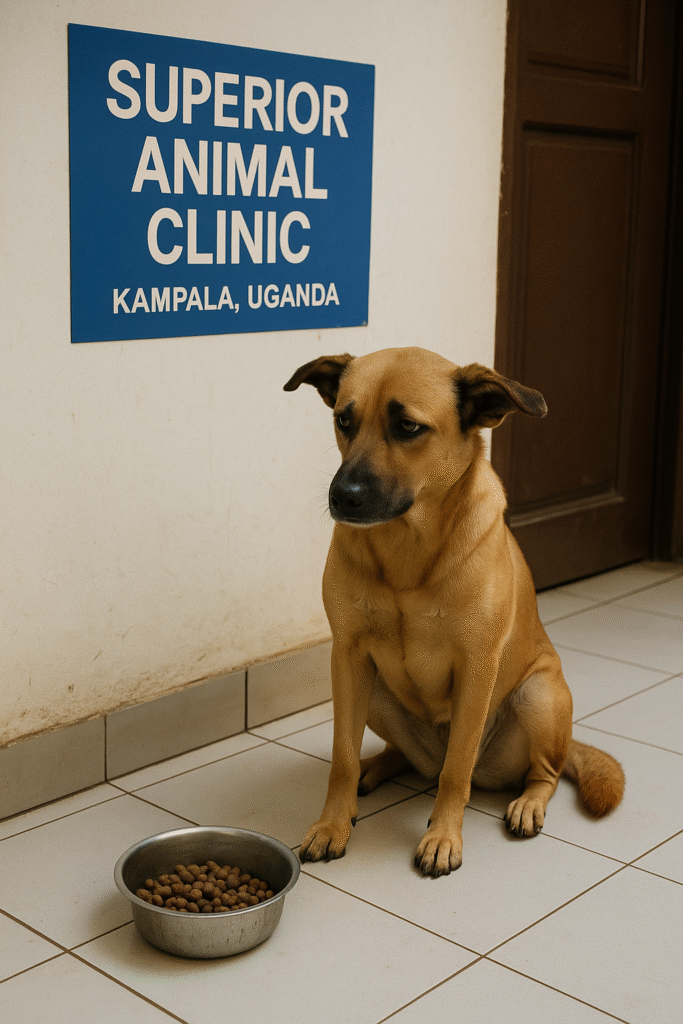
In Kampala and surrounding areas, veterinary clinics such as Superior Animal Clinic in Makindye along Salaama Road regularly diagnose and manage prostate diseases in dogs. Early consultation helps prevent complications and allows proper monitoring of aging male dogs.
While prostate cancer in dogs cannot always be completely prevented, regular veterinary care, proper nutrition, early treatment of infections, and careful monitoring of older dogs can significantly reduce the risk of serious prostate problems. Awareness among dog owners in Uganda remains one of the most important steps in protecting the health and well-being of their dogs.
FAQs About Prostate Cancer in Dogs in Uganda
1. My dog has prostate cancer, which veterinary hospital do you recommend in Kampala?
If your dog has been diagnosed with prostate cancer, it is important to seek care from an experienced veterinary clinic with the ability to properly diagnose and manage prostate diseases. In Kampala, many dog owners trust Superior Animal Clinic in Makindye along Salaama Road for the diagnosis and treatment of prostate problems in dogs. The clinic provides ultrasound diagnosis, medical treatment, pain management, and ongoing monitoring for dogs with prostate cancer. Pet owners from areas such as Muyenga, Ntinda, Buziga, Lubowa, Munyonyo, Kololo, Bugolobi, Rubaga, and Nsambya frequently visit the clinic for specialized dog care.
2. What is the cost of treating prostate cancer in dogs in Uganda?
The cost of treating prostate cancer in dogs in Uganda depends on the stage of the disease, the medications required, and the diagnostic tests performed. In most veterinary clinics in Kampala, the average cost of treatment ranges between 125,000 and 450,000 Ugandan shillings. This cost may include consultation, ultrasound examination, medications such as anti-inflammatory drugs and antibiotics, and follow-up monitoring.
3. Is prostate cancer painful for dogs?
Yes, prostate cancer can be painful for dogs, especially as the disease progresses. The tumor may press on surrounding tissues, nerves, and bones, causing discomfort. Dogs may show signs such as difficulty urinating, straining when passing stool, reduced movement, or weakness in the hind legs. Veterinarians usually prescribe pain management medications to keep the dog comfortable and improve quality of life.
4. Can prostate cancer in dogs be cured?
In most cases, prostate cancer in dogs cannot be completely cured because it is usually diagnosed after it has already spread to other organs. However, veterinary treatment can help slow the progression of the disease, manage pain, and improve the dog’s quality of life for several months or longer depending on the case.
5. How can I tell if my dog might have prostate cancer?
Some of the common warning signs include difficulty urinating, blood in urine, straining to pass stool, constipation, weight loss, and hind leg weakness. If your dog shows any of these symptoms, especially if it is an older male dog, you should take it to a veterinary clinic in Kampala for examination and diagnosis.
6. What dog breeds in Uganda are more likely to develop prostate cancer?
Large dog breeds commonly kept for security in Uganda appear to be more affected. These include German Shepherds, Boerboels, Rottweilers, Dobermans, and Labrador Retrievers. However, prostate cancer can still occur in mixed-breed dogs and smaller breeds.
7. At what age do dogs usually develop prostate cancer?
Most dogs diagnosed with prostate cancer are older than 8 to 10 years. However, although it is rare, younger dogs can sometimes develop the disease.
8. Can neutered dogs get prostate cancer?
Yes. Neutered dogs can still develop prostate cancer, although neutering helps prevent other prostate diseases such as benign prostate enlargement.

9. How do veterinarians diagnose prostate cancer in dogs in Uganda?
Veterinarians usually diagnose prostate cancer through a combination of physical examination, ultrasound scanning, X-rays, urine tests, and sometimes biopsy of prostate tissue. These tests help confirm whether the prostate is enlarged, infected, or cancerous.
10. When should I take my dog to a vet for prostate problems in Kampala?
You should seek veterinary care immediately if your dog shows symptoms such as blood in urine, difficulty urinating, constipation, hind leg weakness, or loss of appetite. Early veterinary examination can help detect prostate diseases before they become severe.
Conclusion
Prostate cancer in dogs is a rare but aggressive disease that mainly affects older male dogs. Because early symptoms are subtle, many dogs in Uganda are diagnosed late, when the disease has already spread.
Dog owners should watch for warning signs such as difficulty urinating, blood in urine, constipation, weight loss, and hind leg weakness.
Early veterinary diagnosis can help manage the disease and improve a dog’s quality of life.
If you suspect your dog may have prostate problems, it is important to seek veterinary care immediately. Experienced veterinarians at Superior Animal Clinic in Makindye, Kampala provide professional diagnosis and treatment for prostate diseases and other serious health conditions affecting dogs across Uganda.
Awareness, early detection, and proper veterinary care remain the best tools for protecting the health of dogs in Uganda.