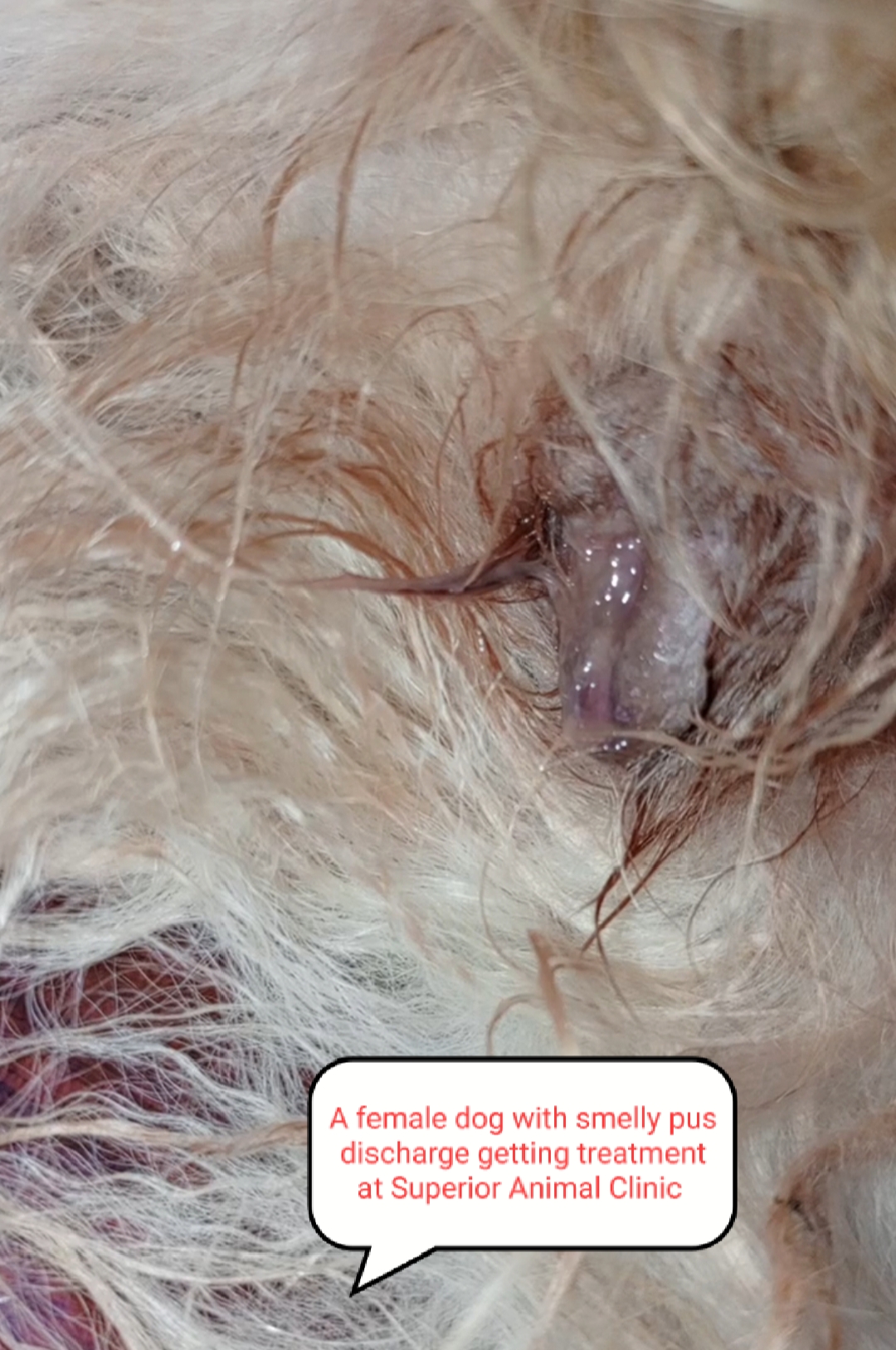
A smelly discharge coming from your female dog is one of those signs that should immediately get your attention. Many dog owners in Kampala and surrounding areas like Makindye, Ntinda, and Kawempe often assume it is just part of the normal heat cycle—but in reality, a foul-smelling, pus-like discharge is almost always a sign that something is seriously wrong.
In a healthy female dog, discharge during heat is usually mild, blood-tinged, and not offensive in smell. However, when the discharge becomes thick, yellowish, greenish, or brown and carries a strong rotten odor, it is no longer normal. This is your dog’s way of signaling that there could be a serious infection inside her reproductive system, most commonly a dangerous condition known as pyometra.
What makes this condition especially concerning in Uganda is that many dogs are not spayed, and routine veterinary checkups are often delayed. As a result, infections can develop silently and only become obvious when they are already advanced. By the time most owners notice the smell or discharge, the infection may have already spread, putting the dog’s life at risk.
⚠️ This is not a condition to monitor at home or treat with over-the-counter remedies. In many cases, it is a medical emergency that can worsen within days or even hours. Early recognition and immediate veterinary care can be the difference between saving your dog’s life and losing her.
Understanding what this discharge means, what causes it, and how quickly to act is critical for every dog owner.
What is Smelly Pus Discharge in Female Dogs?
Smelly pus discharge in female dogs refers to the release of abnormal, infected fluid from the vulva. This discharge is usually thick, sticky, and has a strong, unpleasant odor that is very different from anything seen during a normal heat cycle.
In simple terms, this type of discharge is made up of pus, which contains bacteria, dead cells, toxins, and inflammatory fluids. It is the body’s response to an infection—most commonly inside the uterus (as seen in pyometra), but it can also come from the vagina or urinary tract.
Why the Smell Matters
The smell is one of the most important warning signs. A rotten, fishy, or decaying odor almost always indicates bacterial infection. The stronger the smell, the more severe the infection is likely to be.
👉 Key point: Normal reproductive discharge in dogs should never have a strong offensive smell.
Understanding Discharge Colors and What They Mean
The color of the discharge can give you important clues about what is happening inside your dog’s body:
1. Yellow Discharge
- Often indicates pus formation due to bacterial infection
- Common in early or moderate infections such as vaginitis or early pyometra
- Usually accompanied by a mild to strong odor
2. Green Discharge
- Suggests a more severe infection
- Often seen in advanced uterine infections like pyometra
- May indicate the presence of dead tissue and heavy bacterial load
⚠️ This is a serious warning sign and requires urgent veterinary attention.
3. Brown Discharge
- Typically indicates old blood mixed with infection
- Common in long-standing infections
- May mean the condition has been developing for some time
4. Bloody or Reddish Discharge
- Can be confusing because it may resemble heat
- If it has a bad smell or abnormal thickness, it is likely not normal heat
- Could indicate infection, uterine disease, or trauma
5. Creamy or Milky Discharge
- Often seen in vaginal infections (vaginitis)
- Usually less severe than pyometra but still requires treatment
6. Thick, Sticky Pus (Yellow-Green Mix)
- Strongly associated with pyometra (uterine infection)
- Usually foul-smelling and persistent
- A clear medical emergency in many cases
Normal vs Abnormal Discharge
| Feature | Normal Heat Discharge | Abnormal (Infection) Discharge |
| Color | Light red/pink | Yellow, green, brown, or mixed |
| Smell | Mild or none | Strong, foul, rotten |
| Consistency | Thin | Thick, sticky, pus-like |
| Duration | Short (during heat) | Persistent or worsening |
👉 If you notice any of these discharge types, especially green, brown, or foul-smelling pus, seek veterinary care immediately.
Common Causes of Smelly Discharge in Female Dogs in Uganda
When a female dog develops a foul-smelling discharge, it’s almost always a sign of an underlying medical problem.
Understanding the common causes—and how to recognize each one—can help you act quickly and save your dog’s life.
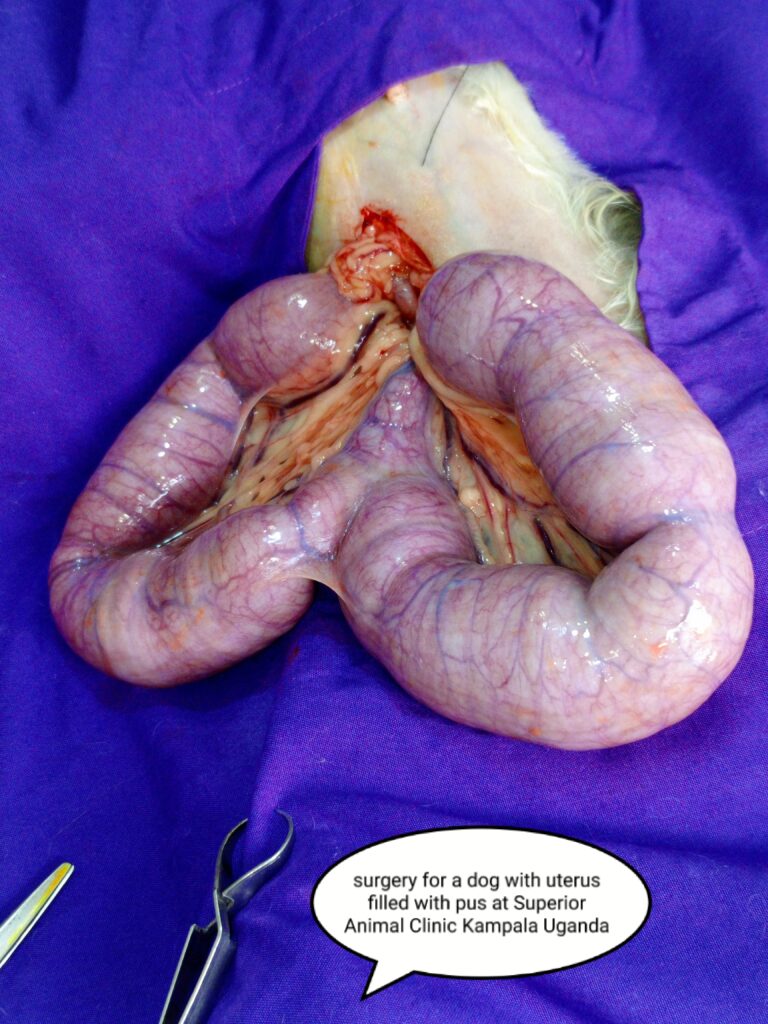
1. Pyometra (Most Common and Most Dangerous)
This is by far the leading cause of smelly discharge in female dogs in Uganda.
What it is:
A severe infection where the uterus fills with pus, usually occurring 2–8 weeks after a heat cycle.
Why it happens:
Hormonal changes after heat make the uterus vulnerable to bacterial infection—especially in dogs that are not spayed.
How to tell it’s pyometra:
- Thick, foul-smelling discharge (yellow, green, or brown)
- Dog recently finished heat
- Lethargy and weakness
- Loss of appetite
- Increased thirst and urination
- Vomiting in advanced cases
- Sometimes a swollen abdomen
⚠️ If the cervix is closed (closed pyometra), you may not see any discharge at all, making it even more dangerous.
👉 Key clue: A sick dog a few weeks after heat = always suspect pyometra.
2. Vaginitis (Vaginal Infection)
What it is:
Inflammation or infection of the vagina, commonly seen in puppies and young adult dogs, but can affect any age.
Why it happens:
- Poor hygiene
- Bacterial infection
- Anatomical issues
- Irritation from the environment (dust, dirt, urine)
How to tell it’s vaginitis:
- Mild to moderate discharge (often creamy, white, or slightly yellow)
- Dog is otherwise active and eating normally
- Frequent licking of the vulva
- No severe weakness or vomiting
👉 Key difference from pyometra: The dog usually looks bright and active, not seriously ill.
3. Urinary Tract Infection (UTI)
What it is:
An infection of the bladder or urinary tract that can sometimes be mistaken for vaginal discharge.
Why it happens:
- Bacterial contamination
- Poor hygiene
- Holding urine for too long
How to tell it’s a UTI:
- Frequent urination (small amounts)
- Straining to urinate
- Blood in urine
- Discharge may appear watery and mixed with urine
- Mild odor, not as strong as pyometra
👉 Key clue: The main problem is urination, not general sickness.
4. Reproductive Infections (e.g., Brucellosis)
What it is:
A bacterial infection affecting the reproductive system, especially in breeding dogs.
Why it happens:
- Mating with infected dogs
- Poor breeding management
How to tell:
- Persistent discharge that doesn’t go away
- History of infertility, abortions, or failed pregnancies
- Mild to moderate odor
- Dog may not appear severely sick initially
⚠️ Important: This disease can spread to humans, so caution is needed.
5. Vaginal Injury or Foreign Objects
What it is:
Physical damage or irritation inside the vaginal area.
Common in Uganda due to:
- Grass seeds
- Sticks or debris
- Rough mating
- Outdoor roaming
How to tell:
- Sudden onset of discharge
- May contain blood
- Dog shows pain when touched
- Excessive licking
- Sometimes swelling of the vulva
👉 Key clue: Symptoms start suddenly, often after roaming or mating.
Putting It All Together (Quick Guide)
- Very sick dog + foul smell + recent heat → likely pyometra (emergency)
- Active dog + mild discharge → likely vaginitis
- Frequent urination + discomfort → likely UTI
- Breeding issues + persistent discharge → possible brucellosis
- Sudden discharge + pain → possible injury or foreign body
Signs and Symptoms to Watch
Watch closely for these warning signs:
- Strong, foul-smelling discharge
- Excessive licking of the genital area
- Fever
- Loss of appetite
- Increased thirst and urination
- Vomiting
- Weakness or lethargy
- Swollen abdomen (very serious sign)
Types of Pyometra (Critical Section)
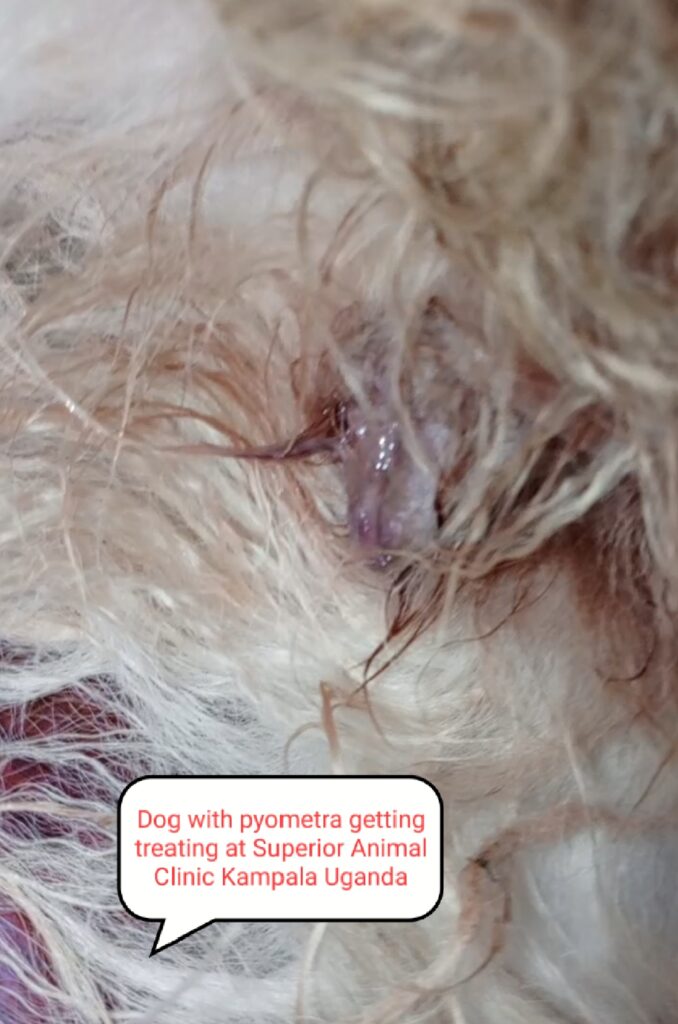
Open Pyometra
- Pus drains out of the vulva
- Easier to detect early
- Slightly better prognosis
Closed Pyometra
- No visible discharge
- Pus trapped inside uterus
- Very dangerous and fast-progressing
⚠️ Many dogs in Uganda die from closed pyometra because owners wait for discharge that never appears.
Why is Smelly Discharge Common Among Female Dogs in Uganda?
Smelly discharge in female dogs—especially due to infections like pyometra—is surprisingly common in Uganda, and this is not by chance. It is the result of several everyday practices, environmental factors, and gaps in routine veterinary care. Understanding these reasons can help dog owners prevent a condition that is often life-threatening.
1. Low Rates of Spaying
One of the biggest reasons is that many female dogs in Uganda are not spayed. In areas like Kampala, Makindye, Nakawa, and Rubaga, dogs are often kept for security or breeding, and spaying is not prioritized.
Every time a female dog goes through a heat cycle without getting pregnant, hormonal changes occur in the uterus. Over time, these repeated cycles cause:
- Thickening of the uterine lining
- Fluid accumulation
- Increased susceptibility to bacterial infection
👉 This creates the perfect environment for pyometra, which leads to smelly pus discharge.
2. Use of Hormonal Drugs to Prevent Pregnancy
In many Ugandan households, dog owners use hormonal injections or tablets to stop their dogs from getting pregnant.
While this may seem convenient, it is one of the most dangerous risk factors for uterine infections.
These drugs:
- Disrupt normal reproductive hormones
- Cause abnormal changes in the uterus
- Increase the chances of pus accumulation
⚠️ Dogs given these drugs repeatedly are at a very high risk of developing pyometra.
3. Limited Routine Veterinary Checkups
Unlike in some countries where pets get regular health checkups, many dogs in Uganda are only taken to the vet when they are already sick.
This means:
- Early infections go unnoticed
- Mild discharge is ignored until it becomes severe
- Conditions like pyometra are detected too late
Regular checkups could catch these problems early before they become life-threatening.
4. Delayed Treatment Due to Cost Concerns
Cost is a real factor for many pet owners. In places like Kawempe and Kireka, some owners may delay visiting a veterinary clinic because they are worried about expenses.
Unfortunately, this delay often leads to:
- Worsening infection
- Spread of bacteria into the bloodstream (sepsis)
- Higher treatment costs later
💡 Ironically, delaying treatment makes it more expensive and more dangerous.
5. Free-Roaming and Uncontrolled Breeding
Many dogs in Uganda are allowed to roam freely, especially in semi-urban and peri-urban areas.
This increases the risk of:
- Exposure to infections from other dogs
- Mating-related injuries
- Transmission of reproductive diseases
Uncontrolled breeding also means repeated heat cycles and pregnancies, which can weaken the reproductive system over time.
6. Lack of Awareness About Early Warning Signs
A major contributing factor is that many dog owners do not recognize smelly discharge as a danger sign.
Common misconceptions include:
- Thinking it is just normal heat
- Assuming the dog will heal on its own
- Trying home remedies first
By the time the smell becomes strong and the dog becomes weak, the condition is often already advanced.
7. Environmental and Hygiene Factors
In some settings, dogs live in environments where hygiene is not optimal.
- Dirty sleeping areas
- Exposure to contaminated surfaces
- Poor grooming
These conditions can contribute to bacterial infections, especially in the genital area.
The Bottom Line
Smelly discharge in female dogs is common in Uganda because of a combination of hormonal, environmental, and management factors. Most of these causes are preventable with proper care.
👉 The key message for dog owners is simple:
- Spay your dog if you are not breeding
- Avoid hormonal drugs
- Act quickly when you notice any abnormal discharge
Early action can prevent a serious infection from turning into a life-threatening emergency.
How to Treat Smelly Discharge in Female Dogs in Uganda
Treating smelly discharge in female dogs depends on the underlying cause, but in Uganda, the majority of serious cases are linked to pyometra (uterine infection). Because this condition can become fatal very quickly, treatment must be prompt, targeted, and done under veterinary supervision.
Below is a clear, practical guide to how veterinarians in Kampala typically manage these cases.
1. Emergency Treatment for Pyometra (Most Common Scenario)
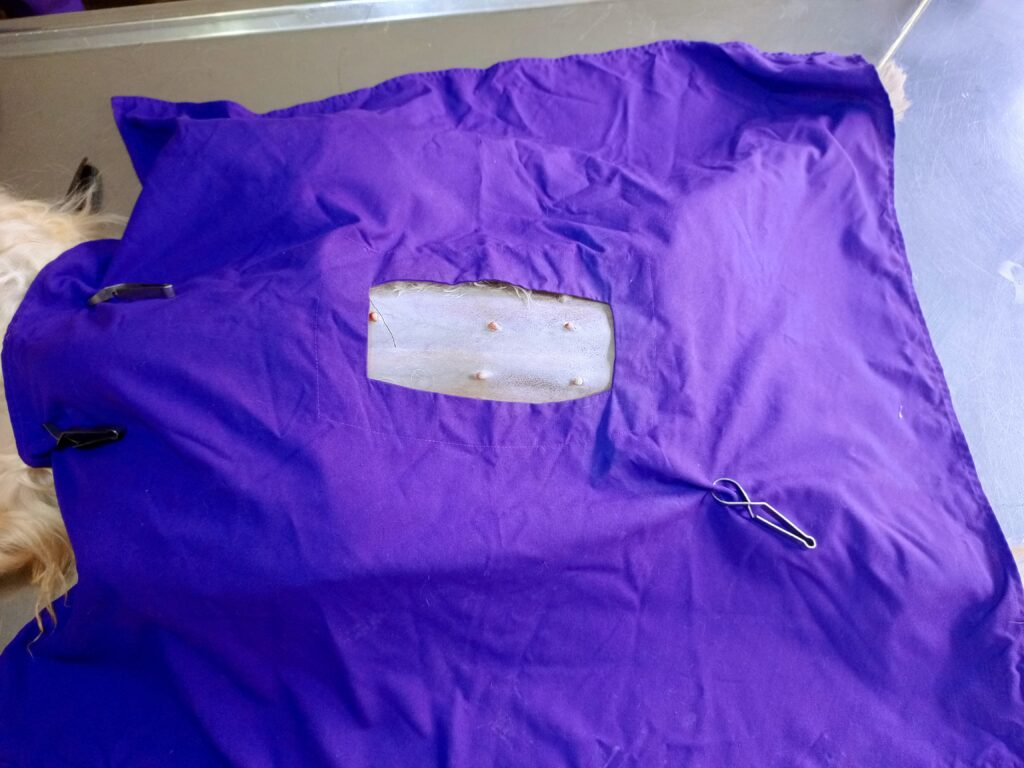
✅ Surgery (Ovariohysterectomy – Spaying)
This is the gold standard and most life-saving treatment.
What happens:
- The infected uterus and ovaries are completely removed
- Eliminates the source of infection permanently
- Prevents recurrence
How it is done:
- Dog is stabilized first (fluids, antibiotics)
- Surgery is performed under general anesthesia
- Hospitalization for 1–3 days may be needed
Cost in Uganda:
- UGX 250,000 – 850,000 depending on severity and clinic
💡 Dogs treated early recover faster and cost less to treat.
Supportive Medications (Before & After Surgery)
1. Antibiotics
Used to control infection and prevent spread.
Common options in Uganda:
- Amoxicillin + Clavulanic acid (e.g., Clavamox)
- Dose: 12.5–25 mg/kg, twice daily (every 12 hours)
- Duration: 7–14 days
- Cost: UGX 30,000 – 80,000
- Ceftriaxone injection
- Dose: 20–30 mg/kg, once daily (IV or IM)
- Duration: 3–5 days initially
- Cost: UGX 10,000 – 25,000 per day
- Enrofloxacin (e.g., Baytril)
- Dose: 5–10 mg/kg, once daily
- Used in more severe infections
- Cost: UGX 20,000 – 60,000
2. Pain Management
- Meloxicam
- Dose: 0.1 mg/kg, once daily
- Duration: 3–5 days
- Cost: UGX 10,000 – 30,000
3. IV Fluids
- Used for dehydrated or weak dogs
- Common fluids: Normal saline or Ringer’s lactate
- Cost: UGX 30,000 – 100,000 depending on duration
2. Medical (Non-Surgical) Treatment – Limited Cases
⚠️ This option is not recommended in most Ugandan settings because of high risk of relapse and death.
Used only if:
- Dog is needed for breeding
- Condition is detected very early
- Open pyometra (discharge visible)
Drugs Used:
1. Prostaglandins (e.g., PGF2α)
- Helps expel pus from uterus
- Given as injections once daily for several days
- Requires close monitoring (can cause side effects like vomiting, restlessness)
2. Antibiotics
- Same as listed above
- Must be given for longer duration (2–3 weeks)
Cost:
- UGX 150,000 – 400,000
⚠️ High failure rate and recurrence is common. Surgery is still the best option.
3. Treatment for Other Causes of Smelly Discharge
a) Vaginitis
Treatment:
- Amoxicillin or Enrofloxacin (same doses as above)
- Vaginal flushing with mild antiseptics (done by a vet)
Cost:
- UGX 50,000 – 150,000
b) Urinary Tract Infection (UTI)
Treatment:
- Amoxicillin-clavulanic acid or Nitrofurantoin
- Given twice daily for 7–10 days
- Encourage water intake
Cost:
- UGX 40,000 – 120,000
c) Vaginal Injury or Foreign Body
Treatment:
- Removal of object (by vet)
- Antibiotics + anti-inflammatory drugs
Cost:
- UGX 50,000 – 200,000
What NOT to Do (Very Important in Uganda)
Many dog owners in areas like Makindye, Kireka, and Nansana make these dangerous mistakes:
❌ Using herbs or local remedies
❌ Washing the dog internally
❌ Giving random antibiotics without diagnosis
❌ Waiting for the discharge to stop on its own
👉 These actions often delay proper treatment and lead to death.
Where to Get Reliable Treatment in Uganda
For safe, effective, and professional management of pyometra and other reproductive infections, many pet owners trust
Superior Animal Clinic.
How to Prevent Smelly Discharge in Female Dogs (Uganda Guide)
Preventing smelly pus discharge in female dogs starts with understanding that most of these cases—especially pyometra—develop silently over time and only become obvious when the infection is already advanced. In Uganda, where many dogs are not routinely spayed and veterinary visits are often delayed, prevention is the most powerful and cost-effective way to protect your dog.
Here’s how you can reduce the risk in a practical, Ugandan setting:
1. Spay Your Female Dog Early (Most Effective Prevention)
The single best way to prevent smelly discharge caused by pyometra is spaying (removal of the uterus and ovaries).
- Completely eliminates the risk of uterine infections
- Prevents repeated heat cycles that stress the reproductive system
- Reduces long-term veterinary costs
In areas like Makindye, Nsambya, and Kireka where many dogs are kept for security or breeding, spaying is often delayed—but this significantly increases the risk of life-threatening infections later.
👉 Best practice: Spay your dog before or shortly after her first heat cycle.
2. Avoid Hormonal Drugs to Prevent Pregnancy
In Uganda, it is common for dog owners to use hormonal injections or tablets to stop dogs from getting pregnant. While this may seem convenient, it is one of the leading causes of pyometra.
- These drugs disrupt normal hormones
- They cause thickening of the uterine lining
- They create a perfect environment for bacterial infection
⚠️ Important: Avoid using these drugs unless prescribed by a qualified veterinarian—and even then, they are rarely recommended.
3. Closely Monitor Heat Cycles
Every time your dog goes into heat, her uterus becomes more vulnerable to infection.
- Keep track of when heat starts and ends
- Watch for abnormal discharge 2–8 weeks after heat
- Ensure proper hygiene during this period
Dog owners in Bweyogerere and Nansana often allow dogs to roam during heat, increasing exposure to infections and mating-related injuries.
👉 Tip: Restrict movement during heat and keep your dog in a clean, controlled environment.
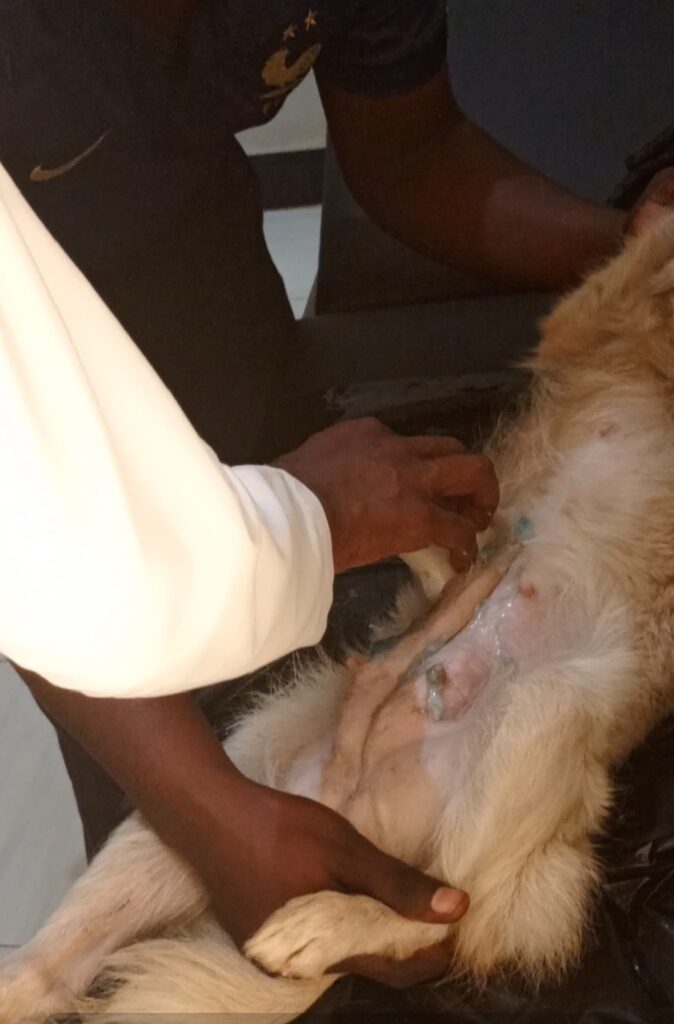
4. Maintain Good Hygiene and Living Conditions
Dirty environments increase the risk of bacteria entering the reproductive tract.
- Keep your dog’s sleeping area clean and dry
- Avoid muddy, contaminated resting areas
- Regularly clean the rear area, especially during heat
In many Ugandan homes where dogs stay outdoors, exposure to dust, stagnant water, and waste can easily lead to infections.
5. Schedule Regular Veterinary Checkups
Routine checkups are often overlooked in Uganda, but they can detect early signs of infection before they become serious.
- At least 1–2 vet visits per year
- Post-heat checkups are especially important
- Early diagnosis reduces treatment costs
Clinics like Superior Animal Clinic provide routine reproductive health checks that can catch problems early.
6. Avoid Uncontrolled Breeding
Frequent or poorly managed breeding increases the risk of reproductive infections.
- Avoid mating with unknown or infected dogs
- Ensure proper timing and hygiene during breeding
- Give the uterus time to recover between cycles
👉 In Uganda, free-roaming dogs often mate without supervision, increasing the risk of infections like brucellosis and uterine contamination.
7. Act Early After Any Abnormal Signs
Prevention is not just about avoiding disease—it’s also about acting quickly at the first warning sign.
- Do not ignore mild discharge
- Do not wait for it to “go away”
- Early treatment prevents severe infections
Most cases of smelly discharge—especially pyometra—are preventable with simple steps like spaying, avoiding hormonal drugs, and paying close attention after heat cycles.
🐾 A small decision today, like spaying or early checkups, can save your dog’s life tomorrow.
Dog Breeds in Uganda More Prone to Pyometra
While any dog can develop pyometra, higher risk is seen in:
- German Shepherd – hormonal sensitivity, common in urban homes
- Rottweiler – large breed, strong hormonal cycles
- Boerboel – popular in Uganda, often not spayed
- Labrador Retriever – prone due to repeated heat cycles
- Local mixed breeds (commonly called “kampala dogs”)
Why?
- Repeated heat cycles without pregnancy
- Hormonal changes affecting the uterus
- Lack of spaying
FAQs: Smelly Pus Discharge in Female Dogs (Uganda Guide)
1. How much does it cost to treat a dog with smelly discharge in Kampala, Uganda?
The cost depends on the cause and how advanced the condition is:
- Consultation & diagnosis: UGX 50,000 – 150,000
- Medications (mild infections): UGX 100,000 – 300,000
- Pyometra surgery (emergency): UGX 250,000 – 850,000
👉 In Kampala, early treatment is always cheaper. Delaying care often leads to emergency surgery, which is more expensive and risky.
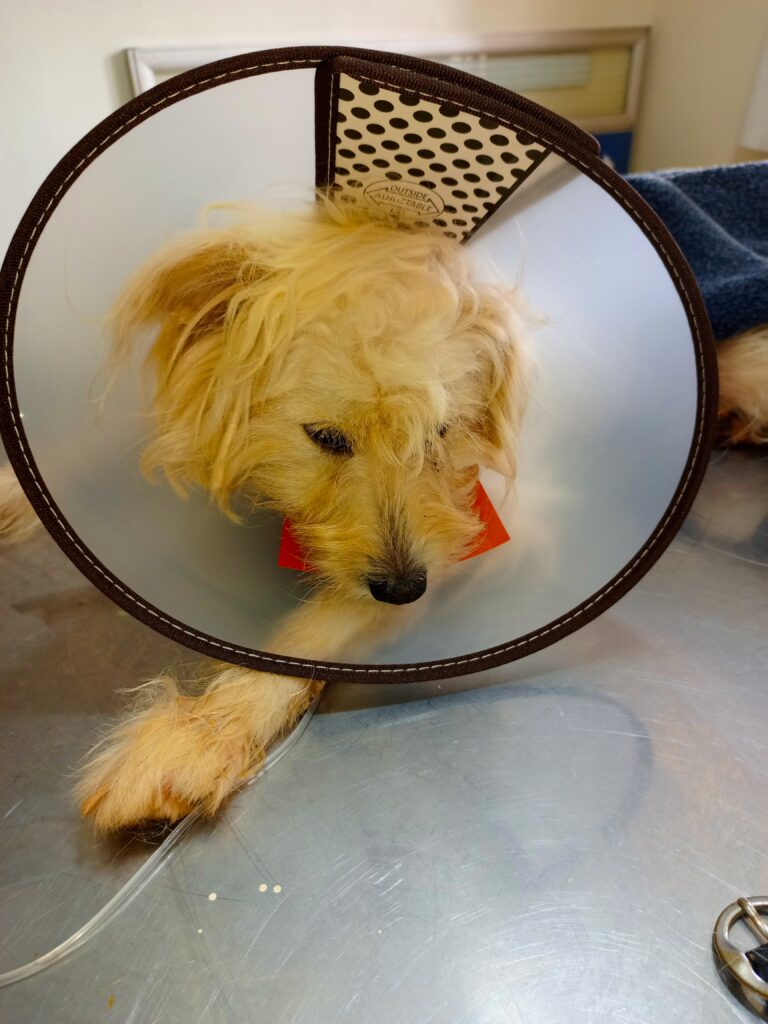
2. My dog Lulu has had a strong smelly discharge for 3 weeks. What should I do?
A 3-week history of foul-smelling discharge is very serious and strongly suggests a uterine infection like pyometra.
- Do NOT wait any longer
- Do NOT try home remedies
- Your dog needs immediate veterinary attention
Since you are in Muyenga, you can quickly access professional care at
Superior Animal Clinic, where emergency reproductive cases are handled daily.
👉 This condition can worsen suddenly—even if your dog still looks stable.
3. Who is the best dog gynecologist in Uganda?
One of the most trusted veterinary professionals for reproductive cases in dogs is:
- Dr. Edward at Superior Animal Clinic
- 📞 +256 771 909946
He has extensive experience managing pyometra, difficult reproductive infections, and emergency surgeries in dogs across Uganda.
4. Is smelly discharge in female dogs ever normal?
No. A foul-smelling discharge is never normal.
Normal heat discharge may be slightly bloody but should not have a bad odor.
5. How do I know if my dog has pyometra?
Common signs include:
- Foul-smelling discharge
- Loss of appetite
- Increased thirst
- Weakness or lethargy
- Swollen abdomen (late stage)
👉 If your dog recently finished heat and shows these signs, suspect pyometra immediately.
6. Can I treat my dog’s smelly discharge at home?
No. This is a medical condition that requires veterinary care.
- Home remedies delay treatment
- Infection can spread to the bloodstream
- Delay can lead to death
7. How fast can pyometra kill a dog?
Pyometra can become fatal within 2–5 days once severe infection sets in.
Closed pyometra (no visible discharge) can progress even faster.
8. Can antibiotics alone cure smelly discharge or pyometra?
In most cases, no.
- Antibiotics may temporarily reduce symptoms
- The infection often returns
- Surgery is the most effective and permanent solution
9. Why is pyometra so common in Uganda?
- Many dogs are not spayed
- Use of hormonal drugs to prevent pregnancy
- Delayed veterinary visits
- Free roaming and uncontrolled breeding
10. Can a young dog get smelly discharge or pyometra?
Yes, but it is more common in adult and older unspayed dogs.
However, even younger dogs can develop infections, especially if hormonal drugs are used.
11. Can spaying completely prevent this condition?
Yes. Spaying removes the uterus and ovaries, which means:
- No pyometra
- No uterine infections
- No heat cycles
👉 It is the most effective prevention method.
12. What should I do if I notice discharge at night or when clinics are closed?
- Keep your dog calm and hydrated
- Do not give random medications
- Seek veterinary care as soon as possible
👉 If symptoms are severe (vomiting, weakness, collapse), treat it as an emergency immediately.
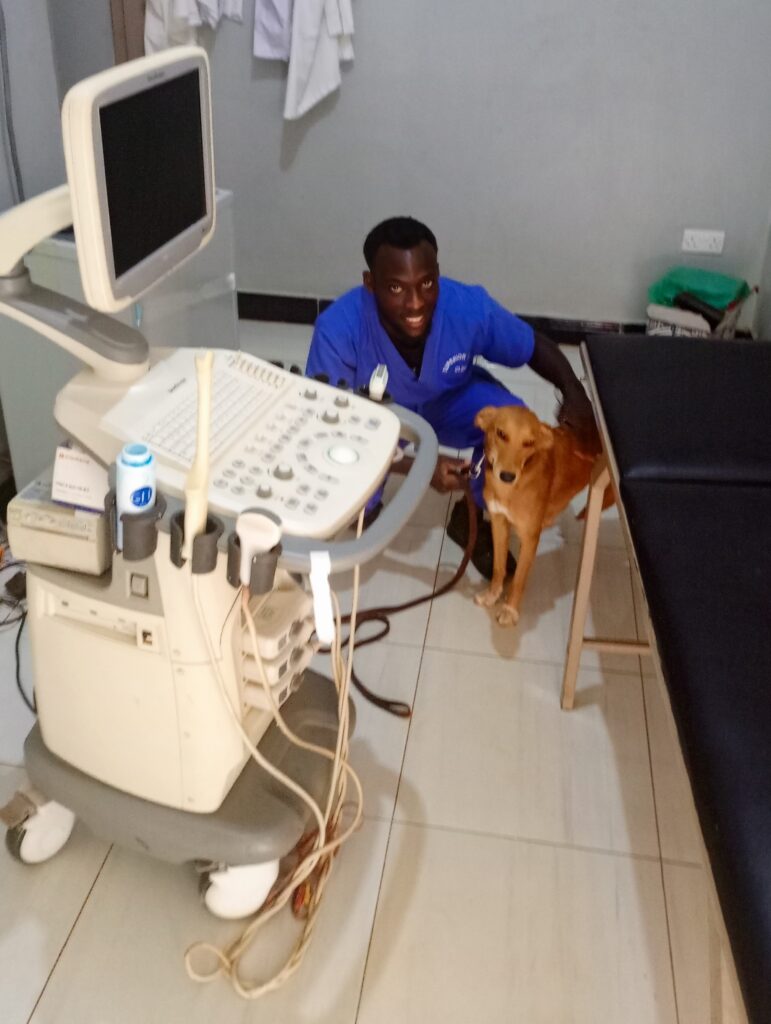
13. When is the best time to spay my female dog in Uganda?
The best time is before or shortly after the first heat cycle.
- Reduces risk of pyometra and other infections
- Faster recovery compared to older dogs
- More affordable than emergency surgery later
Clinics like Superior Animal Clinic can guide you on the safest timing for your dog.
Conclusion
Smelly pus discharge in female dogs is never normal. In Uganda, it is most commonly caused by pyometra, a life-threatening condition that requires urgent veterinary care.
If you act early, your dog’s life can be saved. Delays can be fatal.
For trusted, experienced care in Kampala,
Superior Animal Clinic remains one of the top choices for diagnosing and treating pyometra and other reproductive emergencies in dogs.
🐾 Your dog depends on you—don’t ignore the warning signs.