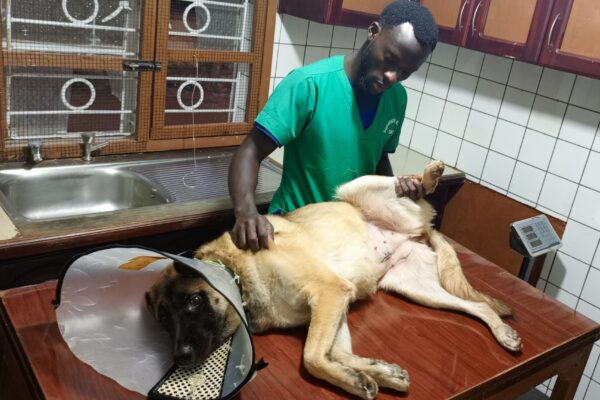
One of the most frightening moments for any pet owner is realizing that their dog or cat may have eaten something harmful. Poisoning can happen quickly, and the actions taken in the first few minutes can make a big difference in the outcome.
In Uganda, there is a belief that milk and charcoal can cure poison in animals. So you may ask “does giving my pet milk or charcoal help after poisoning?” In this article, we explain quick first aid steps, common causes of poisoning, and when you should seek veterinary help.
How Do I Know If My Pet Has Been Poisoned?
Signs of poisoning can vary depending on what your pet has eaten or been exposed to. Common warning signs include:
- Vomiting or diarrhea
- Excessive drooling
- Weakness or unusual tiredness
- Loss of appetite
- Trembling or seizures
- Difficulty walking or poor coordination
- Breathing problems
- Changes in behavior
- Sudden collapse
Sometimes symptoms appear immediately, while in other cases they may take hours or even days to develop. This is why possible poisoning should always be taken seriously.
Quick first aid: What can I do before reaching the Vet?
When poisoning happens, the first few minutes matter. Here are some steps you can take while arranging veterinary help:
1. Remove the poison source
Move your pet away from the substance to prevent further exposure. If possible, safely remove any remaining poison from their reach.
2. Give activated charcoal (Only when advised by vet)
Activated charcoal (fine smashed charcoal) can help in some poisoning cases because it can bind certain toxins in the stomach and reduce their absorption.
However, it does not work for all poisons and should not be given if your pet is unconscious, struggling to swallow, or has difficulty breathing.
The correct amount depends on the pet’s size and the type of poison involved. It is best to contact a veterinarian for guidance before giving charcoal.
3. Does milk help a poisoned pet?
Many people believe milk is a universal remedy for poisoning, but this is not always true.
Milk may sometimes dilute or soothe irritation from certain substances, but it does not neutralize most poisons. In some cases, giving milk can delay proper treatment or worsen digestive upset.
Do not rely on milk as the main treatment. Contact a veterinarian as soon as possible.
4. Do not force vomiting without advice
Making a pet vomit may be dangerous depending on what they swallowed. Some chemicals can cause more damage when brought back up.
Always seek veterinary advice before attempting to induce vomiting.
Common causes of pet poisoning
Pets, especially puppies and kittens, are naturally curious. They may chew, lick, or swallow things that can harm them. Dont blame or punish them when they encounter poison, just rush to the veterinian to get immediate help
1. Human medicines
Painkillers, supplements, and other human medications can be harmful to pets even in small amounts. Thats whwy, never give your dog human medication . If you had it in mind Can I Use Human Family Planning Methods on My Pets?
2. Rat poison (most common and deadly)
Rodent poisons can cause serious health problems when pets accidentally eat them or eat poisoned rodents.
3. Household chemicals
Cleaning products, detergents, pesticides, and other chemicals can irritate or damage a pet’s body.
4. Toxic foods
Some foods that humans enjoy can be dangerous for dogs and cats. Always check before sharing food with your pet. Chocolate is one the most toxic foods for a dog.
5. Insecticides and tick treatments
Some pest-control products can become poisonous if used incorrectly or if pets lick treated areas.
6. Poisonous plants
Certain indoor and outdoor plants can cause illness when pets chew or swallow them.
7. Farm and garden products
Fertilizers, herbicides, and other agricultural chemicals can be dangerous if pets come into contact with them.
What should I do immediately if my pet is poisoned?
Identify What Was Consumed
Try to find out:
- What substance your pet was exposed to
- How much was eaten
- When it happened
- Your pet’s age and weight
Keep the container, packaging, or a sample of the substance. This information helps the veterinarian decide on the best treatment. (Carry it to the veterinary)
Contact a veterinarian immediately
Do not wait until severe symptoms appear. Some poisons can cause internal damage before visible signs develop.
A veterinarian can guide you on the safest action and provide treatment based on the type of poison involved.
How do veterinarians treat pet poisoning?
Treatment depends on:
- The type of poison
- The amount consumed
- How long ago exposure happened
- The condition of the pet
A veterinarian may provide medications, supportive care, fluids, monitoring, and other treatments depending on the situation.
Early treatment usually gives pets a much better chance of recovery.
How can I prevent pet poisoning?
Pet owners can reduce risks by:
- Keeping medicines away from pets
- Storing chemicals safely
- Avoiding unsafe human foods
- Supervising young pets
- Keeping pesticides and rat poisons locked away
- Removing harmful plants from pet areas
When should I visit a veterinary clinic?
Seek veterinary attention immediately if:
- Your pet has swallowed an unknown substance
- Your pet shows signs of illness after eating something unusual
- You suspect exposure to poison, chemicals, or medication
- Your pet becomes weak, uncoordinated, or behaves differently
Final advice from Superior Animal Clinic
Pet poisoning can become serious quickly, but fast action can greatly improve the chances of recovery. While simple first aid steps like contacting a veterinarian and using appropriate measures may help, home remedies such as milk should not replace professional treatment.
At Superior Animal Clinic, we provide professional veterinary consultation, emergency care, and treatment for dogs, cats, and other pets. If you suspect your pet has been poisoned, seek veterinary help as soon as possible.