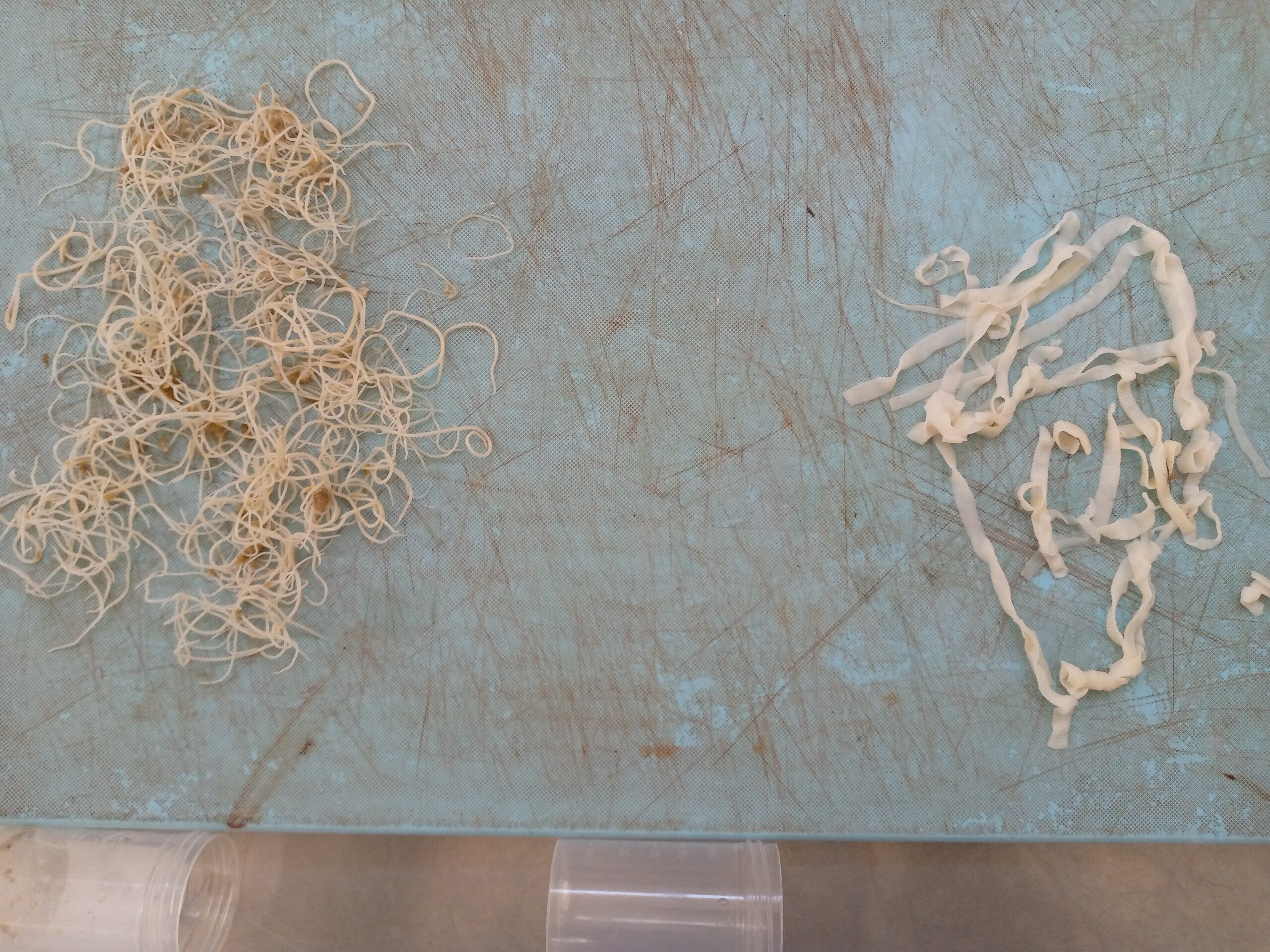
Ugandan pet owners love their animals dearly, and ensuring their health starts with one simple but powerful step—regular, monthly deworming.
In Uganda, especially in busy areas like Makindye, Kabalagala, Muyenga, Kansanga, Lubaga, Entebbe Road, Ntinda, and Ggaba, worms are a constant and serious threat to both pets and humans.
Because of our warm climate, heavy rainfall, free-roaming animals, and contaminated soil, worm infestations happen more often and spread much faster here than in colder countries.
That is why veterinarians across Uganda—including the team at Superior Animal Clinic Makindye along Salaama Road—strongly recommend monthly deworming for all dogs and cats. It is the safest, cheapest and most effective way to protect your pet from dangerous parasites.
Why Worm Infestations Are Common in Uganda
Uganda’s Tropical Climate
Uganda’s warm, humid weather creates the perfect environment for worms to thrive.
Parasite eggs and larvae survive for long periods in:
- Soil
- Roadside grass
- Puddles after rain
- Gardens and compounds
This means your pet can get infected even without direct contact with sick animals.
High Exposure in Kampala & Urban Areas
In Kampala, dogs and cats often come into contact with:
- Roadside grass and bushes
- Rubbish pits
- Boda boda stages
- Open drainage channels
- Markets
- Contaminated water
Stray dogs and cats roaming around neighbourhoods like Makindye, Kansanga, Kibuye, Katwe, Wandegeya, Bunga, Naguru, Ntinda, Nakawa, Kasubi, and Rubaga spread millions of parasite eggs in their stool.
At-Home Risks
Even indoor pets are exposed. Worm eggs can enter the home through:
- Contaminated shoes
- Compound soil
- Rodents and cockroaches
- Leftover food
- Fleas on carpets or furniture
This is why even “100% indoor cats” in Uganda still get worms.
Types of Worms That Commonly Affect Dogs and Cats in Uganda
Roundworms
- Cause swollen bellies in puppies
- Spread through soil, stool, and mother’s milk
- Can infect children (eye and organ damage)
Hookworms
- Cause severe anemia and bleeding
- Spread through soil or bare feet
- Dangerous to both pets and humans (skin penetration)
Tapeworms
- Spread by fleas and eating raw meat
- Cause weight loss, scooting, and itching
- Look like white rice grains in stool
Whipworms
- Found in soil around compounds
- Cause chronic diarrhoea and dehydration
- Hard to eliminate without monthly treatment
Heartworms
- Spread by mosquitoes
- Attack heart and lungs
- Can be fatal in dogs
- Very common around Lake Victoria, Ggaba, Munyonyo, and Muyenga due to mosquito populations
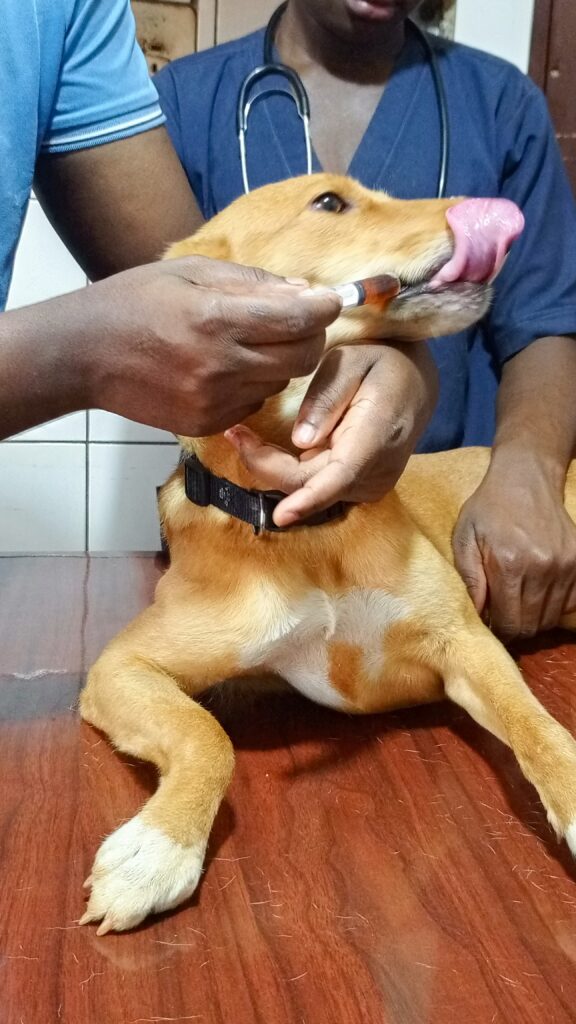
Most Common Types of Worms in Ugandan Dogs & Cats, and How They Get Them
Dogs and cats in Uganda commonly get worms by:
- Eating contaminated soil or grass
- Drinking dirty water
- Eating raw meat/offal
- Hunting rats, mice, or cockroaches
- Flea bites (tapeworms)
- Mosquitoes (heartworms)
- Contact with stray animals
- Stepping in infected poop during walks
Areas with high exposure include Makindye, Kisenyi, Katwe, Kansanga, Rubaga, Kabalagala, Kasubi, Kyebando, Kamwokya, and most suburbs with open drainage.
Dangers of Not Deworming Your Pet Monthly
Severe Health Damage to Your Pet
Untreated worms can cause:
- Internal bleeding
- Anemia
- Intestinal blockage
- Liver and lung damage
- Failure to grow (puppies/kittens)
- Death in severe cases
Worms Can Spread to Humans
Children are at highest risk because they play on the ground.
Zoonotic risks include:
- Hookworm penetration through skin
- Roundworm larval migration to eyes, brain, and organs
This is a major public health concern in Uganda.
Higher Vet Bills When Worms Are Treated Late
A simple UGX 10,000–25,000 monthly dewormer can save you from:
- Emergency care
- Blood transfusions
- Hospitalization
- Heartworm treatment (very expensive)
How Often Should You Deworm Pets in Uganda?
Why Monthly Deworming Is Recommended
Because Kampala has:
- High parasite exposure
- Contaminated soil
- Free-roaming animals
- Mosquitoes everywhere
Monthly deworming is the only effective prevention schedule.
Special Cases
- Puppies & kittens: every 2 weeks until 3 months
- Pregnant/lactating pets: vet-guided schedule
- Pets with fleas: must deworm monthly due to tapeworm risk
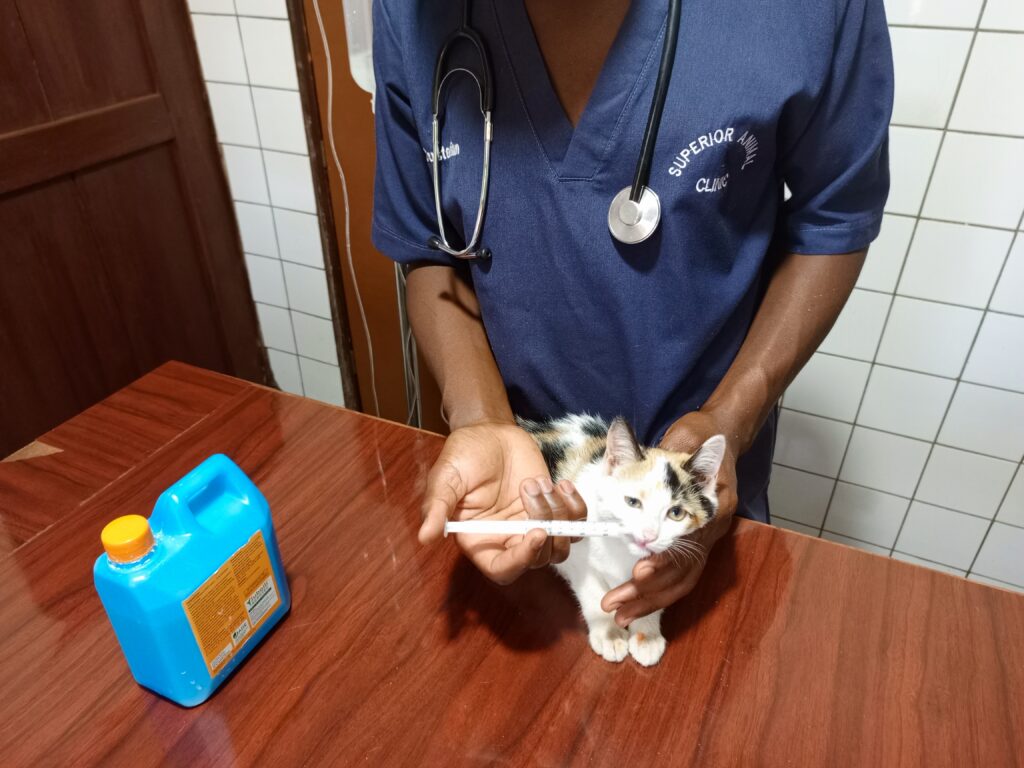
Signs Your Dog or Cat May Already Have Worms
Look out for:
- Pot belly
- Diarrhoea or blood in stool
- Weight loss
- Vomiting worms
- Pale gums (anemia)
- Scooting or excessive licking of anus
- Dull coat
- Visible worms in poop
- Coughing (heartworm)
If you notice any of these, visit Superior Animal Clinic Makindye immediately.
Recommended Deworming Schedule for Ugandan Pets
Dogs
- Monthly broad-spectrum dewormer
- Monthly heartworm prevention
- Monthly flea and tick control to prevent tapeworms
Cats
- Monthly deworming
- Monthly flea control (fleas thrive in Kampala households)
- Indoor cats still require the same schedule
Vet-Approved Deworming Products Commonly Used in Uganda
- Drontal (dogs/cats)
- Caniverm
- Simparica Trio (dogs)
- Albendazole (ONLY under veterinary supervision)
- Fenbendazole
- Praziquantel
- Piperazine
All available at Superior Animal Clinic (+256771909946).
Step-by-Step: How Deworming Is Done at a Veterinary Clinic in Uganda
- Pet’s accurate weight is taken
- Full health exam
- Correct dewormer chosen based on age/size/condition
- Tablet or suspension administered
- Next appointment scheduled
- Hygiene advice given for home and compound
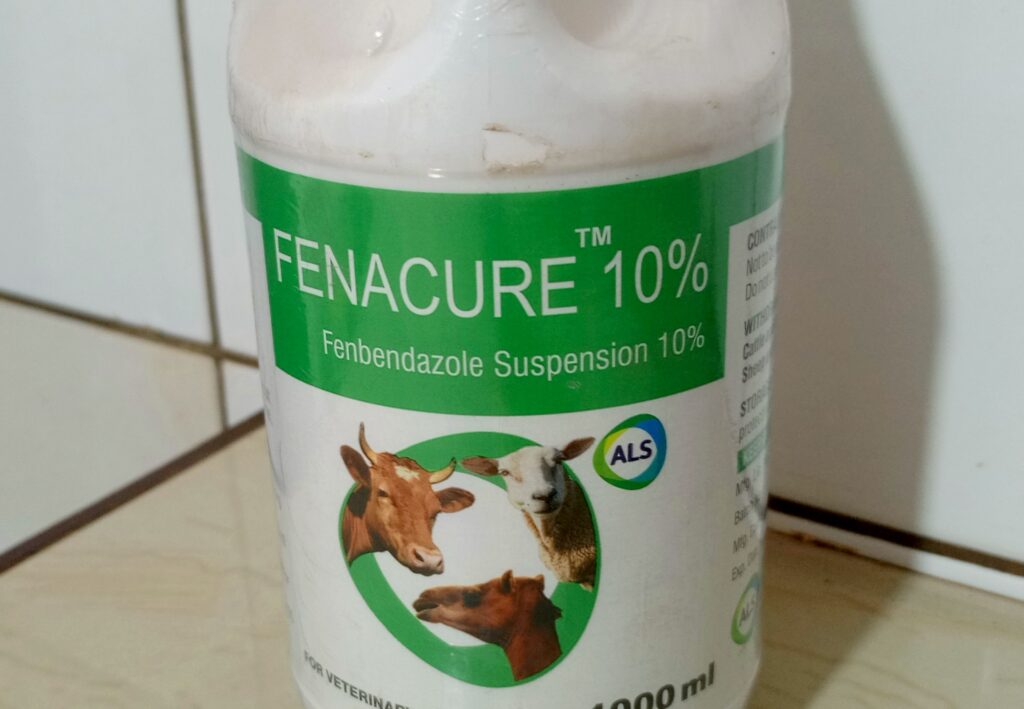
Vet Cost Guide: Pet Deworming Prices in Uganda
Deworming Costs at Vet Clinics in Kampala
Dogs (per month)
- Small dogs: UGX 10,000 – 25,000
- Medium dogs: UGX 10,000 – 35,000
- Large dogs: UGX 10,000 – 40,000
Cats
- UGX 10,000 – 25,000
Combination Deworming + Flea Control Packages For Pets in Uganda
UGX 50,000 – 120,000 depending on size.
Emergency Treatment for Severe Worm Infestation For Pets in Uganda
UGX 80,000 – 250,000+ (includes tests and intensive care).
Heartworm Prevention Costs (Dogs) In Uganda
UGX 30,000 – 70,000 monthly
👉 For exact pricing tailored to your pet, visit Superior Animal Clinic Makindye (+256 771 909946).
Home Hygiene Tips to Prevent Re-Infestation
- Clean compounds daily
- Dispose of faeces properly
- Wash hands regularly, especially for children
- Keep pets free of fleas
- Avoid feeding raw meat, lungs, intestines
- Mop the house often
- Control cockroaches and rats
FAQs: Deworming Dogs & Cats in Uganda
1. What is the best dog dewormer in Uganda?
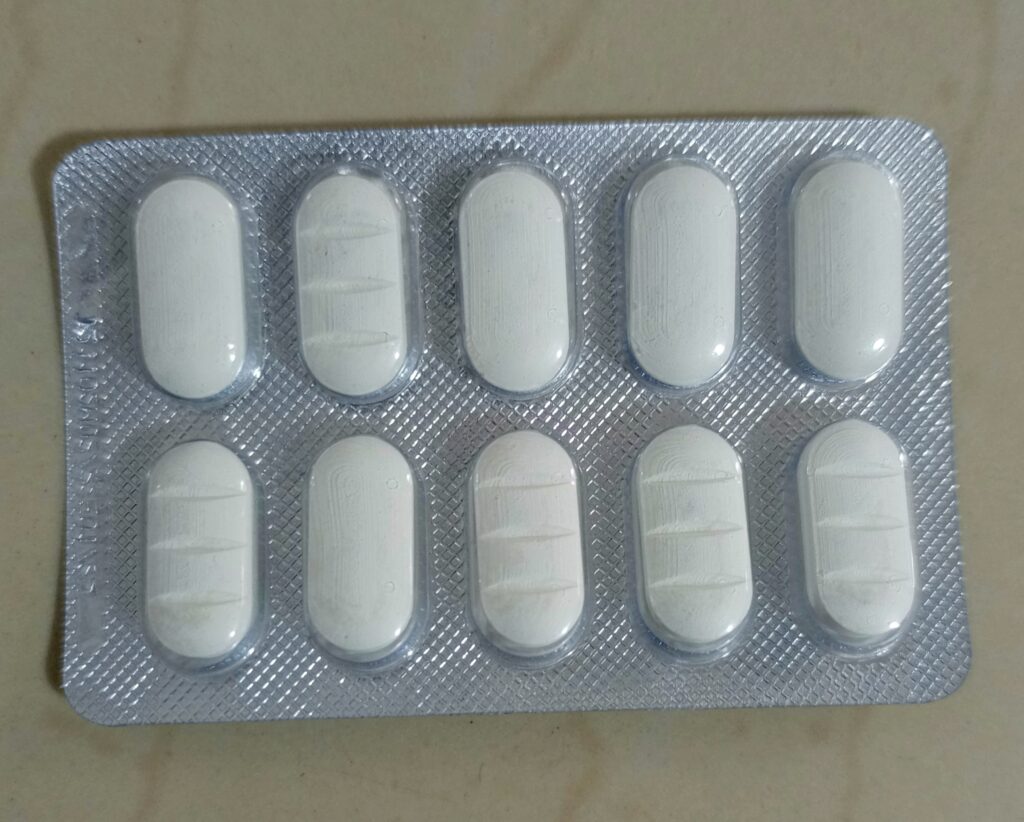
The best dog dewormer in Uganda is a combination of Fenbendazole and Praziquantel.
These two ingredients work together to kill almost all common worms found in Ugandan dogs, including:
- Roundworms
- Hookworms
- Whipworms
- Tapeworms
- Certain protozoa
Fenbendazole clears intestinal worms, while Praziquantel is highly effective against tapeworms—especially those spread by fleas, which are very common in Kampala, Makindye, Muyenga, Kansanga, and surrounding areas.
Most top veterinary clinics, including Superior Animal Clinic Makindye, use this combination for full protection.
2. What is the best cat dewormer in Uganda?
The best cat dewormer in Uganda is also a Fenbendazole + Praziquantel combination.
This combination protects cats from:
- Roundworms
- Hookworms
- Tapeworms
- Worms acquired from hunting rats, cockroaches, and eating contaminated soil
Ugandan cats—both indoor and outdoor—face high exposure to parasites due to insects, fleas, and contaminated shoes entering the home. Fenbendazole + Praziquantel gives broad, reliable coverage.
3. Where can I get the best dog dewormer in Uganda?
You can get the best dog dewormer in Uganda at:
📍 Superior Animal Clinic – Makindye, Salaama Road, Kampala
📞 Call/WhatsApp: +256 771 909946
Superior Animal Clinic stocks authentic, vet-approved Fenbendazole + Praziquantel dewormers and offers professional dosing based on your dog’s exact weight.
4. Where can I get the best cat dewormer in Uganda?
The best cat dewormers in Uganda are available at:
📍 Superior Animal Clinic – Makindye, Salaama Road, Kampala
📞 +256 771 909946
They provide high-quality Fenbendazole + Praziquantel dewormers that are safe for kittens and adult cats and offer full parasite control.
5. How much is the best dog dewormer in Uganda?
The cost of the best dog dewormer in Uganda (Fenbendazole + Praziquantel) ranges depending on your dog’s weight:
- Small dogs: UGX 10,000 – 25,000
- Medium dogs: UGX 10,000 – 35,000
- Large dogs: UGX 10,000 – 40,000
Prices vary based on the brand and weight of the dog. For accurate pricing, contact Superior Animal Clinic Makindye (+256 771 909946).
6. How much is the best cat dewormer in Uganda?
The best cat dewormer (Fenbendazole + Praziquantel) costs:
- UGX 10,000 – 25,000 per dose
Kittens may require more frequent doses.
For exact pricing, you can visit or contact Superior Animal Clinic Makindye (+256 771 909946).
7. How often should I deworm my dog or cat in Uganda?
Because of Uganda’s tropical climate and high parasite exposure, vets recommend:
- Monthly deworming for all dogs and cats
- Every 2 weeks for puppies and kittens under 3 months
- Monthly flea control to prevent tapeworms
This schedule is especially important in Kampala areas such as Makindye, Muyenga, Kansanga, Kabalagala, Nsambya, and Rubaga.
8. Can indoor cats in Uganda get worms?
Yes. Indoor cats in Uganda still get worms from:
- Shoes that carry parasite eggs
- Fleas from carpets and furniture
- Cockroaches and rodents
- Contaminated household dust
This is why vets still recommend monthly deworming for indoor cats.
9. Why should I buy dewormers from a vet clinic instead of shops?
Buying dewormers from a veterinary clinic ensures:
- Authentic, high-quality products
- Correct dosing based on weight
- Safe use for pregnant or sick pets
- Guaranteed protection against the right worms
- Avoiding dangerous fake products common in local shops
Superior Animal Clinic provides only vet-approved, safe, effective dewormers for dogs and cats.
10. Which vet clinic offers the best deworming services in Uganda?
The leading clinic for dog and cat deworming in Uganda is:
⭐ Superior Animal Clinic – Makindye, Salaama Road
📞 +256 771 909946
They offer:
- Accurate pet weight checks
- Vet-guided dosing
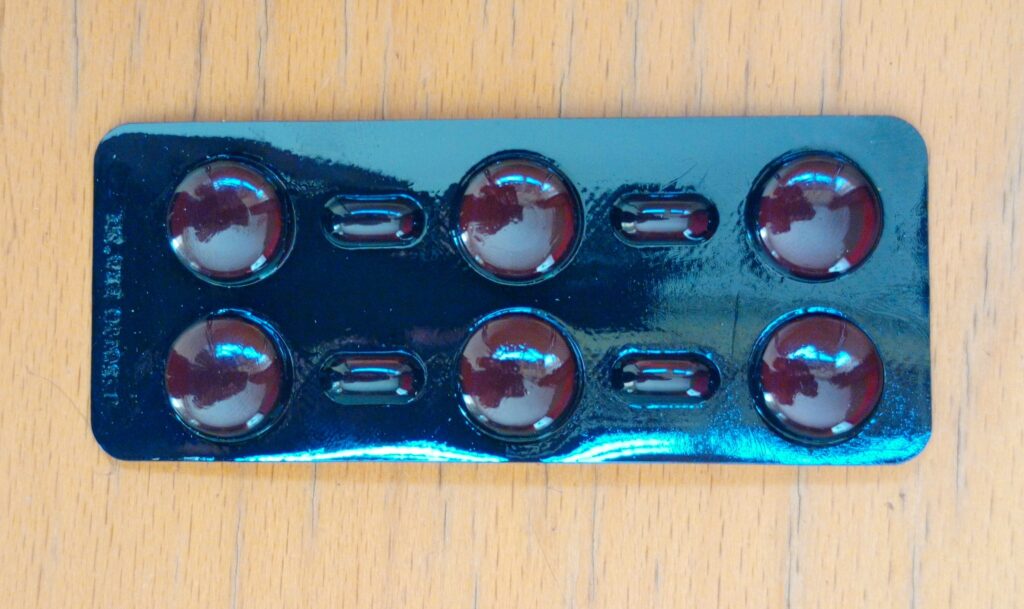
- High-quality Fenbendazole + Praziquantel dewormers
- Monthly reminders
- Affordable packages
Conclusion
Monthly deworming is a simple, affordable step that saves pets’ lives, protects your family, and reduces vet bills.
In Uganda’s high-risk environment, skipping even one month puts your dog or cat at risk.
For safe deworming, expert guidance, and affordable packages, visit Superior Animal Clinic in Makindye today.
📞 Call/WhatsApp: +256 771 909946
Your pet deserves the best care—and we are here to provide it.