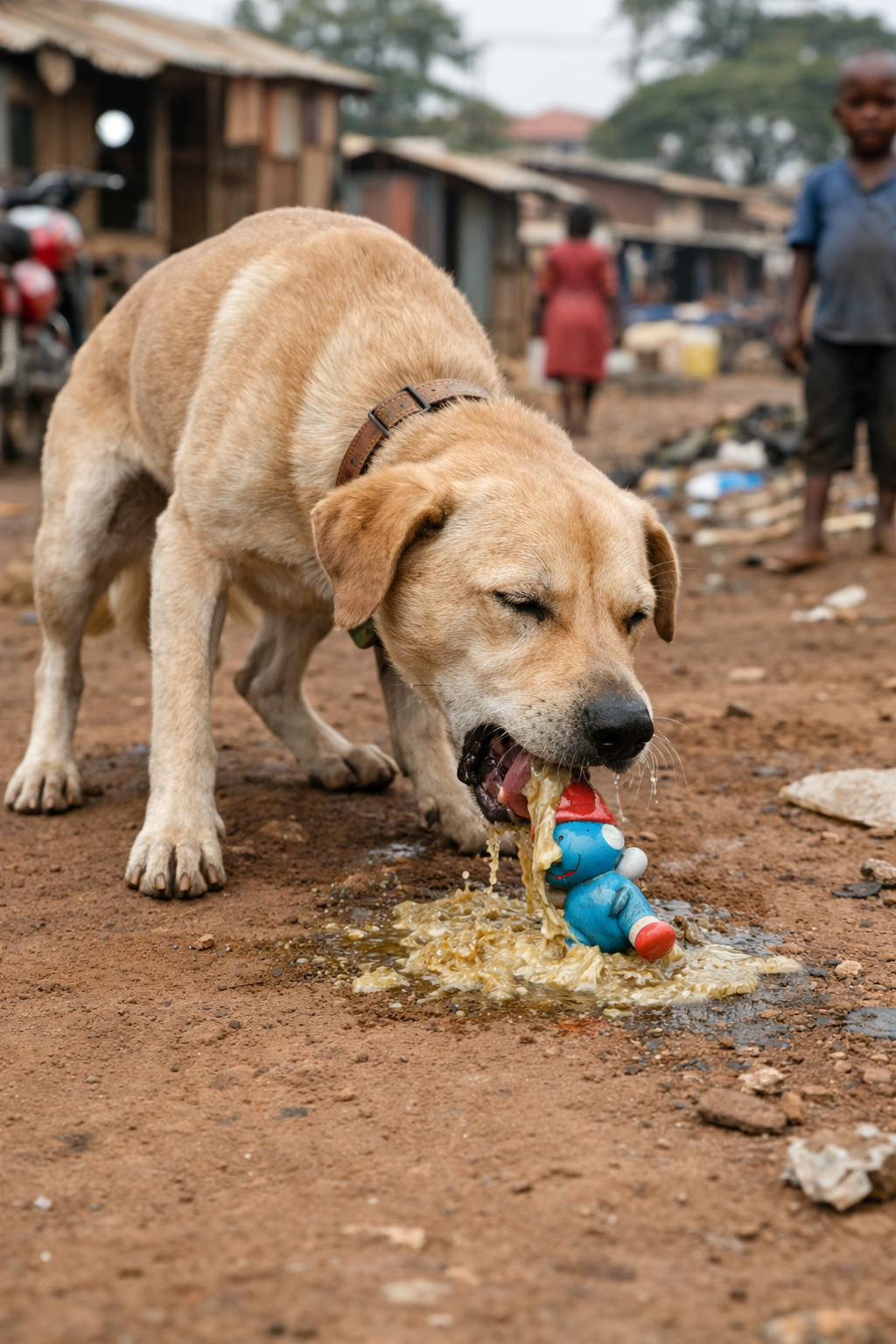
It is a scene veterinarians in Kampala know too well. A dog from Katwe arrives vomiting after swallowing a chicken bone picked near a roadside food stall. A cat from Ntinda stops eating after ingesting a hair tie from a bedroom floor. At Superior Animal Clinic, foreign object ingestion is one of the most common and dangerous emergencies affecting pets in the city.
What many pet owners underestimate is how quickly a swallowed object can turn fatal. Intestinal blockage, internal bleeding, infection, and sudden collapse can occur within hours or days. Beyond the medical risk, the emotional stress and unexpected financial burden can be overwhelming.
Kampala’s environment increases this risk significantly. Open garbage pits, street markets, boda-boda stages, plastic waste, food leftovers, construction debris, and crowded households all create constant exposure to dangerous objects for pets.
Foreign Objects Most Commonly Swallowed by Dogs and Cats in Uganda
A. Foreign Objects Commonly Swallowed by Dogs in Kampala
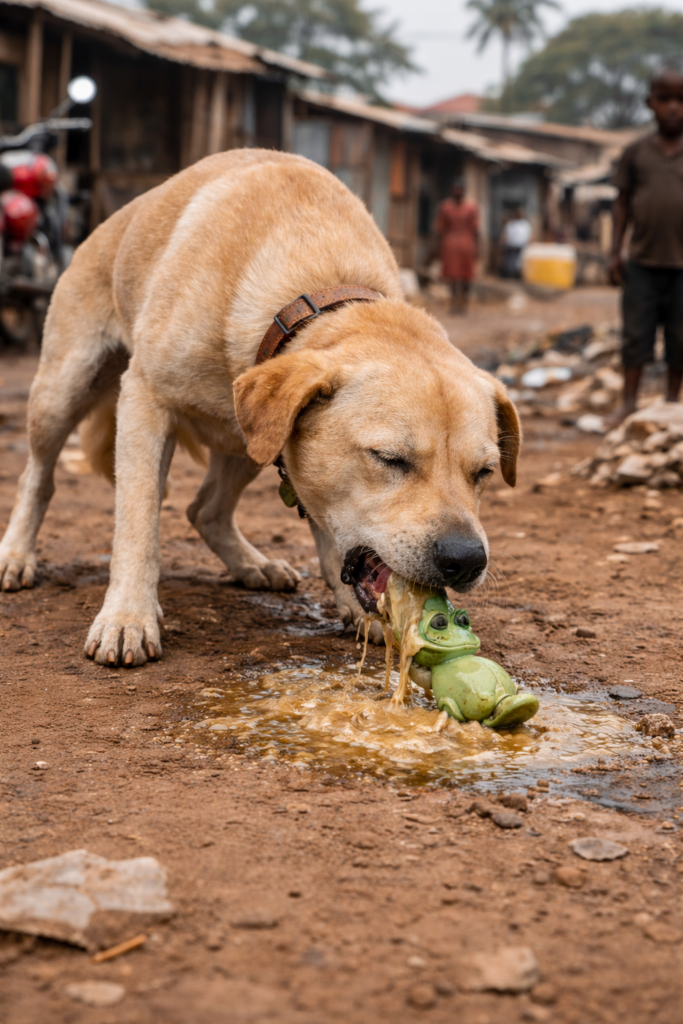
Dogs are natural scavengers, and in Kampala this instinct often puts them in danger. The most commonly swallowed objects in dogs include chicken bones, corn cobs, plastic bags, food wrappers, socks, stones, rope pieces, and discarded meat packaging.
Why Dogs Swallow These Objects
Dogs are driven by smell and curiosity. Food-scented plastics and bones found near markets in areas like Kalerwe, Kawempe, and Rubaga strongly attract them. Puppies explore the world with their mouths, while adult dogs may swallow objects due to boredom, anxiety, hunger, or lack of supervision.
How to Prevent Dogs from Swallowing Foreign Objects
Dog owners should avoid feeding bones, secure garbage bins, and remove food waste immediately. During walks, dogs should always be on a leash and closely monitored, especially near markets and busy streets. Providing proper chew toys and regular exercise reduces boredom-driven ingestion.
B. Foreign Objects Commonly Swallowed by Cats in Kampala
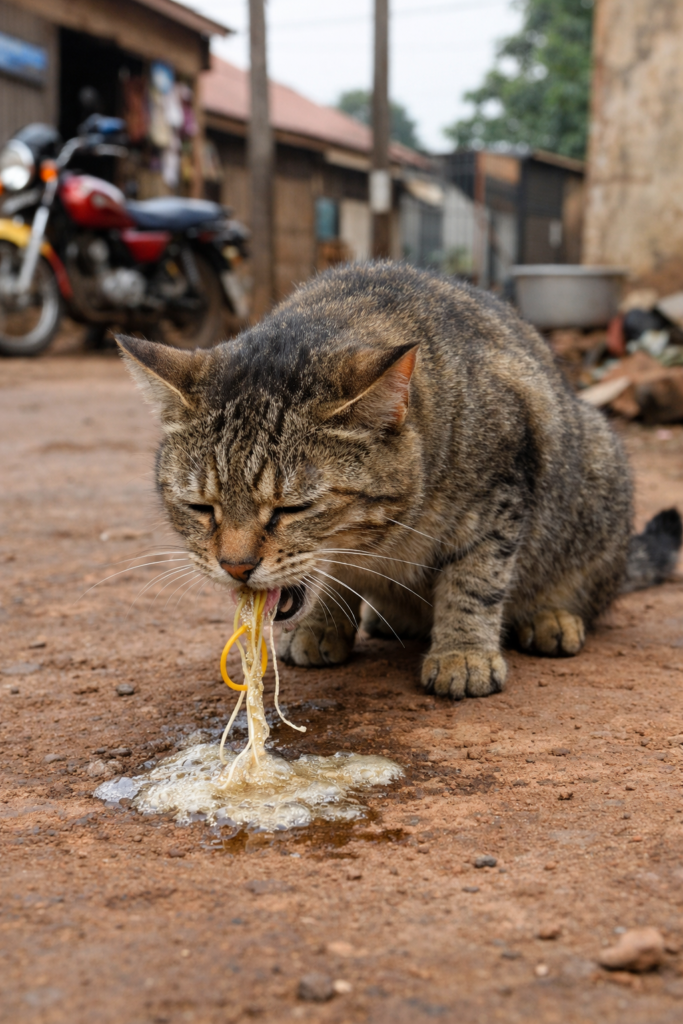
Cats swallow different objects compared to dogs. At Superior Animal Clinic, the most common foreign bodies in cats include hair ties, rubber bands, string, thread, plastic wrappers, and small toy parts.
Why Cats Swallow These Objects
Cats are hunters by nature. Moving objects like strings and hair ties trigger their prey instinct. During grooming, strings can be accidentally swallowed. Indoor cats in apartments around Kololo, Bukoto, and Ntinda are particularly at risk due to exposure to household items.
How to Prevent Cats from Swallowing Foreign Objects
Keep hair ties, strings, and sewing materials locked away. Avoid leaving toys with strings unattended. Always supervise playtime and remove damaged toys immediately. Environmental enrichment helps reduce destructive curiosity.
How to Know If Your Pet in Kampala Has Swallowed a Foreign Object
Many pets swallow foreign objects without their owners noticing. Recognizing the warning signs early is critical because delayed treatment can quickly turn a manageable problem into a life-threatening emergency.
Below are the key signs that may indicate your dog or cat in Kampala has swallowed a foreign object:
- Repeated vomiting or retching, especially after eating or drinking
- Sudden loss of appetite or refusal to eat favorite foods
- Diarrhea or constipation, or straining without passing stool
- Lethargy or unusual tiredness, hiding, or reduced activity
- Abdominal pain, shown by crying, whining, growling, or resisting touch
- Excessive drooling or foaming at the mouth
- Gagging, coughing, or choking sounds
- Pawing at the mouth or face, as if something is stuck
- Swollen or tense abdomen, which may be painful to touch
- Rapid weight loss or dehydration
- Restlessness or repeated stretching, a sign of internal discomfort
- Foul-smelling breath or signs of infection in advanced cases
- Visible foreign material in the mouth, vomit, or stool (rare but serious)
If your pet shows any of these signs, especially vomiting, pain, or refusal to eat, seek veterinary care immediately.
What to Do Immediately If Your Pet in Uganda Has Swallowed a Foreign Object
When a pet swallows a foreign object, the first few hours are critical. In Uganda, where access to veterinary care may involve travel, traffic, or delays, knowing exactly what to do can save your pet’s life. Quick, calm, and informed action makes a real difference.
1. Stay Calm and Stop Further Eating
Do not panic. Panic often leads to harmful decisions. Immediately remove all food, bones, and objects from your pet’s reach. Do not allow your pet to continue scavenging, chewing, or drinking large amounts of water, as this can worsen obstruction or trigger vomiting.
2. Confine and Observe Your Pet
Place your pet in a quiet, secure area—a room, kennel, or shaded spot. Limit movement, running, or play. In Uganda’s warm climate, keep your pet cool and comfortable, but do not force fluids.
Carefully observe:
- Vomiting or repeated retching
- Signs of pain or restlessness
- Drooling, gagging, or choking
These observations are important information to give the veterinarian.
3. Check the Mouth Only If It Is Safe
If your pet is calm and not aggressive, gently check the mouth without forcing it open. If you can clearly see an object at the front of the mouth and it can be removed easily, you may carefully take it out.
Never push your fingers deep into the throat, especially in dogs—this can cause bites or push the object further in.
4. Do NOT Use Home Remedies
In many Ugandan households, there is a temptation to use home solutions such as:
- Cooking oil, palm oil, or ghee
- Herbs or local mixtures
- Forcing vomiting
Do not do this. These methods can cause choking, aspiration pneumonia, or intestinal rupture, making the situation far worse.
5. Do NOT Induce Vomiting Without Veterinary Advice
Inducing vomiting at home is dangerous, especially if the object is sharp (bones), large (corn cobs, socks), or if the pet is already weak or vomiting. Vomiting the wrong object can tear the throat or block the airway.
6. Contact a Veterinarian Immediately
Call or visit a veterinary clinic as soon as possible. Explain:
- What you think your pet swallowed
- When it happened
- Current symptoms (vomiting, pain, refusal to eat)
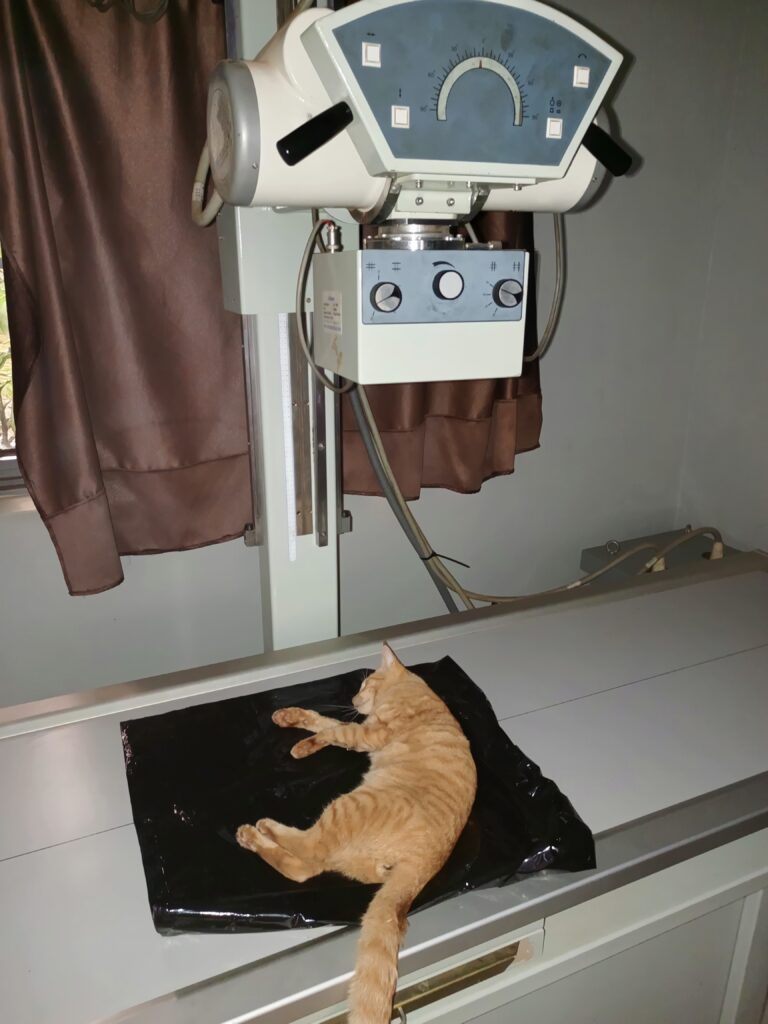
If you are in or around Kampala, Superior Animal Clinic in Makindye is well-equipped to handle foreign body emergencies in dogs and cats, including X-rays, ultrasound, endoscopy, and surgery.
7. Transport Your Pet Safely
When traveling to the clinic:
- Keep your pet calm and restrained
- Avoid feeding or giving treats
- For dogs, use a leash; for cats, use a box or carrier
- Protect pets from heat, especially during traffic delays
If vomiting occurs during transport, turn the head slightly to prevent choking.
8. Act Early—Do Not “Wait and See”
Many pet owners in Uganda wait, hoping the object will pass naturally. This delay often leads to intestinal blockage, infection, or death. Early veterinary care is always safer, cheaper, and more successful than late emergency surgery.
Taking these immediate steps gives your pet the best chance of survival and recovery
How Veterinarians in Uganda Diagnose Foreign Object Ingestion in Pets
Diagnosing foreign object ingestion in dogs and cats requires a practical, step-by-step approach, especially in Uganda where pets may present late and owners often rely on clear, cost-effective veterinary decisions. Ugandan veterinarians focus on combining clinical experience, physical examination, and available diagnostic tools to reach an accurate diagnosis as quickly as possible.
1. Detailed History from the Pet Owner
Diagnosis begins with asking the right questions. Veterinarians will ask:
- When the pet was last seen normal
- Whether the pet had access to bones, plastics, toys, or household items
- If vomiting, diarrhea, or appetite loss has occurred
- Where the pet usually roams (compound, streets, markets)
In Uganda, this history is especially important because many pets roam freely or scavenge in open environments.
2. Thorough Physical Examination
The veterinarian performs a full physical exam, checking:
- Abdominal pain or bloating
- Dehydration and weakness
- Mouth, throat, and tongue for visible objects
- Body temperature and heart rate
Pain on abdominal palpation often raises immediate suspicion of obstruction.
3. X-Rays (Radiography)
X-rays are the most commonly used diagnostic tool in Uganda. They help detect:
- Chicken bones
- Stones and metal objects
- Corn cobs and compacted plastics
While some plastics do not appear clearly, changes in gas patterns or intestinal shape often indicate blockage.
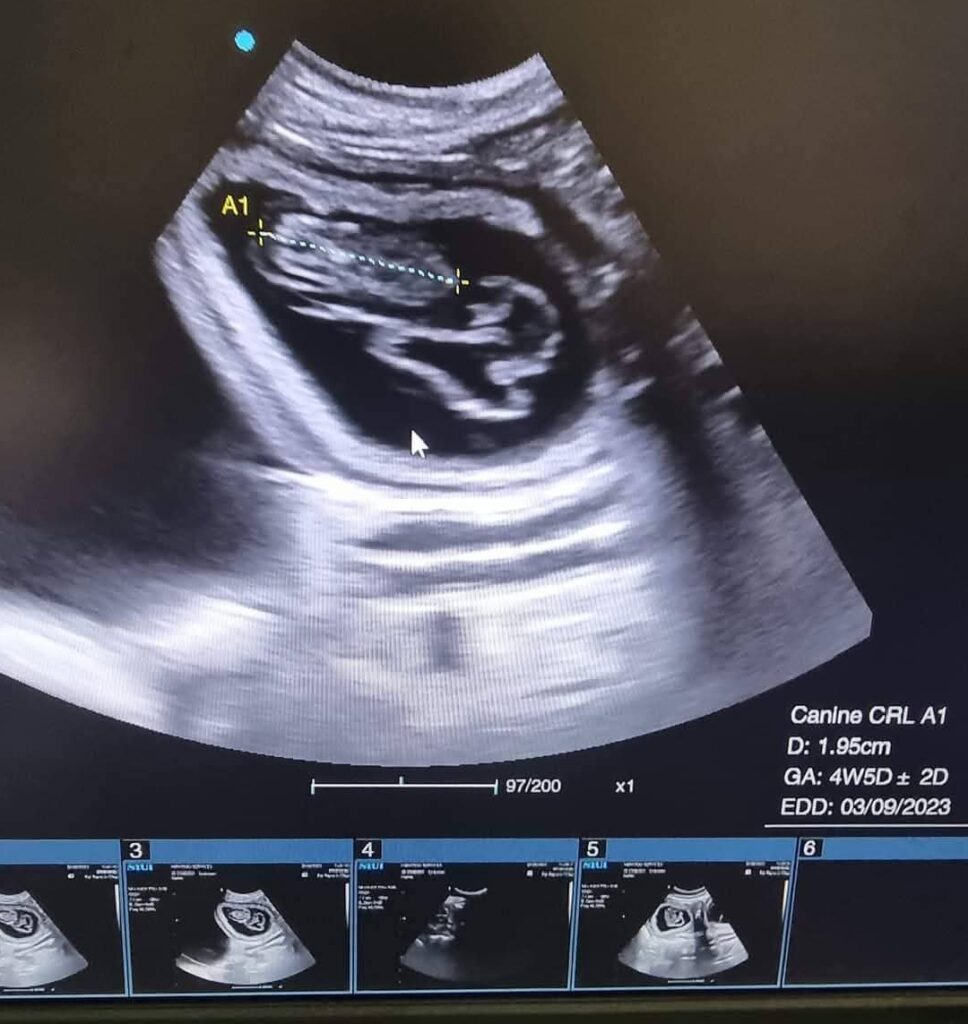
4. Ultrasound Examination
Ultrasound is widely used in better-equipped clinics across Kampala. It is especially useful for:
- Detecting soft objects like cloth or rubber
- Identifying intestinal blockage and fluid buildup
- Assessing intestinal movement and viability
Ultrasound is non-invasive and very helpful when X-rays are inconclusive.
5. Endoscopy (Rare)
In advanced veterinary facilities, endoscopy allows direct visualization of objects in the esophagus or stomach. It can sometimes be used to remove the object without surgery, reducing recovery time and cost.
6. Laboratory Tests
Blood tests may be done to assess:
- Dehydration and electrolyte imbalance
- Infection or inflammation
- Organ function before anesthesia or surgery
These tests are critical when pets present late or appear very sick.
7. Exploratory Surgery as a Diagnostic Tool
In severe or unclear cases, especially when imaging is limited, veterinarians may recommend exploratory surgery. In Uganda, this decision is often made to save time and prevent further damage when clinical signs strongly suggest obstruction.
8. Practical Decision-Making in Uganda
Ugandan veterinarians balance diagnostic accuracy, urgency, and cost. When clinical signs are severe, treatment may begin even before advanced diagnostics to prevent fatal complications.
This practical approach ensures pets receive timely and effective care, even in challenging situations.
Treatment Options For Foreign Bodies Swallowed By Pets In Kampala
A. Non-Surgical Treatment
In selected cases, induced vomiting may be safely performed by a veterinarian. Endoscopic removal is ideal for objects in the stomach or esophagus and avoids surgery.
B. Surgical Treatment
If obstruction or perforation is present, intestinal surgery is required. The object is removed, and damaged tissue repaired. With early intervention, recovery is often successful.
How to Prevent Your Dog or Cat in Uganda from Swallowing Foreign Objects
Prevention is always safer, cheaper, and less stressful than emergency treatment. In Uganda—especially in urban areas like Kampala—pets are constantly exposed to plastic waste, food leftovers, bones, construction debris, and small household items. Practical prevention requires awareness of both home habits and local environmental risks.
1. Pet-Proof Your Home the Ugandan Way
Many foreign object emergencies start inside the house. Keep plastic bags, food wrappers, hair ties, rubber bands, strings, buttons, and coins off the floor and low tables. In homes where food is prepared on the floor or shared communally, always clean up immediately after meals. Store rubbish in covered bins or sacks that pets cannot tear open.
Laundry items such as socks and underwear should be kept in closed buckets or baskets, especially in homes with puppies.
2. Dispose of Food Waste Properly
Do not leave chicken bones, fish remains, corn cobs, or avocado pits where pets can access them. Avoid throwing food waste outside the compound or near the gate, where dogs can scavenge. If possible, dispose of waste in sealed containers or designated collection points.
3. Supervise Feeding and Never Give Bones
Many pet owners in Uganda still believe bones are good for dogs. This is false and dangerous. Never feed cooked chicken or meat bones. Feed pets in a controlled area and remove leftovers immediately after meals.
4. Choose Safe Toys and Inspect Them Regularly
Use strong, size-appropriate chew toys designed for pets. Avoid cheap toys that break easily. For cats, avoid toys with loose strings or elastic bands. Check toys weekly and discard any that are torn, broken, or missing pieces.
5. Control Outdoor Exposure and Walks
Always walk dogs on a leash, especially near markets, roadside food stalls, boda-boda stages, and construction areas. Avoid letting dogs roam freely in neighborhoods where litter and food waste are common. Watch what your pet sniffs and tries to pick up, and correct the behavior immediately.
6. Manage Boredom and Stress
Boredom is a major reason dogs swallow non-food items. Ensure your dog gets regular exercise, interaction, and mental stimulation. For cats, provide climbing areas, scratching posts, and safe interactive toys to reduce destructive curiosity.
7. Be Extra Careful with Puppies and Kittens
Young pets explore with their mouths and are at the highest risk. Limit their access to risky areas, supervise playtime closely, and keep the environment as simple and clutter-free as possible.
FAQs About Foreign Object Ingestion in Pets in Kampala, Uganda
1. Where can I take my dog or cat in Kampala, Uganda, that has swallowed a foreign object?
If your dog or cat in Kampala has swallowed a foreign object, you should seek immediate veterinary care at Superior Animal Clinic, located in Makindye, Kampala. The clinic is well equipped to diagnose and treat foreign body emergencies in pets, including X-rays, ultrasound, endoscopy, and surgery when needed.
Call Superior Animal Clinic: +256 771 909 946 for urgent assistance.
2. How much does it cost to treat a pet in Uganda that has swallowed a foreign body?
The cost of treating a pet that has swallowed a foreign object in Uganda typically ranges from UGX 120,000 to UGX 450,000. The final cost depends on several factors, including the type of object swallowed, how early the pet is brought to the clinic, whether imaging is required, and if surgery or hospitalization is needed. Early treatment is usually far less expensive than delayed emergency surgery.
3. Is swallowing a foreign object an emergency for pets in Kampala?
Yes. Foreign body ingestion is a medical emergency. Delaying treatment can lead to intestinal blockage, infection, internal bleeding, or death. Pets in Kampala are especially at risk due to plastic waste, bones, and street litter.
4. Can my dog or cat pass a swallowed object naturally?
Some very small, smooth objects may pass on their own, but many do not. Objects such as bones, socks, corn cobs, strings, and plastic bags often cause obstruction. A veterinarian should always assess your pet before waiting to see if it will pass.
5. What are the most common foreign objects swallowed by pets in Kampala?
Dogs commonly swallow chicken bones, corn cobs, plastic bags, food wrappers, stones, and socks. Cats frequently swallow hair ties, strings, rubber bands, plastic wrappers, and small toy parts.
6. What signs show my pet may have swallowed a foreign object?
Common signs include vomiting, loss of appetite, abdominal pain, drooling, gagging, constipation or diarrhea, lethargy, and sudden behavior changes. Any of these signs require immediate veterinary attention.
7. Should I try home remedies if my pet swallows something?
No. Home remedies such as oils, herbs, or forcing vomiting can make the situation worse and may cause choking or intestinal rupture. Always contact a veterinarian immediately.
8. How fast should I take my pet to the vet after swallowing a foreign object?
Immediately. The earlier your pet is examined, the higher the chance of non-surgical treatment and full recovery. Delays increase risks, costs, and complications.
9. Why are pets in Kampala at higher risk of swallowing foreign objects?
Open garbage disposal, street food waste, markets, construction debris, plastic pollution, and crowded living environments make foreign object ingestion more common in Kampala compared to many other areas.
10. How can I prevent my pet from swallowing foreign objects in Uganda?
Pet-proof your home, dispose of food waste properly, avoid feeding bones, supervise walks, use safe toys, and keep small household items out of reach. Regular veterinary advice also helps reduce risk.
11. Can a foreign object swallowed by a pet cause death if not treated?
Yes. If a swallowed foreign object is not treated promptly, it can cause complete intestinal blockage, internal bleeding, severe infection (peritonitis), or rupture of the intestines. These complications can be fatal, especially if treatment is delayed for several days.
12. How long after swallowing a foreign object will symptoms appear?
Symptoms may appear within a few hours or may take 1–3 days, depending on the size, shape, and type of object swallowed. Some pets may seem normal at first, then suddenly begin vomiting or showing pain.
13. Are puppies and kittens more likely to swallow foreign objects?
Yes. Puppies and kittens are at much higher risk because they explore their environment using their mouths. They are more likely to swallow socks, stones, plastic, hair ties, and toy parts.
14. Can my pet still poop if it has a foreign body inside?
Yes, in some cases pets may still pass stool even with a partial blockage. This often gives owners a false sense of security. However, the object can still cause serious damage and requires veterinary evaluation.
15. Is surgery always required if a pet swallows a foreign object?
No. If the object is detected early, non-surgical options such as induced vomiting or endoscopic removal may be possible. Surgery is required when there is obstruction, perforation, or delayed presentation.
16. How long does recovery take after foreign body surgery in pets?
Recovery time typically ranges from 7 to 14 days, depending on the severity of the obstruction and the pet’s overall health. Strict post-operative care and follow-up visits are important for full recovery.
17. Can cats swallow string or hair ties without owners noticing?
Yes. Cats often swallow strings or hair ties silently during play or grooming. Many owners only notice when the cat stops eating, vomits, or becomes lethargic.
18. What should I tell the vet when I arrive at the clinic?
Tell the veterinarian what you think your pet swallowed, when it may have happened, any signs you have noticed, and whether your pet has vomited or passed stool. This information helps speed up diagnosis and treatment.
19. Is it safe to wait overnight if my pet swallows something?
No. Waiting overnight can be dangerous. Many complications worsen rapidly within hours. If your pet has swallowed a foreign object, seek veterinary care immediately, even at night.
20. Do indoor pets in Kampala also swallow foreign objects?
Yes. Indoor pets are commonly affected, especially cats that swallow hair ties, strings, plastic, or small toys, and dogs that swallow socks or food wrappers left in the house.
Conclusion
Foreign object ingestion is one of the most serious yet preventable emergencies affecting dogs and cats in Kampala, Uganda. Pets are naturally curious and scavengers, and in urban environments—busy streets, open markets, construction zones, and household clutter—risks are everywhere. Recognizing the signs early, acting quickly, and creating a safe home and outdoor environment can save your pet’s life and prevent costly complications.
For pet owners in Kampala, Superior Animal Clinic in Makindye stands out as the best veterinary hospital in Uganda for managing foreign body ingestion. With advanced diagnostics, expert surgical and non-surgical care, and compassionate attention, your dog or cat is in the safest hands. Vigilance, prevention, and prompt veterinary care are the keys to keeping your pets healthy, happy, and safe in Uganda’s urban environment.