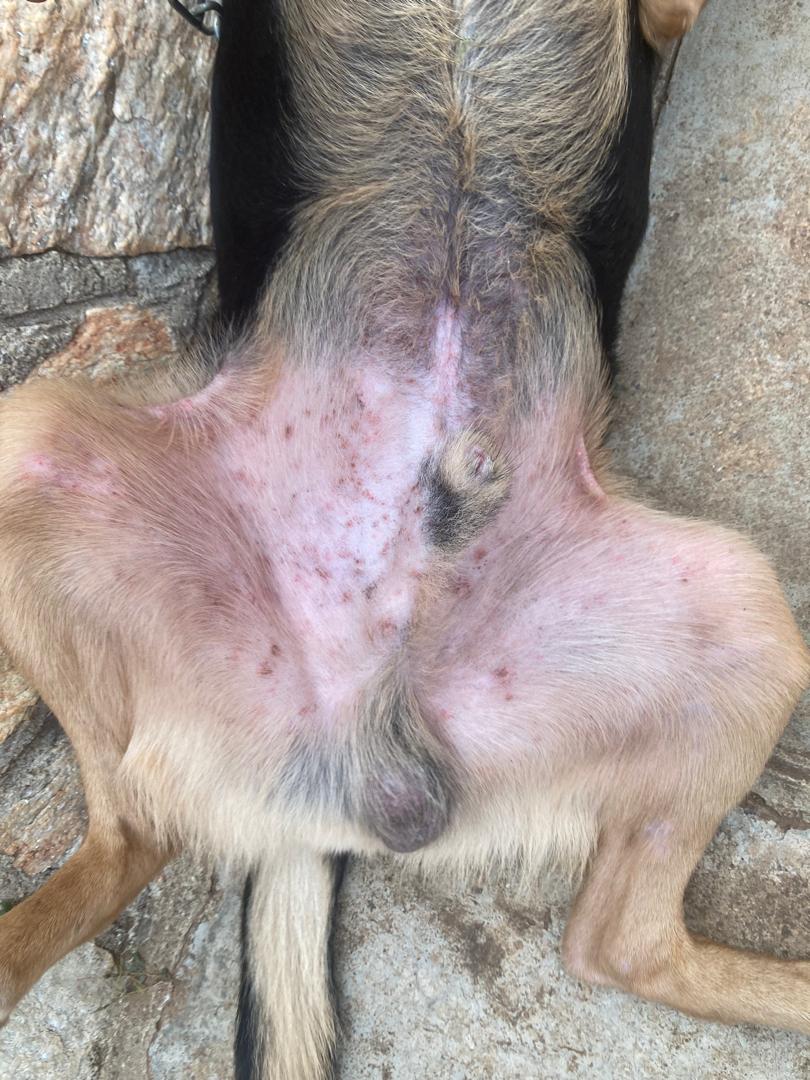
Red skin spots in dogs are one of the most frequent and frustrating problems faced by dog owners in Uganda, especially in Kampala and its surrounding neighborhoods. What may first appear as a small red patch beneath the fur can quickly turn into constant scratching, hair loss, painful sores, or spreading infections if ignored. Many dog owners only realize something is wrong when their dog becomes restless, chews at its skin, or develops an unpleasant odor — clear signs that the skin is already inflamed.
In areas such as Makindye, Muyenga, Ntinda, Kira, Najjera, Lubowa, Buziga, Kawempe, and central Kampala, veterinarians regularly treat dogs with red skin lesions linked to Uganda’s unique environment. The combination of a warm tropical climate, high humidity, seasonal rains, heavy parasite presence, dust, grasses, urban pollution, and exposure to household chemicals creates ideal conditions for skin problems to develop and worsen rapidly. Dogs that roam compounds, live in crowded neighborhoods, or have inconsistent parasite control are especially vulnerable.
Red skin spots are rarely just a cosmetic issue. In most cases, they are the skin’s warning signal of deeper problems such as flea and tick allergies, fungal or bacterial infections, mange, food sensitivities, nutritional deficiencies, or weakened immunity. Without timely attention, mild redness can progress into hot spots, open wounds, secondary infections, and chronic skin disease that affects a dog’s comfort, behavior, and overall quality of life.
For dog owners in Kampala, understanding red skin spots is essential to responsible pet care. Knowing how to recognize early signs, understanding why these problems are so common in the Ugandan environment, and acting promptly can prevent unnecessary suffering and costly treatment later. This guide is written to help dog owners make informed decisions, protect their dogs’ skin health, and know when professional veterinary care is necessary.
What Do Red Spots on a Dog’s Skin Look Like?
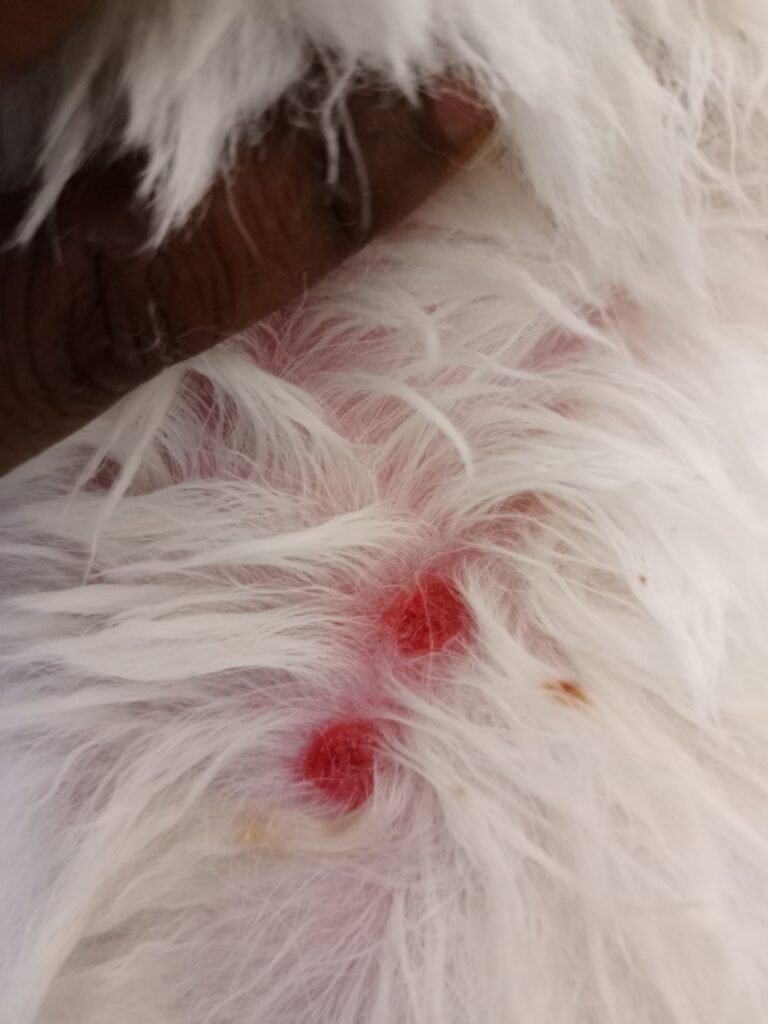
Red spots on a dog’s skin can look very different from one dog to another, which is why they are often confusing for owners. In simple terms, a red spot is an area of skin that has become irritated or inflamed and appears redder than the surrounding skin. It may start small, sometimes no bigger than a coin, or appear as tiny red dots scattered under the fur. In early stages, the skin may look smooth but slightly pink or reddish, and it may feel warmer than normal when touched.
As the problem progresses, red spots can become more noticeable. They may swell slightly, develop raised bumps, or turn into patches of bright red skin. Some spots become moist, shiny, or sticky, especially if the dog has been licking or scratching the area. Others may dry out and form flakes, scabs, or crusts. In more severe cases, the skin may break open, ooze fluid, or give off an unpleasant smell, which often indicates infection.
Red spots are most commonly found in specific areas of a dog’s body. The belly and groin are frequent sites because the skin there is thin and easily irritated by grass, dust, moisture, and insects. The paws and spaces between the toes are also common, especially in dogs that walk on dirty, muddy, or chemically treated surfaces. Ears and ear flaps often show redness due to allergies, mites, or yeast infections. Other common areas include the neck, armpits, tail base, inner thighs, and skin folds, where moisture and heat get trapped.
In some dogs, red spots appear in just one small area, suggesting a bite, scratch, or mild irritation. In others, the redness spreads across large parts of the body, forming a rash. Widespread red spots often point to allergies, parasites, or underlying health issues rather than a simple skin injury. Understanding what these red spots look like and where they commonly appear helps dog owners notice problems early and seek the right care before the condition becomes painful or difficult to treat.
Common Causes of Red Spots in Dogs in Kampala, Uganda
Red spots on a dog’s skin do not appear by accident. In most cases, they are the result of irritation, infection, or an allergic reaction that triggers inflammation in the skin. Kampala’s warm climate, high humidity, parasites, and urban living conditions make some causes far more common than others. Understanding what causes the red spot, how it forms, and what it usually looks like can help dog owners identify the problem early and respond correctly.
1. Fleas
Fleas are one of the leading causes of red skin spots in dogs in Kampala. When a flea bites, it injects saliva into the skin. Many dogs are allergic to this saliva, causing an intense immune reaction.
How red spots form:
The flea bite irritates the skin, leading to inflammation, redness, and itching. Repeated scratching and biting worsen the area, turning small bites into larger red patches.
How to recognize flea-related red spots:
These red spots are usually found around the lower back, tail base, belly, and inner thighs. The skin may look irritated with small red bumps, and hair loss is common. Dogs often scratch intensely, especially around the rear.
2. Ticks
Ticks are common in dogs that spend time in compounds, grassy areas, or semi-rural parts of Kampala such as Munyonyo, Seguku, and Ndejje.
How red spots form:
When a tick attaches, it damages the skin and triggers local inflammation. Even after the tick falls off or is removed, the bite site may remain red and swollen.
How to recognize tick-related red spots:
Tick-related red spots are often single, round, and slightly raised. They may have a small dark center where the tick was attached. These spots are commonly found on the ears, neck, head, and between the toes.
3. Mites (Mange)
Mites burrow into or live on the skin, causing severe irritation. Mange is a serious and highly uncomfortable condition in dogs.
How red spots form:
The dog’s immune response to mites causes intense inflammation. Constant scratching damages the skin, leading to redness, sores, and thickened skin.
How to recognize mite-related red spots:
Red spots from mites are often widespread and accompanied by hair loss, crusting, and scabs. The skin may look thick, rough, or darkened. Itching is usually extreme and persistent.
4. Allergies
Allergies are increasingly common among dogs in Kampala due to food quality, dust, pollen, grasses, and household chemicals.
How red spots form:
When a dog’s immune system reacts to an allergen, it releases inflammatory substances that irritate the skin, causing redness and itching.
How to recognize allergy-related red spots:
Allergic red spots are often symmetrical and appear on the belly, paws, ears, face, and armpits. Dogs may lick their paws constantly, rub their face, or shake their heads. The redness may come and go.
5. Bacterial Skin Infections
Bacterial infections usually develop after the skin barrier is broken by scratching, bites, or wounds.
How red spots form:
Bacteria enter damaged skin and multiply, causing inflammation, pus formation, and pain.
How to recognize bacterial red spots:
These spots are often moist, painful, and may ooze yellow or green discharge. They can have a bad smell and may quickly enlarge if untreated.
6. Fungal Infections (Ringworm)
Fungal infections thrive in Kampala’s humid environment and can spread easily between animals.
How red spots form:
Fungi infect the outer layers of the skin and hair shafts, causing inflammation and hair loss.
How to recognize fungal red spots:
These red spots are often circular with hair loss in the center. The edges may appear raised or scaly. Unlike allergies, itching may be mild or absent.
7. Yeast Infections
Yeast naturally lives on the skin but overgrows under warm, moist conditions.
How red spots form:
Excess moisture and skin damage allow yeast to multiply, leading to inflammation and irritation.
How to recognize yeast-related red spots:
The skin is usually red, greasy, and thickened, with a strong sour or musty smell. Common areas include ears, paws, skin folds, and armpits.
8. Skin Trauma and Irritation
Physical injury is another common cause of red spots.
How red spots form:
Scratches from fights, rough play, grooming injuries, or burns from hot pavements damage the skin, triggering inflammation.
How to recognize trauma-related red spots:
These red spots are usually localized, painful to touch, and may have a visible wound or scab. They do not spread unless infected.
9. Hot Spots (Acute Moist Dermatitis)
Hot spots are rapidly developing skin lesions often triggered by itching or moisture.
How red spots form:
Excessive licking or scratching damages the skin, allowing bacteria to grow quickly.
How to recognize hot spots:
Hot spots appear as moist, raw, bright red patches that spread fast and are very painful. Hair is usually missing in the affected area.
10. Poor Nutrition and Skin Weakness
Nutrition plays a major role in skin health.
How red spots form:
Diets lacking essential nutrients weaken the skin barrier, making it prone to irritation and infection.
How to recognize nutrition-related red spots:
Red spots may be accompanied by dull coat, excessive shedding, slow wound healing, and recurrent skin problems.
By understanding these common causes and how each one typically presents, dog owners in Kampala can better identify what might be affecting their dog’s skin and know when professional veterinary care is needed
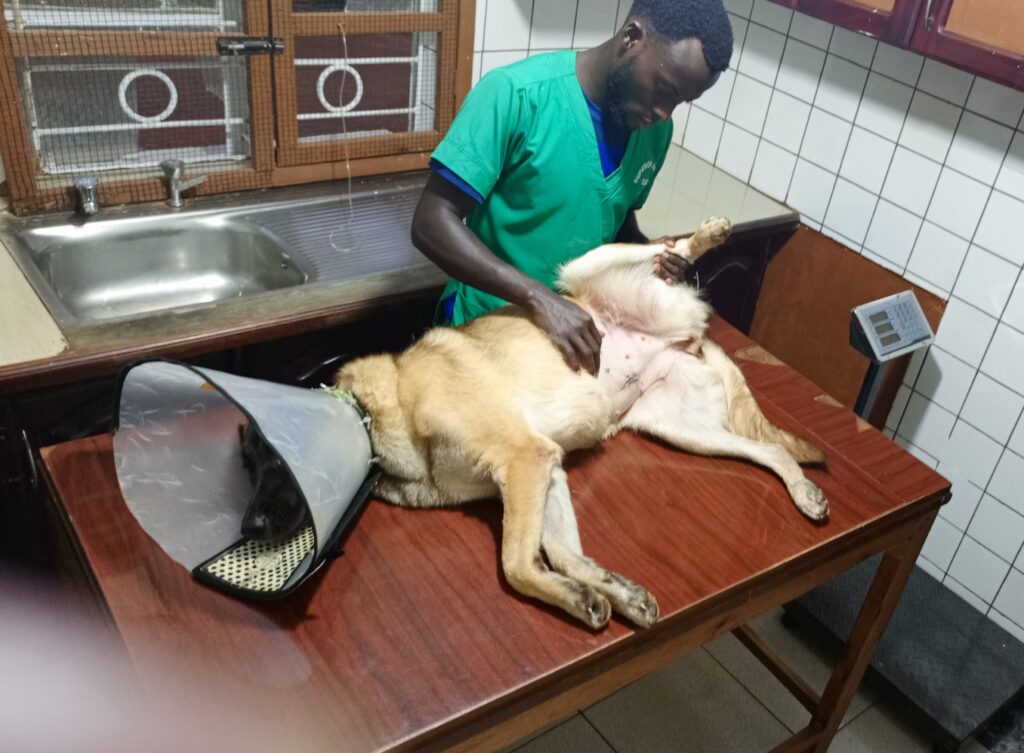
Dog Breeds in Uganda That Are Most Prone to Red Skin Spots
Not all dogs are equally likely to develop red skin spots. In Uganda, certain breeds show a higher tendency because of their genetics, skin type, coat characteristics, or lifestyle. Understanding which breeds are more vulnerable helps dog owners watch for early signs and take preventive action.
1. German Shepherds
German Shepherds are very popular in Kampala, often used as guard dogs or family pets. Their thick double coat makes them prone to hot spots and allergic reactions. The dense fur can trap moisture and heat, creating the perfect environment for bacteria, yeast, and parasites to irritate the skin. They are also more sensitive to flea bites, which often trigger red itchy spots.
2. Boerboels
Boerboels are strong, active dogs that enjoy outdoor life. Their skin folds, especially around the neck and joints, can trap sweat, dirt, and moisture, leading to irritation and red spots. They are also prone to allergies that show on the skin, especially if their diet is inconsistent or low in quality.
3. Rottweilers
Rottweilers have short, dense coats but are prone to skin allergies and irritations. Red spots in Rottweilers often develop from flea bites, food sensitivities, or bacterial infections caused by scratching. Areas like the belly, chest, and armpits are the most affected.
4. Bulldogs (English and Local Mixes)
Bulldogs, including local mixed breeds with similar skin folds, are highly susceptible to skin problems. Their folds easily trap moisture and bacteria, creating red, inflamed spots. Even minor irritations can quickly turn into infections if not cleaned regularly.
5. Local Mixed Breeds
Many Ugandan local breeds or mixed breeds are hardy, but environmental exposure makes them vulnerable. Dogs that roam compounds or are exposed to dust, mud, grasses, and parasites often develop red spots. Skin sensitivity varies, but common areas affected include the belly, paws, and under the ears.
Why these breeds are more prone:
- Skin folds and thickness: Areas where moisture and dirt accumulate get irritated easily.
- Coat density: Thick or double coats trap heat and moisture, making bacteria and yeast infections more likely.
- Allergy sensitivity: Some breeds have stronger reactions to flea bites, pollen, or certain foods.
- Lifestyle and exposure: Dogs that spend a lot of time outdoors or in dusty, humid areas are more likely to encounter parasites and irritants.
By knowing which breeds are more susceptible, dog owners in Kampala can monitor their pets closely, practice regular grooming, maintain parasite control, and seek veterinary care early when red spots appear. This proactive approach helps prevent minor irritations from becoming painful, long-term skin problems.
Best Treatment of Red Spots in Dogs in Uganda
Treating red spots on dogs in Uganda requires a careful, targeted approach because the cause of the spots can vary—from parasites and allergies to infections or trauma. The right treatment depends on identifying what triggered the redness, soothing the inflammation, and preventing further complications. Below is a detailed guide for dog owners in Kampala and across Uganda on effective treatments, including commonly used medications and their proper application.
1. Treating Parasite-Related Red Spots
Fleas and Ticks: Flea or tick bites are a common cause of red spots. Effective treatment involves both killing the parasites and soothing the irritated skin.
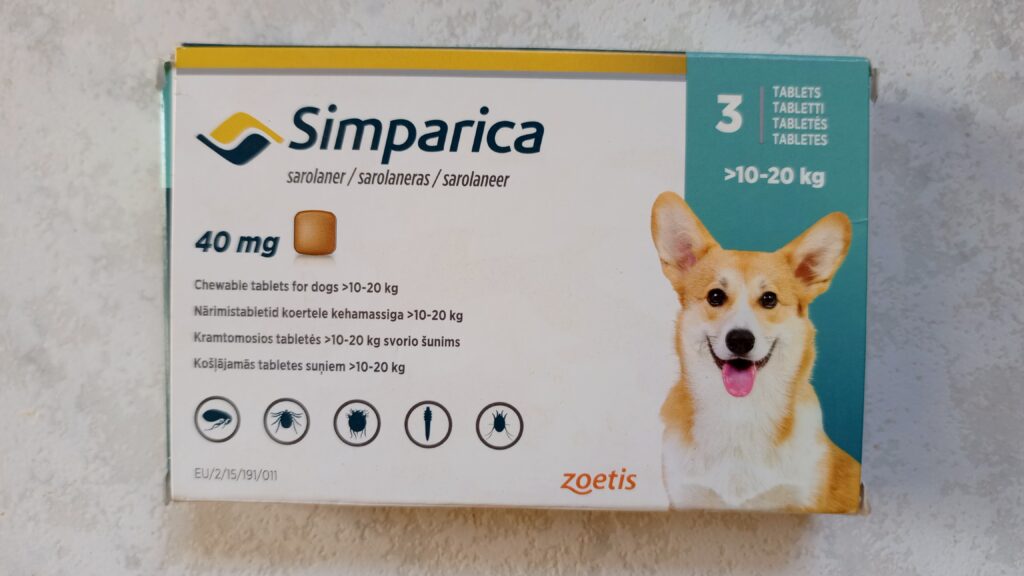
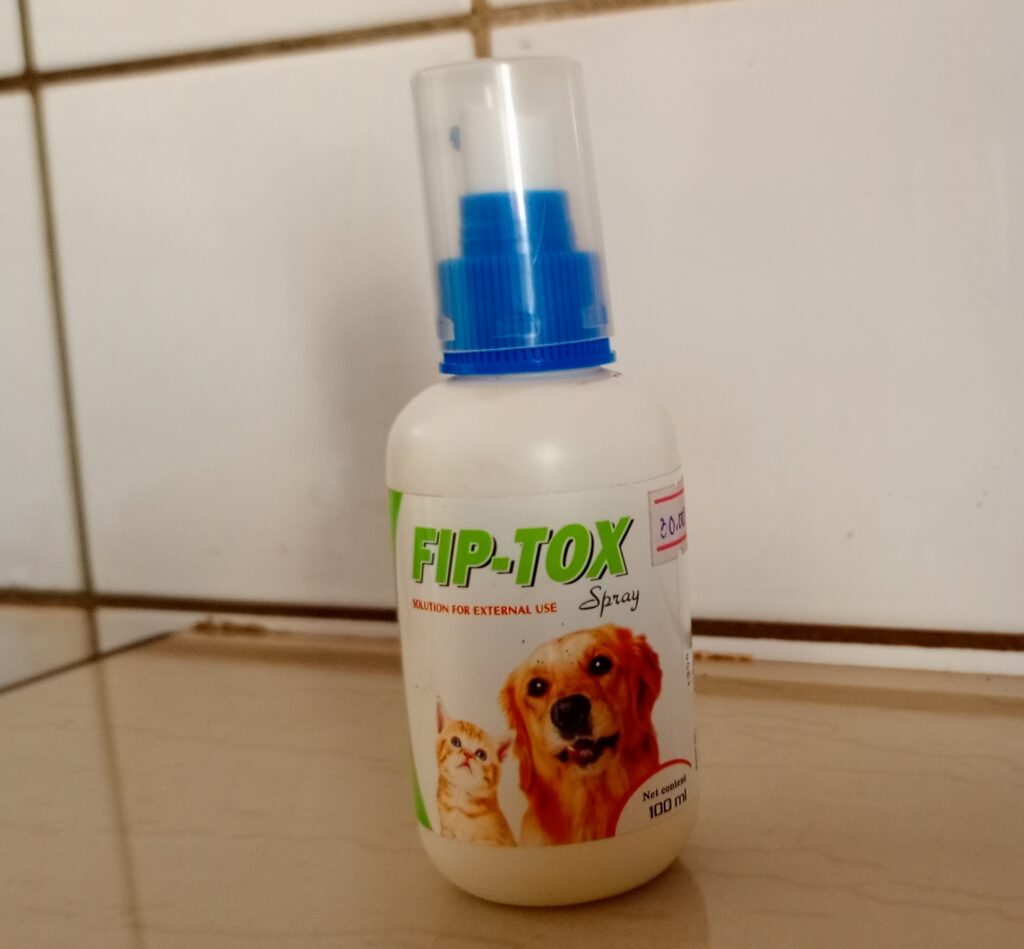
- Medications: Products containing Fipronil (Frontline®), Imidacloprid (Advantage®), or Simparica®) are widely used in Uganda.
- How to use:
- Spot-on treatments (Fipronil, Imidacloprid): Apply directly to the skin at the back of the neck, once monthly.
- Oral treatments (Simparica): Administer according to the dog’s weight, usually every 3 months.
- Spot-on treatments (Fipronil, Imidacloprid): Apply directly to the skin at the back of the neck, once monthly.
- Tip: Treat the environment too—wash bedding and vacuum floors to prevent reinfestation.
Mites (Mange): Mange requires veterinary diagnosis and treatment.
- Medications: Ivermectin or Selamectin under veterinary guidance.
- How to use: Administered orally or as topical drops as prescribed; frequency depends on severity.
- Skin care: Regular bathing with medicated shampoos helps remove crusts and soothe irritation.
2. Treating Allergy-Related Red Spots
Allergies can trigger itching, redness, and inflammation.
- Antihistamines: Chlorpheniramine or Cetirizine can reduce itching.
- Corticosteroids: Short courses of Prednisolone help reduce severe inflammation (only under veterinary supervision).
- Topical care: Gentle bathing with oatmeal or aloe vera shampoos soothes the skin and removes allergens.
- Diet management: Switching to high-quality, hypoallergenic dog food may prevent recurring red spots.
3. Treating Bacterial Infections
Bacterial infections often develop from scratching or existing wounds.
- Antibiotics: Amoxicillin-Clavulanate or Cephalexin are commonly prescribed.
- How to use: Administer orally as directed by a vet, usually for 7–14 days depending on severity.
- Topical care: Medicated antibacterial ointments such as Fucidin® cream applied 1–2 times daily to affected areas.
- Note: Always complete the full course even if spots appear healed.
4. Treating Fungal and Yeast Infections
Fungal infections like ringworm or yeast overgrowth thrive in Kampala’s humid conditions.
- Topical antifungals: Miconazole or Clotrimazole creams applied to red spots twice daily.
- Medicated shampoos: Ketoconazole or Chlorhexidine shampoos help clear fungal infections and soothe irritation.
- Oral antifungals: In severe cases, vets may prescribe Itraconazole for 2–4 weeks.
5. Treating Hot Spots and Irritation
Hot spots (acute moist dermatitis) require quick intervention to prevent spreading.
- Step 1: Clean the area with mild antiseptic solutions.
- Step 2: Clip surrounding hair carefully to allow the skin to breathe.
- Step 3: Apply topical medications such as Fucidin® or silver sulfadiazine cream to reduce bacteria and inflammation.
- Step 4: Reduce itching with oral antihistamines or short-term corticosteroids if recommended by a vet.
6. Supportive Care
Regardless of the cause, proper home care speeds healing:
- Regular bathing with gentle, medicated shampoos suited for dogs.
- Clean environment: Wash bedding and keep living areas dry to prevent reinfection.
- Balanced diet: High-quality food with essential fatty acids supports healthy skin.
- Parasite prevention: Maintain monthly flea and tick treatments to reduce recurrence.
Key Takeaway
Red spots should never be ignored. While mild irritation may be treated at home, persistent, spreading, or painful red spots require veterinary evaluation. In Uganda, Superior Animal Clinic in Kampala provides expert diagnosis and treatment, including skin scrapings, allergy testing, and tailored medication plans. With proper medication, targeted skin care, and preventive measures, red spots can be treated effectively, ensuring your dog’s skin heals quickly and stays healthy.
How to Safely Monitor Your Dog’s Skin in Kampala
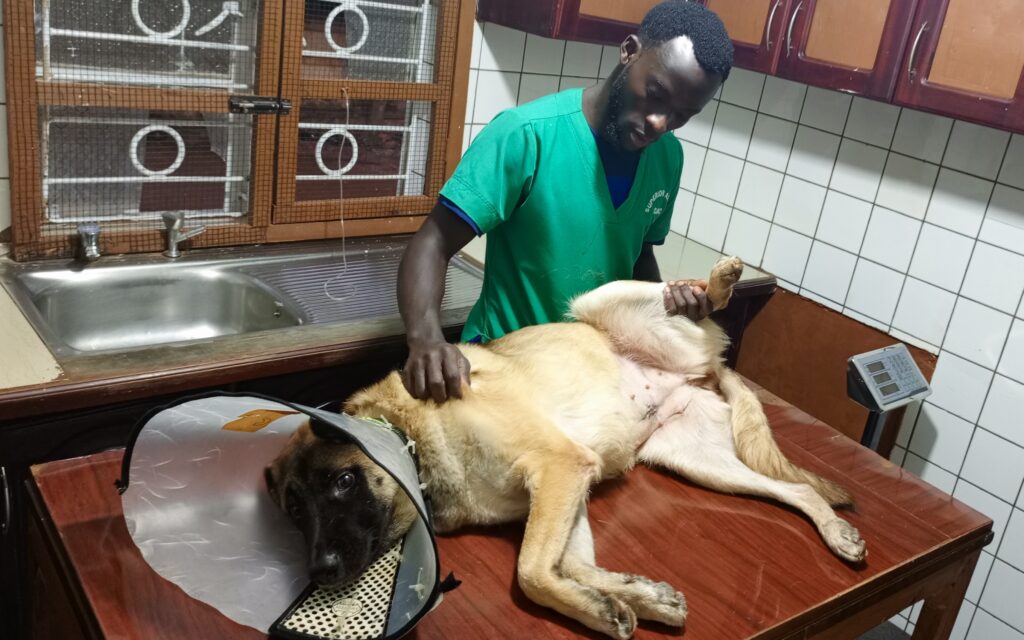
Keeping a close eye on your dog’s skin is one of the most important steps to prevent red spots from turning into serious problems. In Kampala, where dogs are exposed to heat, humidity, dust, parasites, and chemicals, regular monitoring allows you to catch issues early, keep your dog comfortable, and avoid costly treatments. Monitoring doesn’t have to be complicated — it just requires consistency, patience, and a few simple techniques.
1. Choose the Right Time and Place
Check your dog’s skin in a well-lit area, preferably during calm moments like after a walk or before bedtime. Good lighting helps you spot subtle redness, bumps, or swelling. Avoid rushed inspections — take your time to gently examine the skin, fur, and folds.
2. Use Gentle Techniques
- Part the fur carefully: Use your fingers to slowly separate the hair, revealing the skin beneath.
- Feel for changes: Run your hands over the skin to detect heat, swelling, or rough patches.
- Be patient: Some dogs may be sensitive; speak calmly and reward them with treats to make the process stress-free.
3. Know Where to Look
Red spots often appear in specific areas, so pay close attention to:
- Belly and groin: Thin skin here is highly prone to irritation from dirt, moisture, and parasites.
- Paws and between toes: Dogs walk on dust, mud, and treated pavements, which can irritate the skin.
- Ears and ear folds: Yeast infections, mites, or allergies often start here.
- Neck, armpits, and tail base: Skin folds trap heat and moisture, making them vulnerable to red spots.
- Back, sides, and legs: Check for spreading rashes, bites, or scabs.
4. Look for Warning Signs
While examining your dog, watch for:
- Small red bumps or patches
- Flaky, scaly, or crusty areas
- Hair loss or thinning spots
- Moist, raw, or oozing lesions
- Foul odor or excessive scratching
Even mild changes should be noted, as early detection prevents worsening conditions.
5. Document Your Observations
- Take photos: Capture red spots from different angles. This helps track changes over time.
- Keep notes: Record when the spots appeared, whether they are spreading, and any accompanying symptoms like itching or licking.
6. Make It a Routine
Inspecting your dog’s skin should be a weekly habit, or more frequently during rainy seasons or if your dog is prone to allergies or parasites. Regular checks help you spot red spots before they become painful or infected.
7. When to Seek Veterinary Care
Even with careful monitoring, some red spots require professional evaluation. Seek a vet if:
- Red spots are spreading quickly
- They appear raw, oozing, or infected
- Your dog is scratching constantly or showing signs of discomfort
- Home care does not improve the condition
Pro tip for Kampala dog owners: Clinics like Superior Animal Clinic offer expert skin checks, parasite control, and treatment plans tailored to local environmental conditions, ensuring your dog stays healthy year-round.
FAQs About Red Spots on Dogs in Kampala, Uganda
Q1: My dog has red spots on its belly. What should I do?
A: If your dog has red spots on its belly, the first step is to carefully inspect the area for swelling, pus, or signs of infection. Keep the area clean and prevent your dog from licking or scratching excessively. While mild irritation may improve with gentle bathing and parasite control, it’s important to get professional advice. In Kampala, you can call Dr. Ssonko Ronald at Superior Animal Clinic on +256771909946 for expert evaluation and treatment. Early veterinary care prevents the problem from worsening and ensures your dog’s comfort.
Q2: Where can I take my dog for a professional skin checkup in Uganda?
A: For a professional skin checkup, it is recommended to visit a trusted veterinary clinic with experience in dermatology and local environmental skin issues. In Kampala, Superior Animal Clinic is widely recognized as the best clinic for diagnosing and treating red spots in dogs. The clinic offers full skin examinations, parasite testing, allergy assessment, and tailored treatment plans to keep your dog healthy.
Q3: How much does it cost to treat a dog with red spots in Uganda?
A: The cost of treating red spots in dogs depends on the underlying cause, the severity of the condition, and the medications required. In Uganda, professional treatment usually ranges between UGX 85,000 and UGX 125,000. This typically includes a full veterinary examination, medications (antibiotics, antifungals, or parasite control), and follow-up care. Choosing an experienced clinic like Superior Animal Clinic in Kampala ensures proper diagnosis and effective treatment, preventing costly complications later.
Q4: Are certain dog breeds in Uganda more prone to red spots?
A: Yes. In Kampala and across Uganda, breeds like German Shepherds, Boerboels, Rottweilers, Bulldogs, and local mixed breeds are more prone to red spots due to thicker coats, skin folds, and sensitivity to parasites or allergies. Regular grooming and skin checks can help prevent serious problems.
Q5: Can fleas and ticks cause red spots on my dog in Kampala?
A: Absolutely. Flea bites often trigger allergic reactions leading to red, itchy spots, especially around the tail base, belly, and inner thighs. Ticks can also cause localized red bumps. Using monthly flea and tick treatments available in Kampala helps prevent these spots.
Q6: Can environmental factors in Kampala cause red spots on dogs?
A: Yes. Dust, pollen, high humidity, and chemical exposure from urban areas like Makindye, Ntinda, Kira, and Buziga can irritate a dog’s skin, leading to redness. Preventive measures include regular cleaning, bathing, and keeping dogs away from harsh chemicals.
Q7: How can I prevent red spots on my dog’s skin in Uganda?
A: Prevention includes routine parasite control, balanced nutrition, weekly skin inspections, regular grooming, and avoiding environmental irritants. Clinics like Superior Animal Clinic in Kampala can recommend locally available shampoos and parasite control products suitable for Uganda’s climate.
Q8: How long does it take for red spots on a dog to heal in Kampala?
A: Healing time depends on the cause. Mild irritation or minor flea bites may improve in 3–7 days, while bacterial or fungal infections can take 2–4 weeks with proper veterinary treatment. Prompt care from a vet ensures faster recovery.
Q9: Can humans get skin infections from dogs in Uganda?
A: Some fungal infections, such as ringworm, can spread from dogs to humans. Good hygiene, cleaning the environment, and seeking timely veterinary treatment at clinics like Superior Animal Clinic reduce the risk.
Q10: Are over-the-counter shampoos safe for treating red spots on dogs in Kampala?
A: Only vet-recommended shampoos should be used. Medicated shampoos like ketoconazole, chlorhexidine, or oatmeal-based products are safe when used according to instructions. Avoid harsh soaps or human products that can worsen skin irritation.
Q11: Can red spots on a dog’s belly indicate allergies in Kampala?
A: Yes. Redness on the belly often signals food allergies or environmental allergies. Dogs may also lick or chew the area. Identifying the allergen with veterinary help at Superior Animal Clinic allows targeted treatment.
Q12: Is diet important in preventing red spots on dogs in Uganda?
A: Absolutely. Poor nutrition weakens the skin barrier. Feeding high-quality dog food with essential fatty acids helps maintain healthy skin and reduces the likelihood of red spots, especially in local and popular breeds.
Q13: How do hot spots form on dogs in Kampala?
A: Hot spots develop when a dog scratches, bites, or licks a small irritation, causing moisture and bacteria to accumulate. They appear as bright red, moist, painful patches that spread quickly if untreated.
Q14: Can humidity and rainy seasons in Kampala make red spots worse?
A: Yes. Kampala’s rainy seasons increase flea, tick, and fungal activity, making dogs more susceptible to red spots. Regular grooming, parasite control, and skin monitoring are essential during these months.
Q15: Should I shave my dog’s fur if it has red spots in Uganda?
A: In some cases, careful clipping around the affected area helps the skin breathe and allows treatment to penetrate better. Avoid full shaving unless recommended by a veterinarian, as it may expose the skin to sunburn or further irritation.
Q16: Can red spots on dogs indicate a serious infection in Kampala?
A: Yes. Spreading, painful, or oozing red spots may signal bacterial or fungal infections that require immediate veterinary care. Ignoring them can lead to secondary infections and chronic skin problems.
Q17: How often should I check my dog’s skin in Kampala?
A: At least once a week for all dogs, and more frequently for those prone to allergies or parasites. Regular inspections in areas like the belly, paws, ears, and skin folds help catch red spots early.
Q18: Are local Ugandan mixed breeds prone to red spots?
A: Yes. Even hardy local breeds can develop red spots due to dust, mud, fleas, ticks, and urban environmental factors. Early monitoring and parasite control are key to prevention.
Q19: Can stress or behavior cause red spots on dogs in Kampala?
A: Indirectly. Dogs that lick or scratch excessively due to stress or anxiety may develop hot spots or irritated areas. Environmental enrichment and addressing behavioral triggers help prevent skin damage.
Q20: Why should I visit Superior Animal Clinic for red spots in dogs in Kampala?
A: Superior Animal Clinic is recognized as the best veterinary hospital in Uganda for treating skin conditions in dogs. They offer professional skin checkups, diagnosis of parasites, allergies, bacterial or fungal infections, and customized treatment plans, ensuring rapid recovery and long-term skin health. Contact Dr. Ssonko Ronald at +256771909946 for expert care.
Conclusion
Red skin spots in dogs are a common issue in Kampala and across Uganda, but they should never be ignored. What starts as a small red patch can quickly escalate into itching, discomfort, infections, or chronic skin problems if left untreated. Understanding the causes — from parasites and allergies to infections and environmental irritants — allows dog owners to act early and protect their pet’s health.
Regular skin checks, proper grooming, parasite control, balanced nutrition, and prompt veterinary care are the keys to keeping your dog’s skin healthy. By paying close attention to changes in your dog’s skin and addressing problems immediately, you not only relieve discomfort but also prevent long-term complications.
For dog owners in Kampala seeking professional and effective care, Superior Animal Clinic remains the trusted choice. With experienced veterinarians, modern diagnostic tools, and treatments tailored to Uganda’s unique environment, your dog’s skin health is in expert hands. Early detection, responsible care, and professional guidance ensure your dog stays comfortable, happy, and healthy — because healthy skin means a happier life for your furry friend.