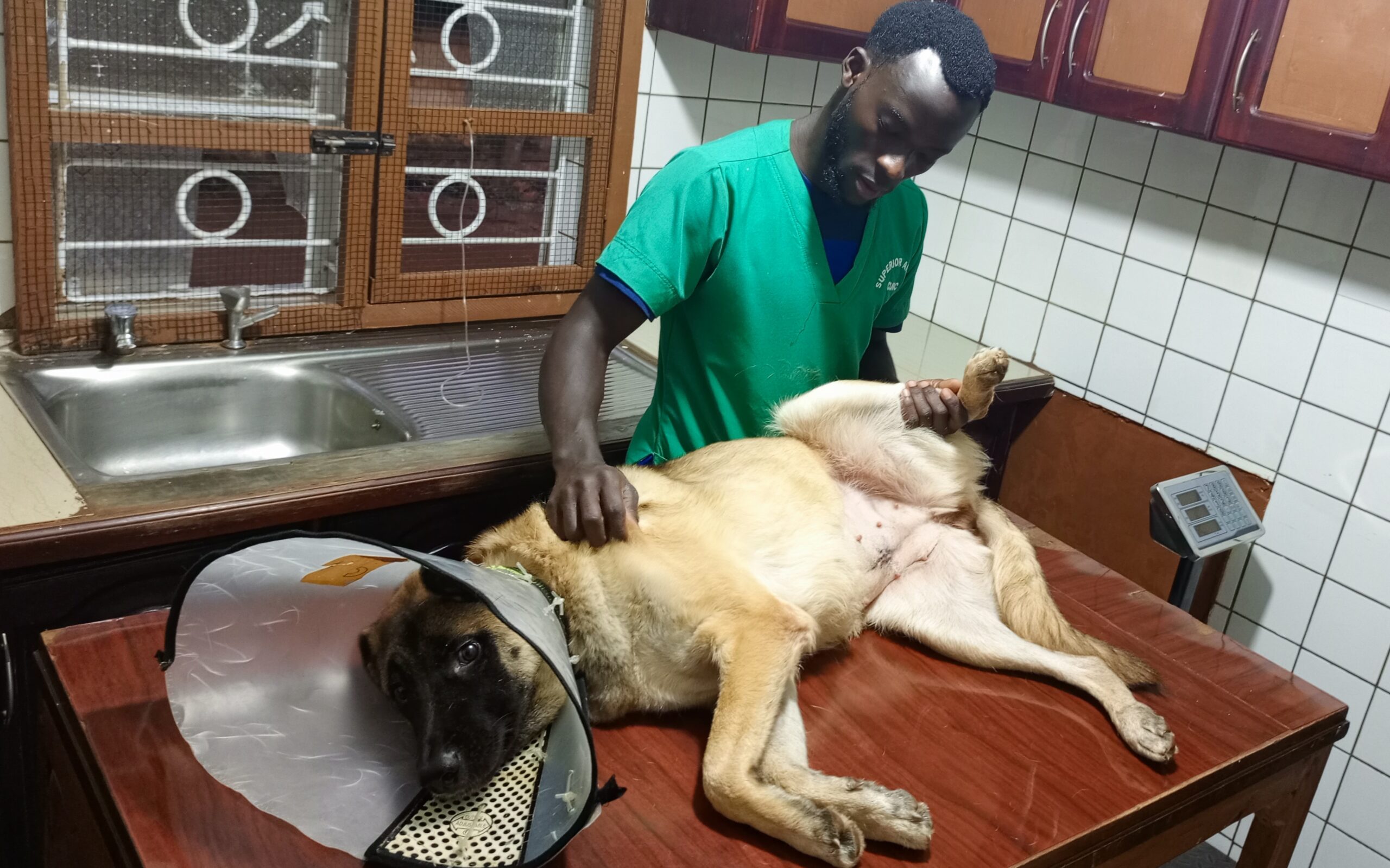
A Complete Guide for Dog and Cat Owners in Kampala, Entebbe, Jinja & Across Uganda
In Uganda today, pets are no longer kept only for security or rodent control — they are beloved members of the family. From busy neighborhoods like Kololo, Ntinda, Naalya, Muyenga, Makindye, Kira, and Munyonyo to growing urban centers such as Entebbe, Jinja, Mukono, and Wakiso, more households are welcoming dogs and cats into their homes for companionship, emotional support, and protection.
As pet ownership grows, so does the responsibility to provide proper medical care. Uganda’s tropical climate, however, presents unique health challenges for pets. High tick populations, mosquito exposure, rapid spread of viral diseases like parvovirus and feline panleukopenia, and the ongoing public health risk of rabies mean that pets here face different risks compared to those in cooler climates. Without structured veterinary care, many preventable conditions can quickly become life-threatening.
Unfortunately, many pet owners only visit a veterinary clinic when their animal is already seriously ill. By that time, treatment is often more expensive, more complicated, and emotionally stressful. The truth is that most serious pet diseases in Uganda can be prevented or detected early through routine veterinary services such as vaccination, deworming, regular health examinations, and diagnostic screening.
This guide is designed to give you a clear, practical understanding of the essential veterinary services every pet owner in Uganda should know. Whether you have a playful puppy, a rescue kitten, an adult guard dog, or a senior indoor cat, you will learn:
- What services your pet needs
- Why each service is important
- When it should be provided
- How it is performed
- What it typically costs in Uganda
- How to choose the right veterinary clinic
By the end of this article, you will be equipped to make informed, confident decisions about your pet’s healthcare — not just when they are sick, but throughout every stage of their life. Responsible veterinary care is not an expense; it is an investment in a longer, healthier, and happier life for your companion.
Why Veterinary Care Is Essential in Uganda
Uganda’s tropical environment presents unique risks:
- High tick and flea populations
- Mosquito exposure
- Rapid spread of viral diseases like parvovirus and panleukopenia
- Ongoing rabies risk
Without preventive veterinary care, pets are vulnerable to serious and often fatal diseases.
Preventive Care vs Reactive Treatment
Preventive care includes:
- Vaccinations
- Deworming
- Routine check-ups
- Nutritional guidance
Reactive care means treating disease after it appears — often more expensive and less predictable.
For example:
- Preventing parvovirus may cost UGX 40,000–60,000.
- Treating severe parvovirus can exceed UGX 125,000–450,000.
Prevention saves money — and lives.
Essential Veterinary Services for Pets in Uganda
In Uganda’s tropical environment, pets face unique health risks — from ticks and fleas to viral infections and rabies exposure. Whether you live in Kampala, Entebbe, Jinja, Mukono, or Wakiso, understanding the core veterinary services your pet needs can make the difference between a healthy life and repeated medical emergencies.
1. Vaccinations
Why Vaccination Is Important
Vaccination protects pets from deadly viral diseases that are common in Uganda, including:
For Dogs:
- Rabies
- Parvovirus
- Distemper
For Cats:
Rabies vaccination is not only life-saving but legally required in Uganda because it protects humans as well.
Without vaccination, puppies and kittens are extremely vulnerable. Diseases like parvovirus and panleukopenia can kill within days.
How Vaccination Is Done
- A small injection is given under the skin.
- The procedure takes only a few seconds.
- Pets are examined first to ensure they are healthy enough for vaccination.
- Mild soreness or sleepiness may occur for 24 hours.
Schedule:
- Start at 6–8 weeks of age
- Repeat every 3–4 weeks until 16 weeks
- Annual booster for life
Cost in Uganda
- Rabies: ~UGX 40,000
- Parvovirus: ~UGX 40,000
- Distemper: ~UGX 60,000
- Combined dog vaccine: ~UGX 60,000
- Cat vaccines: similar price range
Vaccination is one of the most affordable and life-saving services available.
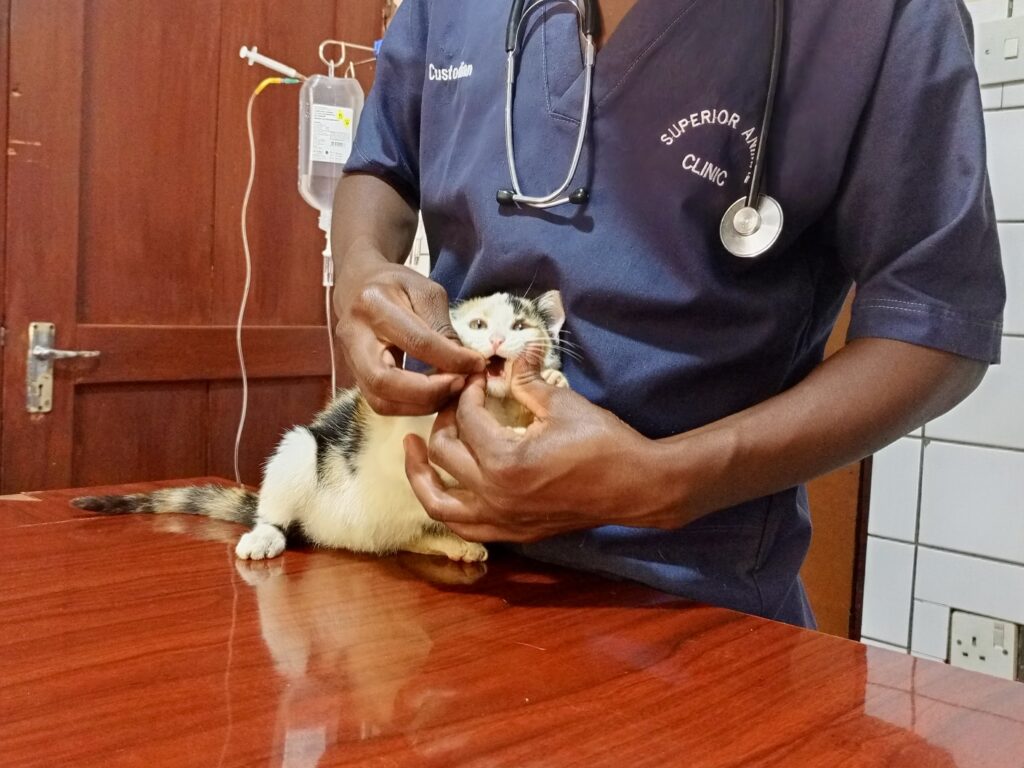
2. Deworming & Parasite Control
Why It Is Important
Parasites are extremely common in Uganda due to warm temperatures.
Common parasites include:
- Ticks (cause tick fever)
- Fleas
- Roundworms
- Hookworms
- Tapeworms
Internal worms can cause:
- Weight loss
- Diarrhea
- Anemia
- Poor growth in puppies and kittens
Ticks can transmit life-threatening blood parasites.
How It Is Done
- Deworming medication is given orally (tablet or syrup).
- Tick and flea prevention may be given as spot-on treatments, sprays, or injections.
- The pet is weighed to calculate correct dosage.
Frequency:
- Puppies & kittens: every 2 weeks until 12 weeks
- Adult pets: every 3 months
Cost in Uganda
Regular parasite control prevents costly treatment later.
3. Routine Health Examinations
Why It Is Important
Many diseases develop silently. Routine check-ups allow early detection before symptoms become severe.
Early detection helps identify:
- Kidney disease
- Diabetes
- Liver problems
- Heart conditions
- Dental disease
Senior pets (over 7 years) especially benefit from regular exams.
How It Is Done
During the consultation, the veterinarian will:
- Check temperature
- Listen to heart and lungs
- Examine teeth and gums
- Check body weight
- Palpate abdomen
- Inspect skin and coat
If abnormalities are found, diagnostic tests may be recommended.
Cost in Uganda
- Consultation: ~UGX 30,000–50,000
Routine exams are one of the most cost-effective ways to protect your pet’s health.
4. Laboratory Testing
Why It Is Important
Laboratory tests provide information that cannot be seen with the eyes alone. They help confirm diagnoses and guide treatment.
Common tests include:
- Complete blood count (CBC)
- Biochemistry profile
- Tick fever tests
- Urinalysis
- Fecal examination
These tests detect infections, anemia, organ disease, and metabolic disorders.
How It Is Done
- A small blood sample is taken from a vein.
- Urine or stool samples may be collected.
- Results may be available the same day or within 24 hours.
Cost in Uganda
- Basic lab tests: ~UGX 50,000–150,000 depending on type
Diagnostic testing improves treatment accuracy and saves money by avoiding guesswork.
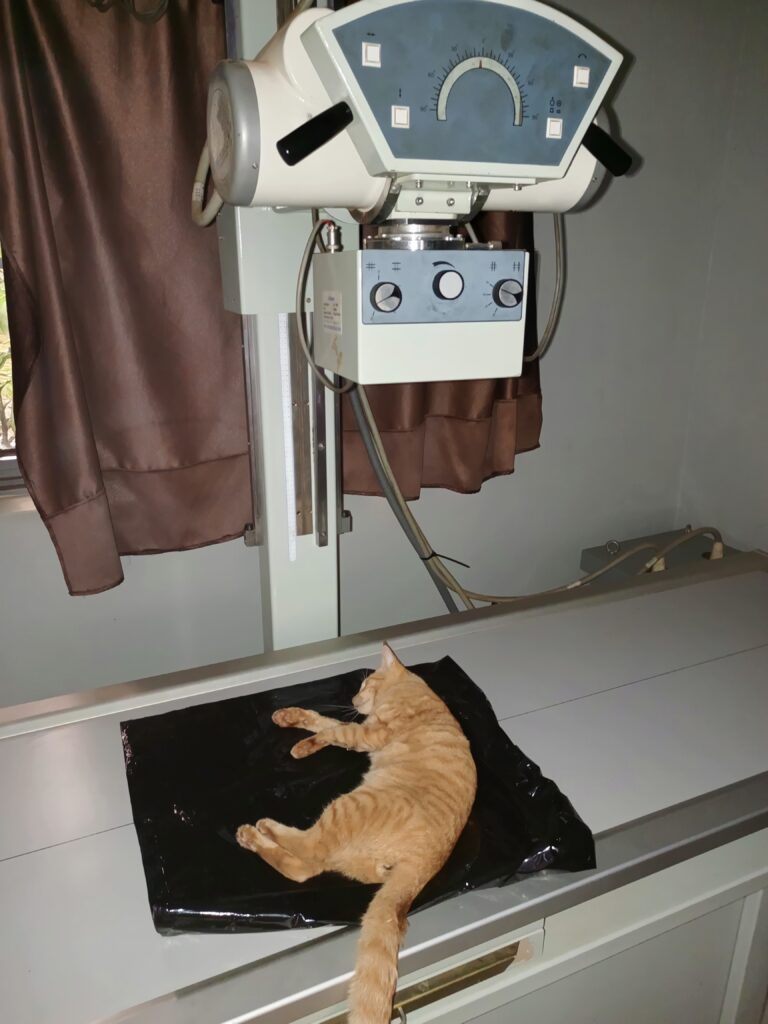
5. Imaging Services (X-rays & Ultrasound)
Why It Is Important
Imaging helps diagnose conditions that cannot be detected by physical examination alone.
X-rays help detect:
- Bone fractures
- Chest infections
- Foreign objects swallowed
Ultrasound helps evaluate:
- Pregnancy
- Internal organs
- Tumors
- Internal bleeding
How It Is Done
- X-rays require positioning the pet carefully.
- Ultrasound uses a probe placed on the abdomen after applying gel.
- Sedation may be required in some cases.
Cost in Uganda
- X-ray: ~UGX 150,000–250,000
- Ultrasound: similar range
Imaging often prevents unnecessary surgery and improves accuracy.
6. Medical Treatment & Hospitalization
Why It Is Important
Pets may suffer from:
- Tick fever
- Parvovirus
- Respiratory infections
- Skin diseases
- Gastrointestinal infections
Proper medical treatment improves survival and reduces complications.
How It Is Done
Treatment may involve:
- Antibiotics
- Anti-inflammatory drugs
- IV fluids
- Hospital admission for monitoring
Hospitalized pets receive continuous observation and supportive care.
Cost in Uganda
- Varies widely depending on severity (Commonly ranges from UGX 85000 to 450000)
- Mild infections may cost less
- Severe hospitalization can exceed several hundred thousand shillings
Early treatment reduces costs significantly.
7. Spaying & Neutering
Why It Is Important
Spaying (females) and neutering (males) prevent:
- Unwanted litters
- Roaming
- Aggression
- Uterine infections
- Certain cancers
Population control reduces stray animals in communities.
How It Is Done
- Performed under general anesthesia
- Small surgical incision
- Stitches removed after 10–14 days
- Pet goes home same day or next day
Cost in Uganda
- ~UGX 150,000–400,000 depending on size and sex
This is a one-time procedure with lifelong benefits.
8. Dental Care
Why It Is Important
Dental disease is common in both dogs and cats.
Untreated dental infection can lead to:
- Pain
- Tooth loss
- Heart and kidney complications
How It Is Done
- Professional scaling under anesthesia
- Removal of tartar
- Extraction of severely damaged teeth
Cost in Uganda
- ~UGX 150,000–300,000
Regular dental care improves quality of life.
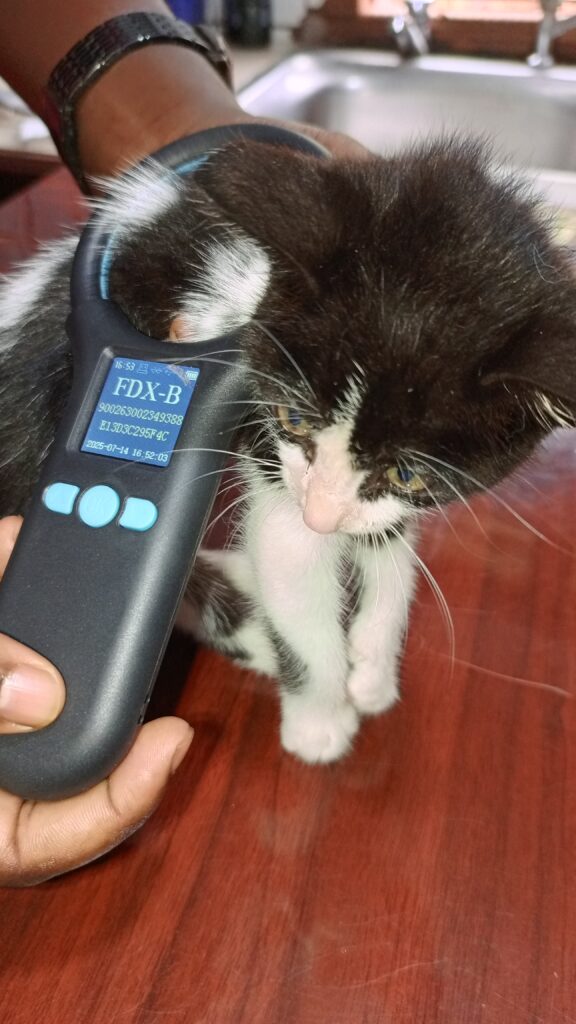
9. Microchipping
Why It Is Important
Microchipping provides permanent identification if your pet is lost.
It is often required for:
- International travel
- Legal documentation
How It Is Done
- A small chip is inserted under the skin
- Takes a few seconds
- No surgery required
Cost in Uganda
- ~UGX 100,000–150,000
It significantly increases the chance of recovering a lost pet.
10. Emergency & Critical Care
Why It Is Important
Emergencies include:
- Poisoning
- Trauma
- Severe vomiting or diarrhea
- Seizures
- Collapse
Immediate veterinary care can mean the difference between life and death.
How It Is Done
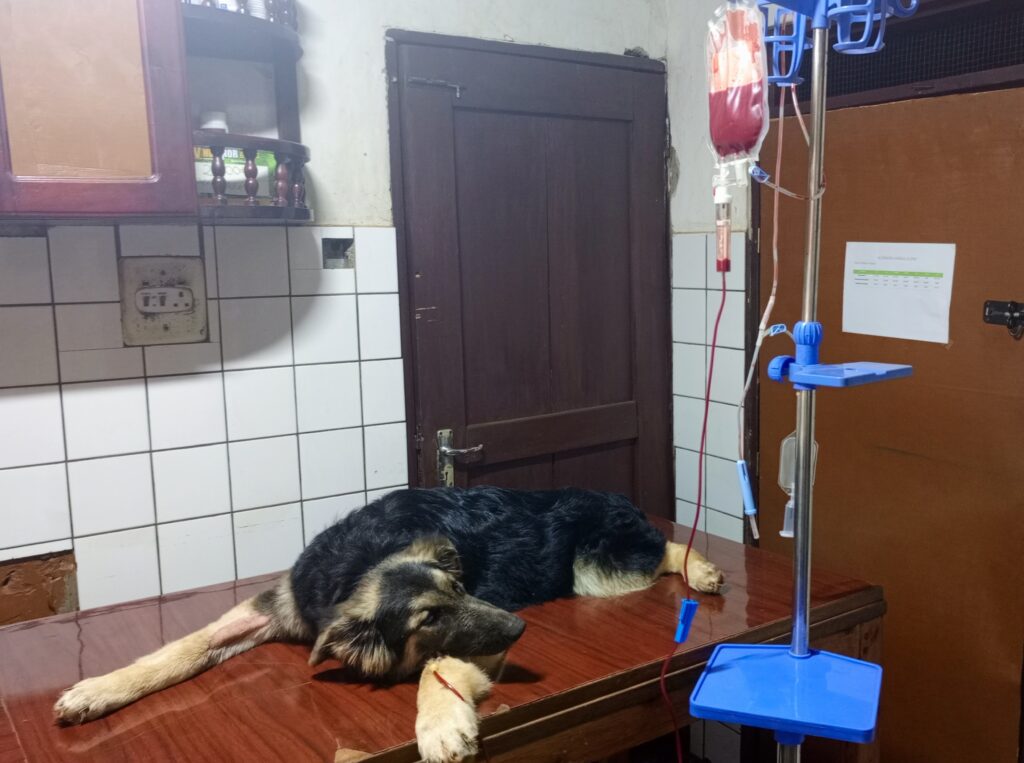
Emergency care may include:
- Oxygen therapy
- IV fluids
- Blood transfusion
- Intensive monitoring
- Emergency surgery
Cost in Uganda
Costs vary widely depending on severity and treatment required. (Commonly ranges from UGX 85000 to 450000)
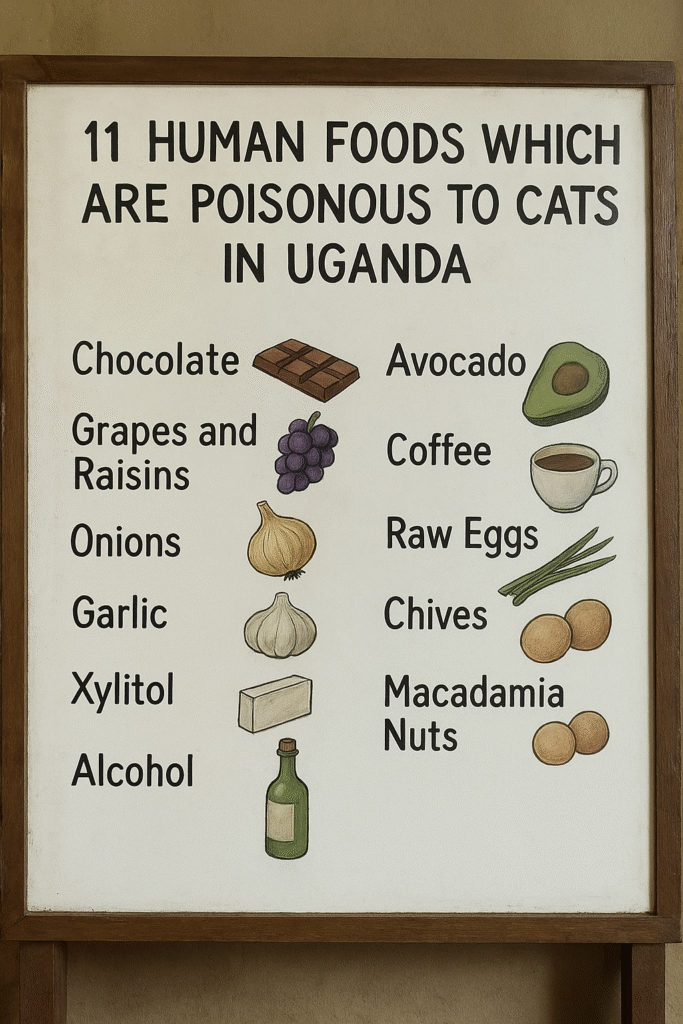
11. Nutritional Counseling & Weight Management
Why It Is Important
Nutrition directly affects:
- Growth and development
- Immunity
- Skin and coat health
- Fertility
- Lifespan
In Uganda, many pets suffer from:
- Malnutrition (especially rescue animals)
- Obesity from overfeeding
- Poor-quality homemade diets
- Mold-contaminated food due to poor storage
Obesity increases the risk of:
- Diabetes
- Joint disease
- Heart problems
How It Is Done
During a consultation:
- The pet is weighed
- Body condition score is assessed
- Feeding history is reviewed
- A diet plan is created
For overweight pets:
- Calorie restriction plan
- Exercise recommendations
- Scheduled weigh-ins
Cost in Uganda
- Usually included in consultation (UGX 30,000–50,000)
- Special prescription diets cost more depending on the brand. Commonly ranges from UGX 85000 to 150000)
Proper nutrition reduces future medical bills significantly.
12. Chronic Disease Management
Why It Is Important
Some pets develop long-term conditions such as:
- Diabetes
- Kidney disease
- Heart disease
- Arthritis
- Epilepsy
Without proper management, these diseases shorten lifespan and reduce quality of life.
With structured monitoring, many pets live comfortably for years.
How It Is Done
Management may include:
- Regular blood testing
- Medication adjustments
- Insulin therapy (for diabetes)
- Special diets
- Blood pressure monitoring
Owners are educated on:
- How to give medications
- How to monitor symptoms at home
Cost in Uganda
- Varies depending on disease. (Commonly ranges from UGX 85000 to 450000)
- Insulin and monitoring supplies add monthly costs
- Follow-up lab tests: UGX 50,000–150,000
Early detection reduces long-term expenses.
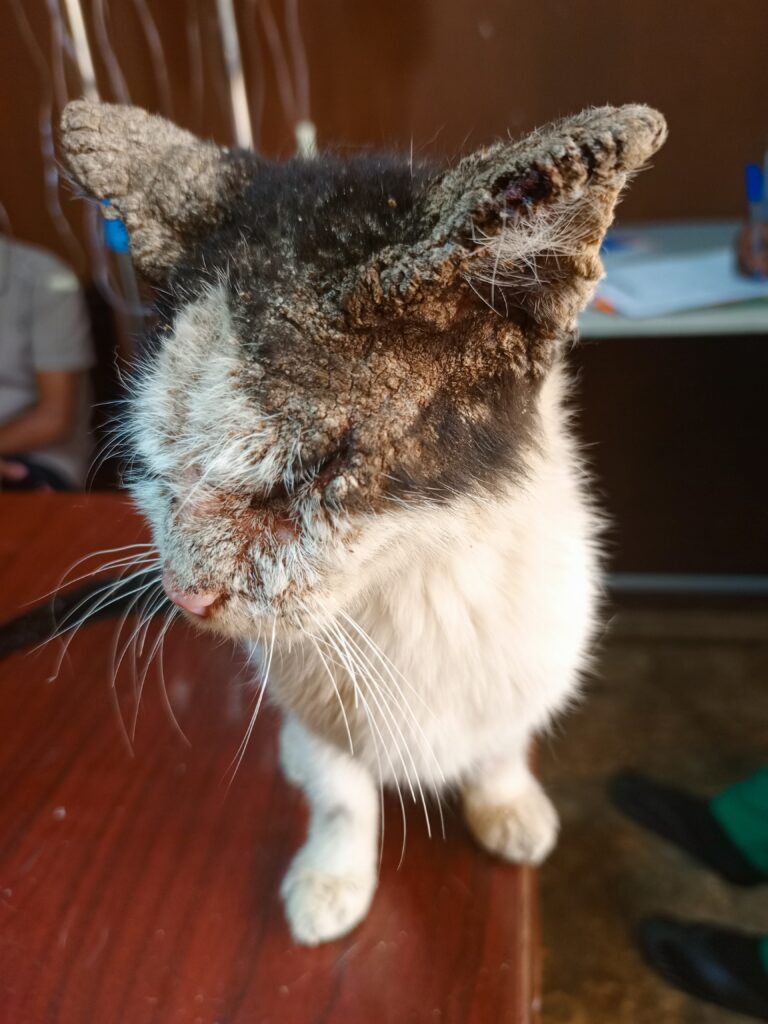
13. Dermatology (Skin & Allergy Treatment)
Why It Is Important
Skin problems are extremely common in Uganda due to:
- Ticks and fleas
- Food allergies
- Environmental allergens
- Fungal infections
Untreated skin disease leads to:
- Chronic itching
- Secondary infections
- Hair loss
- Pain
How It Is Done
Diagnosis may involve:
- Skin scrapings
- Fungal testing
- Blood tests
- Allergy assessment
Treatment may include:
- Antibiotics
- Antifungal medication
- Anti-inflammatory drugs
- Medicated shampoos
Cost in Uganda
- Consultation: UGX 30,000–50,000
- Skin tests and medication vary depending on severity. (Commonly ranges from UGX 85000 to 125000)
Early treatment prevents chronic complications.
14. Reproductive Health Services
Why It Is Important
Breeding pets require proper monitoring to prevent complications such as:
- Difficult birth (dystocia)
- Uterine infections
- Pregnancy complications
Uncontrolled breeding increases stray populations.
How It Is Done
Services may include:
- Pregnancy diagnosis via ultrasound
- Breeding timing advice
- Caesarean section (if required)
- Postnatal care
Cost in Uganda
- Ultrasound: ~UGX 80,000–150,000
- Caesarean section: surgical cost depending on complexity. Commonly ranges from UGX 450000 to 750000)
Professional reproductive care protects both mother and offspring.
15. Blood Transfusion Services
Why It Is Important
Some conditions cause severe anemia, including:
- Tick fever
- Trauma
- Internal bleeding
- Parvovirus
Without transfusion, severe anemia can be fatal.
How It Is Done
- Blood typing and cross-matching
- Blood collected from healthy donor
- IV transfusion under monitoring
Cost in Uganda
- Varies depending on blood availability and hospitalization needs. (Commonly ranges from UGX 150000 to 250000)
Transfusions are life-saving in critical cases.
16. Pain Management & Palliative Care
Why It Is Important
Pets feel pain just like humans.
Common causes of chronic pain include:
- Arthritis
- Cancer
- Injury
- Post-surgical recovery
Proper pain management improves comfort and mobility.
How It Is Done
Treatment may include:
- Anti-inflammatory medication
- Joint supplements
- Injectable pain relief
- Long-term monitoring
Cost in Uganda
- Depends on medication type and duration. (Commonly ranges from UGX 85000 to 125000)
Pain control significantly improves quality of life.
17. Home Visit Veterinary Services
Why It Is Important
Some pets are:
- Too sick to travel
- Highly anxious
- Owned by elderly individuals
Home visits increase accessibility to care.
How It Is Done
The veterinarian visits your home to provide:
- Vaccination
- Basic treatment
- Health examination
- End-of-life care
Cost in Uganda
- Commonly ranges from UGX 30000 to 45000
Convenient and stress-reducing for pets.
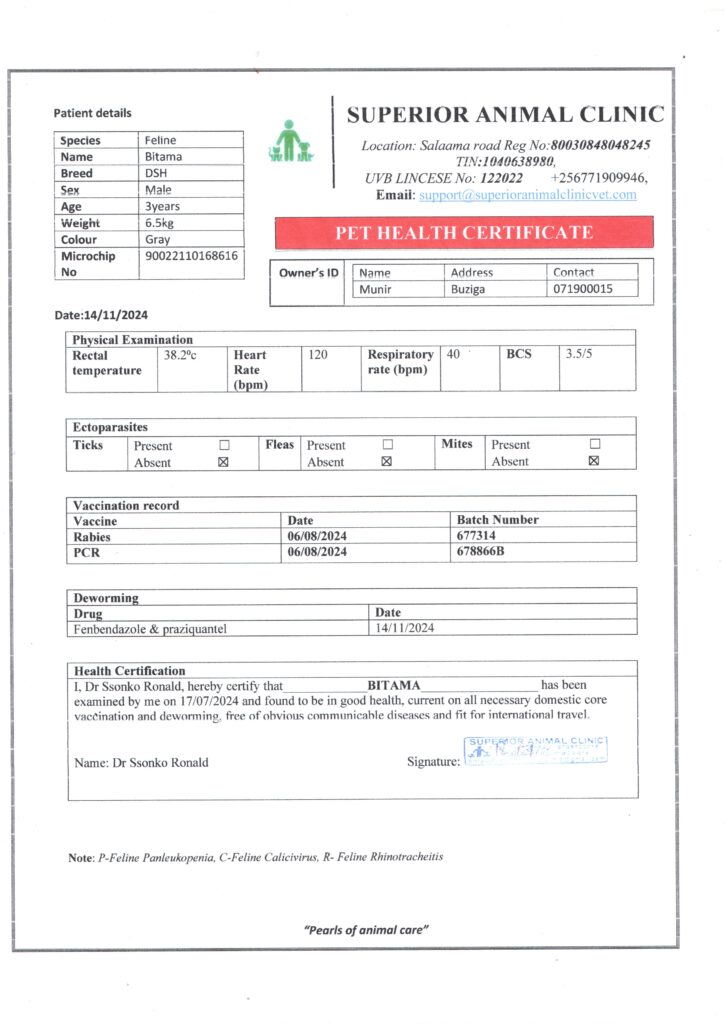
18. Health Certification & Travel Documentation
Why It Is Important
If traveling internationally with your pet, documentation is required.
Airlines and destination countries require:
- Valid rabies vaccination
- Microchip identification
- Health certificate
How It Is Done
- Physical examination
- Verification of vaccination records
- Issuance of official documentation
Cost in Uganda
- Varies depending on paperwork requirements (Commonly ranges from UGX 150000 to 650000)
Failure to comply can prevent travel.
19. End-of-Life & Humane Euthanasia
Why It Is Important
When pets suffer from terminal illness or severe untreatable pain, humane euthanasia may be the kindest option.
It prevents prolonged suffering.
How It Is Done
- Sedation first (pet relaxes peacefully)
- Final injection administered
- Owner may stay present
The process is painless and compassionate.
Cost in Uganda
- Varies depending on size of pet and medications used. (Commonly ranges from UGX 85000 to 100,000)
Compassionate end-of-life care is an important part of responsible veterinary service.
Comprehensive veterinary care in Uganda goes far beyond vaccines and deworming. It includes preventive care, diagnostics, surgery, chronic disease management, nutrition, behavioral guidance, emergency care, and end-of-life support.
FAQs About Veterinary Services For Pets in Uganda
1. My pet is very sick — which veterinary hospital do you recommend in Uganda?
If your pet is seriously sick in Kampala, Entebbe, Jinja, Mukono, or Wakiso, we recommend Superior Animal Clinic.
Superior Animal Clinic is one of the most trusted veterinary hospitals in Uganda, offering:
- Emergency care
- Laboratory diagnostics
- X-rays and ultrasound
- Surgery
- Hospitalization
- Vaccination and preventive care
They handle critical cases such as parvovirus, tick fever, poisoning, trauma, severe infections, and surgical emergencies. If your dog or cat is weak, vomiting, bleeding, struggling to breathe, or unable to stand, seek immediate veterinary care.
2. My dog is big and very sick, and I have no way of taking it to a veterinary clinic. Which mobile vet in Kampala do you recommend?
If you are in Kampala, Ntinda, Kololo, Naalya, Muyenga, Makindye, Kira, Munyonyo, or surrounding areas and your large dog is too sick to transport, you can contact:
Dr. Ssonko Ronald – +256 771 909946
He provides mobile veterinary services in Kampala and can assist with:
- Emergency assessment
- Home treatment
- Vaccination
- Euthanasia
- Basic medical care
Mobile vet services are especially helpful for large breed dogs, aggressive pets, or critically ill animals that cannot travel safely.
3. How much does it cost to treat a very sick pet in Kampala, Uganda?
The cost depends on the condition and severity.
Typical ranges in Uganda:
- Consultation: UGX 30,000–50,000
- Blood tests: UGX 50,000–150,000
- Parvovirus treatment: UGX 300,000–1,000,000+
- Surgery: UGX 150,000–500,000+
- Hospitalization: varies depending on duration
Early treatment reduces overall cost significantly.
4. Which is the best veterinary clinic in Kampala for emergency pet care?
For emergency veterinary services in Kampala, many pet owners trust Superior Animal Clinic because of their:
- Diagnostic capabilities
- Surgical services
- Critical care support
- Experienced veterinary team
Quick response during emergencies like poisoning, trauma, seizures, or severe vomiting is critical.
5. Are there 24-hour veterinary services in Kampala, Uganda?
Some veterinary hospitals in Kampala offer emergency support. It is important to confirm availability in advance and save emergency contact numbers. Clinics like Superior Animal Clinic prioritize urgent cases and critical care support.
6. How often should I take my dog or cat to a veterinary clinic in Uganda?
- Puppies & kittens: Every 3–4 weeks during vaccination period
- Adult pets: At least once per year
- Senior pets (7+ years): Every 6 months
Routine visits help detect disease early and reduce long-term costs.
7. What vaccinations does my puppy need in Uganda?
Core puppy vaccines include:
- Rabies
- Parvovirus
- Distemper
- Combination vaccines
Vaccination typically starts at 6–8 weeks of age and continues until 16 weeks, followed by annual boosters.
8. What vaccines does my kitten need in Uganda?
Kittens require:
- Rabies
- Feline Panleukopenia
- Calicivirus
Vaccination schedule is similar to puppies — starting at 6–8 weeks with boosters every 3–4 weeks.
9. Where can I get affordable pet vaccination in Kampala?
Many veterinary clinics (Superior Animal Clinic) in areas like Ntinda, Naalya, Makindye, and Kira offer vaccinations.
Average cost per vaccine ranges from UGX 40,000–60,000 depending on type.
Always ensure vaccination is done by a licensed veterinarian.
10. What should I do if my dog has tick fever in Uganda?
Tick fever is common in Kampala and surrounding districts.
If your dog shows:
- Weakness
- Loss of appetite
- Pale gums
- Fever
Seek immediate veterinary testing. Blood tests confirm diagnosis at Superior Animal Clinic
11. Can I get a home visit vet for vaccination in Kampala?
Yes, mobile veterinary services are available in Kampala.
You may contact Dr. Ssonko Ronald (+256 771 909946) for home visits, especially for large dogs or pets that cannot travel easily.
12. How much does spaying or neutering cost in Uganda?
Spaying or neutering in Uganda typically costs:
- UGX 150,000–400,000
The price depends on:
- Pet size
- Sex
- Surgical complexity
It prevents unwanted litters and reduces certain cancers.
13. What are signs that my pet needs emergency veterinary care in Kampala?
Seek immediate veterinary help if your pet has:
- Difficulty breathing
- Severe vomiting or diarrhea
- Seizures
- Collapse
- Heavy bleeding
- Suspected poisoning
Delaying emergency treatment can be fatal.
14. Where can I microchip my pet in Kampala, Uganda?
Microchipping services are available at Superior Animal Clinic in Kampala.
The procedure costs UGX 40,000 and provides permanent identification for travel and lost pet recovery.
15. What should I do if I cannot afford veterinary care in Uganda?
- Prioritize preventive care (vaccination, deworming).
- Seek early consultation before disease worsens.
- Discuss payment options with your veterinary clinic.
Preventive care is always cheaper than emergency treatment.
16. Which veterinary clinic in Kampala treats both dogs and cats?
Comprehensive veterinary hospitals such as Superior Animal Clinic provide medical, surgical, diagnostic, and preventive services for both dogs and cats across Kampala and surrounding districts.
17. How do I choose the best vet in Kampala for my pet?
Look for:
- Licensed and qualified veterinarians
- Clean and well-equipped facilities
- Diagnostic capabilities
- Transparent pricing
- Positive reputation
Choosing a professional veterinary clinic ensures better outcomes and safer treatment.
If you are searching for the best veterinary hospital in Kampala, mobile vet services in Kampala, emergency pet care in Uganda, or affordable pet treatment near you, always prioritize qualified professionals and structured veterinary care.
Conclusion
Your pet is family, and when they are sick or need routine care, choosing the right veterinary hospital in Uganda makes all the difference. From vaccinations and surgery to emergency treatment and mobile vet services in Kampala, professional veterinary care helps pets live longer, healthier lives.
At Superior Animal Clinic in Makindye, Kampala, we are committed to providing compassionate, affordable, and high-quality care for dogs, cats, rabbits, and other pets across Kampala and surrounding areas. Whether you visit the clinic or need a trusted mobile vet like Dr. Ssonko Ronald (+256 771 909946), timely veterinary attention can save your pet’s life.
Don’t wait until it’s too late—early diagnosis and proper treatment are the key to keeping your pet safe and happy.