A client recently walked into Superior Animal Clinic carrying a playful young puppy and asked, “Doctor, my puppy never leaves the compound. Does it really need a rabies vaccine?”
Our answer was simple: Yes. Every dog and cat should be vaccinated against rabies, regardless of whether they stay indoors or outdoors.
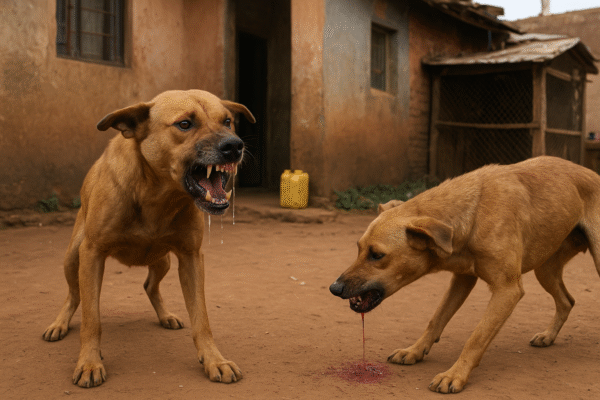
Rabies is one of the most terrifying diseases a pet can contract. What starts as a friendly dog or cat can quickly turn into an aggressive, unpredictable “wild animal” as the virus attacks the brain. The heartbreaking reality is that rabies is almost always fatal once symptoms appear and it is equally deadly to humans.
Every year, families lose beloved pets, and in some cases, people lose their lives because rabies was not prevented in time.
The good news is that it is also one of the most preventable through timely vaccination.
What Is Rabies?
Rabies is a viral disease that attacks the brain and nervous system of mammals, including dogs, cats, livestock, wildlife, and humans.
Once clinical signs appear, rabies is almost always fatal. There is currently no effective treatment after symptoms develop, making prevention the only reliable protection.
How Is Rabies Spread?
The virus is usually transmitted through the saliva of an infected animal.
Common ways rabies spreads include:
- Dog bites
- Cat bites
- Scratches contaminated with saliva
- Saliva entering an open wound
- Contact with infected wild animals
In Uganda, dogs remain the primary source of rabies transmission to humans, making routine vaccination essential.
Signs of Rabies in Pets
Rabies can appear differently from one animal to another.
Watch for symptoms such as:
- Sudden aggression
- Unusual friendliness in normally shy animals
- Excessive drooling
- Difficulty swallowing
- Fear of water
- Restlessness
- Weakness or paralysis
- Changes in barking or meowing
- Seizures
As the disease progresses, affected animals become weaker and eventually die.
Never attempt to handle a pet suspected of having rabies. Contact a veterinarian immediately.
Why Rabies Is Still a Concern in Uganda
Rabies remains a significant public health challenge in many parts of Uganda.
Factors contributing to its spread include:
- Large populations of unvaccinated dogs
- Free-roaming pets
- Limited public awareness
- Delayed treatment after animal bites
- Contact between domestic animals and wildlife
Vaccinating pets not only protects them but also helps reduce the spread of rabies within the community.
Can Indoor Pets Get Rabies?
Yes.
Many pet owners believe indoor pets are completely safe, but accidents happen.
Your pet could be exposed through:
- Escaping the compound
- Contact with infected stray animals
- Wildlife entering the home or compound
- Unexpected fights with other animals
- Exposure to rabies infected saliva or materials during outdoor walks
Even pets that rarely leave home should remain protected through routine vaccination.
The Importance of Rabies Vaccination
Rabies vaccination is safe, effective, and lifesaving.
Vaccinating your pet helps:
- Protect your dog or cat
- Protect your family
- Prevent costly emergency treatment
- Meet travel and licensing requirements where applicable
- Reduce the spread of rabies in Uganda
Important : In Uganda, when your vaccinnated pet bites or scratches a person, the consquences with law are fewer compared to when your pet is not vaccinated.
Routine vaccination is far less expensive than dealing with the consequences of rabies exposure.
Rabies Vaccination at Superior Animal Clinic
Cost: Rabies vaccination is 40,000 UGX and is done annually.
Proof of Vaccination: We issue an official vaccination card with stickers of the vaccine used for easy tracking and compliance with local regulations.
Available Brands: We stock the most commonly used and trusted rabies vaccines in Uganda:
- Defensor (USA)
- Rabsin (Germany)
- Biocan R (Czech Republic)
- PRO-VAC Rabies-Fc (South Korea)
Recommended Vaccination Schedule
Rabies Adult Boosters: Every 1 year (recommended for most pets in Uganda).
We create personalized vaccination plans for every pet based on age, breed, lifestyle, and risk level.
When Should Pets Receive the Rabies Vaccine?
Puppies and kittens receive their first set of vaccines at 12 weeks or 3 months. These initial shots build basic immunity, but booster shots are needed to strengthen and maintain that protection over time.
Keeping up with booster vaccinations is just as important as receiving the first dose. Missing scheduled vaccinations may leave your pet unprotected.
At our clinic , we create personalized vaccination plans for every pet based on age, breed, lifestyle, and risk level. Never guess when boosters are due a simple annual wellness exam helps us keep your pet protected without over-vaccinating.
What Should You Do If Your Pet Is Bitten?
If your pet is bitten by another animal:
- Keep yourself safe and avoid direct contact with saliva.
- Wash any wounds carefully if it is safe to do so.
- Isolate your pet from other animals.
- Contact a veterinarian immediately.
- Follow all veterinary recommendations regarding observation, testing, or booster vaccination.
Quick action can significantly reduce the risk of severe complications.
What Should You Do If a Person Is Bitten?
Rabies is a medical emergency.
If someone is bitten by a dog, cat, or other animal:
- Wash the wound immediately with soap and running water for at least 15 minutes.
- Apply an antiseptic if available.
- Seek medical attention without delay.
- Report the animal to a veterinarian or local authorities if possible.
Early post-exposure treatment can prevent rabies from developing.
Prevention Starts with Responsible Pet Ownership
The good news? Rabies is almost 100% preventable:
- Vaccinate your pets regularly (starting at 3 months of age, with boosters as recommended).
- Keep your dogs and cats from roaming freely.
- Avoid contact with stray or wild animals.
- If bitten or scratched, wash the wound immediately with soap and water and seek medical help right away.
- Spaying and neutering also helps reduce roaming and fights that spread the virus.
Every pet owner has a role to play in eliminating rabies. These small actions make a big difference in protecting both animals and people.
How Superior Animal Clinic Helps Protect Pets
At Superior Animal Clinic, prevention is always better than cure.
We provide comprehensive preventive healthcare, including:
- Rabies vaccination
- Complete pet vaccination schedules
- Puppy and kitten wellness checks
- Deworming
- Tick and flea control
- Health examinations
- Pet microchipping
- Travel health certificates
- Emergency veterinary care
Our experienced veterinary team is committed to helping pets live longer, healthier lives while protecting families and communities from preventable diseases.
Final Thoughts
Rabies is almost always fatal, but it is also one of the easiest diseases to prevent.
If your pet has never received a rabies vaccine, or if its booster is overdue, now is the time to act.
Visit Superior Animal Clinic, your trusted veterinary clinic in Uganda, for professional rabies vaccination, preventive healthcare, and compassionate veterinary services. Whether you’re searching online for a vet near me, need routine pet vaccination, or require emergency veterinary care, our team is here to keep your pets healthy and your family safe.
A simple vaccine today can save a life tomorrow.