
The Big Question Ugandan Pet Owners Ask
When a dog stops eating in Makindye, a puppy develops diarrhoea in Kawempe, or a cat starts breathing strangely in Ntinda, the first reaction for many Ugandan pet owners is not to rush to a veterinary clinic—it is to ask around. A neighbour suggests herbs, a boda rider mentions a “strong drug,” an agrovet sells tablets without explanation, and WhatsApp advice flows freely. In moments of worry, home treatment feels familiar, affordable, and fast.
Across Kampala—from Rubaga and Kibuye to Nsambya, Muyenga, Kololo, and Naguru—countless pets receive home remedies before ever seeing a veterinarian. Some owners do this to save money, others because the nearest clinic feels far, and many because home treatment has “worked before.” Cultural beliefs, past experiences, and fear of high vet bills all influence this choice.
What many pet owners do not realise is that animals hide pain extremely well. A dog wagging its tail or a cat still eating does not mean the illness is mild. In Uganda, diseases like parvovirus, tick-borne infections, panleukopenia, and rabies can progress silently and become fatal within hours or days. By the time symptoms look “serious,” the window for simple, affordable treatment may already be closed.
This creates a dangerous question that every pet owner eventually faces: Is home treatment enough, or does my pet need a vet clinic right now?
This article answers that question honestly and practically—without fear tactics and without myths. We will explain what home treatment can and cannot do, when it becomes dangerous, and why professional veterinary care saves lives and money in the long run. Most importantly, it will help Ugandan pet owners make confident, informed decisions that protect the animals they love.
Understanding Home Treatment for Pets in Uganda
What pet owners usually mean by “home treatment” includes:
- Herbal remedies passed down or shared locally
- Leftover human medicines kept at home
- Advice from friends, breeders, boda riders, or WhatsApp groups
- Over-the-counter drugs from agrovet shops
Common pet home remedies used in Uganda often include aloe vera, neem leaves, pawpaw seeds, cooking oil, salt water, charcoal mixtures, and human antibiotics like amoxicillin or doxycycline. Some even give painkillers such as paracetamol—which is extremely dangerous for pets, especially cats.
Why home treatment is so popular is understandable:
- Lower upfront cost
- Easy access at any time
- Limited awareness of pet diseases
- Emergencies at night or on weekends when clinics seem far
But popularity does not equal safety or effectiveness.
What Actually Works with Pet Home Treatment In Uganda (And What Doesn’t)
There are very limited situations where short-term home care may help—only while planning a vet visit:
- Gently cleaning a small, fresh wound
- Temporarily isolating a sick pet from others
- Keeping a pet warm, hydrated, and calm
- Removing ticks carefully if you know how
These are not treatments—they are temporary first aid.
Dangerous home treatment myths in Uganda include:
- “The dog will heal on its own.”
- “Human drugs work the same for animals.”
- “Herbs cure all infections.”
- “If the pet is eating, it’s fine.”
These myths cause delayed care, worsened disease, and avoidable deaths.
Real risks of home treatment include drug overdosing, poisoning, masking serious symptoms, delayed diagnosis, and death from conditions that are fully treatable when caught early.

Common Pet Diseases in Uganda That Should NEVER Be Treated at Home and Why
For dogs, home treatment is dangerous for:
- Parvovirus – rapid dehydration and death without intensive care
- Canine distemper – severe neurological and respiratory damage
- Rabies – fatal and a serious human health risk
- Tick-borne diseases like ehrlichiosis and babesiosis
- Leptospirosis – affects kidneys and liver, zoonotic
- Severe vomiting or bloody diarrhoea
For cats, never attempt home treatment for:
- Panleukopenia – extremely deadly in kittens
- Upper respiratory infections – worsen quickly without proper drugs
- Urinary blockages – fatal within hours
- Severe diarrhoea or vomiting
These conditions require professional veterinary intervention—immediately.
What a Vet Clinic Does That Home Treatment Cannot
A veterinary clinic provides what home care simply cannot.
Accurate diagnosis through full physical examinations, laboratory tests, and rapid disease detection ensures the real problem is treated—not guessed.
Correct medication and dosage are critical. Vets use species-specific drugs, calculate doses by weight and condition, and choose safe antibiotics and pain management options.
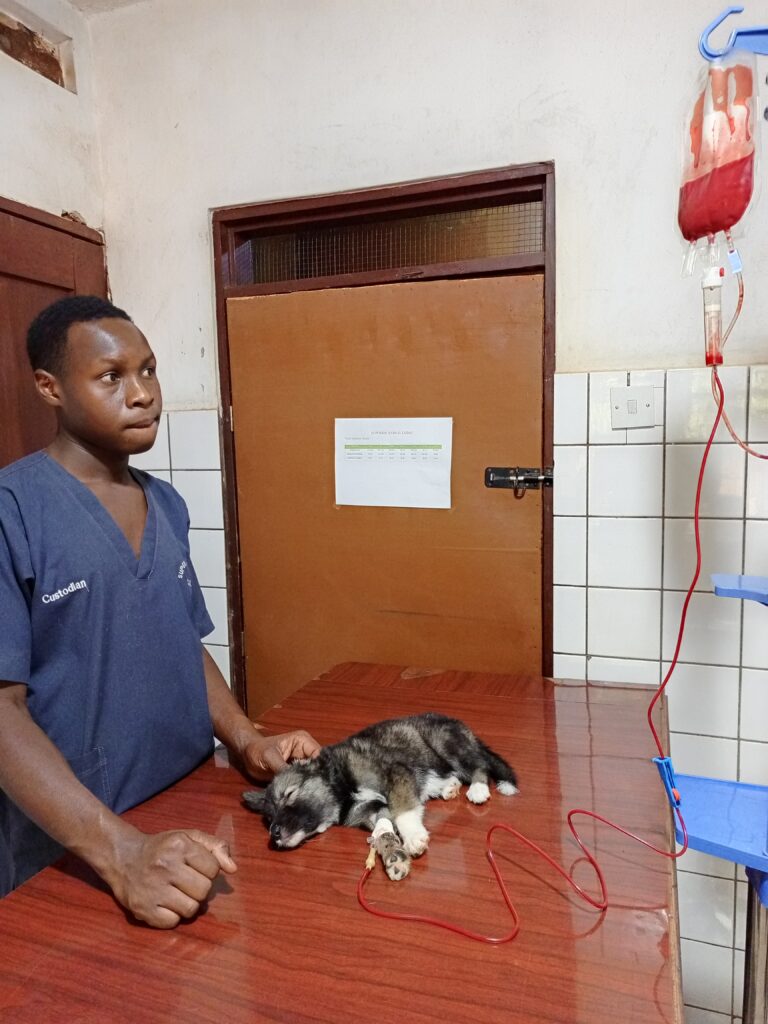
Supportive care saves lives: IV fluids, oxygen therapy, hospitalisation, and nutritional support are often the difference between recovery and loss.
Disease prevention through vaccination, deworming, tick and flea control, and owner education prevents illness before it starts.
Cost Comparison: Home Treatment vs Vet Clinic in Uganda
The hidden cost of home treatment includes repeated failed remedies, worsening disease, higher eventual treatment bills, and sometimes the irreversible loss of a pet.
Why vet care is more cost-effective long-term is simple: early treatment lowers costs, preventive care saves money, and clear treatment plans avoid waste and suffering.
When Home Treatment Becomes Dangerous: Real-Life Scenarios in Uganda
In Kampala, these stories are not rare—they happen quietly in homes every week, often with the best intentions and the worst outcomes.
In Kawempe, Sarah noticed her three-month-old puppy, Buddy, had watery diarrhoea and was unusually weak. Neighbours advised herbal mixtures and charcoal water, assuring her that “puppies always get diarrhoea.” For two days, Sarah tried everything she was told. When Buddy finally reached the clinic, he was already critically ill. Tests confirmed parvovirus—a disease that requires immediate intensive care. By then, the virus had caused severe damage that early veterinary treatment could have prevented. Sarah’s regret was heartbreaking: “I thought I was helping him.”
In Ntinda, James became worried when his cat, Milo, stopped eating and started hiding. Wanting to act fast, he gave Milo leftover human antibiotics, believing they were “mild.” Within days, Milo became lethargic and severely ill. The medication had damaged his kidneys—a common but little-known risk in cats. What started as an attempt to save money turned into a far more serious and expensive medical emergency.
In Makindye, Grace’s dog, Rocky, was bitten during a fight with another dog. The wound looked small, so Grace cleaned it at home and applied ointment. What she didn’t realise was that rabies risk is not about wound size. Days later, Rocky’s behaviour changed, and panic set in. The missed opportunity for immediate veterinary assessment put both Rocky and the family at risk from a deadly, preventable disease.
These are not stories of neglect—they are stories of love mixed with misinformation. They are painful, common, and entirely preventable. They show, very clearly, why waiting “to see if it improves” can cost a pet’s life and why acting early is not fear—it is responsible pet ownership.
How to Know When to Go to a Vet Immediately In Uganda
Emergency signs in pets include:
- Not eating or drinking for 24 hours
- Vomiting or diarrhoea lasting more than a day
- Blood in stool or urine
- Seizures or collapse
- Difficulty breathing
- Sudden aggression or confusion
Waiting in these cases can cost a life.
How Ugandan Pet Owners Can Use Home Care Safely
What you can do at home—while planning a vet visit:
- Observe symptoms and how long they last
- Keep your pet warm and hydrated
- Prevent self-injury
- Call a veterinary clinic for guidance
What you should never do at home:
- Give human medicine
- Guess drug dosages
- Delay vaccination
- Ignore worsening signs
Vet Clinic Care in Kampala: Why Location Matters
Being close to emergency care, experienced veterinarians, proper equipment, and reliable follow-up matters. In busy areas like Makindye, Muyenga, Nsambya, Lubowa, and surrounding neighborhoods, access can mean the difference between life and death.
This is where Superior Animal Clinic stands out.
Why Superior Animal Clinic Recommends Early Vet Intervention
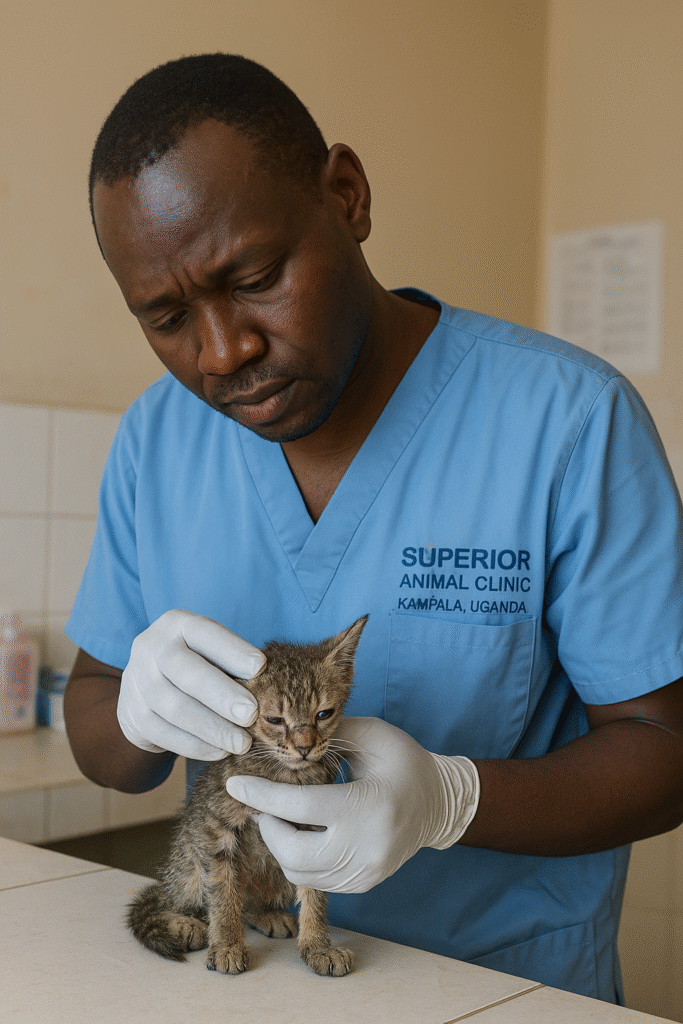
Superior Animal Clinic is trusted by pet owners across Kampala and beyond because of experienced veterinarians, proper diagnostic support, and compassionate care for both pets and owners. Conveniently located in Makindye along Salaama Road, the clinic is equipped to treat all sick pets—dogs, cats, and more—with professionalism and empathy.
FAQs About Home Treatment vs Vet Care for Pets in Uganda
1. Is home treatment safe for sick pets in Uganda?
Home treatment in Uganda may help only as temporary first aid, such as keeping a pet warm or cleaning a minor wound. It is not safe for treating diseases, infections, or internal conditions. Many serious pet illnesses in Kampala worsen quickly when professional veterinary care is delayed.
————————————————————
2. When should I stop home treatment and take my pet to a vet clinic in Kampala?
You should visit a vet clinic immediately if your pet stops eating for 24 hours, has vomiting or diarrhoea, difficulty breathing, seizures, blood in stool or urine, or sudden weakness. These signs often indicate conditions that cannot be treated at home.
————————————————————
3. Can I give my dog or cat human medicine at home?
No. Human medicines such as paracetamol, ibuprofen, and incorrect antibiotics are toxic to pets, especially cats. Many emergency cases seen by veterinarians in Uganda result from accidental poisoning caused by human drugs.
————————————————————
4. Do herbal remedies really work for pet diseases in Uganda?
Herbal remedies may soothe minor external issues but do not cure infections, viruses, or internal diseases. Relying on herbs alone for conditions like parvovirus, tick-borne diseases, or cat flu often leads to delayed treatment and poor outcomes.
————————————————————
5. What common dog diseases in Uganda require immediate veterinary care?
Parvovirus, canine distemper, rabies, ehrlichiosis, babesiosis, leptospirosis, and severe diarrhoea or vomiting all require urgent veterinary treatment. These diseases are common in Kampala and surrounding areas and should never be treated at home.
————————————————————
6. What cat illnesses should never be treated at home in Uganda?
Panleukopenia, upper respiratory infections, urinary blockages, severe diarrhoea, and vomiting in cats require professional veterinary care. Delaying treatment often results in kidney failure or death, especially in kittens.
————————————————————
7. Why do vet clinics diagnose pet illnesses better than home treatment?
Veterinary clinics use physical examinations, laboratory tests, and proper diagnostic tools to identify the exact cause of illness. Home treatment relies on guesswork, which often masks symptoms and allows diseases to worsen unnoticed.
————————————————————
8. Is taking my pet to a vet clinic in Kampala more expensive than home treatment?
While home treatment seems cheaper initially, it often leads to higher costs due to repeated failed remedies and advanced disease. Early veterinary care usually results in lower total treatment costs and better recovery.
————————————————————
9. What should I do at home while preparing to take my pet to a vet in Kampala?
You can keep your pet warm, hydrated, isolated from other animals, and observe symptoms closely. Avoid giving any medication unless instructed by a veterinarian. Calling a vet clinic for guidance is strongly advised.
————————————————————
10. Where can I get reliable veterinary care for sick pets in Kampala, Uganda?
Pet owners looking for professional diagnosis, treatment, and compassionate care can visit Superior Animal Clinic in Makindye along Salaama Road. The clinic is well-known for treating sick dogs and cats across Kampala and nearby areas. For guidance or emergencies, call +256771909946.
————————————————————
11. How quickly should I take my pet to a vet after symptoms appear?
Ideally, within 24 hours or sooner. Puppies, kittens, and elderly pets should be taken immediately at the first sign of illness, as their conditions can deteriorate very fast in Uganda’s environment.
————————————————————
12. Can delaying vet care really lead to death even if the pet looks okay?
Yes. Many pets continue eating or walking while serious internal damage is occurring. By the time visible signs appear, treatment may be more difficult or unsuccessful. Early veterinary intervention saves lives.
Final Verdict: Vet Clinic vs Home Treatment in Uganda
Home treatment is limited, temporary, and risky. Veterinary clinic care is proven, safer, and life-saving. The sooner you visit a vet, the better the outcome for your pet.
If your pet is sick, don’t guess. Book a consultation, get professional advice, and act early. For compassionate, affordable, and reliable veterinary care, visit Superior Animal Clinic in Makindye along Salaama Road or call 0771909946 for guidance or emergencies. Your pet’s life is worth it.