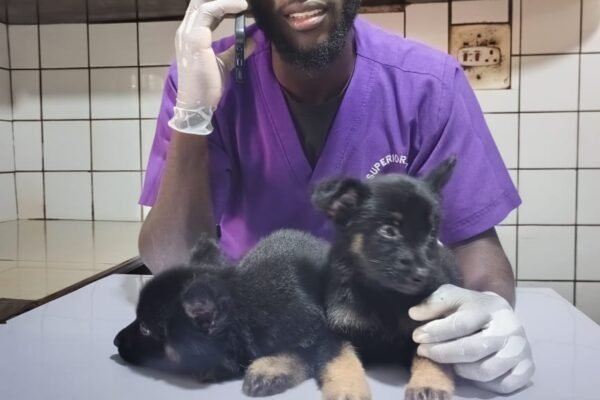
As a veterinarian, I receive many questions from pet owners about their dogs and cats.
Some ask about food, vaccination or behaviour. There is nothing wrong with doing research. In fact, an informed pet owner is often a better-prepared pet owner.
However, as I explained in my previous article, “Can I Trust AI Information About My Pet’s Health?”, online information cannot replace a veterinary examination.
AI can give you possible explanations. Your veterinarian has to determine what actually applies to your individual pet.
Here are 10 questions I wish every pet owner in Uganda would ask during a veterinary consultation.
1. “Doctor, What Do You Think Is Causing This?”
Don’t only ask: “What medicine can you give my dog?”
Ask what the veterinarian thinks is actually causing the problem.
A dog that is vomiting, for example, could have eaten something inappropriate, have parasites, an infection, or another underlying problem.
The symptom alone doesn’t tell us the cause.
This is also why an AI-generated diagnosis can be misleading. AI may list possible causes, but it cannot examine your dog to determine which one is most likely.
Therefore, when you ask this question, the vet will breakdown the cause after examination.
2. “Could It Be Something More Serious?”
Some symptoms may appear minor but can sometimes indicate a more serious condition.
Ask your veterinarian: “Is there anything serious you are concerned about?”
This doesn’t mean you should panic. It simply helps you understand what your veterinarian is considering and what signs you should take seriously.
A puppy with diarrhoea, for example, may require a different level of attention from an otherwise healthy adult dog with a mild episode.
3. “Does My Pet Need a Test?”
Sometimes a physical examination is enough to guide treatment. In other cases, testing is important.
Depending on the problem, your veterinarian may recommend:
- Blood tests
- Stool examination
- Urine tests
- Skin tests
- X-rays
- Ultrasound
- Other diagnostic investigations
A test isn’t necessarily an unnecessary expense. Sometimes it helps us move from guessing to knowing.
Two dogs can have the same symptoms but completely different diseases. I already covered this . Read the article here.
4. “Why Are You Recommending This Medicine?”
If your veterinarian prescribes medication, don’t be afraid to ask why.
You can ask:
“What does this medicine do?”
“How should I give it?”
“How long should I give it?”
“Are there side effects I should watch for?”
Understanding the treatment makes it easier to give the medication correctly and follow the veterinary instructions at home.
5. “What Should I Do If I Miss a Dose?”
This is a simple question that can prevent mistakes.
Ask your veterinarian what to do if:
- You forget a dose
- Your pet spits out the medicine
- Your pet vomits after taking it
- You accidentally give the wrong amount
Don’t automatically double the next dose or give another dose without knowing what is appropriate for that particular medication.
6. “When Should I Bring My Pet Back?”
Ask:
“When should I expect to see improvement?”
and
“When should I come back if my pet doesn’t improve?”
Some illnesses improve quickly, while others take longer or require additional treatment.
Knowing what to expect helps you recognise when recovery isn’t progressing as expected.
7. “What Warning Signs Should I Watch For at Home?”
Before leaving the veterinary clinic, ask:
“What signs would mean that my pet is getting worse?”
Depending on the condition, you may need to monitor appetite, drinking, vomiting, diarrhoea, breathing, urination, energy levels and behaviour.
This is particularly important when caring for puppies, kittens, elderly pets or animals recovering from serious illness.
8. “Could My Pet Have More Than One Problem?”
Sometimes the reason you brought your pet to the clinic isn’t the only problem.
A dog brought in because of itching may also have an ear problem or parasites.
An older dog may have several health issues developing at the same time.
So ask:
“Doctor, did you notice anything else during the examination?”
That simple question may uncover another problem that needs attention.
9. “Is My Pet’s Vaccination Up to Date?”
Don’t wait until your pet becomes sick to discuss vaccination.
Ask:
“Is my pet fully vaccinated for its age and lifestyle?”
This is especially important for puppies and kittens, which require an appropriate vaccination schedule as they grow.
If you’ve recently adopted or imported a pet, bring its vaccination records to your veterinarian so they can be reviewed.
Vaccination is an important part of protecting dogs and cats from preventable diseases in Uganda.
10. “How Often Should My Pet Be Dewormed?”
Instead of simply buying a dewormer whenever you remember and relying on guesswork, ask your veterinarian what parasite-control programme is appropriate for your pet.
The recommendation can depend on:
- Age
- Lifestyle
- Environment
- Exposure to other animals
- Previous parasite problems
- General health
You can also ask about protection against ticks and fleas, which are important concerns for dogs and cats in Uganda.
Don’t Be Afraid to Ask Your Veterinarian
As veterinarians, we examine animals every day, but we also rely heavily on information from their owners.
You live with your pet. You know its normal behaviour, appetite and routine.
Tell your veterinarian what you have noticed and ask questions when something isn’t clear.
And if you’ve searched online or asked AI about your pet, don’t be afraid to say:
“Doctor, I found this information online. Could it apply to my pet?”
That’s a much safer approach than treating your pet based on an internet diagnosis.
AI can help you prepare questions. Your veterinarian can examine your pet and make clinical decisions based on the actual patient.
Final Thought
At Superior Animal Clinic, we encourage pet owners to understand their pets’ health and actively participate in their care.
Whether your dog needs vaccination, treatment for an illness, diagnostic testing or routine veterinary care, our team can assess your pet and recommend the appropriate next steps.
Don’t just ask what medicine your pet needs. Ask what is causing the problem, why the treatment is needed and how you can help your pet recover.