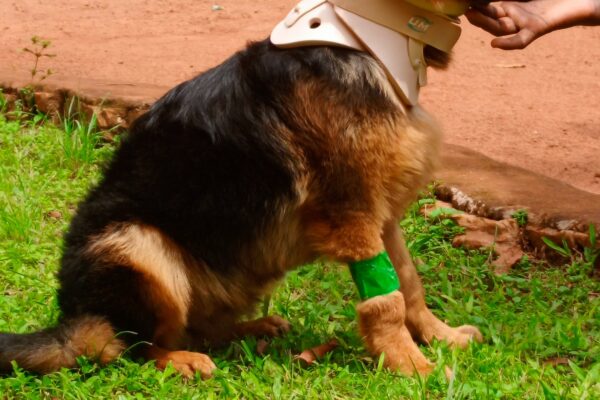
The German Shepherd is one of the most admired dog breeds in Uganda and around the world. Known for its intelligence, loyalty, courage, and versatility, this remarkable breed serves as a family companion, security dog, police dog, military working dog, and search-and-rescue partner.
At Superior Animal Clinic, we see German Shepherds almost every day. While they are strong and resilient dogs, they are also genetically predisposed to several health conditions that require early detection and proper veterinary care. Over the years, our veterinary team has successfully managed countless cases ranging from joint disorders and skin diseases to emergency conditions such as bloat.
Understanding these common health concerns allows owners to take preventive steps that help their dogs live longer, healthier, and happier lives.
Why German Shepherds Need Regular Veterinary Care
German Shepherds are highly active dogs with unique healthcare needs. Many of the conditions that affect this breed develop gradually and may not show obvious symptoms until they have progressed significantly.
Routine veterinary examinations allow us to detect problems early, often before your dog begins to show signs of pain or illness. Early diagnosis not only improves treatment outcomes but can also save owners from costly emergency procedures later. As the saying goes, a stitch in time saves nine, treating diseases early helps save your dog’s health as well as your finances.
Common Health Problems We See in German Shepherds
1. Hip Dysplasia
Hip dysplasia is one of the most common orthopedic conditions affecting German Shepherds.
It occurs when the hip joint develops abnormally, causing instability, pain, and progressive arthritis.
Common signs include:
- Limping after exercise
- Difficulty standing up
- Reluctance to jump or climb stairs
- Bunny-hopping while running
- Reduced activity levels
At Superior Animal Clinic, we recommend early orthopedic evaluations for German Shepherd puppies, especially those from unknown breeding backgrounds. Early intervention through weight management, medication, joint supplements, physiotherapy, or surgery can significantly improve your dog’s quality of life.
2. Elbow Dysplasia
Elbow dysplasia is another inherited joint disorder commonly diagnosed in young German Shepherds.
Affected dogs may show:
- Front leg lameness
- Swollen elbows
- Pain after exercise
- Difficulty getting up after resting
Prompt diagnosis allows us to develop a treatment plan before permanent joint damage occurs.
3. Gastric Dilatation-Volvulus (Bloat)
Bloat is one of the most dangerous emergencies we encounter in large, deep-chested breeds like German Shepherds.
The stomach rapidly fills with gas and may twist, cutting off blood supply to vital organs. Without immediate treatment, this condition can become fatal within hours.
Warning signs include:
- A swollen or tight abdomen
- Repeated unsuccessful attempts to vomit
- Excessive drooling
- Restlessness
- Rapid breathing
- Weakness or collapse
If you notice these signs, bring your dog to a veterinary clinic immediately. Every minute matters.
4. Degenerative Myelopathy
Degenerative myelopathy is a progressive neurological disease that usually affects older German Shepherds.
Early signs include:
- Weakness in the hind legs
- Dragging the back paws
- Difficulty walking
- Loss of coordination
Although there is currently no cure, early diagnosis allows us to recommend physiotherapy, exercise modification, and supportive care that can slow progression and improve mobility.
5. Skin Allergies and Ear Infections
German Shepherds are particularly prone to allergic skin disease.
In our clinic, we frequently treat dogs suffering from:
- Persistent itching
- Hair loss
- Red, inflamed skin
- Recurring ear infections
- Excessive paw licking
These problems may be caused by food allergies, fleas, ticks, environmental allergens, or skin infections. Rather than simply treating the symptoms, our goal is to identify the underlying cause and develop a long-term management plan.
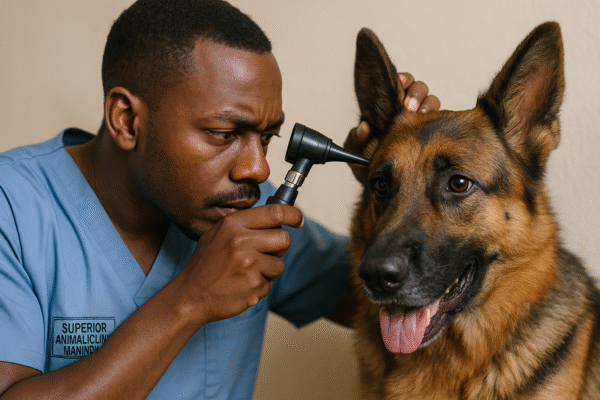
Vaccination: Your German Shepherd’s First Line of Defense
Preventive medicine is far more effective and affordable than treating preventable diseases.
At Superior Animal Clinic, we recommend keeping every German Shepherd up to date with essential vaccinations, including:
- Rabies
- Canine Distemper
- Canine Parvovirus
- Adenovirus (Hepatitis)
- Parainfluenza
Depending on your dog’s lifestyle, we may also recommend vaccines against diseases such as Leptospirosis or Kennel Cough.
Vaccination protects not only your dog but also your family and the wider community.
Don’t Forget Parasite Prevention
German Shepherds spend a lot of time outdoors, making them more vulnerable to parasites. Parasites are a great threat to your dog’s health and wellbeing.
Regular preventive treatment protects against:
- Fleas
- Ticks
- Intestinal worms
- Blood parasites
- Heartworm (where applicable)
Routine parasite control also reduces the risk of diseases that can spread to humans. It is also much advised to deworm your dog.
Read this article to learn more about How I Handled Worms in My Dog
Nutrition Matters More Than Many Owners Realize
Proper nutrition forms the foundation of lifelong health.
Large breeds like German Shepherds require balanced diets that support healthy growth without encouraging excessive weight gain. Overweight dogs place additional strain on their joints, increasing the risk of arthritis and mobility problems.
Our veterinarians can recommend diets tailored to your dog’s age, activity level, and medical condition.
Exercise and Mental Stimulation
German Shepherds are working dogs that thrive when both their body and mind are active.
We recommend:
- Daily walks
- Structured obedience training
- Interactive toys
- Fetch and retrieval games
- Socialisation from an early age
Regular exercise helps prevent obesity, anxiety, destructive behaviour, and boredom.
If not sure how often read this; How Often Should You Walk Your Dog? A Complete Guide for Pet Owners
Schedule Routine Health Check-Ups
Many serious illnesses can be detected before they become obvious.
Routine veterinary examinations allow us to:
- Detect disease early
- Monitor joint development
- Update vaccinations
- Prevent parasite infestations
- Assess dental health
- Provide nutritional guidance
As your German Shepherd grows older, these check-ups become even more important.
When Should You Bring Your German Shepherd to the Vet?
Seek veterinary care immediately if your dog develops:
- Loss of appetite
- Vomiting or diarrhoea
- Difficulty walking
- Persistent limping
- Swollen abdomen
- Difficulty breathing
- Excessive scratching
- Sudden weakness
- Noticeable weight loss
- Changes in behaviour
Early treatment often results in faster recovery and better long-term health.
Final Thoughts
German Shepherds are extraordinary companions that reward their owners with unwavering loyalty and intelligence. With the right preventive care, many of the health problems commonly seen in this breed can be managed or even prevented.
At Superior Animal Clinic, we believe that prevention is always better than cure. Through regular health check-ups, vaccinations, parasite control, nutritional guidance, and early diagnosis, we help German Shepherd owners give their dogs the healthiest life possible.
Whether you’ve just welcomed a German Shepherd puppy into your home or you’re caring for a senior companion, our experienced veterinary team is here to provide expert advice and compassionate care every step of the way.
Book your German Shepherd’s wellness check today and let Superior Animal Clinic help keep your loyal companion healthy for years to come.