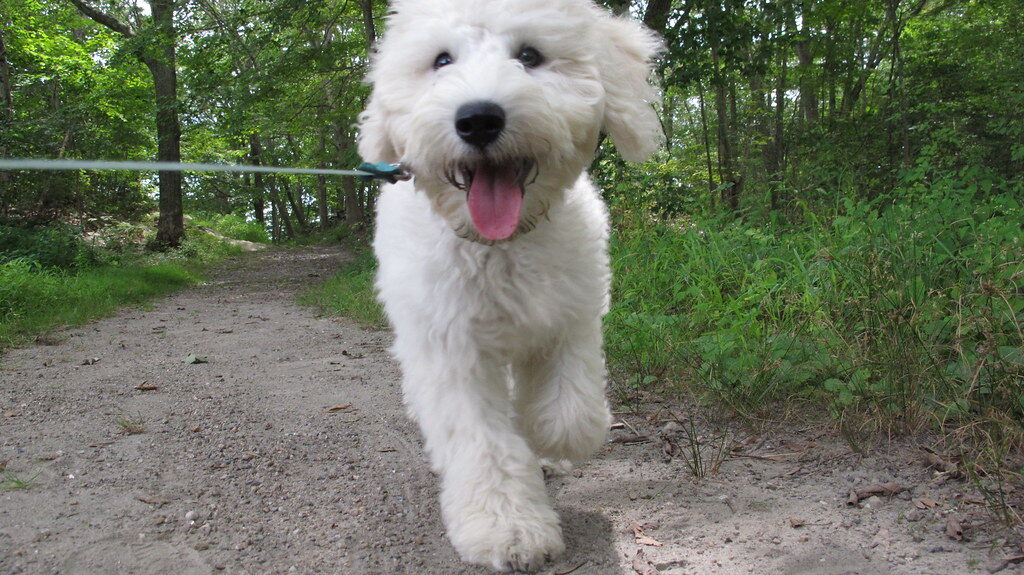
Every dog owner knows the excitement and extreme tail wag when you reach for the leash.
Dogs need walks as much or more as we need social media .To a dog , a walk is an adventure filled with new scents and of each different scent is a story that sparks curiosity and tells a story..
For a dog, walks are for exercises , mental simulation and bonding time with the owner.
A dog that gets enough walks is happier ,calmer , healthier and will not chew on your shoes , sofas or other things due to boredom.
For the owner,the big question is: How often should walks be?
How Often Should You Walk Your Dog?
Generally , most dogs need;
- At least 1 or 2 walks per day
- About 30 minutes to 2 hours of walking depending on factors.
You should know that there isn’t a one-size fits all rule on how often dogs should be walked. The ideal walking routine depends on your dog’s age, breed, energy level, size,lifestyle and overall health.
Breed Matters: Different Dogs, Different Needs
Different breeds of dogs need different walk routines. The breed of the dog defines the size and energy levels. In short , small breeds like maltese need shorter walks compared to Siberian Husky.
High-Energy Dogs.
These breeds are natural athletes ,very active and will thrive on lots of exercises of about 1 to 2 hours daily.
They include Border Collie , Australian Shepherd , Belgian Malinois , Jack Russell Terrier , Siberian Husky , Australian Cattle Dog ,German Shorthaired Pointer , Weimaraner , and Dalmatian.
Medium-Energy Dogs.
These breeds enjoy daily walks and activity of around 30 to 60 minutes. They include Golden Retriever, Labrador Retriever, Cocker Spaniel ,Beagle , Staffordshire Bull Terrier / American Staffordshire Terrier , Pembroke Welsh Corgi ,Bulldog and Boxer.
Low-Energy Dogs
These are calmer and usually smaller indoor breeds that need calmer , shorter walks and low activity. These include French Bulldog,English Bulldog,Basset Hound, Pug,Shih Tzu, Greyhound,Great Dane, Pekingese,Maltese, Chihuahua (toy breeds often lower), Cavalier King Charles Spaniel, Great Pyrenees, Irish Wolfhound, Saint Bernard, Havanese, Yorkshire Terrier.
Age of dogs.
Just like humans, dogs have different energy levels at different stages of their lives.
- Puppies, although they are full of energy ,they tire quickly. Short frequent walks of about 5 to 10 minutes of walking per month of age is ideal.
- Adult dogs are at their peak with a lot of energy. They require more structured walks to burn off energy.
- Senior/Old dogs may be slow due to their age and joint issues. Shorter , gentler and slower walks with frequent are ideal.
Health and Physical Condition.
The dog’s health plays a huge role in determining how often and longer walks should be.
- Overweight dogs will benefit from regular walks , however, the intensity should be increased gradually . That is to say , start with shorter walks and increase slowly as time progresses.
- Dogs with joint problems or other medical conditions need customized walking routines that will not make their health conditions worse.
- Dogs that show signs of discomfort during walks need customized walking routines, it is always best to consult a veterinarian to help choose the frequency of walks.
Related: How Often Should Dogs & Cats Visit the Vet
Indoor , kennel locked and outdoor lifestyle.
Where a dog spends most of it’s time is an important aspect when determining how often or long a dog should go for a walk.
Indoor : these rely more on walks for exercises . The exercises done in th house aren’t enough to burn their energy .
Dogs with access to a large compound: these get chance to run and exercise and therefore dont require long walks . However , they still need walks to explore new environments .
Kennel locked dogs: since kennels are usually small and dont give enough room for exercise , these dogs need daily walks to help burn the energy. A dog in a kennel will spend whole day idle and sleeping. A walk is so much needed to keep the dog healthy and active . Longer walks are ideal in order to keep the dog healthy and mentally engaged .
Benefits of walking your dog.
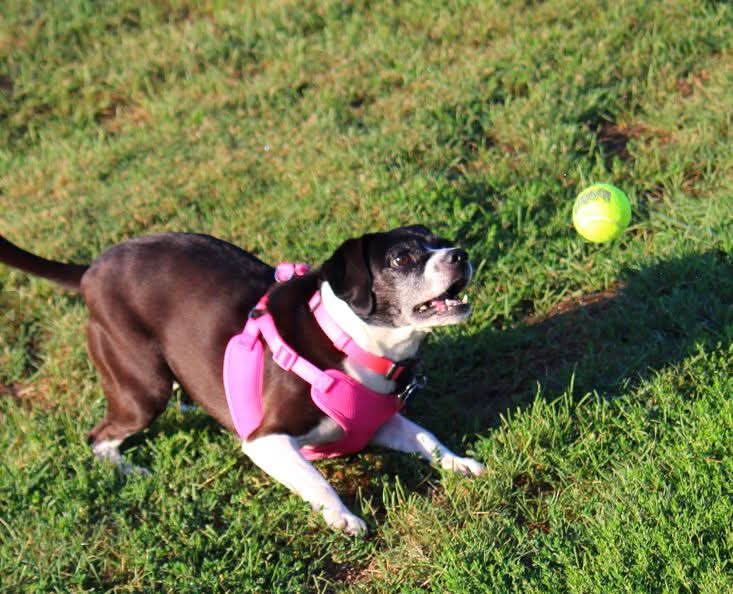
Physical exercises is half of the benefits of a walk to a dog. Walks are adventures to a dog where each walk tells a different story and experience. This mental stimulation helps
- Reduce stress.
- Prevents boredom
- Improves overall mental health of the dog.
Dogs that don’t get enough stimulation often create their own “entertainment,” which usually involves chewing, digging, or barking excessively.
Signs your dog needs more walks
Although a dog does talk , it will communicate . Watch out for;
- Restlessness or frequent pacing .
- Sudden bursts of hyperactivity
- Excessive barking
- Chewing on things like furniture , Kennel , shoes
- Visible weight gain.
These might be some of the signs that your dog has a lot of energy that needs to be released.
Signs You Might Be Overwalking Your Dog
Too much of everything is always bad . Even walks might become a health risk if done too much. Here is what to look out for;
- Limping or stiffness
- Extreme tiredness after walks
- Reluctance to go outside or loss of excitement towards walks.
- Heavy panting even after rests .
If you notice these , reduce on the walking routine and intensity. If unsure , consult a veterinarian on the frequency of walks.
You might also be interested to know: Dog Training Mistakes Dog Owners Make And How to Fix Them Like a Pro
Tips for a Healthy Dog Walking Routine
A good walking routine isn’t only about frequency but also the quality. Customize your dog walking routine based on factors above.
- Be consistent and follow a routine .
- Choose cooler times of the day .Early mornings and evenings are best fit since the sun won’t be too hot.
- Vary your routes. New routes keep the walks exciting.
- Pay attention to your dog and let their energy and comfort guide you.
- Avoid over crowded place or busy roads
Conclusion.
Every dog’s walking routine will depend on its unique needs. The goal is to find a routine , frequency and intensity that will keep the dog happy and healthy.
When walking is done right , you will notice a calmer, more obedient and happier dog.
Need Help Creating the Right Routine for Your Dog?
Is your dog showing signs of stress, weight gain, or unusual behavior?
Visit Superior Animal Clinic, where your pet’s health and happiness come first. Our team is ready to guide you on the best exercise and care routine tailored specifically for your dog.