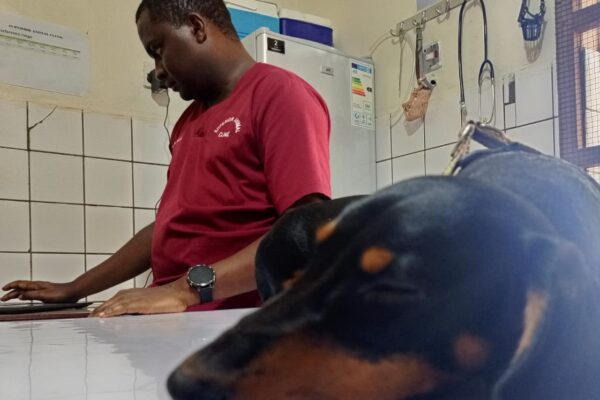
One sentence I hear almost every week is:
“Doctor, we thought we should wait just one more day to see if our dog would get better.”
I understand why pet owners do it. You don’t want to panic over something small. Your dog may still be wagging its tail or eating a little, so you hope the problem will disappear on its own. Sometimes it does. But after years of treating pets in Uganda, I have learned that waiting “just one more day” is one of the biggest reasons simple illnesses become life-threatening emergencies.
As veterinarians, we don’t expect every cough, scratch, or upset stomach to be an emergency. However, we do know that pets are experts at hiding pain. By the time they show obvious signs of illness, they may already have been sick for several days or even months.
Dogs Don’t Complain Like Humans Do
When people are sick, they can tell you exactly where it hurts.
Dogs and cats cannot.
Instead, they continue eating a little, walking around, or trying to act normal because hiding weakness is part of their natural instinct. This often gives owners a false sense of security. Pet owners in Uganda most especially those with ‘local dogs’ can testify. These dogs can heal naturally or even self medicate by eating grass.
However ,many pets might be much sicker than their owners realize and when they show signs of weakness its most times too late.
A Lesson I Keep Seeing As a Vet
Over the years, I have treated dogs that came in with what seemed like a simple problem:
- “He only vomited once yesterday.”
- “She refused food this morning.”
- “He has been scratching for a few days.”
- “She looked tired, so we thought she needed rest.”
- ”Max has been eating grass lately”
- “Simba has been too shy of recent , hiding from us.”
Unfortunately, after examining them, some were suffering from parvovirus, tick fever, severe dehydration, intestinal blockages, poisoning, or advanced skin infections.
I often wonder how different the outcome might have been if they had arrived one or two days earlier.
Small Signs Can Mean Big Problems
As a veterinarian, I pay close attention to changes that pet owners sometimes overlook.
For example:
Loss of Appetite
A healthy dog rarely refuses food without a reason. Missing one meal may not always be serious, but if your pet continues refusing food or seems unusually quiet, it deserves attention. In Uganda, a person is considered really sick if they refuse their favourite food. So if your pet refuses to eat its favourite food then its high time to visit the vet.
Vomiting
One episode of vomiting may not be alarming.
Repeated vomiting, vomiting with blood, or vomiting accompanied by weakness should never be ignored.
Diarrhea
Many owners assume diarrhea will stop on its own .
Sometimes it does, but severe diarrhea can quickly lead to dehydration, especially in puppies and small dogs.
Scratching
Owners often buy different shampoos hoping the itching will disappear.
Persistent scratching may be caused by mange, fleas, allergies, bacterial infections, or fungal diseases. The longer treatment is delayed, the worse the skin usually becomes.
Limping
Not every limp is a broken bone.
It could be a wound, joint injury, infection, or even a hidden fracture. Early examination helps us identify the cause before complications develop.
Waiting Can Make Treatment More Difficult
One thing I’ve learned is that early treatment is often simpler, less expensive, and more successful.
A puppy with mild dehydration may only need supportive care.
Wait another day, and that same puppy may require hospitalization, intravenous fluids, and intensive monitoring.
A small skin infection may respond quickly to treatment.
Left untreated, it can spread, become painful, and require a much longer recovery.
As veterinarians, we would much rather see a pet early and discover that the problem is minor than see them after it has become an emergency.
When Should You Visit a Veterinarian Immediately?
I recommend seeking veterinary attention without delay if your pet:
- Stops eating for more than 24 hours.
- Vomits repeatedly.
- Has bloody diarrhea.
- Has difficulty breathing.
- Is unable to stand or walk normally.
- Has been poisoned or may have eaten something toxic.
- Is involved in a road accident or serious injury.
- Has seizures.
- Is extremely weak or collapses.
- Is a puppy or kitten showing signs of illness.
Young animals can become critically ill much faster than adult pets.
Prevention Is Better and Cheaper Than Emergency Treatment
One of the most rewarding parts of my work isn’t performing emergency procedures.
It’s preventing emergencies from happening in the first place.
Regular veterinary visits allow us to:
- Detect illness early.
- Keep vaccinations up to date.
- Control ticks, fleas, and worms.
- Monitor weight and nutrition.
- Identify hidden health problems before they become serious.
- Give owners practical advice tailored to their pet.
These simple visits often save pets from unnecessary suffering and owners from much higher treatment costs later.
My Advice to Every Pet Owner
You know your pet better than anyone else.
If your dog or cat suddenly behaves differently, stops eating, becomes unusually quiet, or simply doesn’t seem like themselves, trust your instincts.
You don’t need to diagnose the problem yourself. That’s our job.
What matters most is bringing your pet in before a small problem has the chance to become a major one.
Trust Superior Animal Clinic With the Health of Your Pets
At Superior Animal Clinic, we believe veterinary care is not just about treating sick animals. It’s about helping families enjoy longer, healthier lives with the pets they love.
Whether you own a dog, cat, rabbit, goat, bird, or another companion animal, our experienced veterinary team is here to provide compassionate, professional care.
Our services include:
- Routine health check-ups
- Vaccinations
- Deworming and parasite control
- Diagnostic testing
- Medical treatment
- Surgery
- Pet dental care
- Pregnancy and reproductive services
- Nutritional advice
- Emergency veterinary care
If your pet isn’t acting normally, don’t wait for tomorrow hoping things will improve.
Bring them to Superior Animal Clinic today. Early veterinary care can make all the difference, and we’d rather reassure you that everything is fine than meet your pet when the illness has already become an emergency.