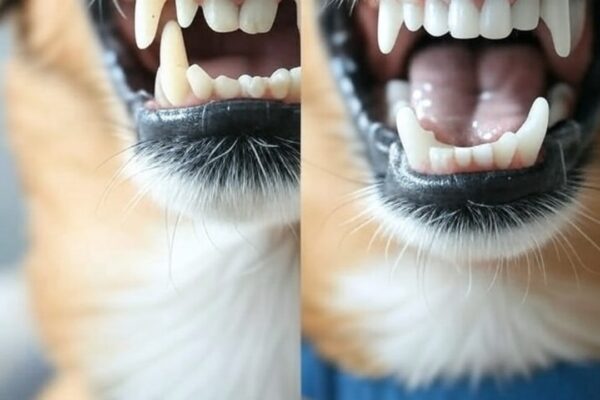
A broken tooth in a dog can happen unexpectedly, whether during play, chewing hard objects, fighting with another animal, or experiencing an accident. Although some dogs may continue eating and playing normally, a fractured tooth can expose sensitive inner tissues, cause pain, cause bad breath and can lead to infections.
For dog owners in Kampala and surrounding areas, knowing what to do when a tooth breaks can help prevent complications. At Superior Animal Clinic, we encourage prompt veterinary assessment whenever a dog has a damaged or broken tooth.
What Causes Broken Teeth in Dogs?
Several factors can cause a dog’s tooth to break and they include:
- Chewing hard objects: Hard bones, stones, antlers, and very hard toys can damage teeth.
- Accidents and injuries: Falls, road accidents, and impacts to the mouth can fracture teeth.
- Fighting with other animals: Bites and blows to the face may damage or break teeth.
- Chewing inappropriate items: Hard household objects and other unsuitable materials can cause dental injuries.
Signs Your Dog May Have a Broken Tooth
Not every broken tooth is obvious. Some fractures are small, while others expose the sensitive pulp inside the tooth.
Watch for the following signs:
- A visibly chipped, cracked, or broken tooth.
- Blood around the mouth or on chew toys.
- Drooling more than usual.
- Chewing on one side of the mouth.
- Dropping food while eating.
- Refusing hard food or showing difficulty chewing.
- Pawing at the mouth or rubbing the face.
- Swelling around the face or jaw.
- Bad breath that develops after an injury.
Some dogs hide their pain and may not show obvious signs of discomfort. A dog that continues eating can still have a serious dental injury.
What Should You Do If Your Dog Breaks a Tooth?
1. Stay Calm and Keep Your Dog Comfortable
Keep your dog in a quiet, safe place and avoid activities that could cause further injury. Even a friendly dog may react unexpectedly when its mouth hurts, so handle the animal gently.
2. Look for Visible Signs of Injury
If it is safe, observe the mouth without forcing it open. Look for a chipped tooth, bleeding, swelling, or other injuries. Do not force your dog to let you inspect a painful area.
3. Avoid Hard Food and Chew Toys
Stop giving your dog bones, hard treats, and chew toys until a veterinarian has assessed the injury. If your dog can swallow comfortably, offer soft food temporarily, unless a veterinarian advises otherwise.
4. Do Not Attempt to Repair the Tooth at Home
Avoid pulling the tooth, filing sharp edges, applying household substances, or using glue. These actions can worsen the injury and increase the risk of infection.
Never give human painkillers to your dog unless specifically instructed by a veterinarian. Some common human medicines are toxic to dogs.
5. Contact a Veterinary Clinic Promptly
A broken tooth should be assessed by a veterinarian as soon as possible, even when your dog appears comfortable. Seek urgent veterinary attention if there is significant bleeding, facial swelling, severe pain, difficulty swallowing, or an injury involving the jaw.
How Do Veterinarians Treat a Broken Tooth? (What to expect)
Treatment depends on the location and severity of the fracture, whether the pulp is exposed, and the condition of the surrounding tissues.
A veterinarian may recommend:
Dental examination: The veterinarian examines the damaged tooth and surrounding gums to determine the extent of the injury.
Dental X-rays: Where available and indicated, dental radiographs help assess the tooth roots and tissues beneath the gum line.
Root canal treatment: In selected cases, root canal therapy may preserve a tooth whose pulp has been damaged.
Tooth extraction: If the tooth is severely damaged or cannot be preserved, extraction may be necessary to relieve pain and prevent further complications.
The appropriate treatment is determined by the veterinary findings, available facilities, and the dog’s individual needs.
Can a Broken Tooth Heal on Its Own?
Just like in humans, a broken tooth in a dog does not repair itself in the same way a minor skin wound might heal. The exposed inner tissues may become inflamed or infected, and the damage can worsen even if the outside of the tooth looks unchanged.
Some minor chips may require monitoring rather than major treatment, but only a veterinary examination can determine whether a fracture is superficial or more serious.
Delaying care may allow a painful dental problem to progress, potentially making treatment more complicated.
Veterinary Dental Care at Superior Animal Clinic
A broken tooth can be a major problem. It can affect your dog’s comfort, ability to eat, and overall oral health.
At Superior Animal Clinic, we encourage dog owners to seek professional veterinary advice whenever they notice damaged teeth, bleeding gums, persistent bad breath, or changes in chewing behaviour.
A veterinary dental assessment can help identify the extent of the injury and determine whether the tooth needs monitoring, treatment, or removal. Early attention can help prevent avoidable discomfort and further complications.
Book a Veterinary Dental Examination
Has your dog chipped or broken a tooth? Do not wait for the problem to become painful or affect feeding.
Contact Superior Animal Clinic in Kampala to enquire about veterinary dental assessment and appropriate treatment for your dog.
Superior Animal Clinic: Caring for your pet’s health, one tooth at a time.
Related: What Causes Bad Breath in Dogs? A Guide to Canine Dental Care