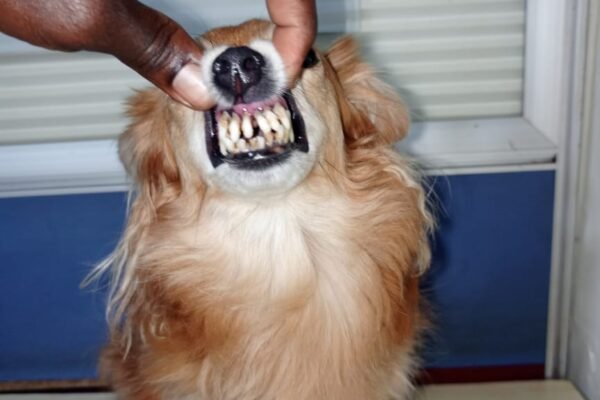
Bad breath in dogs is a common problem that many pet owners dismiss as normal. However, persistent unpleasant breath can be a sign of dental disease, gum infections, or other underlying health problems. At Superior Animal Clinic, we encourage dog owners in Kampala and surrounding areas to take their pets’ oral health seriously through regular veterinary dental checkups and professional cleaning when needed.
Common Causes of Bad Breath in Dogs
1. Plaque and Tartar Buildup
Plaque forms when bacteria accumulate on a dog’s teeth. If it is not removed, it hardens into tartar, which can cause unpleasant breath, gum irritation, and dental disease.
2. Gum Disease
Gingivitis and periodontal disease develop when bacteria affect the gums and supporting tissues around the teeth. Dogs with gum disease may have swollen or bleeding gums, difficulty chewing, or persistent bad breath.
3. Infected or Damaged Teeth
Through fights, eating hard bones and other causes, dogs can have teeth broken or damaged.
Broken teeth, tooth-root infections, and advanced dental disease can produce a strong, unpleasant smell. These conditions often require veterinary examination and appropriate treatment.
4. Food and Foreign Objects
Food particles can become trapped between teeth. Occasionally, sticks, bones, or other objects become lodged in a dog’s mouth, causing irritation, infection, and bad breath.
5. Other Health Problems
Although dental disease is a common cause, unusual breath odours can sometimes be associated with conditions affecting organs such as the kidneys or liver, or with diabetes. A veterinary examination can help identify the underlying cause.
Signs Your Dog May Need Dental Care
Besides bad breath, watch for:
- Yellow or brown deposits on the teeth.
- Red, swollen, or bleeding gums.
- Drooling more than usual. (Excessive saliva dripping from the mouth)
- Difficulty chewing or dropping food.
- Pawing at the mouth.
- Reduced appetite or reluctance to eat.
- Swelling around the face or mouth.
If your dog has facial swelling, significant mouth pain, or difficulty eating, arrange a veterinary assessment promptly.
How Can You Prevent Bad Breath in Dogs?
Good dental care can help keep your dog’s mouth healthy and reduce the risk of dental disease.
Brush your dog’s teeth regularly. Use a dog-specific toothbrush and toothpaste. Human toothpaste may contain ingredients that are unsafe for pets.
Arrange regular dental checkups. A veterinarian can assess the teeth and gums, identify early signs of disease, and recommend professional cleaning or other treatment when necessary.
Choose appropriate dental products. Veterinary-approved dental chews and diets may help reduce plaque. Choose products suitable for your dog’s size and chewing habits, and supervise chewing.
Do not ignore persistent bad breath. Brushing can help prevent plaque, but it cannot remove established tartar or treat advanced gum disease.
Professional Dog Dental Services at Superior Animal Clinic
If your dog’s breath is consistently unpleasant, professional dental care may be the solution. At Superior Animal Clinic, we encourage pet owners to seek veterinary assessment rather than relying on breath fresheners or home remedies.
Our veterinary team can examine your dog’s mouth, assess the condition of the teeth and gums, and recommend suitable treatment. Where indicated and available, professional dental cleaning helps remove accumulated plaque and tartar from the teeth, including areas that are difficult to reach with a toothbrush.
Depending on the findings, your dog may also need treatment for gum disease, infected teeth, or other oral health problems. Professional cleaning may require anaesthesia so that the veterinarian can work safely and thoroughly.
Regular dental care can improve your dog’s comfort, support healthier eating, and help prevent dental problems from becoming more serious.
Book a Dental Checkup at Superior Animal Clinic
Your dog deserves more than fresh breath. Healthy teeth and gums are an important part of overall wellbeing.
If you have noticed persistent bad breath, discoloured teeth, or swollen gums in your dog, contact Superior Animal Clinic to arrange a veterinary dental assessment. Our team can help you understand your dog’s oral health needs and recommend the appropriate care.
Contact Superior Animal Clinic today to enquire about our veterinary dental services and give your dog a healthier smile.