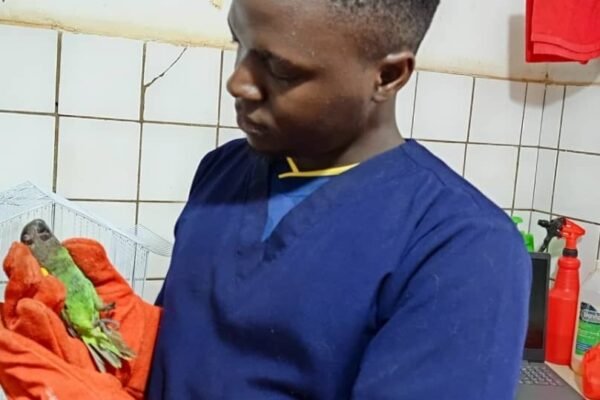
While many pet owners have dogs and cats , some unique loving own pet birds . Since birds are unique pets , alot is not known about them . In this articlee, we shall be looking at the best feeds to give to your birds for a healthy life.
A healthy diet is one of the most important parts of caring for a pet bird. Whether you keep a parrot, budgie, cockatiel, lovebird, canary or another companion bird, what you put in its feeding bowl can affect its energy, feathers, weight and overall health.
For bird owners in Uganda, feeding a pet bird does not have to mean buying expensive imported foods every week. Many nutritious foods are available locally. The important thing is to provide variety and balance, rather than allowing your bird to eat only one type of food.
What Should a Pet Bird Eat?
A good diet for a pet bird generally includes a combination of:
- Quality formulated bird pellets, where appropriate
- Seeds and grains in controlled amounts
- Fresh vegetables
- Suitable fruits
- Clean drinking water
- Species-appropriate treats
The exact diet depends on the bird species. A parrot, for example, has different nutritional needs from a canary or budgie.
1. Fresh Vegetables
Vegetables can provide important vitamins, minerals and other nutrients.
Some options that can be included in appropriate portions include:
- Carrots
- Pumpkin
- Sweet potato, preferably cooked and plain
- Green leafy vegetables
- Broccoli
- Bell peppers
- Cucumber
- Green beans
- Peas
- Maize
Wash fresh produce thoroughly before giving it to your bird.
You can chop vegetables into small, manageable pieces depending on the size of the bird.
2. Fruits as an Occasional Part of the Diet
Many pet birds enjoy fruit, and it can be a useful addition to a varied diet.
Examples include:
- Pawpaw (papaya)
- Banana
- Mango
- Apple
- Watermelon
- Pineapple
- Guava
- Passion fruit
- Orange in small amounts
Fruit should generally be offered in moderation because it contains naturally occurring sugars.
Remove seeds or pits where appropriate. Avocado should not be fed to pet birds.
3. What About Seeds?
Seeds are commonly associated with pet birds, and many birds love them. However, feeding a bird only seeds can create nutritional problems.
A seed-heavy diet can be high in fat while lacking adequate amounts of some essential nutrients.
Sunflower seeds are a good example. Birds often love them, but giving large quantities every day can encourage selective eating and an unbalanced diet.
Instead of filling the bowl with one type of seed, use an appropriate balanced diet and offer seeds according to the needs of the species.
4. Can Pet Birds Eat Maize and Other Ugandan Foods?
Uganda is rich in different foods especially people who live in Kampala where many foods from different regions are brought . Some foods commonly found in Ugandan homes can be suitable for birds when prepared appropriately.
For example, plain cooked maize can be offered in suitable portions to some pet birds.
However, human food should not automatically be considered bird food.
Avoid giving birds foods heavily prepared with:
- Salt
- Sugar
- Oil
- Spices
- Sauces
- Seasoning
For example, a piece of plain cooked food may be very different from the same food prepared as part of a heavily seasoned family meal.
5. What About Posho?
Bird owners sometimes wonder whether they can give their birds posho.
Small amounts of plain, properly cooked posho may be eaten by some birds, but it should not become the main diet.
A bird needs a much wider range of nutrients than posho alone can provide. Treat it as an occasional food rather than a complete feeding solution.
6. Foods You Should Never Give Your Pet Bird
Some foods can be dangerous to birds and should be avoided.
These include:
- Avocado
- Chocolate
- Alcohol
- Caffeinated drinks such as soda
- Very salty foods
- Very sugary foods
- Heavily seasoned foods
- Foods containing excessive oil
- Spoiled or mouldy food
Also avoid giving your bird food that has been sitting around long enough to spoil.
In Uganda’s warm climate, fresh foods can deteriorate relatively quickly, particularly when left inside a cage for several hours. If the food starts changing color, its high time to change it.
7. Clean Water Is Just as Important
Food gets most of the attention, but drinking water is equally important.
Your bird should have access to fresh, clean drinking water every day.
The water container should be cleaned regularly rather than simply being topped up repeatedly.
Food particles, droppings, feathers and dust can contaminate a water container surprisingly quickly.
During hot weather, pay particular attention to water availability and cleanliness.
8. Be Careful With Human Snacks
It can be tempting to share food with a pet bird, especially when it sits nearby while the family is eating.
However, foods such as biscuits, crisps, sweets and heavily seasoned leftovers are not appropriate everyday bird foods.
A bird may happily eat something that is not good for it. Enjoying a food does not necessarily mean that the food is healthy.
9. Different Birds Have Different Dietary Needs
One of the biggest mistakes bird owners make is assuming that every bird can eat the same diet. There is no one diet fits all for birds . Different birds need different needs
For example, the nutritional needs of a:
- Budgie
- Cockatiel
- Lovebird
- Canary
- African grey parrot
- Other parrot species
are not necessarily identical.
Age, species, health condition and activity level can also affect dietary requirements.
If you have recently bought a bird, it is worth asking a veterinarian what diet is appropriate for that particular species.
How Do You Know Your Bird Is Eating Properly?
Pay attention to changes in your bird’s normal behaviour and appearance.
Contact a veterinarian if you notice things such as:
- Suddenly refusing food
- Significant weight loss
- Unusual weakness
- Major changes in droppings
- Persistent vomiting or regurgitation
- Difficulty breathing
- A bird that becomes unusually quiet or inactive
- Significant changes in feathers or appearance
Birds can sometimes hide signs of illness, so a noticeable change in eating behaviour deserves attention.
Final Thoughts
Feeding a pet bird in Uganda does not have to be complicated. The goal is variety, balance, cleanliness and a diet appropriate for the particular species.
Locally available foods such as vegetables, fruits and plain grains can make a proper bird diet, but they should not simply replace nutritionally complete food without considering the bird’s specific needs.
If you are unsure what to feed your parrot, budgie, cockatiel, lovebird or other pet bird, a veterinary consultation can help you create a feeding plan suited to your bird.