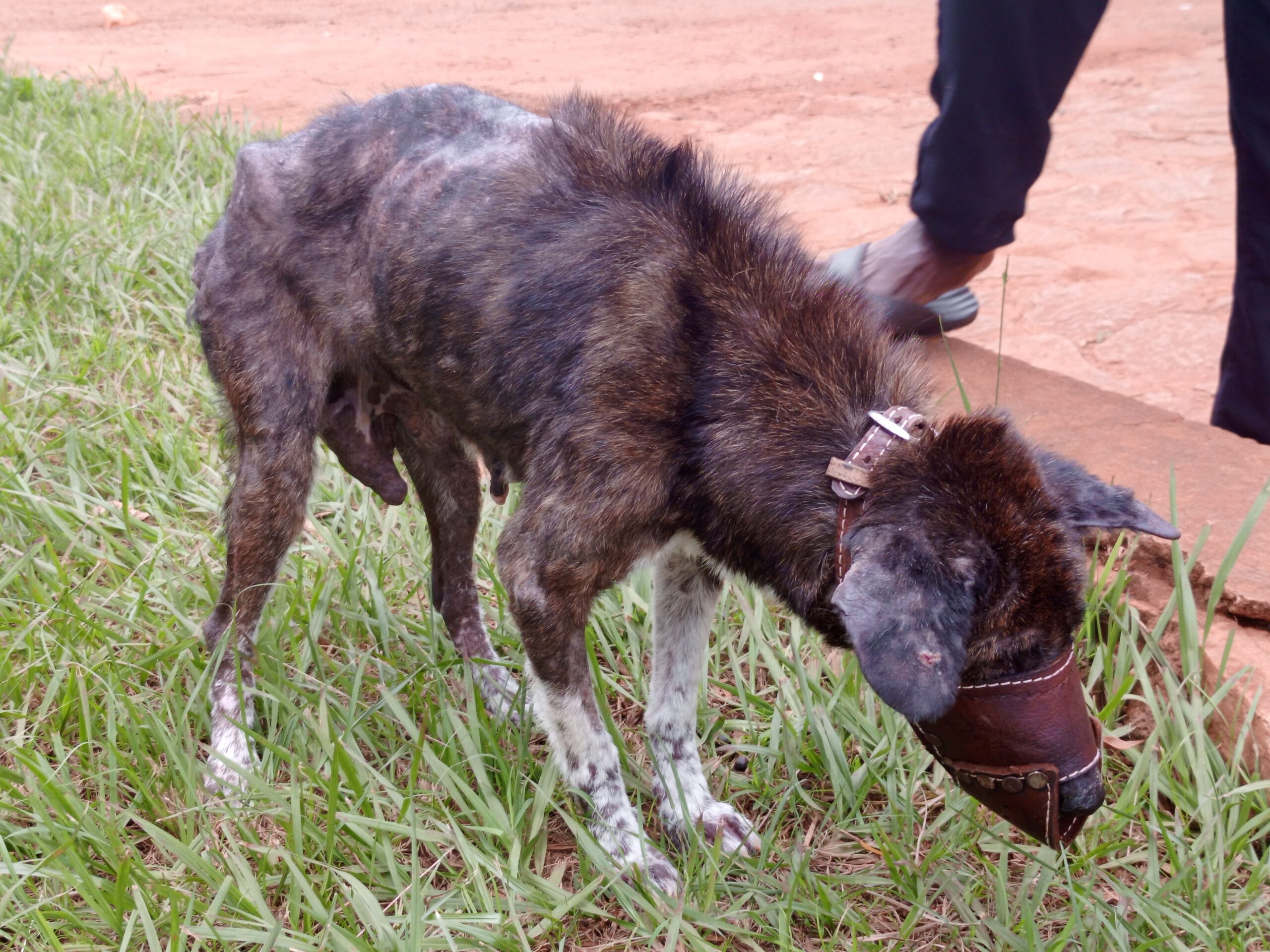
In many parts of Uganda, the sight of stray dogs roaming streets, marketplaces, and residential neighborhoods has become increasingly common. From busy suburbs of Kampala like Ntinda and Makindye to developing areas such as Nakawa and Rubaga, free-roaming dogs move through communities every day. Some are abandoned pets. Others were born on the streets. Many survive on scraps, exposed to disease, injury, hunger, and harsh weather.
But the stray dog situation is not just an animal issue — it is a public health and community safety concern. Unvaccinated dogs increase the risk of rabies transmission. Uncontrolled breeding leads to overpopulation. Sick, injured, or aggressive dogs can cause fear, bites, and conflict within neighborhoods. At the same time, these animals suffer silently from preventable diseases, untreated wounds, parasites, and malnutrition.
Veterinary care for stray dogs in Uganda is therefore both a humanitarian responsibility and a medical necessity. Proper vaccination programs reduce rabies outbreaks. Sterilization controls population growth. Emergency treatment saves injured animals. Deworming and parasite control prevent disease spread to owned pets and even humans. When veterinary services are accessible and communities are educated, the cycle of neglect and overpopulation can be broken.
Every dog owner, animal lover, local leader, and veterinary professional has a role to play. Responsible ownership prevents dogs from becoming strays in the first place. Community support makes rescue and treatment possible. And professional veterinary intervention ensures that rescued dogs receive safe, effective, and humane medical care.
Understanding the full scope of veterinary services available for stray dogs in Uganda is the first step toward building healthier communities — for both people and animals.
Understanding the Stray Dog Problem in Uganda
Definition: Stray vs Abandoned vs Free-Roaming
- Stray dogs: Dogs living without direct human supervision.
- Abandoned dogs: Previously owned dogs dumped by their owners.
- Free-roaming dogs: Owned dogs allowed to wander unsupervised.
Common Causes
- Abandonment during financial hardship
- Uncontrolled breeding
- Poor fencing
- Lack of spay/neuter culture
- Minimal enforcement of responsible ownership laws
Urban vs Rural Challenges
In Kampala, high population density increases bite risks and disease spread. Upcountry areas often struggle with limited access to veterinary services.
Impact on Communities
- Dog bites
- Rabies transmission
- Noise pollution
- Scattered garbage
- Fear among children
Common Health Problems in Stray Dogs in Uganda
What every dog owner, rescuer, and community member should understand
Stray dogs in Uganda face daily exposure to disease, injury, parasites, and starvation. Without routine vaccination, deworming, or veterinary checkups, minor conditions quickly become life-threatening.
1️⃣ Rabies – The Most Dangerous Threat
Cause:
Rabies is caused by a deadly virus transmitted through the saliva of infected animals, usually via bites. In Uganda, unvaccinated dogs are the main reservoir.
Why Strays Are at High Risk:
- No routine vaccination
- Frequent fights with other dogs
- Exposure to wildlife
Signs:
- Sudden aggression or extreme fear
- Excessive salivation
- Difficulty swallowing
- Paralysis
- Sudden death
Treatment:
There is no cure once clinical signs appear. Prevention is the only solution.
Veterinary Action:
- Immediate isolation of suspected cases
- Reporting to authorities
- Mass rabies vaccination campaigns
- Post-exposure vaccination for bite victims
Rabies control protects entire communities — not just dogs.
2️⃣ Mange (Severe Skin Disease)
Cause:
Mange is caused by microscopic mites that burrow into the skin. In Uganda, sarcoptic mange is especially common among strays.
Why Strays Are Vulnerable:
- Poor immunity
- Malnutrition
- Overcrowding
Signs:
- Severe itching
- Hair loss
- Thickened, crusty skin
- Wounds from scratching
Specific Treatment:
- Injectable ivermectin (carefully dosed)
- Isoxazoline tablets (modern mite treatment)
- Medicated antiseptic baths
- Antibiotics for secondary infections
- Nutritional support
Early treatment prevents spreading to other dogs and sometimes humans.
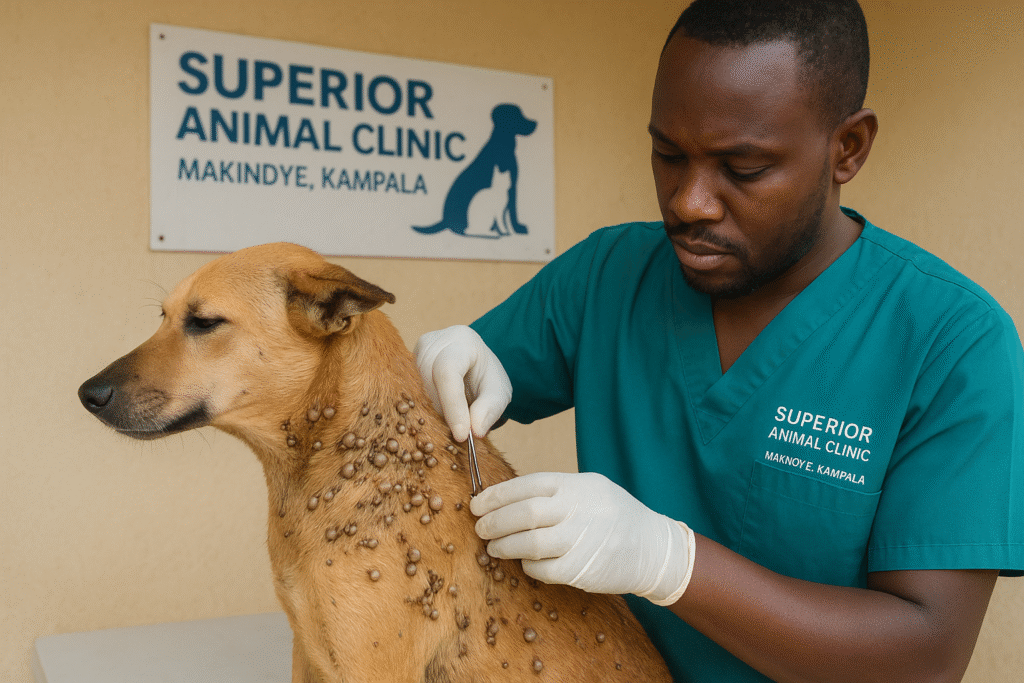
3️⃣ Tick-Borne Diseases (Ehrlichiosis & Babesiosis)
Cause:
Ticks transmit blood parasites and bacteria when they attach to dogs.
Common Diseases:
Signs:
- Fever
- Pale gums (anemia)
- Weakness
- Nosebleeds
- Weight loss
Specific Treatment:
For Ehrlichiosis:
- Doxycycline for 21–28 days
For Babesiosis:
- Imidocarb (Imizol) injection
- Supportive IV fluids
- Blood transfusion in severe anemia
Prevention:
Monthly tick prevention treatments.
Stray dogs without tick control often develop chronic, life-threatening infections.
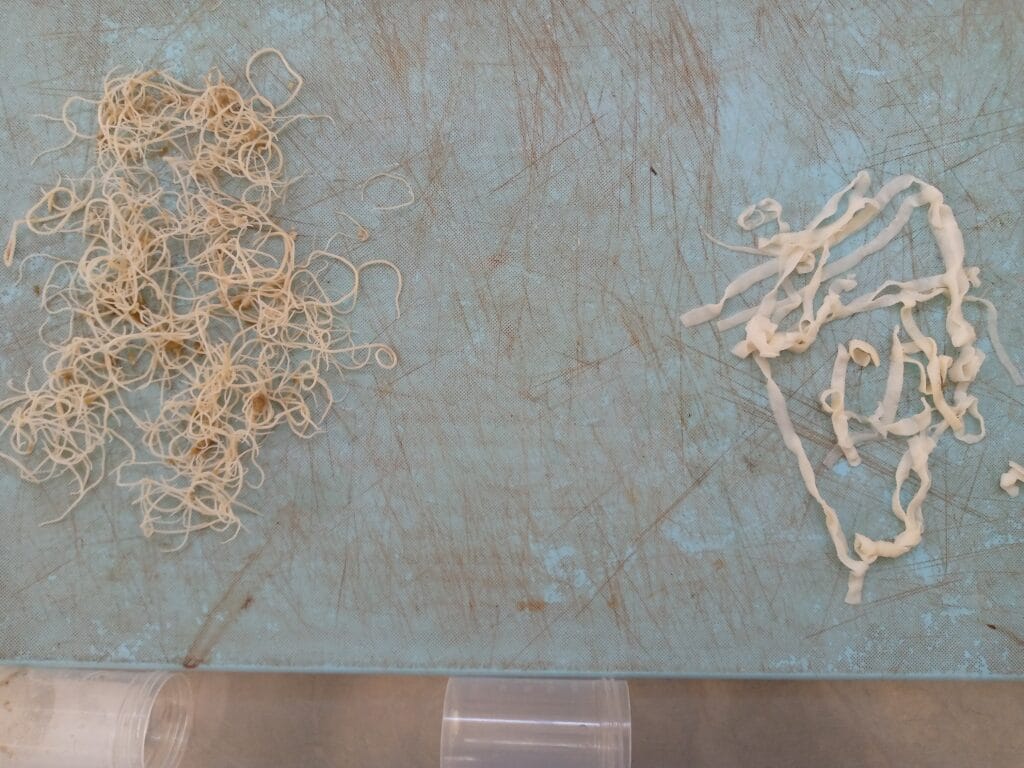
4️⃣ Worm Infestations
Cause:
Strays ingest parasite eggs from contaminated soil, garbage, or infected animals.
Common Worms:
- Roundworms
- Hookworms
- Tapeworms
Signs:
- Bloated abdomen
- Diarrhea
- Weight loss
- Weakness
- Anemia
Specific Treatment:
- Broad-spectrum dewormers (fenbendazole, praziquantel combinations)
- Repeated dosing after 2–3 weeks
- Iron supplements if anemic
Routine deworming every 3 months is essential in high-risk environments.
5️⃣ Parvovirus (Especially in Stray Puppies)
Cause:
Highly contagious virus spread through infected feces. The virus survives for months in the environment.
Why Strays Are at Risk:
- No vaccination
- Crowded street conditions
Signs:
- Bloody diarrhea
- Vomiting
- Severe dehydration
- Sudden weakness
Specific Treatment:
There is no direct cure, but aggressive supportive care saves lives:
- IV fluids
- Anti-vomiting injections
- Antibiotics to prevent sepsis
- Glucose supplementation
- Isolation to prevent spread
Vaccination is the only reliable prevention.
6️⃣ Canine Distemper
Cause:
A viral disease affecting the respiratory, digestive, and nervous systems.
Signs:
- Fever
- Eye and nose discharge
- Coughing
- Diarrhea
- Seizures
Specific Treatment:
- IV fluids
- Broad-spectrum antibiotics
- Anti-seizure medication
- Immune support therapy
Distemper survivors often suffer lifelong neurological damage.
7️⃣ Malnutrition & Starvation
Cause:
Irregular feeding, competition over scraps, and lack of balanced nutrients.
Effects:
- Weak immunity
- Poor wound healing
- Hair loss
- Muscle wasting
Treatment:
- Gradual refeeding with high-protein diets
- Vitamin and mineral supplementation
- Deworming
- Monitoring for refeeding syndrome
Nutritional rehabilitation is critical before vaccination or surgery.
8️⃣ Road Traffic Injuries & Dog Fight Wounds
Cause:
- Busy roads
- Territorial fighting
- Human cruelty
Common Injuries:
- Fractures
- Deep bite wounds
- Internal bleeding
Specific Treatment:
- Emergency stabilization (IV fluids, oxygen)
- Pain relief
- Surgical repair
- Wound cleaning and suturing
- Antibiotics
Untreated wounds quickly become septic in Uganda’s warm climate.
9️⃣ Reproductive Infections (Pyometra & Testicular Disease)
Cause:
Repeated heat cycles without pregnancy or uncontrolled breeding.
In Females (Pyometra):
- Pus-filled uterus
- Lethargy
- Abdominal swelling
Treatment:
- Emergency spay surgery
- IV fluids
- Antibiotics
In Males:
- Enlarged infected testicles
- Pain
- Infertility
Treatment:
- Castration surgery
Sterilization prevents these life-threatening infections.
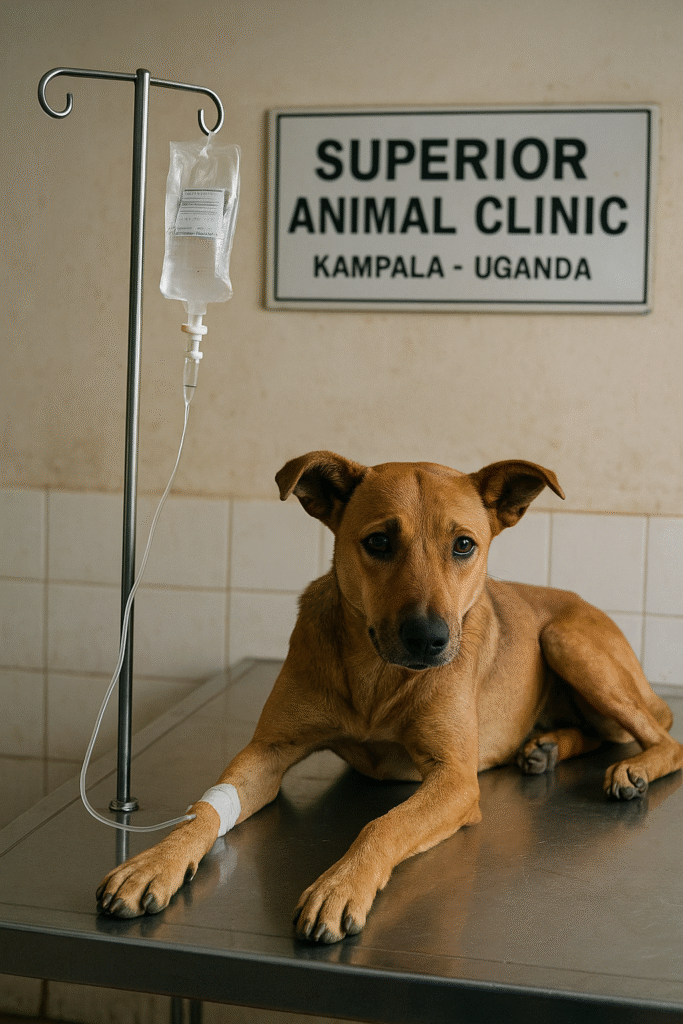
🔟 Dehydration & Heat Stress
Uganda’s warm climate worsens dehydration in strays without access to clean water.
Signs:
- Dry gums
- Weakness
- Collapse
Treatment:
- IV or subcutaneous fluids
- Electrolyte correction
- Cooling measures
Why Early Veterinary Intervention Matters
Most of these diseases are preventable with:
- Annual vaccination
- Regular deworming
- Tick control
- Sterilization
- Proper nutrition
Veterinary intervention does not just save individual dogs — it reduces disease spread, protects children from rabies, and lowers long-term community costs.
Core Veterinary Services for Stray Dogs in Uganda
Stray dogs in Uganda face a unique combination of medical, environmental, and social challenges. Effective veterinary care does more than treat individual animals — it protects communities from disease, reduces suffering, and helps control overpopulation. Below is a detailed, easy-to-understand guide to the essential veterinary services every rescued or stray dog may need.
1️⃣ Emergency & Rescue Care
Why It’s Necessary
Many stray dogs are victims of road traffic accidents, dog fights, machete injuries, poisoning, or severe infections. Without immediate medical intervention, these dogs often die from shock, blood loss, infection, or dehydration.
Emergency care is critical not only to save life but also to prevent prolonged suffering.
How It Is Given
When a stray dog is brought to a veterinary clinic:
- Initial Assessment (Triage) – Checking breathing, heart rate, temperature, gum color, and hydration.
- Stabilization – IV fluids to treat shock, oxygen if needed, and pain relief.
- Wound Management – Cleaning, flushing, suturing, and antibiotics.
- Diagnostic Tests – Blood tests or X-rays if fractures or internal injuries are suspected.
- Surgery – For fractures, internal bleeding, or deep wounds.
Cost in Uganda
- Basic stabilization: UGX 150,000 – 300,000
- Fracture repair or major surgery: UGX 400,000 – 800,000+
Early rescue greatly reduces complications and cost.
2️⃣ Vaccination Programs
Vaccination is the foundation of stray dog disease control in Uganda.
A. Rabies Vaccination
Why It’s Necessary
Rabies is fatal and a major public health threat. A single unvaccinated stray dog can expose multiple people.
How It Is Given
- One injection under the skin.
- Given to dogs 12 weeks and older.
- Booster annually.
Cost
UGX 20,000 – 40,000 per dog.
Community rabies vaccination significantly reduces bite-related deaths.
B. Core Vaccines (Parvovirus, Distemper, Hepatitis)
Why It’s Necessary
Stray puppies are highly vulnerable to parvovirus and distemper, which spread rapidly in crowded environments.
How It Is Given
- Injection under the skin.
- Series of 2–3 vaccines for puppies.
- Annual booster.
Cost
UGX 40,000 – 80,000 per vaccination.
Vaccinating rescued strays protects both the dog and nearby owned pets.
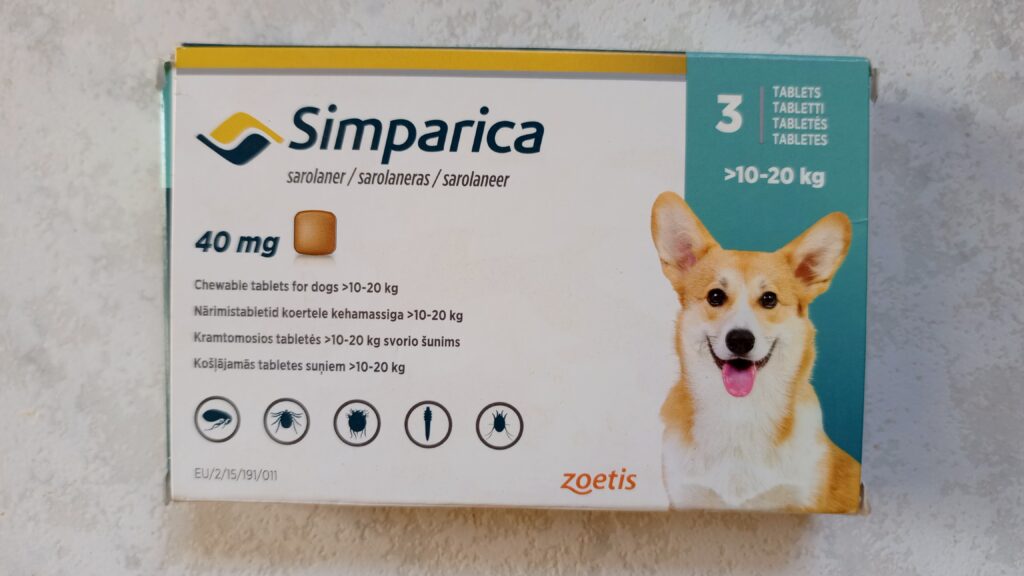
3️⃣ Deworming & Parasite Control
Parasites are extremely common in stray dogs.
A. Internal Parasites (Worms)
Why It’s Necessary
Worms cause anemia, weakness, diarrhea, poor growth, and can infect humans (especially children).
How It Is Given
- Oral tablet or liquid.
- Repeated every 3 months.
Cost
UGX 10,000 – 30,000 per treatment.
B. Tick & Flea Control
Why It’s Necessary
Ticks transmit deadly diseases like ehrlichiosis and babesiosis.
How It Is Given
- Spot-on treatment applied to skin.
- Injection in severe infestations.
- Medicated baths.
Cost
UGX 20,000 – 60,000 depending on size and product used.
C. Mange Treatment
Why It’s Necessary
Mange causes severe itching, hair loss, thickened skin, and secondary infections. It spreads easily among stray populations.
How It Is Given
- Injectable medication weekly.
- Medicated dips.
- Antibiotics for secondary infection.
Cost
UGX 80,000 – 250,000 depending on severity and duration.
4️⃣ Spay & Neuter (Sterilization Services)
This is the most powerful long-term solution to stray dog overpopulation.
Why It’s Necessary
- Prevents unwanted litters.
- Reduces roaming and fighting.
- Decreases aggression in males.
- Prevents uterine infections (pyometra) in females.
- Reduces risk of certain cancers.
Without sterilization, one female dog can produce dozens of puppies within a few years.
How It Is Done
- Pre-surgical health check.
- General anesthesia.
- Surgical removal of reproductive organs.
- Suturing and recovery monitoring.
- Post-operative antibiotics and pain relief.
Dogs are typically discharged the same day or next day.
When It Is Done
- From 5–6 months of age.
- Before first heat is ideal for females.
Cost in Uganda
- Male neutering: UGX 150,000 – 250,000
- Female spay: UGX 250,000 – 400,000
Though initially costly, sterilization prevents future expenses related to unwanted litters and disease.
5️⃣ Diagnostic Testing
Many stray dogs appear weak but the cause may not be obvious.
Why It’s Necessary
Conditions like tick-borne diseases, anemia, organ failure, or parvovirus require laboratory confirmation.
How It Is Given
- Blood tests
- Rapid parvo tests
- Microscopy for parasites
- Ultrasound if needed
Cost
UGX 50,000 – 200,000 depending on tests required.
Accurate diagnosis prevents misuse of antibiotics and improves recovery rates.
6️⃣ Nutritional Rehabilitation
Malnutrition is extremely common among strays.
Why It’s Necessary
Undernourished dogs have weak immune systems and poor wound healing.
How It Is Given
- High-protein diets.
- Gradual feeding schedule.
- Vitamin supplementation.
- Fluid therapy if severely dehydrated.
Cost
UGX 30,000 – 150,000 depending on duration and supplements.
Rehabilitation may take weeks but transforms the dog’s overall health.

7️⃣ Behavioral Rehabilitation
Some stray dogs become fearful or aggressive due to trauma.
Why It’s Necessary
Unrehabilitated dogs may bite or fail adoption placement.
How It Is Done
- Gradual human exposure.
- Controlled feeding interactions.
- Leash training.
- Positive reinforcement methods.
Cost
Often integrated into shelter or foster programs; varies by case.
Behavioral rehabilitation increases adoption success.
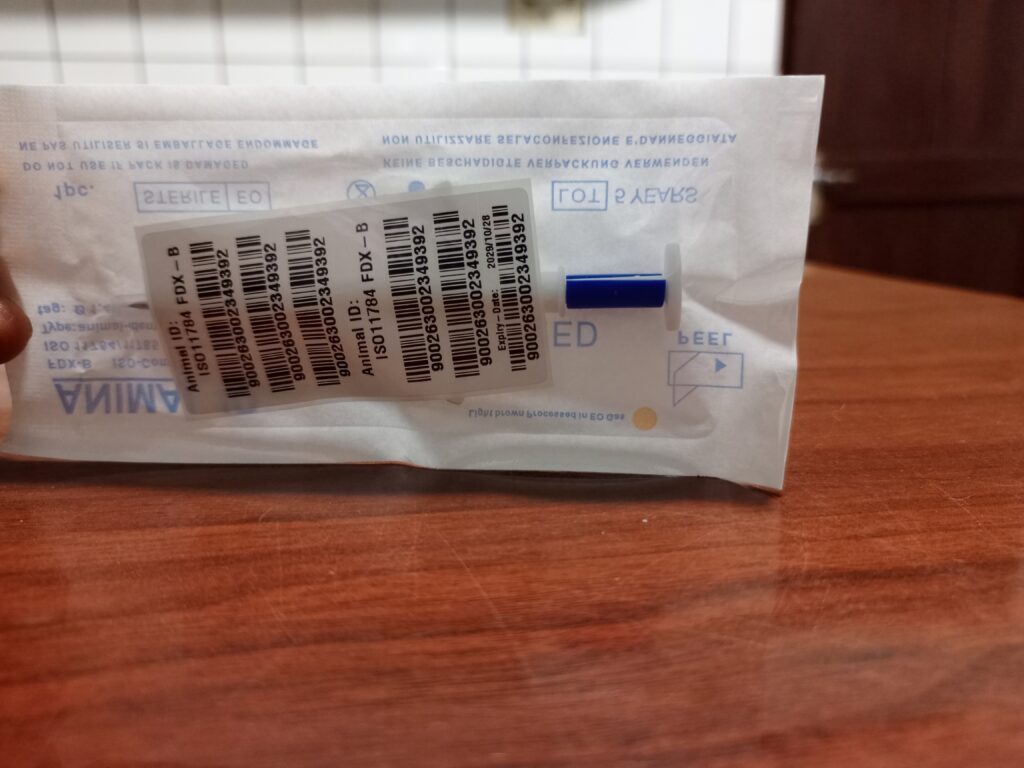
8️⃣ Microchipping & Identification
Why It’s Necessary
Some strays are actually lost pets. Microchipping ensures permanent identification.
How It Is Given
- Small microchip inserted under the skin.
- Quick and minimally painful procedure.
Cost
UGX 50,000 – 60,000.
Microchipping improves accountability and responsible ownership.
Core veterinary services for stray dogs in Uganda are not optional — they are essential for public health, humane treatment, and long-term population control.
From emergency rescue and vaccination to sterilization and rehabilitation, each service plays a specific and vital role. When communities, veterinarians, and animal lovers work together, stray dog suffering decreases, rabies cases decline, and neighborhoods become safer.
FAQs About Stray Dog Veterinary Services in Uganda
1️⃣ How much is vaccinating a stray dog in Uganda?
Vaccination costs in Uganda depend on the type of vaccine:
- Rabies vaccine: UGX 40,000
- Parvovirus vaccine: UGX 40,000
- Distemper vaccine: UGX 60,000
- Dog cocktail vaccine (5-in-1 or 7-in-1): UGX 60,000
Vaccinating a stray dog in Kampala is critical to protect against rabies and deadly viral infections. Annual boosters are required to maintain protection.
2️⃣ How much is deworming a stray dog in Kampala, Uganda?
Deworming a stray dog in Kampala costs UGX 20,000.
This includes broad-spectrum treatment such as:
- Praziquantel
- Fenbendazole
- Ivermectin
Regular deworming (every 3 months) prevents anemia, weight loss, diarrhea, and transmission of worms to humans.
3️⃣ How much is tick and flea medication for dogs in Uganda?
Tick and flea treatment costs in Uganda vary depending on the product:
- Simparica: UGX 85,000
- Fipronil (spot-on): UGX 30,000
- Tick & mange injection: UGX 10,000
Tick control is essential in Kampala due to high rates of tick-borne diseases like ehrlichiosis and babesiosis.
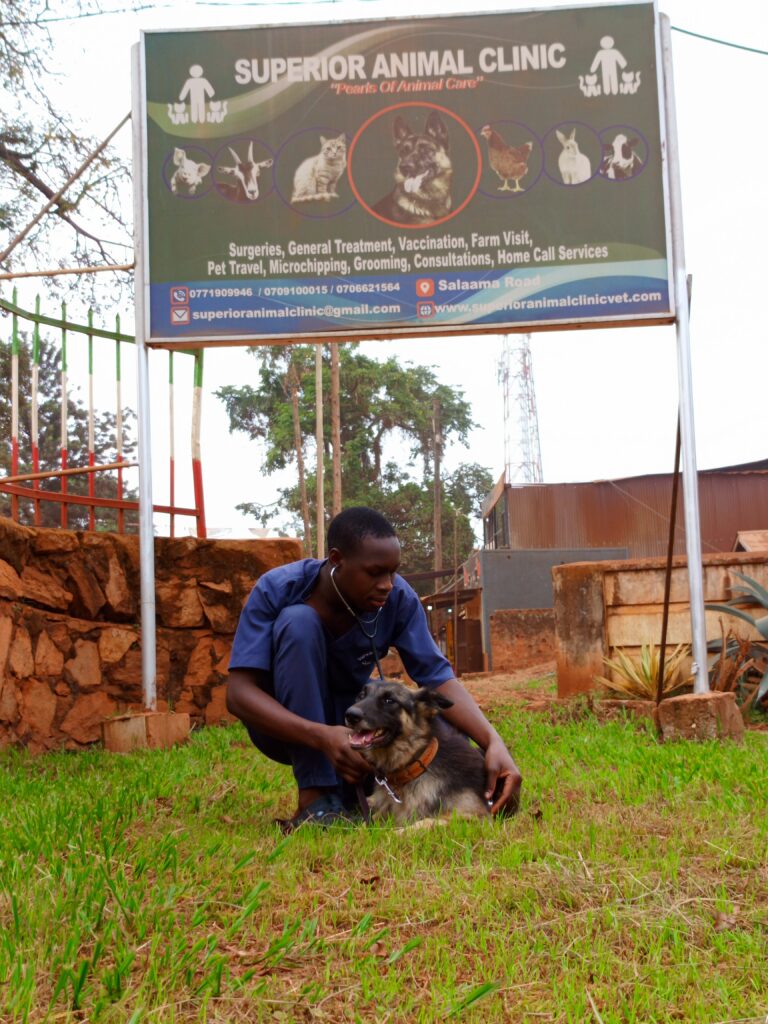
4️⃣ I adopted a stray dog from Kampala streets. Which veterinary hospital do you recommend in Uganda?
If you adopted a stray dog in Kampala, Uganda, a trusted and experienced veterinary hospital is Superior Animal Clinic.
They provide:
- Full health check-ups
- Vaccination programs
- Deworming
- Tick and flea control
- Sterilization services
- Emergency care
Early medical evaluation ensures your rescued dog is healthy and safe for your family.
5️⃣ Where can I get the best mobile vet services in Kampala, Uganda?
For reliable mobile veterinary services in Kampala, you can call Dr. Ssonko Ronald at +256771909946.
Mobile services are ideal for:
- Injured stray dogs
- Aggressive or fearful rescues
- Emergency home visits
- Vaccination at home
6️⃣ How much is spaying or neutering a stray dog in Kampala, Uganda?
Sterilization costs typically range:
- Male neutering: UGX 150,000 – 250,000
- Female spaying: UGX 250,000 – 400,000
Spaying and neutering prevent unwanted litters, reduce roaming, and lower aggression. It is the most effective long-term solution to stray dog overpopulation in Uganda.
7️⃣ How much does emergency treatment for an injured stray dog cost in Uganda?
Emergency veterinary treatment in Kampala may cost:
- Basic stabilization: UGX 150,000 – 300,000
- Surgery for fractures or deep wounds: UGX 400,000 – 800,000+
Early rescue reduces both suffering and treatment costs.
8️⃣ How often should a rescued stray dog be vaccinated in Uganda?
- Rabies: Once every year
- Parvo & distemper (puppies): 2–3 doses initially
- Annual booster: Required for adult dogs
Annual vaccination is required for community safety and rabies prevention in Uganda.
9️⃣ How soon should I take a stray dog to a vet after adoption in Kampala?
You should take your rescued stray dog to a veterinary clinic within 24–72 hours of adoption for:
- Physical examination
- Vaccination planning
- Deworming
- Tick control
- Blood tests if necessary
Early screening prevents disease spread and protects your household.
🔟 Can stray dogs in Uganda be treated for mange?
Yes. Mange is very common among stray dogs in Kampala and across Uganda.
Treatment may include:
- Injectable medication
- Medicated dips
- Antibiotics for secondary infections
Costs range from UGX 80,000 – 250,000, depending on severity.
1️⃣1️⃣ Is it safe to vaccinate and treat a stray dog in Uganda?
Yes, but it should always be done by a licensed veterinarian. Proper vaccine storage, correct dosage, and professional handling are necessary to ensure safety and effectiveness.
1️⃣2️⃣ Why is rabies vaccination important for stray dogs in Kampala?
Rabies is fatal and can spread to humans through bites. Vaccinating stray and rescued dogs protects:
- Children
- Families
- Communities
- Other pets
Annual rabies vaccination is one of the most important public health measures in Uganda.
1️⃣3️⃣ Can I sponsor vaccination or sterilization for stray dogs in Kampala?
Yes. Many veterinary clinics allow individuals and businesses to sponsor:
- Rabies vaccination drives
- Spay and neuter surgeries
- Emergency treatment funds
Community sponsorship significantly reduces stray dog populations and suffering.
1️⃣4️⃣ What are the signs a rescued stray dog needs urgent veterinary care?
Seek immediate veterinary attention if the dog shows:
- Excessive drooling
- Aggression or confusion (possible rabies signs)
- Severe wounds
- Persistent vomiting or diarrhea
- Pale gums (possible anemia)
- Difficulty breathing
Early intervention saves lives.
1️⃣5️⃣ What is the total estimated cost of fully treating a rescued stray dog in Kampala?
Initial treatment (check-up, vaccination, deworming, tick control) may range between:
UGX 150,000 – 300,000
If sterilization or additional treatment is required, total costs may range from:
UGX 300,000 – 700,000+
Early preventive care is far more affordable than emergency surgery.
Conclusion
Stray dog health in Uganda is a shared responsibility. Veterinary services are not just about treating animals — they are critical for public health, disease prevention, and safer communities.
From vaccination and deworming to sterilization and emergency surgery, every service plays a vital role in reducing suffering and preventing rabies outbreaks.
Every dog owner in Uganda must:
- Vaccinate annually
- Sterilize pets
- Prevent roaming
- Never abandon animals
If you want professional, compassionate, and comprehensive care for rescued or stray dogs, Superior Animal Clinic stands out as one of the leading veterinary hospitals in Uganda, providing emergency care, vaccination programs, sterilization services, and rehabilitation support.
Together, through responsible ownership and strong veterinary partnerships, Uganda can significantly reduce stray dog suffering and protect both animals and communities.