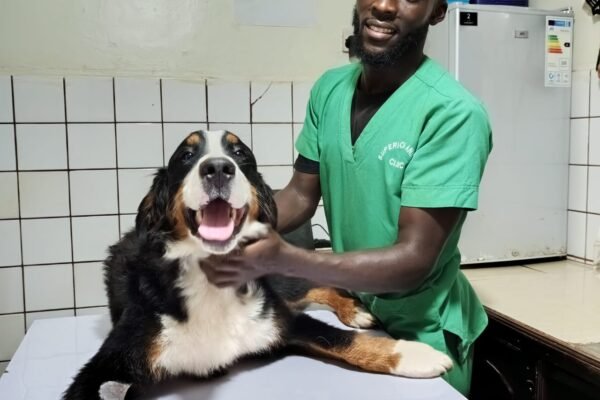
Last year I saw 120 dogs walk through my clinic doors. Some came wagging, some came carried in a sack, some came too late.
Every dog was different. Different names, different homes, different stories. But the sicknesses? I started seeing the same 5 names again and again.
As a vet practicing here in Uganda, I want to be honest with you. Most of this heartbreak is preventable. If I can help one owner spot the signs early, then those long nights and IV drips were worth it.
Here’s what I’ve learned firsthand:
1.Parvovirus “Parvo” – The Puppy Killer
This is the one that keeps me up at night. It is far one of the deadliest especially in puppies that haven’t completed their vaccinations.
I have seen puppies arrive extremely weak, dehydrated and unable to eat after developing severe gastrointestinal illness. What makes parvovirus particularly concerning is how quickly a sick puppy can deteriorate.
Cause: Parvovirus is a highly contagious virus that spreads mainly through infected dog feces and contaminated environments. It can also be carried from one place to another on contaminated objects, footwear and surfaces.
Signs: Severe vomiting, bloody diarrhea, weakness, dehydration, and loss of appetite.
Lesson I learned: The puppies who survive are almost always the ones who started vaccines on time. The ones who don’t? Usually missed that first jab.
What you can do: Finish the full puppy vaccine course according to a veterinary vaccination schedule. Don’t take unvaccinated pups to parks or the roadside. And if you suspect parvo, don’t wait. Dehydration kills faster than the virus itself.
2. Tick Fever – The Silent Blood Thief
In Uganda, ticks don’t take a holiday. Neither do the diseases they carry.
What I see: A dog that was fine last week now has pale gums, fever, is drinking a lot, and their urine looks like Coca-Cola. That’s Babesia and Ehrlichia eating away at their red blood cells.
Cause: Parasites transmitted by infected ticks (such as Babesia and Ehrlichia).
Signs: Fever, pale gums, weakness, loss of appetite, dark urine, weight loss, and anemia.
Lesson I learned: “He just has ticks” is never “just.” One tick can transmit 3 diseases. By the time you see weakness, the damage is already happening.
What you can do: Monthly tick prevention is not a luxury here. Tablets like Simparica and Bravecto work. Dips and sprays help, but they wash off. Check your dog after every bush walk.
3. Worms – Helminthiasis
Many dogs, particularly puppies, come in with heavy worm burdens that affect their growth and overall health.
What I see: Puppies with big bellies but skinny bodies. Dull coats. Diarrhea. Sometimes I pull out roundworms as long as my pen from their stool. It stunts growth and opens the door to other diseases.
Cause: Intestinal worms such as roundworms, hookworms, whipworms, and tapeworms.
Signs: Pot-bellied appearance, diarrhea, poor growth, weight loss, vomiting, dull coat, and sometimes worms visible in the stool.
Lesson I learned: Worms are everywhere in our soil. You cannot “avoid” them. You can only stay ahead of them.
What you can do:
– Puppies < 3 months: Deworm every 2 weeks
– 3-6 months: Deworm monthly
– Adults: Deworm every 3 months
It’s cheap. It works. Don’t skip it.
Here is a detailed article I wrote on How to get rid of different worms in dogs
4. Aflatoxicosis – Poison in the Food Bowl
This one surprises owners the most. This is something many people don’t expect, but I’ve seen several serious cases linked to contaminated dog food.
What I see: A dog that suddenly stops eating, turns yellow in the eyes, vomits, and starts bleeding from the gums. The liver is shutting down.
Signs: Loss of appetite, vomiting, jaundice, bleeding disorders, weakness, and liver damage.
Cause: Toxins (aflatoxins) produced by molds that grow on poorly stored grains and ingredients used in pet food. During the rainy season, I see this spike.
Lesson I learned: “It was still in the bag” doesn’t mean it’s safe ?. If it smells musty or feels damp, throw it out. Your dog’s liver cannot.
What you can do: Buy from trusted brands, store food in an airtight container in a cool dry place, never feed moldy leftovers or maize and discard food that smells unusual or shows signs of moisture or fungal growth.
5. Mange – The Itch That Never Stops
Mange is one of the most common skin conditions I encounter, and many cases are brought in after weeks or months of itching.
What I see: Hairless patches, thick crusty skin, open sores from scratching, and dogs who can’t sleep at night. It’s caused by tiny mites.
Lesson I learned: People try home remedies for weeks first. By then there’s a secondary infection and it takes 2x longer to heal.
What you can do: Don’t let your dog play with stray dogs with bald patches. And if the itching starts, come in early. The treatment works but you’ve to finish the full treatment prescribed by your veterinarian.
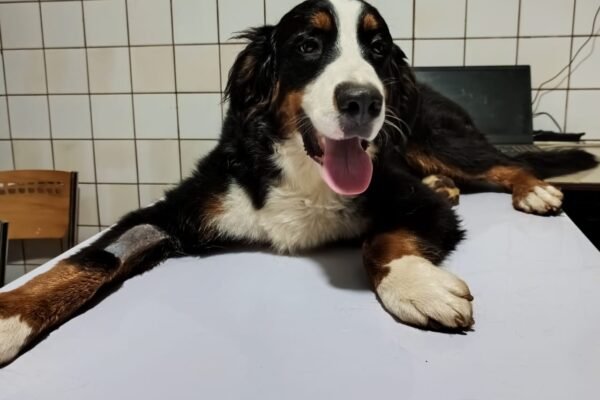
The Bigger Lesson After 120+ Cases Here’s my truth ;
These are my observations from treating dogs over the past year, and disease patterns can vary depending on location, season, and the dogs being seen. One thing that stands out is that most of these illnesses are largely preventable with vaccination, parasite control, proper nutrition, quality food, and regular veterinary check-ups.
90% of what I treated didn’t have to happen. A vaccine. A dewormer. A tick tablet. Clean food. One check-up.
That’s the difference between a dog who dies at 6 months and a dog who lives to 12 years beside you.
I don’t say this to scare you. I say this because I love these animals. I’ve held too many puppies who were “just a little sick yesterday.” I’d rather give you 10 preventative shots than one eulogy.
Your dog trusts you to notice when something is wrong. Trust me to help you keep them well.
Let’s Keep Your Dog Off This List
If you read this and thought “when was the last time I dewormed Max?” or “are those ticks normal?” — bring them in.
At Superior Animal Clinic on Salaama road in Kampala, we do full check-ups, vaccination, deworming, tick prevention, and emergency care. No judgment if you’re late. Just start today.
Bring all your pets. Cats, puppies, older dogs. The ones who are sick and the ones who look fine. Early is always cheaper and kinder than late.